A sewer line problem rarely starts with a dramatic collapse. More often, it begins with a toilet that gurgles after you run the sink, a tub that drains a little slower each week, or a patch of yard that never seems to dry out. If you are wondering how to spot sewer line damage before it turns into a backup, the goal is simple, pay attention to patterns, not just one-off plumbing annoyances.
For homeowners and property managers, that distinction matters. A single slow drain can be a local clog. Several fixtures acting up at once usually point to something deeper in the line. Catching that early can mean the difference between a targeted repair and a much larger, messier job.
How to spot sewer line damage inside the property
The first clues often show up indoors. Sewer lines carry wastewater away from the building, so when the line is cracked, blocked, offset, or collapsing, drainage starts behaving differently.
One of the clearest warning signs is repeated backups in more than one fixture. If the lowest drains in the building, such as a basement shower, floor drain, or first-floor toilet, back up first, that is often a sign the main sewer line is restricted. A clog in one bathroom sink is inconvenient. A toilet, tub, and floor drain all struggling together is a different conversation.
Listen for sounds too. Gurgling toilets and bubbling drains can mean trapped air is being forced back through the system because wastewater is not moving freely through the sewer line. This does not always mean the line is damaged, but it is a sign that deserves attention, especially if it keeps happening.
Persistent odors are another clue people tend to ignore longer than they should. A sewer smell in the basement, crawl space, utility room, or near drains can point to a cracked line, a leaking joint, or sewage that is not moving out properly. Sometimes the cause is minor, like a dry trap. But if the odor is recurring and stronger outside or near multiple fixtures, the main line should be checked.
Pay attention to drain speed, but be realistic about what it means. Slow drains throughout the house can signal a sewer line issue. Slow drainage in just one sink may not. The bigger concern is when normal use starts affecting nearby fixtures, flushing a toilet makes the shower drain burp, or doing laundry causes a floor drain to fill. Those are signs the system is under stress.
Outdoor signs that point to sewer line damage
Some of the most obvious evidence is outside, especially when the sewer line has been leaking for a while. If a section of yard is consistently greener, softer, or wetter than the surrounding area, sewage could be escaping underground and feeding that patch of grass.
That does not mean every wet spot is a sewer leak. Irrigation issues, grading problems, and groundwater can create similar symptoms. What makes sewer damage more likely is when the wet area appears near the sewer line path and is paired with drain problems inside the property.
Another red flag is ground movement. Depressions in the yard, sinking soil, or small indentations can happen when the pipe breaks and surrounding dirt begins to shift. In more advanced cases, you may even notice foul odors outdoors or pooling water that does not have an obvious source.
Tree roots also tell a story. Mature trees and shrubs naturally seek moisture, and tiny root hairs can work their way into sewer pipe joints or cracks. If you have large trees near an older sewer line and start seeing recurring backups, root intrusion becomes a likely suspect. Roots do not always mean the pipe is beyond repair, but they often indicate an opening in the line that needs professional evaluation.
What usually causes sewer line damage
Sewer lines fail for a few common reasons, and the age of the property plays a big part. Older homes may have clay, cast iron, or Orangeburg piping, all of which can deteriorate, crack, deform, or separate over time. Newer pipe materials tend to be more durable, but they are not immune to settling, poor installation, or accidental damage.
Root intrusion is one of the most common causes, particularly in established neighborhoods. Grease buildup and chronic clogs can also put pressure on the system, though buildup alone is not the same as structural pipe damage. In some cases, the line is intact but severely blocked. In others, recurring blockage is only the symptom, and the real issue is a cracked or offset pipe that keeps catching debris.
Ground shifting is another factor. Seasonal movement, heavy rains, nearby construction, and freeze-thaw cycles can all affect buried lines. A pipe that was properly aligned years ago can separate at a joint or sag over time. That sag, sometimes called a belly in the line, can collect waste and create repeated stoppages even if the pipe is not fully broken.
Commercial and municipal properties may also deal with heavier usage, grease loads, or traffic-related stress over buried utilities. The warning signs are similar, but the urgency is often higher because downtime affects more people.
When a clog is just a clog, and when it is not
This is where a lot of property owners lose time. It is tempting to assume every drain issue can be cleared with a plunger, a bottle product, or another basic cleaning. Sometimes that works because the issue is local and minor. Sometimes it only delays the real repair.
A good rule of thumb is to look at frequency and scope. If one fixture clogs once and then works normally, that is usually not a sewer line failure. If multiple fixtures back up repeatedly, if drainage problems keep returning after snaking, or if sewage appears in lower-level drains, it is time to stop guessing.
Chemical drain cleaners are especially risky in this situation. They rarely solve a damaged main line and can make conditions worse for older pipes. They also create a safety issue for anyone who has to open the line afterward. When the problem is underground, the better approach is to diagnose it clearly instead of throwing temporary fixes at it.
The fastest way to confirm sewer line damage
If you need to know how to spot sewer line damage with confidence, a sewer camera inspection is usually the most efficient next step. It takes the guesswork out of the process by showing what is happening inside the pipe.
A camera inspection can reveal root intrusion, cracks, separations, corrosion, heavy buildup, bellies, and collapsed sections. It also helps determine whether the issue is isolated or spread across a larger portion of the line. That matters because the right repair depends on the actual condition of the pipe, not just the symptom you are seeing at the drain.
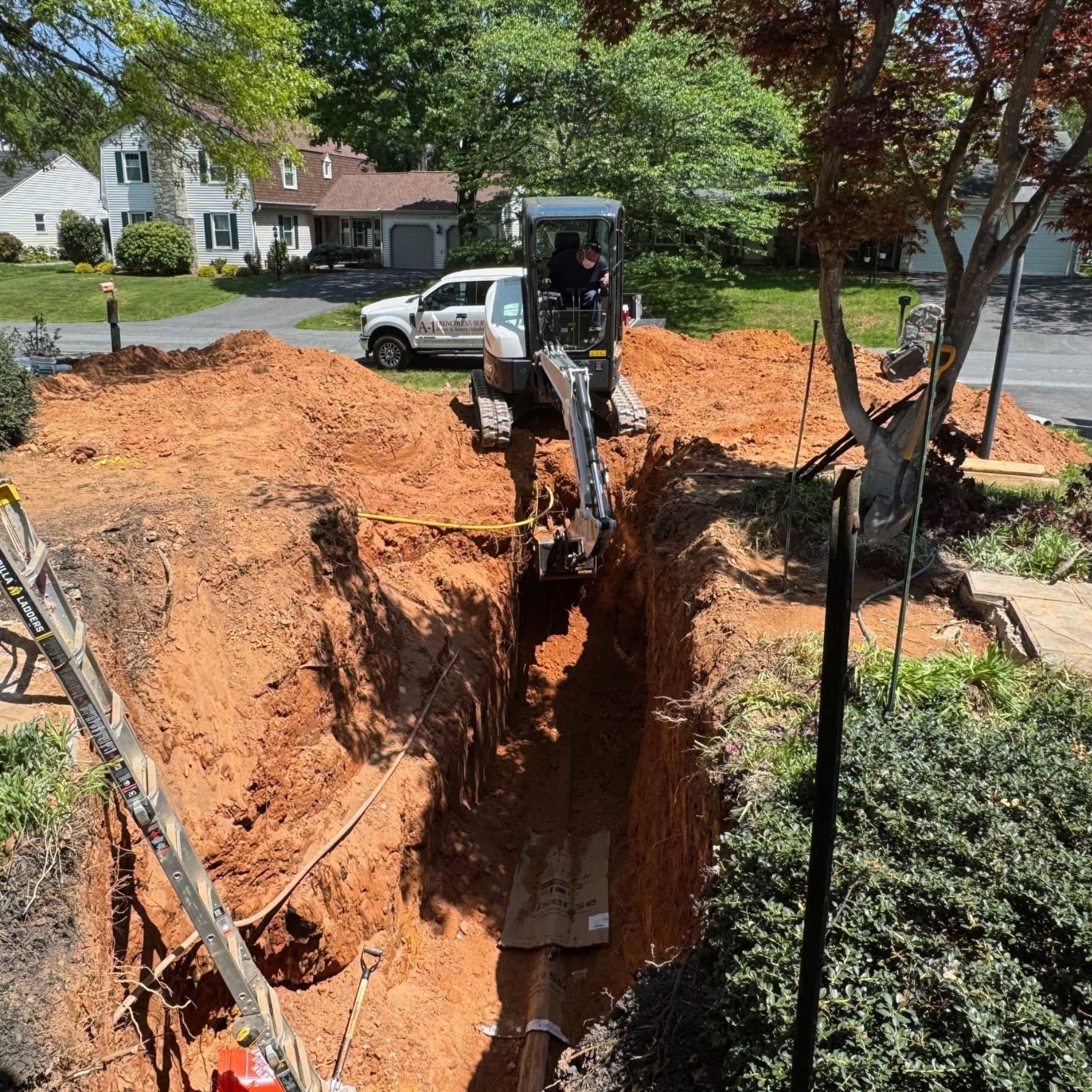
In many cases, this kind of inspection prevents unnecessary excavation. Instead of digging first and hoping for the best, the problem can be located, assessed, and matched with the right solution. That may be cleaning, descaling, spot repair, trenchless lining, pipe bursting, or full replacement depending on what the inspection shows.
Why early action can save the property and the budget
Sewer problems tend to become more expensive when they are ignored. What starts as a partial blockage can turn into an indoor backup. A crack can widen. Roots can thicken. Saturated soil can affect landscaping, pavement, or nearby structures.
Early action does not always mean a full replacement is needed. Sometimes a line can be restored with a less invasive option, especially when the damage is found before the pipe completely fails. That is one reason many property owners in Damascus and nearby areas call A-1 Trenchless Water & Sewer Repair Services LLC when the signs stop looking random and start looking connected.
The best time to act is when the evidence begins to repeat itself. If drains are slowing across the property, lower fixtures are backing up, sewer odors are showing up, or the yard is giving off warning signs, trust what you are seeing. A clear diagnosis now can protect your home, your schedule, and your next repair bill from getting a lot bigger.
First published . Written by the A-1 Trenchless team.