A sewer backup rarely starts with a dramatic warning. More often, it begins with a slow bathroom drain, a gurgling toilet, an odor near a floor drain, or a patch of unusually green grass over the sewer line. A preventive sewer maintenance checklist helps homeowners and property managers catch those early signals, reduce the risk of messy backups, and make informed repair decisions before a small issue disrupts the entire property.
For homes and commercial buildings in Damascus, Maryland, changing weather, mature trees, aging pipe materials, and everyday drain use can all put pressure on underground sewer systems. Regular attention does not eliminate every problem, but it gives you a much better chance of addressing trouble on your schedule instead of during an emergency.
Start With the Drains You Use Every Day
Your indoor fixtures provide some of the clearest clues about sewer line performance. Once a month, run water in sinks, tubs, showers, and utility basins, then watch how quickly each fixture drains. A single slow drain may be a local clog near that fixture. Several slow drains at once may point to a developing blockage farther down the main sewer line.
Pay attention to toilet behavior as well. Repeated bubbling, weak flushing, water rising before it drains, or gurgling when another fixture is running should not be ignored. These symptoms can occur when wastewater cannot move freely through the sewer line and air is being forced back through nearby plumbing fixtures.
Keep floor drains clear in basements, laundry rooms, mechanical rooms, and commercial spaces. Remove visible debris from the drain cover and pour water into drains that are rarely used. The water helps maintain the trap seal, which blocks sewer gases from entering the building. If an odor returns quickly, the trap may be dry, damaged, or connected to a larger drainage issue.
Keep Problem Materials Out of the Sewer
Many sewer problems are preventable because they begin inside the building. Grease, wipes, hygiene products, paper towels, dental floss, and heavy food waste can collect in pipes and create stubborn blockages. Even products labeled “flushable” may not break down reliably once they enter an older or partially obstructed sewer line.
In kitchens, let cooking grease cool in a disposable container rather than rinsing it down the sink. A garbage disposal can handle small food scraps, but it is not a substitute for proper disposal of grease, fibrous vegetables, coffee grounds, or large quantities of food waste. These materials can catch on buildup inside the line and make a partial blockage worse.
For commercial properties, establish clear disposal expectations for staff and tenants. Restaurants, salons, medical offices, rental properties, and multifamily buildings may need more frequent drain cleaning because of higher use or specialized waste streams. The right maintenance schedule depends on the property, the plumbing system, and the type of activity taking place inside.
Check the Outside Conditions Around the Sewer Line
A sewer line runs underground, so changes at the surface can provide valuable information. Walk the area where your sewer line likely travels from the building toward the street or septic connection. Look for wet spots during dry weather, sunken soil, unusually lush grass, sewage odors, or standing water. These conditions do not always confirm a broken pipe, but they deserve professional evaluation.
Tree roots are another common concern in established neighborhoods. Roots naturally seek moisture and can enter small openings at pipe joints, cracks, or weakened sections. Once roots reach the pipe, they can grow quickly and trap toilet paper, waste, and other debris. Cutting roots may restore flow temporarily, but the pipe still needs to be evaluated for cracks, offset joints, or other entry points.
Before planting a new tree or installing hardscaping, consider where underground utilities are located. A mature tree placed too close to the sewer route can create a long-term maintenance issue. Heavy vehicles, construction activity, and major grading changes can also affect shallow or aging pipes.
Schedule Professional Cleaning Before a Backup Happens
A professional drain cleaning or hydro jetting service can remove buildup that household cleaners cannot safely address. This is especially useful when drains have begun slowing down repeatedly, when a property has a history of root intrusion, or when a commercial kitchen produces grease-heavy wastewater.
Hydro jetting uses controlled high-pressure water to clear grease, scale, sludge, roots, and debris from the inside of a suitable pipe. It is not the right first step for every line. If a pipe is severely damaged, collapsed, or made from fragile material, a video inspection should come first. A trained technician can determine whether cleaning is appropriate and select a method that protects the system.
Avoid relying on chemical drain cleaners as a maintenance plan. They may not reach a main-line blockage, can damage certain pipes or fixtures, and may create safety concerns for anyone working on the plumbing afterward. Mechanical cleaning and camera-based diagnostics provide a clearer picture of what is actually happening in the line.
Use a Sewer Camera Inspection to Remove Guesswork
A sewer camera inspection is one of the most useful items on a preventive sewer maintenance checklist, particularly for older homes, recently purchased properties, buildings with recurring drain trouble, or sites with large trees. A specialized camera travels through the line and shows the technician the pipe’s condition from the inside.
The inspection can identify root intrusion, grease buildup, cracks, separated joints, bellies where water collects, corrosion, scaling, blockages, and collapsed sections. It also helps locate the issue accurately. That matters because digging without a clear diagnosis can waste time, increase costs, and disturb landscaping or pavement unnecessarily.
For a property with no symptoms and a newer sewer line, frequent camera inspections may not be necessary. For a home with cast iron, clay, Orangeburg, or older jointed pipe, periodic inspections can be a smart way to plan ahead. The right interval depends on the pipe’s age, material, prior repairs, tree coverage, and history of backups.
Watch for These Signs Between Maintenance Visits
Call for professional help promptly if you notice several fixtures draining slowly, wastewater backing up into a tub or shower, sewage odors indoors or outdoors, gurgling toilets, or water around a basement floor drain. These are often main sewer line warning signs, not simple fixture clogs.
Other concerns include recurring clogs in the same area, unexplained wet areas in the yard, rodents or insects appearing near a drain opening, and a sudden increase in water bills when a broken water line may also be involved. A fast diagnosis can limit property damage and help protect flooring, walls, landscaping, and business operations.
Do not wait for a complete backup if the pattern is getting worse. Temporary relief from plunging or snaking one drain does not necessarily solve a blockage farther down the system.
Build a Maintenance Record for Your Property
Keep a simple record of drain cleanings, camera inspections, repairs, backups, and unusual symptoms. Include the date, location of the issue, work performed, and any recommendations about pipe condition. This history is useful when comparing new symptoms to prior problems and can help future technicians diagnose the system faster.
For commercial and multifamily properties, designate one person to track maintenance records and report concerns early. A recurring issue in a single restroom, kitchen line, or tenant space can reveal a usage problem before it affects the main sewer connection.
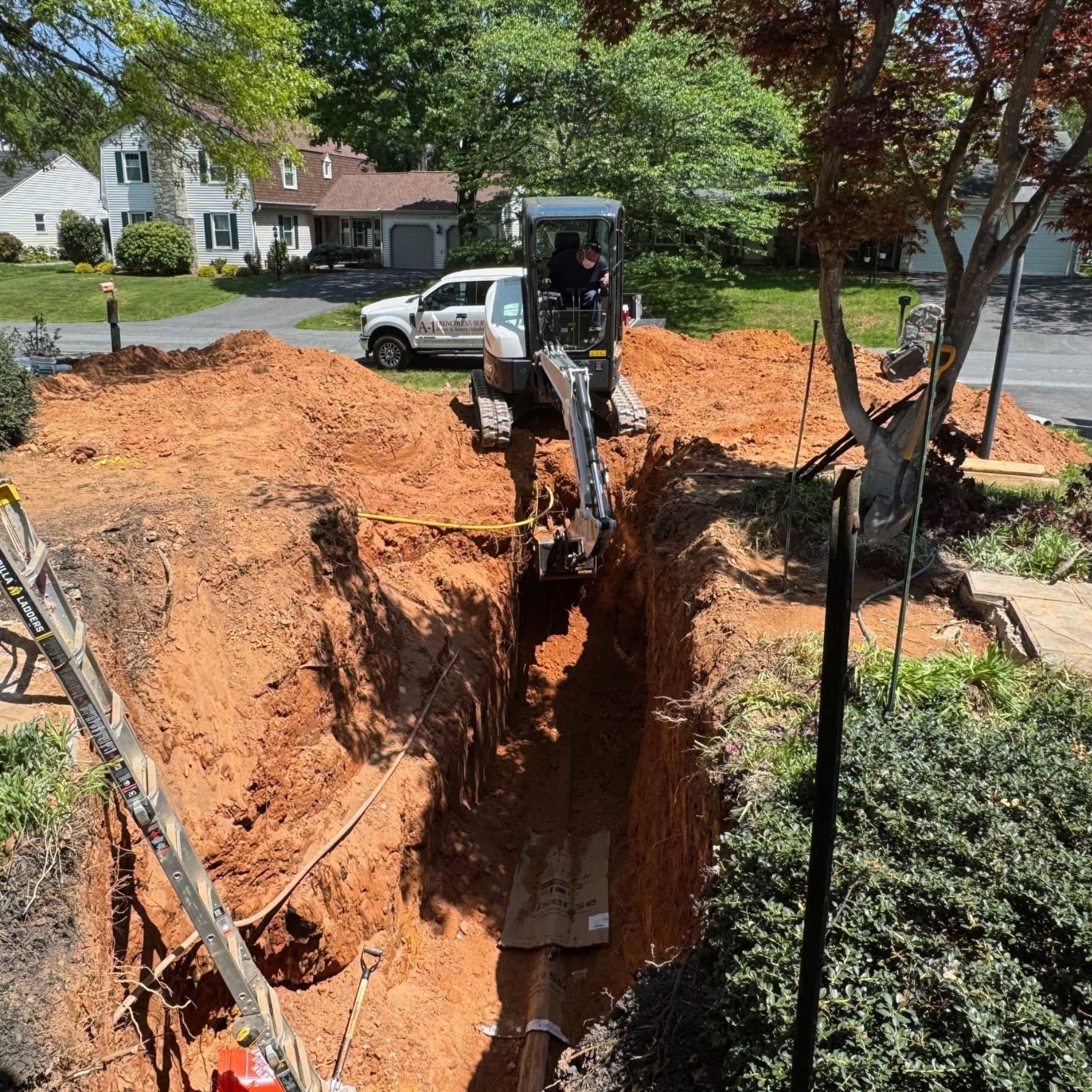
When a camera inspection shows a damaged section of pipe, ask whether repair can be completed with a trenchless method. In many situations, trenchless sewer repair or replacement can restore the line with less digging than conventional excavation. It depends on access, pipe depth, damage type, and the condition of the existing line, but it can be a practical option for protecting driveways, landscaping, patios, and other finished areas.
A Practical Year-Round Schedule
Monthly, check drains, toilets, and floor drains for slow flow, odors, or gurgling. Every season, inspect the yard for wet spots, settling soil, or signs of root activity near the sewer route. Schedule professional cleaning when recurring buildup or slow drainage appears, rather than waiting for wastewater to come back into the building.
Plan a camera inspection after a backup, before buying an older property, before a major renovation, or when the sewer line has a known history of roots or repairs. A-1 Trenchless Water & Sewer Repair Services can inspect the line, explain what the camera finds in plain language, and recommend the repair or maintenance approach that makes sense for your property.
The best time to deal with a sewer line concern is when it is still a concern, not when it has become a cleanup project. A few routine checks and a timely professional inspection can keep wastewater moving where it belongs and give you more control over your next repair decision.
First published . Written by the A-1 Trenchless team.