A sink that starts draining slowly in the morning can turn into a full backup by dinner. That is why knowing the best ways to unclog pipes matters, not just for convenience, but for protecting your home from water damage, bad odors, and larger sewer problems.
Some clogs are simple and close to the drain opening. Others are deeper in the line and keep coming back because the real issue was never removed. The right fix depends on what is causing the blockage, where it is located, and how severe it has become.
Best ways to unclog pipes without causing damage
When a pipe clogs, many property owners reach for the strongest chemical they can find. That can make the situation worse. Harsh drain cleaners may damage older pipes, create safety risks, and still leave part of the blockage behind. A better approach is to start with methods that are effective but less likely to harm your plumbing system.
For minor clogs in sinks, tubs, or showers, hot water and dish soap can sometimes loosen grease or soap buildup. This works best when the blockage is soft and recent. It is less effective for hair, wipes, or heavy sludge further down the line.
A plunger is still one of the most dependable first steps. Used correctly, it creates pressure that can break up a clog or move it forward. The key is getting a tight seal and using steady force instead of a few quick pushes. For bathroom fixtures, a small sink plunger often works better than a larger toilet plunger.
If plunging does not solve it, removing and cleaning the drain trap is often the next practical step for a sink. Many kitchen sink clogs sit in the curved section of pipe below the drain. Grease, food particles, and debris collect there over time. Cleaning the trap can restore flow quickly, but it should be done carefully to avoid spills and improper reassembly.
A hand auger or drain snake is another solid option when the clog is deeper than the trap. This tool can reach farther into the line and pull back hair, sludge, or compacted debris. It takes a little patience. If forced too aggressively, it can scratch fixtures or damage pipe connections, especially in older systems.
When the best ways to unclog pipes are not enough
A one-time clog is frustrating. A clog that comes back every few weeks usually points to a bigger issue. That is where many DIY fixes fall short.
If multiple drains are slow at the same time, the problem may not be in one sink or tub. It may be in the main drain or sewer line. If a toilet bubbles when a sink drains, or water backs up in a shower when the washing machine runs, those are warning signs that the blockage is deeper in the system.
Tree root intrusion, pipe scale, collapsed lines, grease buildup, and sewer bellies are not problems a plunger can solve. In those cases, the goal is not just to poke a hole through the clog. The goal is to fully diagnose the cause and clear the line without creating more damage.
That is why recurring drain issues should be taken seriously. Waiting too long can lead to sewage backups, ruined flooring, foul odors, and more expensive repairs.
Which unclogging method works best for each type of blockage
Different clogs respond to different solutions. Grease in a kitchen line behaves differently from hair in a shower drain or roots in a sewer pipe.
For kitchen sinks, grease and food waste are common causes. Hot water, dish soap, and careful plunging may help with early buildup. If the pipe has years of residue inside, though, a temporary opening may only buy a little time.
For bathroom sinks and tubs, hair and soap scum are usually the issue. Removing the stopper and using a small drain snake often works better than chemicals. Many clogs in these fixtures are close enough to reach without invasive work.
For floor drains, laundry drains, and main line problems, professional equipment is often the best choice. These lines tend to collect sludge, lint, grease, and heavy debris that simple tools cannot remove completely.
Toilets are a separate category. A flange plunger or toilet auger is usually safer than experimenting with makeshift tools. If the toilet backs up repeatedly, the issue may be beyond the fixture itself.
Professional drain cleaning vs temporary DIY fixes
There is nothing wrong with trying a safe, basic fix first. The problem is assuming a slow drain is solved just because water starts moving again.
Many DIY methods create a narrow path through the blockage instead of removing it. That means grease stays on the pipe wall, roots remain in the line, or sludge continues collecting until the drain closes up again. A temporary improvement can hide a growing issue.
Professional drain cleaning is different because it is designed to restore proper flow, not just create a small opening. Depending on the condition of the pipe and the type of blockage, a plumber may recommend cabling, hydro jetting, descaling, or a camera inspection.
A video inspection is especially valuable when the cause is unclear. Instead of guessing, the technician can see whether the line is blocked by roots, buildup, damage, or a structural defect. That saves time and helps avoid unnecessary work.
Hydro jetting is one of the most effective methods for serious buildup in drain and sewer lines. It uses high-pressure water to clean the interior walls of the pipe, clearing grease, sludge, and debris more thoroughly than many basic snaking methods. It is not right for every pipe condition, which is why inspection matters first.
Pipe descaling may be the better solution when older lines have heavy mineral or corrosion buildup inside. In those cases, the issue is not a soft clog but a reduced pipe opening caused by years of accumulation.
Signs it is time to call a professional
Some drain problems should not wait. If sewage is backing up, water is rising in more than one fixture, or you smell persistent sewer gas, it is time for expert help.
You should also call a professional if you have already tried safe DIY steps and the clog returns quickly. Repeated backups usually mean the underlying problem is still in the line. Continuing to use chemicals or force tools deeper can make repair more difficult.
Older homes deserve extra caution. Aging pipes may be more fragile, more corroded, or already compromised by shifting soil and root growth. Aggressive store-bought solutions can do more harm than good.
For commercial properties and multi-fixture buildings, fast diagnosis is even more important. A blocked line can interrupt operations, create sanitation issues, and affect multiple occupants at once. In those situations, advanced equipment and a quick response matter.
How to prevent future pipe clogs
The best repair is the one you never need. Good drain habits make a real difference, especially in kitchens and bathrooms where buildup happens gradually.
Avoid pouring grease, oil, or food scraps down kitchen drains. Use drain screens where hair and debris are common. Flush only toilet paper, and keep wipes and hygiene products out of the system even if packaging says flushable.
If a property has a history of recurring drain issues, periodic maintenance can be the smarter move than waiting for another backup. Cleaning the line before it fully clogs can reduce emergency calls, property damage, and disruption.
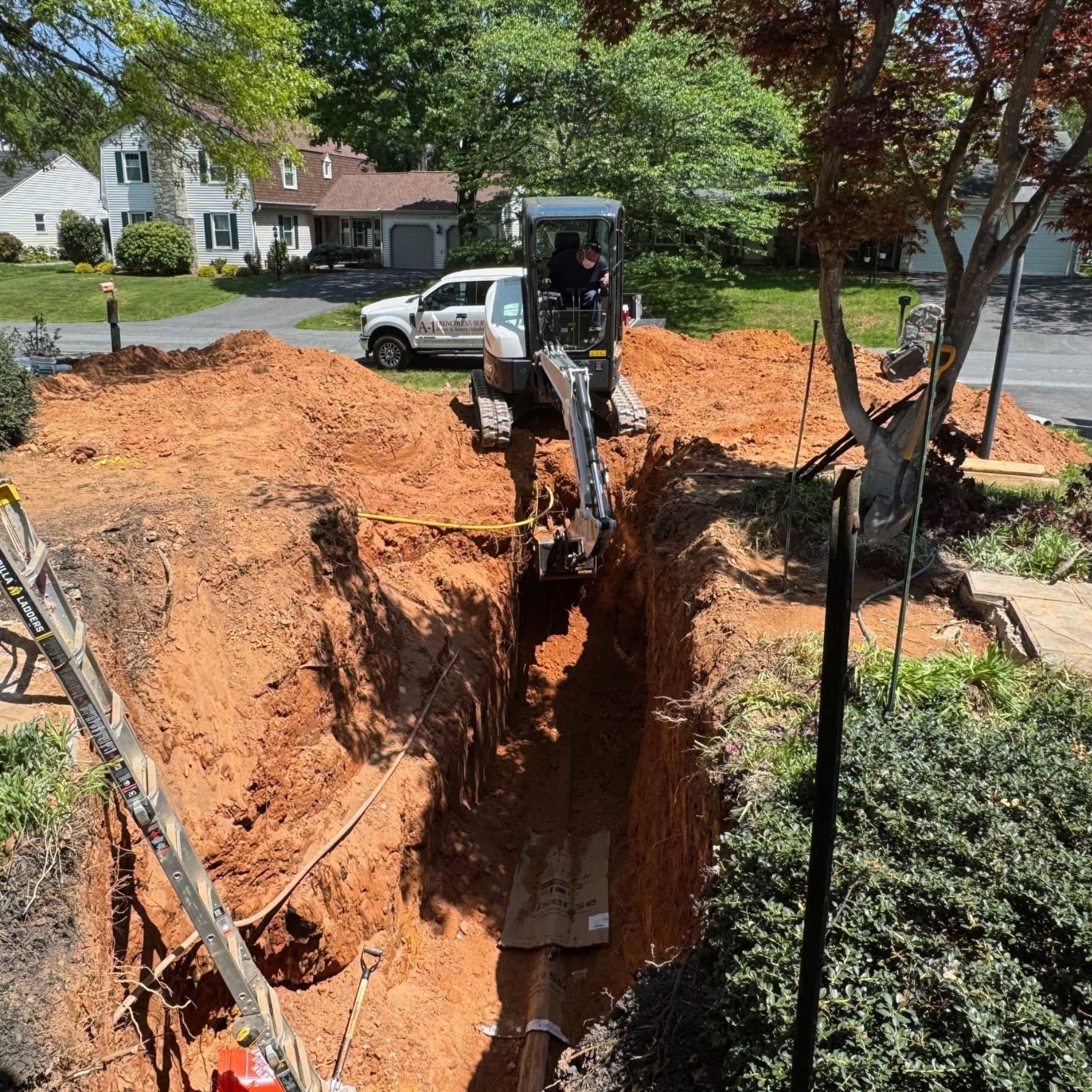
For homes and buildings with older sewer lines, a camera inspection can provide peace of mind. It helps identify whether the issue is simple buildup or something more serious like roots, cracks, or a failing pipe. Companies such as A-1 Trenchless Water & Sewer Repair Services LLC use that kind of technology to pinpoint the problem and recommend the least disruptive fix.
The best ways to unclog pipes are the ones that solve the actual problem without creating a new one. Sometimes that means a plunger and a little patience. Sometimes it means professional cleaning, inspection, or repair before a minor blockage becomes a major mess. If your drains are sending warning signs, paying attention early is often the fastest and most affordable path back to normal.
First published . Written by the A-1 Trenchless team.