A sink that takes forever to empty usually does not stay a small problem for long. Drain cleaning for slow drains is often the difference between a minor service call and a full backup that interrupts your home or business. If water is pooling around your feet in the shower, rising in the kitchen sink, or draining sluggishly from more than one fixture, the issue is already affecting how your plumbing system performs.
Slow drains are easy to ignore because they still seem to be working. That is what makes them expensive. A partial blockage tends to collect more debris over time, which increases pressure inside the line, traps odors, and raises the chance of a complete stoppage. In some cases, a slow drain is not just a local clog near one fixture. It can point to buildup deeper in the drain line or an early sewer line problem that needs a closer look.
What causes slow drains in the first place?
Most slow drains start with everyday buildup. In bathrooms, that usually means soap residue, hair, toothpaste, and grooming products clinging to the inside of the pipe. In kitchens, grease, food particles, coffee grounds, and starchy residue are common causes. Floor drains and utility sinks often collect sediment, dirt, and cleaning debris that harden over time.
The location of the blockage matters. A clog near the drain opening may respond to basic cleaning. A clog farther down the branch line often needs professional equipment to clear it fully. Then there are system-wide issues, such as scale inside older pipes, bellied lines, root intrusion, or deteriorating sewer pipes. Those problems can start by looking like a simple slow drain, even when the real cause is much bigger.
That is why the right fix depends on what is actually happening inside the line. Pouring one more bottle of chemical cleaner into the drain may seem faster, but it does not tell you whether the pipe is coated with grease, narrowed by corrosion, or blocked by roots outside the building.
When drain cleaning for slow drains is a simple fix
There are times when a slow drain is isolated and manageable. If one bathroom sink is draining slowly and everything else in the home is normal, the problem may be limited to the stopper assembly or the short section of pipe directly below the fixture. The same is true for a tub or shower slowed by surface hair buildup.
In those cases, removing visible debris, cleaning the trap if it is accessible, or using a basic hand auger can help. Hot water and dish soap may loosen fresh grease in a kitchen line, though that works best early on before buildup hardens. The key is to be realistic. If the drain improves for a day and then slows again, the blockage is probably not fully removed.
A temporary improvement is one of the clearest signs that the clog is deeper or heavier than it appears. That is where professional drain cleaning makes sense, because it addresses the material stuck to the pipe walls instead of just punching a small hole through it.
Signs you need professional drain cleaning for slow drains
A slow drain becomes a service issue when the symptoms point beyond a simple surface clog. If more than one fixture is draining slowly, if you hear gurgling sounds after running water, or if sewer odors are starting to show up, there may be a restriction in the main drain line.
Recurring slow drains are another warning sign. If you have cleared the same sink, tub, or floor drain more than once, the root problem likely remains in place. Water backing up into a lower-level drain when an upstairs fixture is used is especially serious. That can indicate a main line obstruction or reduced flow capacity in the sewer system.
Commercial properties often see the same pattern in a different form. A break room sink that drains slowly, a restroom with repeated backups, or a floor drain that never seems to clear can affect daily operations quickly. In those settings, fast diagnosis matters because plumbing downtime can disrupt employees, customers, and building maintenance schedules.
Why store-bought drain cleaners are a gamble
Chemical drain cleaners promise quick results, but they come with trade-offs. Some products generate heat or contain harsh ingredients that can be hard on older pipes, certain joints, and repeated problem areas. They may also sit in standing water without fully reaching the obstruction, which means you end up with a clogged line and harsh chemicals still trapped in the plumbing.
They also do very little for grease-coated pipes, heavy scale, or root intrusion. Even when they open a narrow path, they rarely clean the line completely. That partial opening can make it seem like the issue is solved when the buildup is still there, waiting to catch more debris.
For property owners who want a reliable fix, professional methods are safer and more accurate because the line can be assessed and cleaned based on the actual condition of the pipe.
How professional drain cleaning works
Professional drain cleaning starts with the symptom, but it should not stop there. A trained plumber looks at which fixtures are affected, how long the issue has been happening, and whether there are signs of a deeper sewer problem. From there, the right equipment can be selected.
A drain snake or cable machine is often used to break through localized clogs and restore flow. This can be effective for hair, paper buildup, and compacted debris in branch lines. For thicker residue, grease, sludge, and mineral buildup, hydro jetting may be the better option. Hydro jetting uses high-pressure water to scour the inside of the pipe, removing debris from the walls instead of leaving it behind.
In older systems or lines with signs of damage, a video camera inspection can be the most valuable step. It shows whether the pipe is narrowed by scale, cracked, offset, or invaded by roots. That matters because cleaning a damaged line without identifying the damage can lead to repeat service calls and continued disruption.
At A-1 Trenchless Water & Sewer Repair Services LLC, this kind of diagnosis-driven approach matters because not every slow drain needs the same tool, and not every clog is just a clog.
Hydro jetting vs snaking for slow drains
This is where it depends on the condition of the line. Snaking is usually faster for a straightforward blockage and can restore flow effectively when the obstruction is concentrated in one spot. It is a practical first step when the line is otherwise in decent shape.
Hydro jetting is stronger when the problem is buildup along the full interior of the pipe. Grease lines, recurring kitchen drain issues, and sludge-heavy commercial lines often benefit more from jetting because it cleans more thoroughly. It can also help prepare a line for camera inspection or ongoing maintenance.
That said, hydro jetting is not automatically the right answer for every pipe. If a line is fragile, collapsed, or badly deteriorated, the pipe condition should be evaluated first. This is why professional inspection matters. The goal is not just to clear the line today. It is to choose a method that solves the problem without creating a bigger one.
Slow drains can point to sewer line trouble
One of the most common mistakes property owners make is treating every slow drain like a small indoor clog. If the issue affects multiple fixtures, returns after cleaning, or comes with odors and backups, the sewer line should be considered.
Roots are a frequent cause in underground lines, especially in older properties. Pipe scale and corrosion can narrow the interior diameter so much that normal household waste and water struggle to pass. In some cases, a sag in the line allows debris to collect in one low spot. None of these problems are solved by basic drain cleaner from a hardware store.
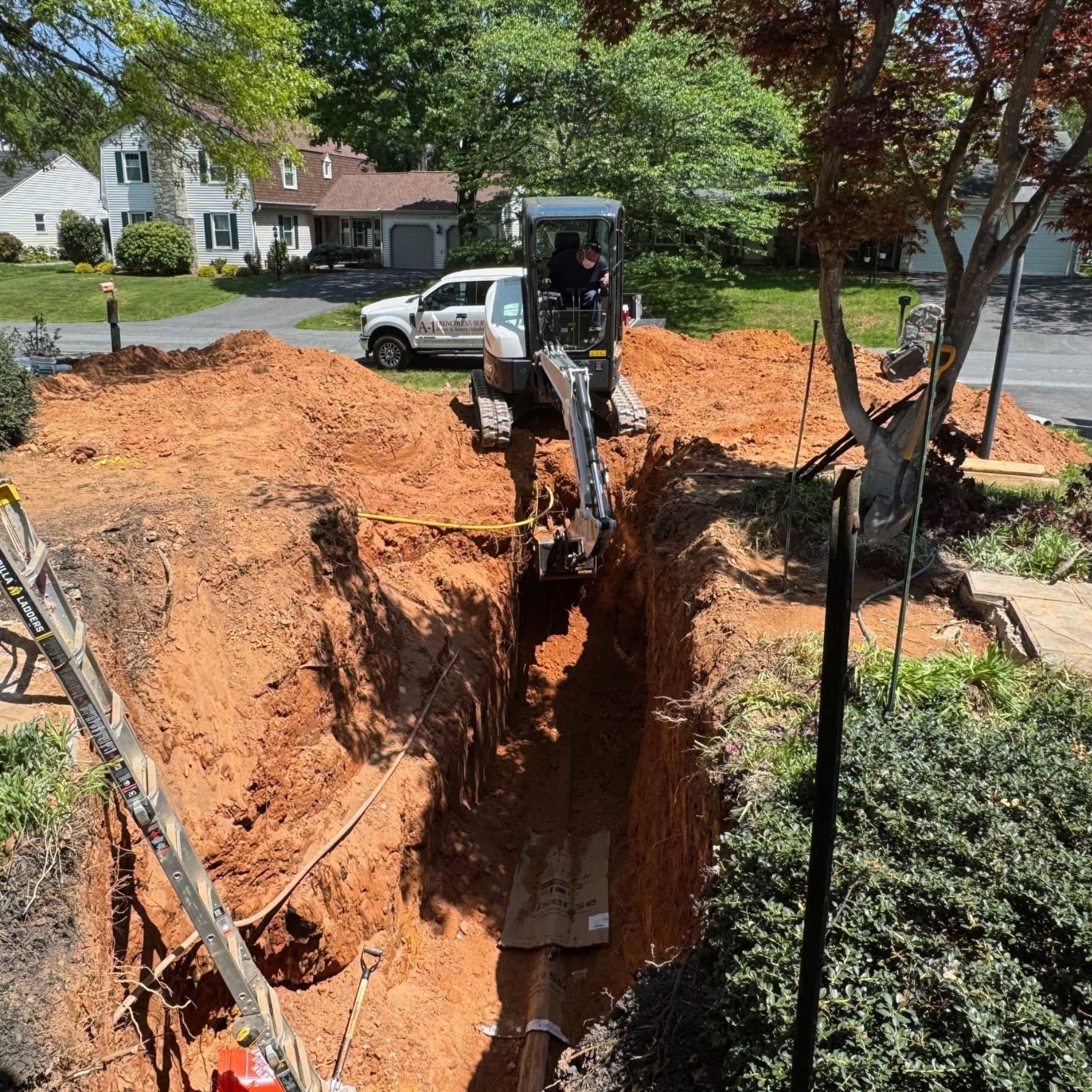
This is also where minimally invasive repair options can make a real difference. If inspection finds a damaged sewer line, trenchless repair or replacement may restore performance with far less disruption to landscaping, pavement, or daily property use than traditional excavation.
How to keep drains moving after service
Once a drain is professionally cleaned, maintenance matters. Kitchen drains benefit from keeping grease, oils, and food solids out of the sink. Bathroom drains last longer when hair is caught before it enters the pipe. Flushing only toilet paper and human waste is still one of the simplest ways to prevent recurring drain issues.
For some homes and many commercial properties, periodic maintenance cleaning is worth considering. That is especially true for buildings with older pipes, high usage, or a history of recurring slow drains. Scheduled cleaning can cost far less than emergency service after a major backup.
The main thing to remember is that slow drainage is early warning, not a harmless inconvenience. The sooner the cause is identified, the more options you usually have for fixing it cleanly and affordably.
If your drains are getting slower, the smart move is not to wait for a full stoppage. A clear answer today can protect your pipes, your property, and your schedule tomorrow.
First published . Written by the A-1 Trenchless team.