A drain problem used to mean a lot of guessing. A technician might know there was a blockage somewhere in the line, but not exactly what caused it, how far it had spread, or whether the real issue was buildup, root intrusion, or a damaged pipe. Today, drain cleaning technology trends are changing that. The biggest shift is simple, better tools now help contractors find the real problem faster, clear it more effectively, and avoid unnecessary digging or repeat service calls.
For homeowners and property managers, that matters because drain issues rarely stay small for long. A slow kitchen sink can point to grease buildup in a branch line. Recurring backups in a lower-level bathroom may signal a deeper sewer line problem. When the right technology is used early, the work is usually cleaner, faster, and less disruptive to the property.
Why drain cleaning technology trends matter
The most useful changes in drain service are not about flashy equipment. They are about accuracy, speed, and protecting the pipe while restoring flow. Older methods often relied heavily on mechanical force alone. That still has a place, but modern drain cleaning is moving toward a more targeted approach.
Instead of treating every clog the same way, contractors can now match the method to the condition of the pipe. That distinction matters. A soft grease blockage in a kitchen line should not be handled the same way as scale buildup in an older cast iron pipe. Tree roots in a sewer lateral call for a different plan than wipes and paper packed into a commercial drain. Better technology leads to better decisions, and better decisions usually mean fewer callbacks and longer-lasting results.
Camera inspections are now part of the cleaning process
One of the clearest drain cleaning technology trends is the routine use of sewer and drain cameras before and after clearing a line. This is more than a nice extra. It changes the quality of the diagnosis.
A video inspection can show whether a line is blocked by grease, roots, sludge, scale, offset joints, or a broken section of pipe. It can also reveal whether the drain has been fully cleaned or if a heavy layer of buildup remains on the pipe walls. Without that visual confirmation, a line may seem open for the moment but still be one heavy use day away from backing up again.
For customers, camera work helps remove the guesswork. You get a clearer explanation of what is happening underground and why a certain solution is being recommended. In many cases, it also helps avoid unnecessary repairs. If the pipe is structurally sound and only needs cleaning or descaling, that is a very different situation than a line with a collapse or major separation.
Better imaging means better decisions
Camera equipment has improved in image quality, maneuverability, and locating capability. That allows technicians to identify problem spots more precisely and trace where they sit under the yard, driveway, slab, or parking area. When a repair is needed, that precision can reduce excavation and shorten the job.
Hydro jetting continues to gain ground
If one technology has become a leading answer for heavy drain buildup, it is hydro jetting. This method uses high-pressure water to cut through sludge, grease, soap residue, and even root intrusion in certain conditions. It does more than poke a hole through a clog. It cleans the inside walls of the pipe.
That difference is a major reason hydro jetting remains one of the strongest trends in the industry. A cable machine can often reopen a drain, but it may leave a lot of material behind. Hydro jetting is designed to flush that buildup out of the system rather than simply create enough room for water to pass.
For restaurants, commercial properties, and homes with recurring grease or sludge issues, that can be a big advantage. It often provides a more complete cleaning and may reduce the frequency of future backups. Still, hydro jetting is not the answer in every case. Older or damaged pipes need to be evaluated first, because high pressure should be used with care when the line is already compromised.
Pipe descaling is becoming more common in older systems
In areas with aging cast iron lines, another important trend is pipe descaling. Over time, corrosion and mineral buildup can narrow the inside diameter of a drain and catch debris that should be flowing out. Homeowners may notice slow drains, repeat blockages, foul odors, or backups that never seem fully resolved.
Descaling addresses the buildup attached to the pipe walls, not just the immediate clog. This can be especially valuable in older homes and commercial buildings where years of internal roughness have turned the pipe into a debris trap.
The trade-off is that descaling needs a careful approach. If a pipe is severely deteriorated, cleaning away heavy scale may reveal how weak the pipe really is. That is not a reason to avoid inspection or cleaning. It is a reason to use experienced professionals who can assess whether the line is a good candidate for descaling, cleaning, repair, or replacement.
Smarter locating tools reduce disruption
Drain service is not only about what happens inside the pipe. Another major shift is the way technicians identify the exact path and depth of underground lines. Modern locating equipment helps pinpoint where a blockage, break, belly, or root intrusion is occurring.
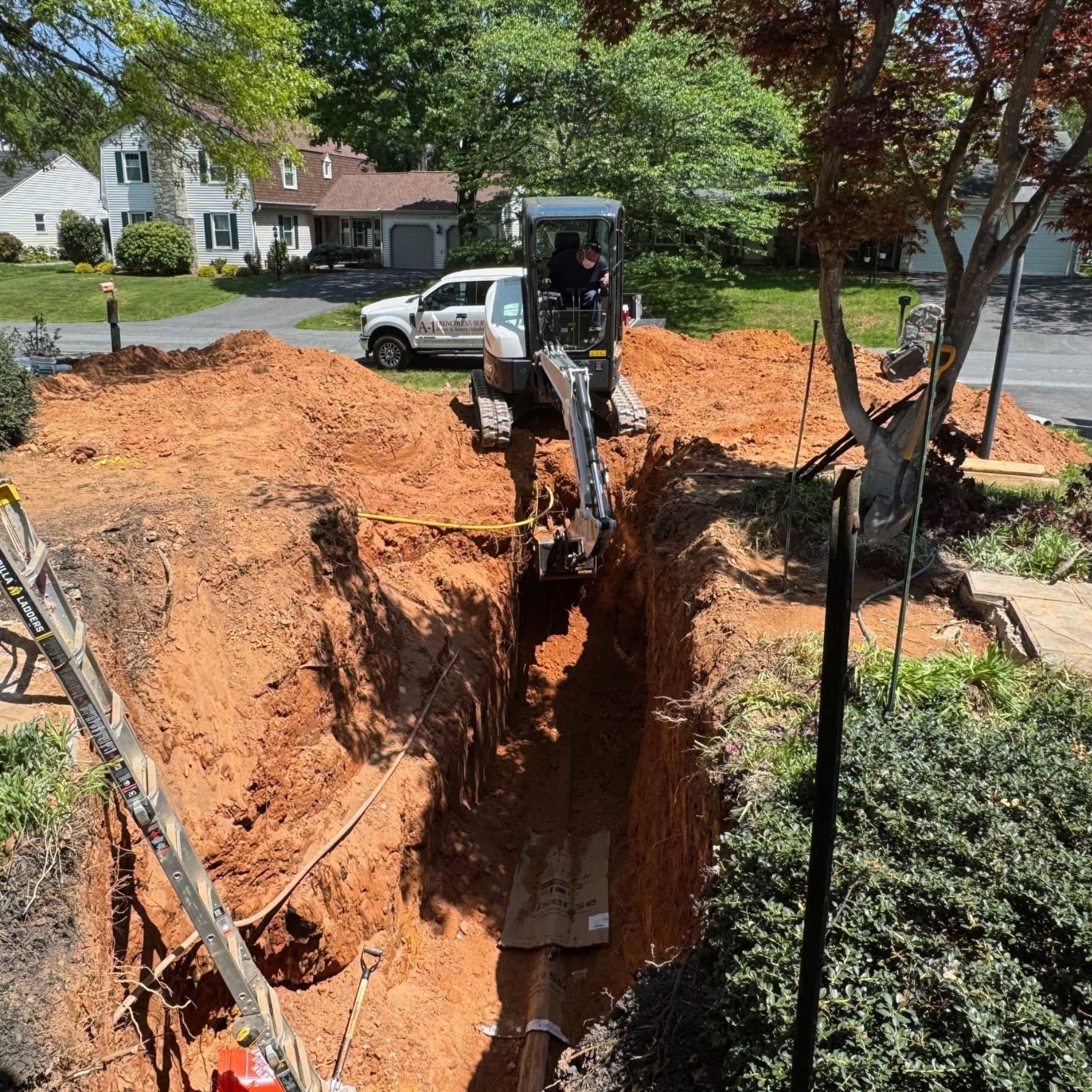
That matters when a line needs repair or when recurring drain issues suggest a deeper problem in the sewer system. Better locating can mean smaller access points, less damage to landscaping, and more accurate planning for trenchless or conventional repair work. For property owners, this is one of the most practical benefits of current technology. Less guesswork above ground usually means less disruption and less unnecessary cost.
Data-driven maintenance is growing in commercial settings
For commercial buildings, multifamily properties, and municipal systems, preventive maintenance is becoming more strategic. Instead of waiting for an emergency backup, many property managers are using scheduled inspections and cleaning based on line use, history, and condition.
This is one of the quieter drain cleaning technology trends, but it is important. Camera records, repeat service data, and maintenance intervals can help identify which lines need regular jetting, which ones are developing scale, and which may need repair planning before a failure causes downtime.
For a business, that can protect operations. For a facility manager, it can support budgeting and reduce emergency calls. It also helps shift drain care from reactive to planned, which is usually less expensive over time.
Cleaning and repair are becoming more connected
Another industry change is the closer connection between diagnostics, cleaning, and trenchless repair. In the past, these services were often treated as separate steps handled with less coordination. Now the best providers use each one to inform the next.
A camera inspection may show that a clog was caused by roots entering through a crack. Clearing the roots solves the immediate backup, but the camera also confirms that the line needs repair to prevent the problem from returning. In another case, hydro jetting may restore a pipe well enough that trenchless lining becomes a viable option without major excavation.
This connected approach saves time and often leads to more durable results. It also gives customers a clearer path forward. Instead of hearing only that the drain is open again, they learn whether the issue was temporary buildup or a sign of pipe failure.
What property owners should expect from modern drain service
The biggest benefit of these trends is not the equipment itself. It is the level of confidence that comes with a more accurate diagnosis and a more complete solution. A modern drain service call should do more than provide short-term relief. It should identify the cause, explain the condition of the line, and recommend the right next step based on what is actually found.
That may mean simple cleaning. It may mean hydro jetting, descaling, spot repair, or planning for trenchless sewer work. It depends on the age of the system, the material of the pipe, the severity of the blockage, and whether the issue is isolated or part of a larger problem.
For homeowners and commercial clients in the Damascus area, A-1 Trenchless Water & Sewer Repair Services LLC sees this firsthand. The customers who get the best long-term outcomes are usually the ones who address recurring drain issues with the right diagnostics early, before a backup turns into property damage or a larger sewer repair.
If your drains are slowing down, backing up, or needing frequent clearing, the most useful trend to pay attention to is this one, the best drain cleaning today is not based on guesswork. It is based on seeing the problem clearly, choosing the right method for the pipe, and fixing what is actually causing the trouble.
First published . Written by the A-1 Trenchless team.