A drain that keeps backing up is frustrating. A sewer line problem you cannot see is worse, because guessing at the cause can waste time, money, and a lot of yard. That is why a guide to sewer camera inspections matters for homeowners and property managers who want answers before approving a repair.
A sewer camera inspection is one of the fastest ways to see what is happening inside an underground drain or sewer line. Instead of digging first and hoping for the best, a trained technician feeds a specialized waterproof camera through the pipe to locate damage, buildup, blockages, or connection issues. It gives you a clearer picture of the problem and helps your plumbing contractor recommend the right fix with less guesswork.
What a guide to sewer camera inspections should explain
At its core, a sewer camera inspection is a diagnostic service. A flexible cable with a small high-resolution camera is inserted into the line through an access point such as a cleanout. As the camera moves through the pipe, the technician watches a live video feed to identify what is restricting flow or damaging the line.
This process is useful because many sewer problems look the same from above ground. Slow drains, sewage odors, gurgling toilets, recurring backups, and wet spots in the yard can all point to different issues. A camera inspection helps separate a simple clog from a cracked pipe, root intrusion, a sagging section, grease buildup, or a collapsed line.
For property owners, that clarity matters. You are not paying for a repair based on assumptions. You are paying for a repair based on visible evidence.
What sewer camera inspections can find
Most people call for an inspection because something is already wrong, but the value goes beyond finding one blockage. A properly performed inspection can reveal several kinds of trouble inside the line.
Tree root intrusion is a common one, especially in older neighborhoods where roots work their way into joints or small cracks. Even a minor entry point can turn into a major obstruction over time. Grease, sludge, scale, and debris buildup are also frequent causes of slow drainage and repeated clogs.
A camera can also show structural problems. That may include cracked pipe walls, offset joints, corrosion, bellied sections where water collects, or complete collapses. In some cases, the inspection reveals that the line material itself is reaching the end of its useful life. That changes the conversation from another cleaning visit to a more durable repair or replacement plan.
There is one trade-off to understand. A camera shows the interior condition of the pipe, but it does not always measure every issue by itself. If a line has standing water, for example, the camera may show there is a belly in the pipe without fully defining its depth or length. In those cases, the inspection may need to be paired with locating equipment or additional diagnostics.
When to schedule a sewer camera inspection
You do not need to wait for a full sewage backup to have your line inspected. In fact, waiting usually makes the repair more disruptive and more expensive.
If multiple drains in the building are slow, if backups keep returning after snaking, or if there is a sewage smell near drains or outdoors, a camera inspection is a smart next step. It is also a good idea before purchasing an older home, after major root problems, or before approving sewer line repair work that would otherwise require excavation.
Commercial properties and multi-unit buildings often benefit from scheduled inspections as part of maintenance planning. A facility manager does not want to discover a failing sewer line during business hours or after a tenant complaint. Seeing the condition early makes budgeting and scheduling easier.
Another common use is after cleaning services like hydro jetting or descaling. Once the buildup is removed, the camera can confirm whether the line is structurally sound or whether hidden damage was underneath the debris all along.
What to expect during the inspection
For most residential properties, the process is straightforward. The technician identifies the best access point, inserts the camera, and follows the path of the line while reviewing the live feed. If the system allows, the location and depth of problem areas can often be marked from above ground.
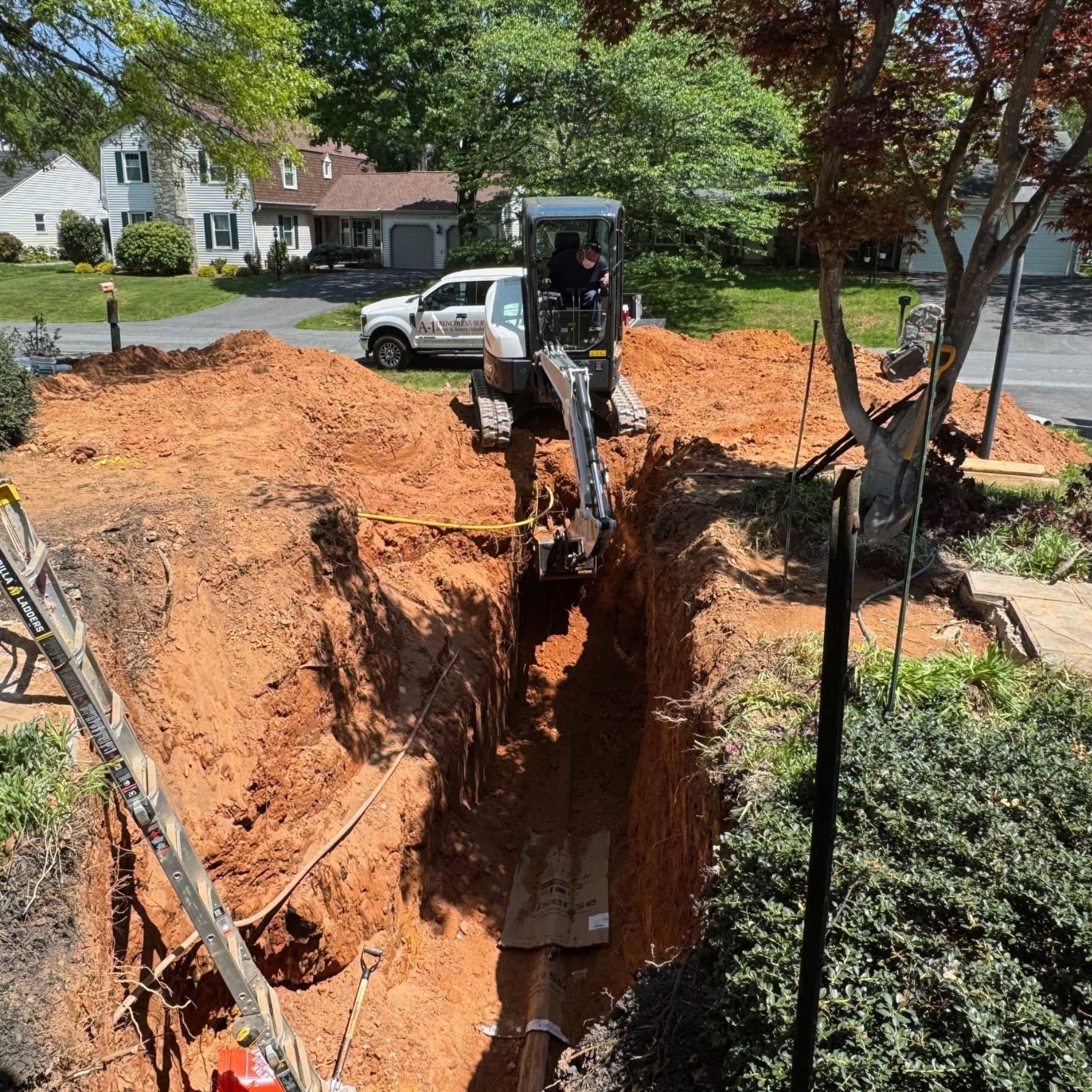
In many cases, the inspection can be completed without digging at all. That is one reason camera technology has become such a practical tool. It supports faster decisions, protects landscaping when possible, and reduces the risk of opening up the wrong section of yard or pavement.
The inspection itself is not always the repair. Sometimes the line needs cleaning before the camera can pass through or before the technician can get a clear view. Heavy grease, wipes, roots, or debris may need to be removed first. That does not mean the camera was unnecessary. It means the inspection is part of a smart process rather than a stand-alone magic fix.
How camera inspections help you choose the right repair
A major benefit of a sewer camera inspection is that it helps match the repair method to the actual condition of the pipe. That matters because not every sewer problem needs the same solution.
If the issue is localized root intrusion or buildup, hydro jetting or mechanical cleaning may restore proper flow. If the camera shows cracks, separated joints, or recurring intrusion in one section, spot repair may make more sense. If the line has widespread deterioration, trenchless replacement or lining may offer a longer-term answer with less disruption than traditional excavation.
This is where experience matters. A camera image alone does not solve the problem. It still takes a trained professional to interpret what the footage means, explain your options clearly, and recommend a fix that fits the condition of the line, the property layout, and your budget.
For example, a trenchless approach can save landscaping and shorten the timeline, but it depends on the pipe condition and access. In other situations, conventional excavation is still the better route. A dependable contractor should tell you that honestly instead of pushing one method for every job.
Why this service often saves money
Some property owners hesitate to pay for diagnostics because they want to get straight to the repair. That instinct is understandable, especially during a stressful plumbing problem. But skipping the inspection often costs more.
Without a camera, the repair path may be based on symptoms instead of facts. That can lead to repeated drain cleaning when the real problem is a broken pipe. It can lead to unnecessary excavation when the issue could have been handled in a less invasive way. It can also lead to partial repairs that leave a second problem untouched farther down the line.
A camera inspection improves accuracy. Accuracy helps control labor, reduces avoidable property damage, and gives you stronger confidence that the recommended work addresses the real source of the trouble.
For homeowners in Damascus and surrounding areas, that practical value is one reason companies like A-1 Trenchless use camera inspections as part of a more efficient diagnostic and repair process. When the goal is fast service with less disruption, seeing inside the pipe first is the smart place to start.
Choosing a contractor for sewer camera inspections
Not all inspections deliver the same value. The equipment matters, but the operator matters just as much. You want a licensed and insured plumbing professional who can explain what the camera is showing in plain language, identify the likely cause of the issue, and connect those findings to a realistic repair plan.
It also helps to work with a company that handles both diagnostics and repair. If the inspection reveals a blockage, root problem, corroded pipe, or failed sewer section, the next step should be clear. You should not be left with vague footage and no practical direction.
Look for a contractor that respects your property, communicates clearly about timing and cost, and understands both trenchless and conventional repair options. That combination usually leads to better recommendations because the contractor is not limited to one tool or one approach.
Sewer problems are stressful enough without added uncertainty. A camera inspection gives you a direct look at what is happening underground, and that makes every next step easier to plan. When you are dealing with recurring drain issues, backups, or signs of sewer line failure, the best move is not to guess better. It is to see better.
First published . Written by the A-1 Trenchless team.