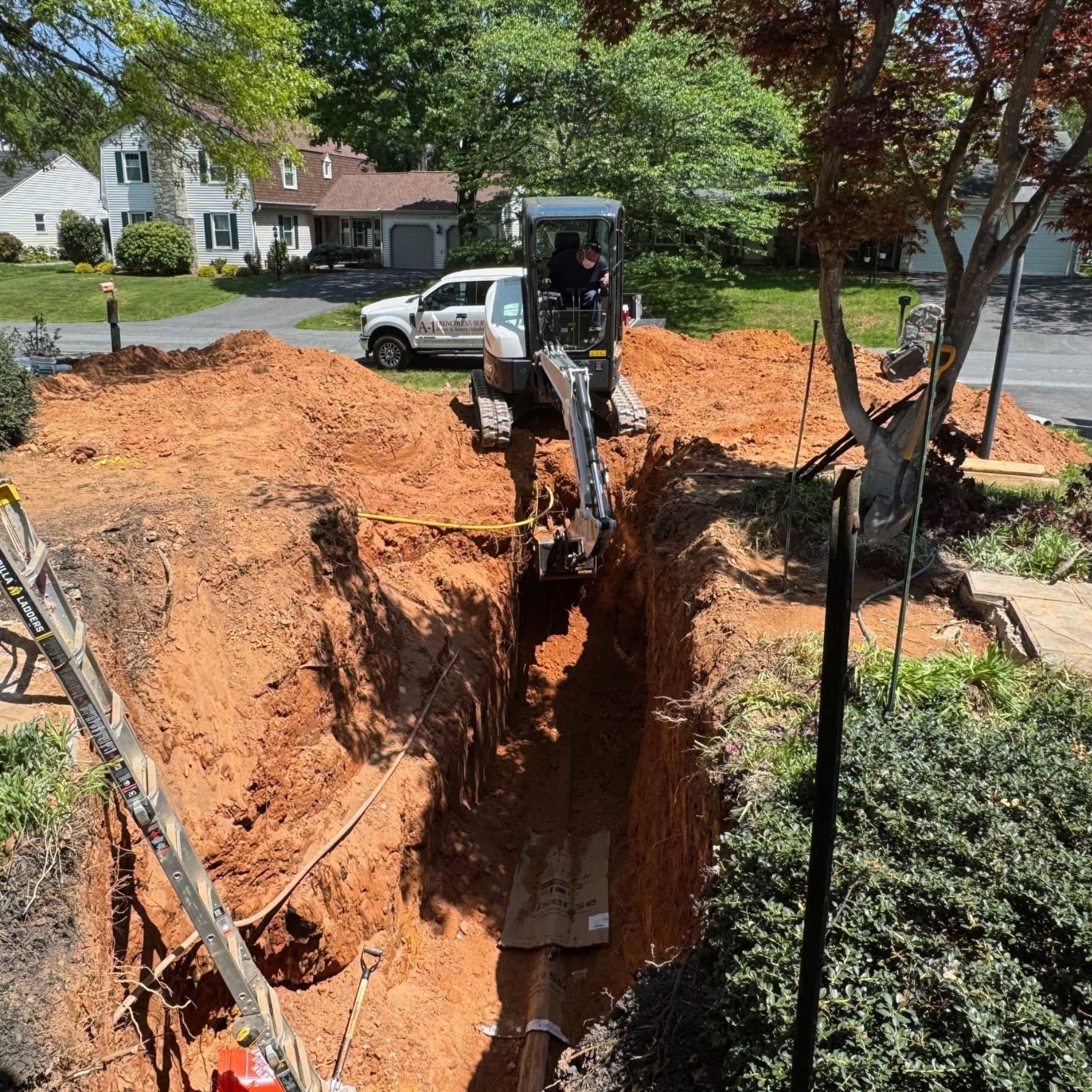
What if you could pinpoint the exact location of a pipe failure without turning your front yard into a construction zone? It’s a common fear for many homeowners in Damascus, especially since the median home here was built in 1984. At over 40 years old, many local sewer systems are reaching a point where they are increasingly susceptible to clay soil shifts and root intrusion. You shouldn’t have to choose between a functional sewer and your carefully maintained landscaping. This guide explains exactly how to find blockage in sewer line problems using a methodical, modern approach.
We understand the anxiety that comes with a slow drain or a suspicious backup. You’ll discover how to identify the difference between invasive tree roots, structural breaks, and simple grease clogs while avoiding the traditional “dig and see” guesswork. We will walk you through the essential DIY diagnostic steps and explain how professional video pipe inspection provides the clarity needed for modern, no-dig solutions. From hydro jetting to trenchless repair, you’ll learn how to restore your home’s plumbing with minimal disruption to your property.
Key Takeaways
- Learn how to distinguish between a simple sink clog and a main sewer line emergency by identifying multi-fixture backup patterns.
- Use your home’s exterior cleanout to find blockage in sewer line segments and determine if the issue is inside your house or out toward the street.
- Discover how high-resolution video pipe inspection eliminates digging by pinpointing the exact cause and depth of a pipe failure.
- Understand the specific challenges of local infrastructure, including common root intrusions and the need for professional pipe descaling.
- See how accurate diagnostic data enables no-dig trenchless repairs and high-pressure hydro jetting to clear stubborn obstructions.
Table of Contents
- Recognizing the Red Flags: Is the Blockage in Your Main Line?
- DIY Troubleshooting: How to Find the Blockage Area
- The Professional Solution: Video Pipe Inspection Technology
- Common Blockages Found in Damascus and Montgomery County
- From Finding to Fixing: Why Accurate Location Enables Trenchless Repair
Recognizing the Red Flags: Is the Blockage in Your Main Line?
Is it just a clogged sink, or is your entire home’s plumbing at risk? Understanding the difference between a secondary line and your main sewer line is the first step toward a resolution. Secondary lines carry wastewater from individual fixtures, like your kitchen sink or washing machine, to the main stack. The main sewer line is the single, large pipe that carries all waste from your home to the municipal system. When you need to find blockage in sewer line locations, checking how many fixtures are affected is the fastest diagnostic tool at your disposal. If only the kitchen sink is slow, it is likely a localized clog. However, if multiple fixtures across different rooms are backing up simultaneously, you are facing a main line obstruction.
You might notice a strange gurgling sound coming from the toilet while the shower is running. This happens because trapped air is forced back through the system when it hits an obstruction. Another critical warning sign is the presence of foul odors near basement floor drains. Ignoring these signs can lead to a Sanitary sewer overflow (SSO), which poses health risks and can cause significant property damage. Detecting these red flags early allows you to address the problem before it becomes a messy and expensive emergency.
The Multi-Fixture Test
To confirm a main line issue, perform a simple test. Flush a toilet and watch the nearest floor drain or bathtub. If water bubbles up into the tub when the toilet flushes, you’ve found the “smoking gun.” This indicates that waste has nowhere to go but back up the lowest drains in the house. If this happens, stop using all water immediately. Turn off your main water supply to prevent automated appliances, like a dishwasher, from adding more volume to the system. This quick action helps prevent a basement flood while you prepare to find blockage in sewer line segments through professional means.
Visual Cues Outside the Home
Your yard often reveals what your pipes cannot. In Damascus, where many homes sit on established lots with mature trees, look for unusually lush, vibrant patches of grass. While a green lawn is usually a goal, a single patch that stays greener than the rest of the yard often indicates a leak providing extra moisture to the soil. Keep an eye out for new indentations or sinkholes along the path of your sewer line. These suggest that a pipe break is causing soil to wash away. You should also check your driveway or sidewalk for persistent wet spots that don’t dry up, as these can signal a shallow line failure.
DIY Troubleshooting: How to Find the Blockage Area
You’ve spotted the red flags. Now, it’s time to narrow down the search area. To effectively find blockage in sewer line pipes, you need to locate the sewer cleanout. This is typically a 3-to-4-inch pipe with a threaded cap, usually white or black, located in your yard or basement. It serves as a direct access point to your main line. If you can’t find it, check your home’s foundation perimeter or near the curb. Finding this access point is a critical step to find blockage in sewer line locations because it acts as a window into the health of your entire system.
Once you locate the cleanout, you can perform a “Bucket Test” to gauge the system’s capacity. Fill a five-gallon bucket with water and pour it down the drain furthest from the main line. If the water backs up immediately, the clog is likely close to that specific fixture. If it takes a minute or two to gurgle, the obstruction is further down the main line. Keep in mind that the EPA identifies grease from restaurants, homes, and industrial sources as a leading cause of these backups. This sticky substance acts like glue, trapping other debris and slowly narrowing the pipe’s diameter until a total blockage occurs.
Checking the Cleanout Pipe
Opening the cleanout requires caution. Wear heavy-duty gloves and eye protection before unscrewing the cap. If water spills out the moment you loosen the threads, the blockage is located between the cleanout and the street. This means the entire house is backed up. If the pipe is bone dry, the obstruction exists between that cleanout and your indoor fixtures. Knowing this distinction helps you determine if the problem is under your yard or hidden beneath your home’s concrete slab.
The Limits of a Manual Drain Snake
A manual drain snake is a common tool for minor clogs, but it has significant limitations for main line diagnostics. While you might feel the snake hit a “thud,” you can’t tell if you’re hitting a ball of hair, a thick tree root, or a collapsed section of pipe. Forcing a snake against a structural break can actually cause more damage to aging cast iron or clay pipes. If your DIY efforts don’t yield a clear answer, a professional video pipe inspection Damascus can reveal the exact nature of the problem without any guesswork. This technology provides a clear visual of the interior, ensuring you don’t waste time or money on the wrong repair method.
The Professional Solution: Video Pipe Inspection Technology
When DIY efforts fail to provide a clear answer, modern technology offers a definitive solution. A professional video inspection utilizes high-resolution, waterproof cameras to travel deep into your plumbing system. These fiber-optic tools provide a real-time feed of the pipe’s interior, allowing technicians to find blockage in sewer line pipes with incredible precision. Instead of guessing where a problem might be, we see exactly what is happening inside the line. This visual evidence is often required for insurance claims or as part of a home sale disclosure in Montgomery County. If you are in the process of buying a property, understanding the value of a sewer line inspection for home purchase can protect you from inheriting a costly underground problem before you close the deal.
The camera isn’t just a lens. It’s a diagnostic powerhouse. Most modern inspection cameras are equipped with a “sonde,” which is a small signal transmitter. As the camera moves through the pipe, a technician above ground uses a receiver to track the signal. This process maps the pipe’s path across your property. It identifies the exact spot where a clog or break occurs. It ensures that if a repair is needed, it happens in exactly the right place without unnecessary digging. Homeowners throughout the region rely on this same technology, and those in neighboring areas can learn more about how a sewer scope inspection Howard County professionals provide can turn an uncertain underground situation into a clear, actionable repair plan.
Mapping Depth and Distance
Technicians use electromagnetic locators to determine both the horizontal position and the vertical depth of the pipe. Knowing the depth is a game changer for your repair strategy. A pipe buried four feet deep might be accessible for a localized fix, while a line ten feet down usually requires a trenchless approach to avoid massive excavation costs. Modern diagnostics also utilize GPS tagging to create a permanent digital map of your sewer assets. This data provides a clear path forward for any necessary maintenance and ensures you aren’t paying for labor that isn’t required.
Identifying the “Nature” of the Blockage
Identifying the specific nature of the problem is just as important as the ability to find blockage in sewer line locations. The camera reveals the specific cause of your backup. In Maryland, tree root intrusion is a frequent culprit. Roots look like small webs or thick “ponytails” inside the pipe. You might also see a “belly,” which is a sag in the line where water and debris pool because the pipe has lost its proper slope. For older Damascus homes, the camera often identifies heavy mineral scale or corrosion inside cast iron pipes. Seeing these details allows for a targeted solution, such as hydro jetting for grease or pipe descaling for mineral buildup.
Common Blockages Found in Damascus and Montgomery County
Every region has its own set of plumbing challenges based on soil type, age of infrastructure, and local vegetation. In Montgomery County, the effort to find blockage in sewer line paths often reveals issues specific to our East Coast environment. While newer developments might struggle with “flushable” wipes, the established neighborhoods in Bethesda and Damascus face structural threats that a simple plunger cannot fix. Understanding these local factors helps you move from temporary fixes to long-term solutions that protect your property value.
Soil movement is a major contributor to sewer failures in Maryland. Our clay-heavy soil expands and contracts significantly with the changing seasons. This movement often results in “offset joints,” where sections of the pipe shift out of alignment. When a joint is offset, it creates a lip that catches solid waste and toilet paper. Over time, this creates a stubborn obstruction. Additionally, heavy Maryland rains can saturate the ground, increasing external pressure on weakened pipes. This pressure can turn a small crack into a complete collapse, especially during the freeze-thaw cycles common in our region.
The Cast Iron Crisis: Scale and Corrosion
Many Damascus homes built in the mid-1980s still rely on original cast iron sewer lines. As these pipes age, they undergo a process called tuberculation. This creates a jagged, rusted “scale” on the interior walls. Think of this scale as a velcro-like surface. It catches every bit of debris that passes through, eventually narrowing the pipe’s diameter until water can no longer flow. Traditional snaking often fails here because the cable simply pokes a small hole through the soft debris without removing the hard scale. If you suspect your older pipes are narrowed by rust, learning what is pipe descaling can provide a path to restoring your pipes to their original flow capacity without total replacement.
Tree Roots: The Silent Sewer Blockers
In the lush, wooded areas of Bethesda and surrounding Montgomery County, tree roots are the primary enemy of underground utilities. Trees like Silver Maples and Oaks have expansive root systems that are naturally attracted to the moisture and nutrients inside your sewer line. Even a microscopic crack in a pipe joint is enough for a hair-like root to enter. Once inside, the root thrives and expands into a massive, woody “ponytail” that completely fills the pipe. Because roots grow back quickly, simply cutting them with a snake is a temporary measure. To find blockage in sewer line segments caused by roots, a camera is essential to see if the pipe is still structurally sound or if the roots have caused a total break. The same root intrusion challenges affect properties across the region, which is why many Maryland homeowners also seek out a professional sewer scope inspection in Howard County to get a definitive picture of their underground pipe conditions before damage escalates.
If your drains are consistently slow or backing up, don’t wait for a total failure. Schedule your professional video pipe inspection today to see exactly what is happening under your lawn.
From Finding to Fixing: Why Accurate Location Enables Trenchless Repair
The transition from diagnosing a problem to resolving it should be smooth. Once you find blockage in sewer line segments using high-resolution cameras, the next step is choosing a repair method that protects your property. In the past, even a small pipe break meant digging a massive trench through your lawn in Rockville or your driveway in Gaithersburg. Today, accurate diagnostics allow us to utilize trenchless technology. By pinpointing the exact inch where a pipe has failed, we can often deploy localized “no-dig” fixes that restore your system’s integrity without the heavy machinery.
Investing in a precise camera inspection pays for itself by preventing unnecessary excavation. While traditional digging can disrupt your entire landscape, trenchless methods like pipe bursting or CIPP lining are far less invasive. These solutions are specifically beneficial for established neighborhoods in Bethesda and Kensington where mature trees and hardscaping are difficult to replace. When you know exactly where the trouble lies, you only pay to fix the specific area of concern rather than paying for thousands of dollars in property restoration. Maryland home buyers should also be aware that requesting a sewer line inspection for home purchase before closing can reveal hidden pipe damage that gives them significant negotiating leverage on the final sale price.
Hydro Jetting: The High-Pressure Solution
Before jumping to structural repairs, we often look at cleaning as the first line of defense. Standard drain snakes might poke a hole through a clog, but they don’t truly clean the pipe. Professional hydro jetting services in Damascus use specialized nozzles that blast water at over 4000 PSI. This intense pressure scours the interior walls of the pipe, removing heavy grease, mineral scale, and even stubborn tree roots. It’s the most effective way to restore a pipe to its original diameter. After the process, we always perform a post-jetting camera inspection to verify the line is completely clear and structurally sound.
The A-1 Trenchless Water & Sewer Repair Services LLC Advantage
We believe that a sewer emergency shouldn’t ruin your yard or your week. A-1 Trenchless Water & Sewer Repair Services LLC specializes in “No-Dig” solutions across Damascus, Germantown, and Clarksburg, prioritizing methods that keep your property intact. By combining expert diagnostics with advanced repair techniques like pipe lining and pipe descaling, we make complex plumbing tasks feel manageable and transparent. We don’t just find blockage in sewer line paths. We provide a clear, modern path to a permanent solution. If you’re dealing with recurring clogs or suspicious backups, contact us for a professional sewer inspection today and get the answers you need.
Restore Your Peace of Mind with Modern Diagnostics
Dealing with a sewer backup is stressful, but you don’t have to face it with guesswork. By recognizing the red flags of a main line issue and using your cleanout for initial troubleshooting, you’ve already taken the first steps toward a resolution. However, the most reliable way to find blockage in sewer line pipes is through professional technology that sees what you cannot. A-1 Trenchless has been serving Damascus and Montgomery County since 2018, providing the clarity you need to protect your property and your peace of mind.
Our expert diagnostic reports provide a clear visual of your pipes, identifying whether you’re facing tree roots, grease, or structural scale. We specialize in modern no-dig technology, ensuring your landscaping remains undisturbed while we restore your system’s flow. Don’t let a slow drain turn into a property emergency. Schedule Your Professional Video Pipe Inspection with A-1 Trenchless and get a definitive answer today. Taking action now prevents costly surprises later. You can rest easy knowing your home is in capable hands.
Frequently Asked Questions
How do I know if my sewer line is clogged or just a single drain?
You can tell it is a sewer line issue if multiple fixtures back up at once, such as the toilet gurgling when you run the shower. A single drain clog only affects one sink or tub. If you see water rising in your bathtub after flushing the toilet, you have likely found a main line obstruction that requires immediate attention from a professional.
Can I find a sewer blockage without a camera?
You can use your home’s exterior cleanout to find blockage in sewer line locations by checking for standing water. If the cleanout pipe is full, the clog is further toward the street. If it is empty, the issue is likely between the cleanout and your house. While these manual checks provide a general area, they cannot identify the specific cause of the blockage like a camera can.
How much does a professional sewer camera inspection cost in Maryland?
Costs for a professional camera inspection in Maryland vary depending on the length of the line and the accessibility of the cleanout. Homeowners should expect a range of prices based on the complexity of the diagnostic work required and the technology used. It is best to contact a local professional for a specific quote tailored to your property’s infrastructure and needs.
Will a chemical drain cleaner find and fix a main line blockage?
Chemical drain cleaners are ineffective for main sewer line blockages and can actually damage your plumbing. These harsh liquids are designed for minor sink clogs and rarely reach the main line in a high enough concentration to dissolve heavy grease or roots. Using them in older cast iron pipes can accelerate corrosion and lead to structural failure over time.
What is the most common cause of sewer blockages in Damascus, MD?
In Damascus, the most common causes of sewer failure are tree root intrusion and mineral scale buildup in aging cast iron pipes. Since many homes in the area are over 40 years old, lines have often developed cracks that attract thirsty roots. Additionally, the region’s clay soil shifts frequently, which leads to offset joints and structural sags where debris collects.
How long does it take for a professional to find a sewer blockage?
A professional video pipe inspection typically takes between 30 and 60 minutes to complete. This timeframe includes the initial setup, the actual camera travel through the line, and the mapping of any detected issues. Once the inspection is finished, you will receive a detailed report and video footage showing the exact condition and location of any obstructions in your system.
Can tree roots be removed from a sewer line without replacing the pipe?
Tree roots can often be removed without digging up your yard by using high-pressure hydro jetting. This method scours the interior of the pipe and cuts through root masses to restore full flow immediately. However, because roots naturally grow back, you may eventually need to consider trenchless pipe lining or descaling to provide a more permanent solution for your plumbing system.
Is a sewer blockage covered by my homeowners insurance?
Standard homeowners insurance policies often exclude sewer backups unless you have a specific rider for sewer and sump pump overflow. It is important to review your policy or speak with your agent to confirm your specific coverage details. If a blockage results from a sudden pipe collapse, some policies may provide partial coverage for the resulting water damage to your home.
First published . Written by the A-1 Trenchless team.