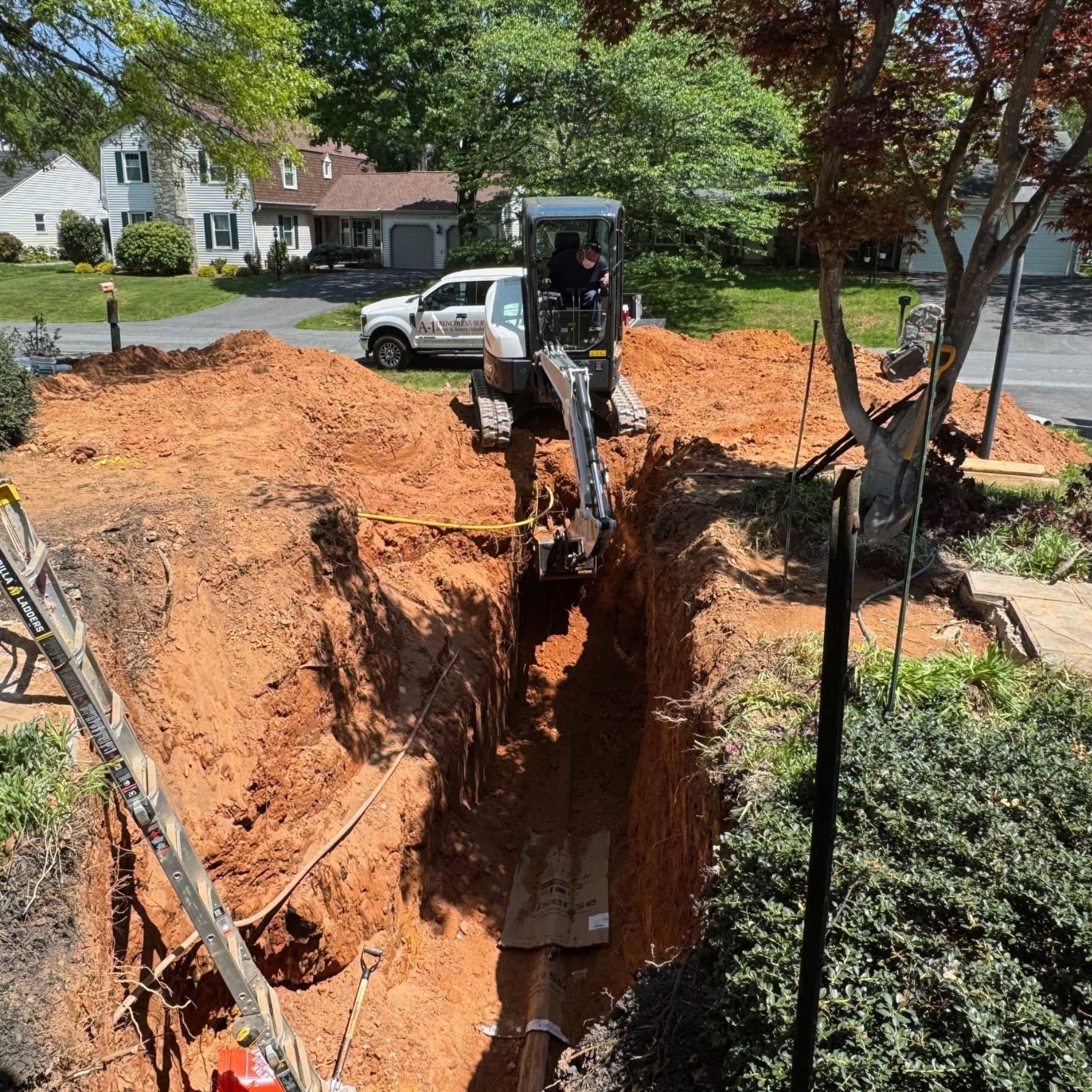
What if the secret to fixing your weak shower pressure didn’t involve a backhoe tearing up your front lawn? For many homeowners, the sight of a trickling faucet or a dishwasher that takes an hour to fill is more than just an inconvenience. It’s a source of anxiety. You likely suspect a deeper issue within your plumbing, yet the fear of expensive, yard-destroying repairs often leads to delay. Scheduling a professional low water pressure inspection in Damascus is the first step toward clarity, allowing you to identify the root cause of the problem without the mess you fear.
We understand that your property is your most valuable asset, and you shouldn’t have to choose between a functional shower and a beautiful yard. Whether your pipes are struggling with the aging infrastructure common in Maryland or reacting to the seasonal temperature shifts that stress our local lines, modern technology now allows us to see underground without digging. In this article, you’ll discover how no-dig diagnostics identify hidden pipe degradation and how trenchless solutions can restore consistent, high-pressure water to your home. We will walk you through the process of pinpointing the issue and explain the non-invasive options available to get your plumbing back to peak performance efficiently.
Key Takeaways
- Learn the critical difference between static PSI and dynamic flow rates to understand why your shower feels weak even if your gauges look normal.
- Discover how a professional low water pressure inspection in Damascus uses acoustic leak detection to pinpoint underground failures with surgical precision.
- Identify common local culprits like mineral scaling in galvanized pipes or the specific vulnerabilities of polybutylene systems found in many area homes.
- Explore advanced trenchless water line replacement options that restore full flow to your property while keeping your lawn and driveway completely intact.
Table of Contents
- Understanding Low Water Pressure in Damascus Homes
- Professional Diagnostic Methods: Beyond the Hose Bib
- Common Culprits: From Corroded Mains to Mineral Scaling
- The Inspection Process: What to Expect from an A-1 Trenchless Visit
- Advanced Solutions: Restoring Flow Without the Trench
Understanding Low Water Pressure in Damascus Homes
Many homeowners assume pressure and flow are the same thing, but they represent two different aspects of your plumbing health. Understanding Water Pressure is essential for diagnosing why your shower feels weak or your faucets merely trickle. Static pressure is the force measured in pounds per square inch (PSI) when no water is running. Dynamic flow rate is the volume of water actually moving through your pipes, measured in gallons per minute (GPM). You might have adequate PSI at the street, yet suffer from terrible GPM at the tap because your pipes are restricted by sediment. A professional low water pressure inspection in Damascus often reveals that while the utility provides enough force, the home’s internal “arteries” are too narrow to deliver the volume you need.
Damascus sits on higher elevations compared to other parts of Montgomery County, which influences how local water systems behave. If you rely on a well, your pressure isn’t just about the pump. It’s about the depth of the water table and the health of your pressure tank. Ignoring a drop in pressure is a gamble you don’t want to take. It can lead to expensive well pump burnout or, in municipal systems, a catastrophic pipe burst as the system struggles against a blockage. Identifying the signs early, such as whether the drop is localized to one sink or affects the entire house, is the key to a cost-effective fix.
Municipal vs Well Water Challenges in Montgomery County
Residents connected to the Washington Suburban Sanitary Commission (WSSC) deal with aging infrastructure that recently received a “C” grade in statewide reports. These older municipal lines are prone to water main breaks, especially during Damascus winters when sudden temperature drops stress the metal. For those on well systems, a failing pressure tank bladder is a frequent headache. If your pump clicks on and off constantly, the bladder has likely lost its charge. Additionally, the hard water prevalent in our region accelerates mineral buildup, effectively choking your service lines from the inside out.
When Low Pressure Becomes a Plumbing Emergency
A sudden, dramatic drop in pressure usually signals a major leak or a broken main line. If you notice mysterious wet spots in your yard or a sudden spike in your water bill, you’re likely facing an emergency that requires immediate attention. Gradual declines are more subtle but still damaging. Persistent low pressure forces your dishwasher and washing machine to run significantly longer cycles to fill. This doesn’t just waste time. It strains the internal components of your appliances and your water heater. Scheduling a low water pressure inspection in Damascus can pinpoint these issues before they result in a total system failure.
Professional Diagnostic Methods: Beyond the Hose Bib
Checking a single pressure gauge on your outdoor faucet only tells a fraction of the story. While it confirms the PSI entering your home, it doesn’t reveal where the flow is being strangled. A professional low water pressure inspection in Damascus utilizes advanced acoustic leak detection to “listen” through the ground. This technology identifies the specific frequency of water escaping a pressurized pipe, allowing us to find underground failures without digging a single hole. It’s a precision approach that turns a guessing game into a science. By isolating the sound of a leak, we can pinpoint the exact location of a break even under several feet of soil or concrete.
Beyond acoustics, we perform static pressure testing at various points in your home’s plumbing manifold. This helps isolate whether the issue is a main line problem or a restriction within your interior plumbing. For leaks that might be hidden behind finished walls, thermal imaging cameras detect the temperature signatures of escaping hot water. This non-invasive method prevents the need for exploratory drywall demolition. We also use flow rate bucket tests to establish a baseline. By comparing your GPM to the typical standards of your specific Damascus neighborhood, we can determine if the problem is unique to your property or a wider utility issue.
The Role of Video Pipe Inspection
When the cause of low pressure isn’t a leak, it’s often a physical obstruction. We use high-definition video pipe inspection in Damascus to navigate your service lines. These cameras reveal internal build-up from Corroded Mains to Mineral Scaling that chokes the pipe’s diameter. It also identifies tree root intrusions that restrict flow long before they cause a total backup. This visual map is essential for planning a targeted, no-dig repair that addresses the root cause of your weak water flow.
Pressure Reducing Valve (PRV) Diagnostics
The Pressure Reducing Valve (PRV) is a critical component that protects your pipes from high-pressure surges, but they typically fail after 10 to 15 years in Maryland homes. If your regulator is stuck or improperly adjusted, it can throttle your flow to a trickle. Common symptoms of a failing PRV include a loud banging sound known as “water hammer” followed by a sudden loss of pressure. Testing the regulator is a standard part of our low water pressure inspection in Damascus. If you’ve noticed these signs, a professional diagnostic visit can quickly determine if a simple valve replacement will restore your home’s flow.
Common Culprits: From Corroded Mains to Mineral Scaling
Low water pressure is rarely a mystery when you look inside the pipes. Many older homes in the Damascus area still have original galvanized steel service lines. These pipes suffer from internal rusting, a process that creates a “corrosion sandwich” where layers of oxidized metal build up inside the pipe. While the exterior might appear sturdy, the interior passage narrows significantly over time. This restriction is a primary reason why a low water pressure inspection in Damascus is so vital. It allows us to see if your pipes have reached the point where they can no longer support modern water needs.
Homes built during the local expansion of the 1980s and 1990s face a different challenge. Polybutylene piping, once a standard choice, is now a known liability. These pipes often develop microscopic pinhole leaks due to chemical reactions with municipal water. You might not see a puddle in your basement, but these tiny leaks act like a slow puncture in a tire. They bleed off the force of the water as it travels through your home, leaving you with a weak stream at the showerhead. Identifying these hidden failures early prevents the sudden, catastrophic bursts that often follow years of declining pressure.
Pipe Scaling: The Silent Flow Killer
Local water chemistry in Montgomery County often contains high levels of calcium and magnesium. As water flows through your system, these minerals settle and harden against the pipe walls. This mineral scaling creates a rough interior surface that increases friction and slows water velocity. It’s a silent flow killer because it happens gradually over decades. Standard plumbing tools like snakes or augers are useless against this hardened build-up. Instead, we utilize professional pipe descaling to safely remove these deposits. This process scours the pipe walls to restore the original diameter without the need for a full replacement.
Underground Service Line Obstructions
The problem isn’t always inside the house. External factors frequently compromise the main service line running from the street or well to your foundation. Soil shifting, common in the rolling hills of Damascus, can cause pipes to “belly” or sag. This creates a low point where sediment collects and restricts flow. Heavy vehicle traffic on driveways can even crush older, brittle lines. Sometimes, a single root “hair” from a nearby tree finds its way through a tiny seam. Once inside, it catches debris and sediment, creating a growing blockage that slowly throttles your home’s water supply.
The Inspection Process: What to Expect from an A-1 Trenchless Visit
When you schedule a low water pressure inspection in Damascus with our team, we don’t just start turning wrenches. We begin with a thorough consultation to review your home’s history. Has the pressure dropped suddenly, or has it been a slow decline over several years? Knowing your home’s age helps us anticipate whether we’re looking for mid-century galvanized corrosion or 1990s polybutylene pinholes. We then perform point-of-entry testing. This critical step determines if the restriction is happening in the yard or within your interior manifold. It saves time and ensures we aren’t chasing ghosts in your interior plumbing when the problem is actually buried under your lawn.
After the initial tests, we deploy advanced camera technology to visualize the interior of your service line. This isn’t a guessing game. It’s a visual confirmation of your pipe’s health. Once the data is collected, we provide a final diagnostic report. This document gives you a clear understanding of the root cause and includes a no-dig recommendation for repair. We want you to feel in control of the process, moving from a point of concern to a sense of relief with a manageable plan of action.
Step 1: The Pressure and Flow Audit
Measuring flow is about more than just feeling the water. We conduct a systematic audit, measuring the gallons per minute (GPM) at every fixture to create a detailed “pressure map” of your home. We compare these results against local standards, keeping in mind that the WSSC typically aims for a minimum of 40 PSI for domestic service. Sometimes, the issue isn’t a blockage but a “crossover” leak. This occurs when a failed valve allows hot and cold water lines to mix, causing a pressure drop that mimics a pipe failure. Pinpointing these nuances is what makes a professional low water pressure inspection in Damascus so effective.
Step 2: Non-Invasive Underground Mapping
If the problem lies in the main service line, we use sonar and camera tech to locate the exact path of your pipes. This allows us to avoid unnecessary damage to your landscaping, flower beds, or driveway. We pinpoint the specific “choke point” in the system, whether it’s a single root intrusion or a crushed section of pipe. This step is vital for determining if you’re dealing with a isolated leak or systemic pipe degradation. If you’re ready to stop guessing and start fixing, schedule your professional inspection today to see exactly what’s happening beneath your property.
Advanced Solutions: Restoring Flow Without the Trench
Traditional “dig and replace” plumbing is no longer the standard for Damascus homeowners who value their property’s curb appeal. In the past, a major service line failure meant bringing in a backhoe and leaving a scar across your lawn for months. Today, modern trenchless technology allows us to resolve the issues found during a low water pressure inspection in Damascus with surgical precision. By utilizing existing access points, we can replace or restore your water lines without turning your yard into a construction site. This approach isn’t just about aesthetics. It’s about efficiency and preserving the structural integrity of your driveways and porches.
One of the most effective methods we use is pipe bursting. This process involves pulling a high-density polyethylene (HDPE) pipe through your existing, damaged line. A specialized bursting head breaks the old pipe apart while simultaneously laying the new one in its place. The speed of trenchless repairs is a significant advantage, often restoring full water service in hours rather than days. Beyond the quick turnaround, HDPE piping is incredibly durable. It’s resistant to the chemical corrosion and root intrusion that plague older Maryland plumbing systems, and it typically comes with long-term warranties that provide peace of mind for decades.
Trenchless Water Line Replacement
We focus on pulling a new pipe through the old one using minimal entry and exit points. This technique is ideal for Damascus properties with mature landscaping or intricate hardscaping that would be impossible to replicate. By avoiding the trench, we protect your investment in your home’s exterior. You can review your trenchless water line replacement options to see which no-dig method best fits your specific property layout and pipe material.
Hydro Jetting and Descaling for Pressure Restoration
Sometimes, a full replacement isn’t necessary. If your low water pressure inspection in Damascus reveals that your pipes are structurally sound but choked by debris, we utilize hydro jetting and descaling. Hydro jetting uses high-pressure water streams to scrub away years of sediment, while descaling removes hardened mineral “teeth” from the pipe walls. We always perform a video check to ensure the structural integrity of old pipes before starting any high-pressure cleaning. When cleaning is a viable alternative, it’s a fast and cost-effective way to restore your home’s original flow rate without the need for new pipe installation.
Take Control of Your Home’s Water Flow
Living with weak water pressure is a daily frustration, but it doesn’t have to be a permanent part of your home life. You’ve seen how modern technology identifies the root cause of flow issues, whether it’s mineral build-up or a hidden underground leak. A professional low water pressure inspection in Damascus provides the clarity you need to move from guessing to fixing. Our team uses expert video pipe diagnostics to provide a clear view of your system’s health, ensuring we address the real problem rather than just the symptoms.
As a locally owned and operated business since 2018, we specialize in no-dig trenchless technology that protects your Montgomery County property. We believe that restoring your flow shouldn’t come at the cost of your landscaping or driveway. Our methods are designed for speed, durability, and minimal disruption. Schedule your high-precision water pressure inspection with A-1 Trenchless today. We’re ready to help you restore the consistent, high-pressure water your household deserves.
Frequently Asked Questions
Is low water pressure considered a major defect during a home inspection?
Low water pressure is frequently flagged as a significant issue during a home inspection because it often points to underlying systemic failures. It can indicate advanced corrosion in galvanized pipes, hidden leaks, or a failing pressure regulator. While it might seem like a minor annoyance, inspectors view it as a potential sign of impending pipe replacement costs. Addressing this before listing a home ensures you don’t face difficult negotiations or last-minute repair demands during the closing process.
How much does a professional water pressure diagnostic cost in Damascus?
The cost for a professional low water pressure inspection in Damascus varies based on the size of the home and the diagnostic tools required to find the root cause. A standard visit typically involves pressure testing and flow audits, while more complex cases might require acoustic leak detection or video camera inspections. We focus on providing a clear, transparent quote after an initial consultation so you understand exactly what the diagnostic process entails for your specific property.
Can a dirty water filter cause low pressure throughout the whole house?
Yes, a clogged whole-house water filter is one of the most common causes of a sudden drop in pressure. These filters are designed to catch sediment and minerals, but if they aren’t changed regularly, the trapped debris creates a physical barrier that restricts flow. If you notice a gradual decline in pressure across all fixtures, checking and replacing your filter cartridges is a sensible first step before pursuing more advanced plumbing diagnostics to rule out pipe issues.
Will a new water heater fix my low hot water pressure?
A new water heater will only resolve the issue if the existing unit is heavily restricted by mineral scaling or sediment build-up. Over time, calcium deposits can settle at the bottom of the tank or inside the intake and outlet nipples, choking the flow of hot water. However, if your cold water pressure is also weak, the problem likely lies in your main service line or a faulty pressure reducing valve rather than the water heater itself. We check these connections during our standard inspections.
How do I know if my low pressure is a WSSC problem or my responsibility?
You can determine responsibility by checking the water pressure at your main meter or the curb stop. If the pressure entering the property from the WSSC main is below their 40 PSI standard, the issue is likely on the utility side. If the pressure is strong at the meter but weak inside the house, the restriction is within your private service line or interior plumbing. A professional inspection quickly isolates where the pressure drop occurs so you know who to call for the fix.
Can tree roots in my sewer line affect my fresh water pressure?
No, tree roots in a sewer line won’t impact your fresh water pressure because these are two entirely separate systems. Your sewer line carries waste away using gravity, while your fresh water line is a separate, pressurized pipe bringing water into your home. However, if tree roots are present in your yard, they can certainly wrap around and crush your fresh water service line. This physical damage to the supply pipe is a frequent cause of the low pressure issues we see in older neighborhoods.
Is hydro jetting safe for the older pipes found in many Damascus homes?
Hydro jetting is safe for older pipes as long as they maintain their structural integrity. Before we use high-pressure water to scrub away sediment, we always perform a video pipe inspection to check for cracks, thinning walls, or severe corrosion. If the pipes are too brittle, we recommend gentler descaling methods or trenchless replacement. When the pipe is sound, hydro jetting is an excellent way to restore original flow without the need for a full excavation of your property.
How long does a trenchless water line replacement usually take?
A trenchless water line replacement is significantly faster than traditional methods, typically taking between four to eight hours to complete. Because we don’t have to excavate a long trench across your property, most of the time is spent on setup and the actual pipe-pulling process. Most homeowners find that their water service is restored by the end of a single workday, allowing them to avoid the multi-day disruptions and yard repairs associated with conventional digging and replacement.
First published . Written by the A-1 Trenchless team.