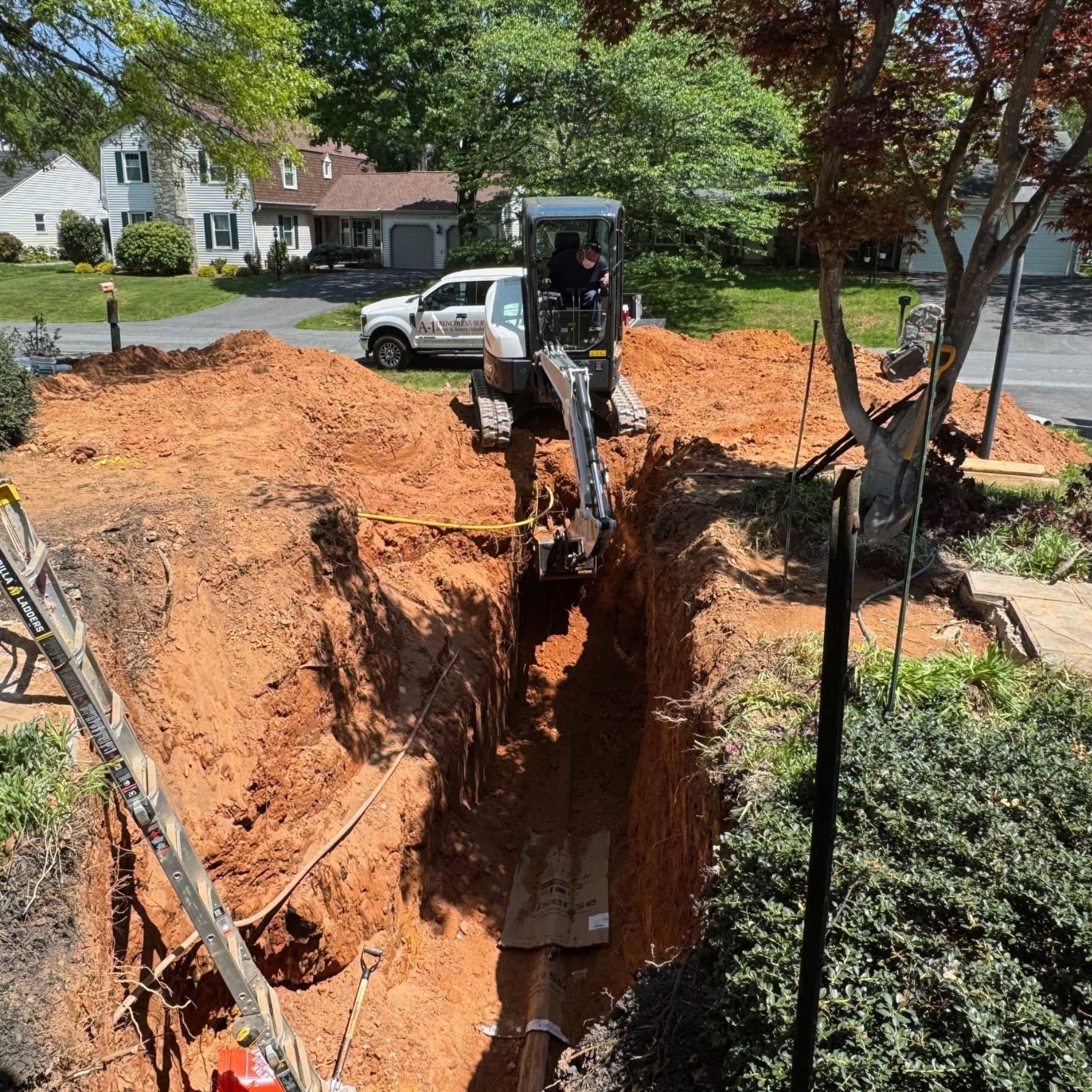
A slow drain is easy to ignore until the toilet starts gurgling, the shower backs up, or sewage shows up where it should never be. That is usually the moment homeowners realize a residential sewer line inspection is not just a diagnostic add-on. It is the fastest way to find out what is happening underground without tearing up the yard to guess.
For most property owners, the sewer line is out of sight and out of mind until something goes wrong. The problem is that sewer issues rarely fix themselves. A minor blockage can turn into a full backup. A small crack can let roots in, and once roots get established inside a pipe, they keep growing. The longer the line goes unchecked, the more likely the repair becomes messy, urgent, and expensive.
What a residential sewer line inspection actually does
A residential sewer line inspection uses a specialized waterproof camera that is guided through the drain and into the sewer line. The camera sends back a real-time view of the pipe interior so a technician can see the condition of the line, locate trouble spots, and identify what is causing poor flow.
This matters because many sewer symptoms look the same from inside the home. A clog caused by grease buildup can create signs that seem similar to a line offset, root intrusion, or a cracked pipe. Without an inspection, repairs become guesswork. With a camera inspection, the problem is visible, which makes the next step clearer and more cost-effective.
In practical terms, an inspection can reveal common issues such as root growth, scale buildup, corrosion, bellied sections of pipe, separated joints, collapsed areas, or foreign objects lodged in the line. It can also show whether the pipe is a good candidate for trenchless repair or whether a more traditional excavation approach makes more sense.
When to schedule a sewer line inspection
Homeowners often wait until there is an obvious emergency, but there are several situations where scheduling an inspection early can save time and money.
If multiple drains in the house are slow at the same time, that points to a bigger issue than a single fixture clog. If you hear bubbling or gurgling after flushing or running water, that can mean air is trapped due to a developing blockage. Recurring drain problems are another red flag. If a drain clears and then backs up again a few weeks later, the line may have a deeper issue that basic snaking did not solve.
A sewer odor in the yard or basement can also justify an inspection, especially if it appears without a clear source. Wet areas in the lawn, unusually green patches of grass, or sinkage over the line path can point to a leak or break underground. And if your home is older, has mature trees, or still has original clay, cast iron, or Orangeburg piping, an inspection is often a smart preventive step even before symptoms get severe.
Home buyers and sellers can benefit too. A standard home inspection does not usually show the true condition of the sewer lateral. A camera inspection gives a more accurate picture of what may be waiting after closing.
What happens during the inspection
The process is straightforward when handled by a trained crew with the right equipment. In most homes, the technician accesses the sewer line through a cleanout. If no cleanout is available, another access point may be used depending on the plumbing layout.
The camera is fed into the line while the technician watches the live video feed. As the camera moves through the pipe, it captures the interior condition and the distance to each area of concern. Many systems also include locating equipment that helps pinpoint the exact position and depth of a blockage or damaged section from above ground.
That location detail is especially important. If the issue is isolated to one short section, the repair plan may be much less disruptive than a homeowner expects. If the line has broad deterioration from end to end, that changes the conversation. Either way, the inspection gives real information instead of assumptions.
Most inspections can be completed relatively quickly, though timing depends on the length of the line and whether heavy blockage has to be cleared first to get a usable camera view.
What the camera might find
Some inspection results are simple. A heavy grease clog or a paper blockage may only require professional cleaning. Other findings point to structural problems that need repair.
Root intrusion is one of the most common issues in residential sewer lines. Tree roots are naturally attracted to moisture and can enter through tiny cracks or loose joints. At first they may slow drainage. Over time, they can trap debris, widen pipe openings, and eventually cause major failure.
Pipe corrosion is another frequent issue in older systems. Cast iron lines, in particular, can roughen and scale inside as they age. That buildup narrows the pipe diameter and catches waste more easily. In some cases, descaling and cleaning restore flow. In others, the line may be too deteriorated to rely on for long.
Offset joints and settled pipe sections can also show up during a residential sewer line inspection. Ground movement, age, and soil conditions can shift underground pipes enough to interrupt flow. A belly in the line, where a section has sunk and holds water, may not create a complete blockage right away, but it often leads to recurring problems.
Then there are cracks and collapses. These are the findings homeowners worry about most, and for good reason. The good news is that modern inspection equipment helps define the exact condition of the line so repairs can be targeted rather than oversized.
Why inspection comes before the right repair
A sewer problem is not really one problem. It is a category of problems with very different solutions. That is why inspection matters so much.
If the line is blocked by debris but structurally sound, hydro jetting or mechanical cleaning may be enough. If roots are present but the pipe still has good shape, cleaning followed by a trenchless rehabilitation option may be possible. If the pipe has collapsed or has severe grade issues, a spot repair or full replacement may be necessary.
This is where experience matters. Good inspection work does more than identify damage. It helps match the repair to the actual condition of the pipe. That protects the property owner from paying for work that is either too minor to last or more invasive than needed.
In many cases, camera findings also determine whether trenchless methods are appropriate. When conditions are right, trenchless repair can reduce damage to landscaping, driveways, and hardscaping while shortening the repair timeline. But trenchless is not a one-size-fits-all answer. A trustworthy contractor should explain when it fits, when it does not, and why.
The value of catching problems early
Many homeowners hesitate to call for a sewer inspection because they are worried about what might be found. That is understandable. Still, waiting usually reduces options instead of improving them.
An early inspection can uncover buildup before it turns into a full stoppage. It can identify roots before they split the pipe wider. It can show whether an older line is aging normally or heading toward failure. That kind of information helps property owners plan instead of react.
There is also a property protection benefit that should not be overlooked. Sewer backups can damage flooring, drywall, personal items, and finished basement spaces. Even when insurance is involved, cleanup is stressful and expensive. Compared with the cost and disruption of a backup, an inspection is a practical step.
For homeowners in Damascus and nearby communities, local conditions can make that planning even more important. Mature landscaping, seasonal ground movement, and aging underground infrastructure can all affect sewer lines over time. A company like A-1 Trenchless Water & Sewer Repair Services LLC uses camera-based diagnostics to take the guesswork out of these problems and move quickly toward the right fix.
Choosing the right company for a residential sewer line inspection
Not every inspection delivers the same value. The best service combines quality equipment, accurate interpretation, and a clear explanation of what the footage means. Homeowners should expect more than a vague statement that the line is bad or fine.
A dependable contractor should be able to show what was found, explain whether the issue is a blockage, a structural defect, or normal wear, and outline practical next steps. They should also be honest about urgency. Some findings need immediate action. Others can be monitored or planned for. That distinction matters when you are balancing home maintenance with a budget.
Fast response also counts. If the home is already dealing with backups or recurring drain failures, waiting days for answers can turn a manageable issue into an emergency. Licensed and insured professionals with modern diagnostic tools are in a much better position to protect both the property and the repair outcome.
A residential sewer line inspection gives homeowners something they need most when plumbing trouble starts, clarity. Once you know what is happening underground, the path forward gets a lot simpler, and that makes every repair decision easier to make.
First published . Written by the A-1 Trenchless team.