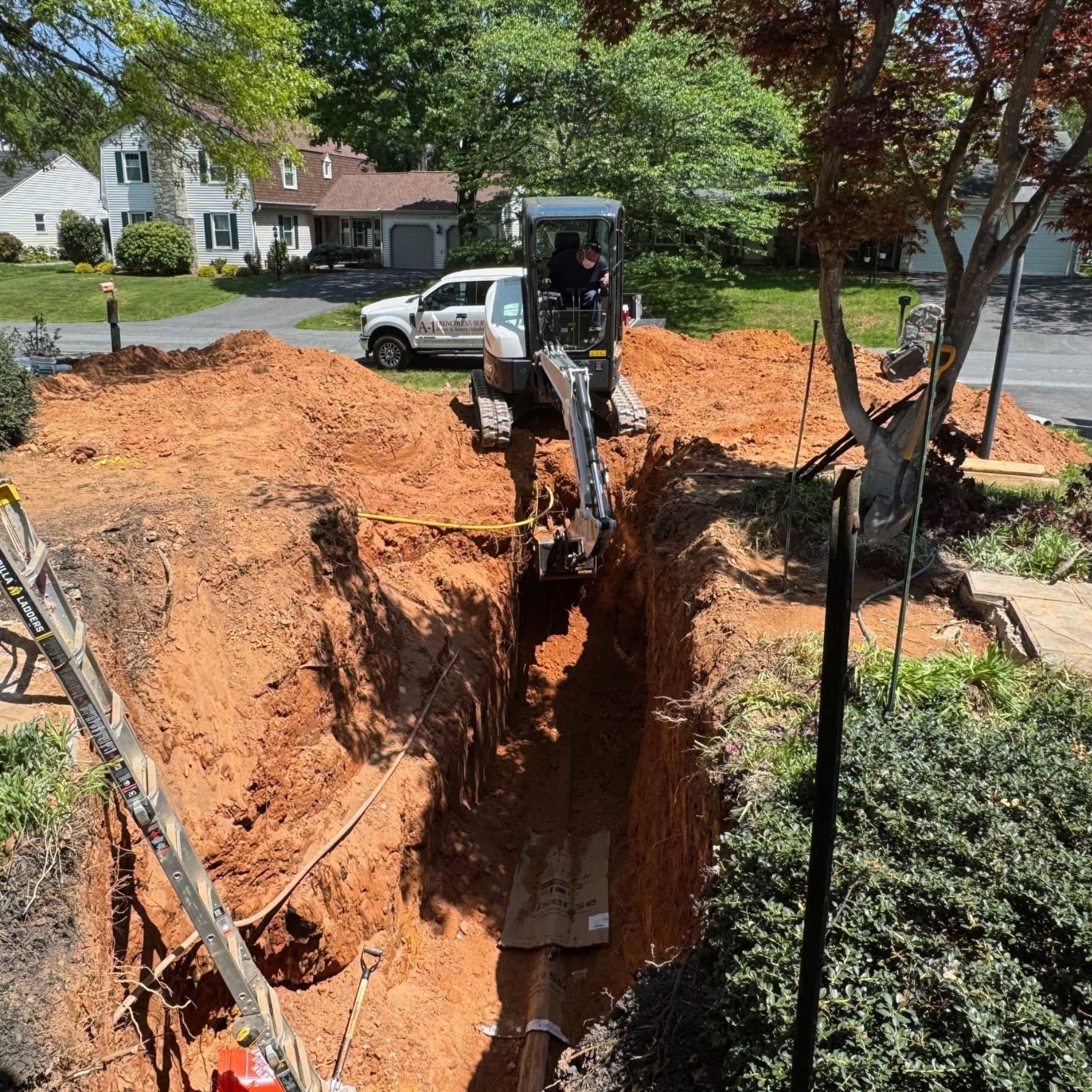
A sudden spike in your water bill usually gets attention fast. So does a wet patch in the yard that never seems to dry out. But many underground leaks start quietly, and by the time the signs are obvious, the damage and repair cost can be much bigger than they needed to be. That is why water line leak detection matters. It helps pinpoint where the problem is, how serious it is, and what repair approach makes the most sense before unnecessary digging begins.
For homeowners and property managers, the real issue is not just the leak itself. It is the uncertainty. You may know something is wrong, but not whether you are dealing with a small pinhole leak, a cracked service line, a failed connection, or an aging pipe that is ready to fail in more than one spot. Good detection work removes that guesswork and gives you a clear path forward.
What water line leak detection is really meant to do
The goal is not simply to confirm that a leak exists. In many cases, you already suspect that. The real value is locating the leak as accurately as possible, identifying the likely cause, and helping determine whether a repair or full replacement is the smarter investment.
That distinction matters. If a pipe has one isolated issue, a targeted repair may be enough. If the line is heavily corroded, made of outdated material, or has multiple weak points, fixing one spot may only buy you a little time. Accurate detection supports better decisions, not just faster digging.
For underground water lines, especially those running from the meter to the building, leaks can stay hidden for a long time. Unlike a burst pipe inside a wall, the signs are often indirect. You may notice lower water pressure, muddy soil, foundation moisture, unusually green grass over the line, or the sound of running water when no fixtures are on. Commercial sites may see operational disruptions, pavement issues, or unexplained water usage increases.
Common signs you may need water line leak detection
Some warning signs are subtle, and others are hard to ignore. A higher utility bill is one of the most common. Another is a drop in pressure throughout the home or building, especially if it appears without any recent plumbing changes.
Outdoor clues matter too. Soft ground, standing water, sinkage, or a narrow strip of greener grass can all point to a leak below the surface. In colder months, a leak may show up as an area that thaws faster than the surrounding ground. Indoors, you might notice moisture near the foundation, musty smells, or water entering lower levels for no clear reason.
It depends on where the line runs and how severe the leak is. A small leak in sandy soil may spread without obvious pooling. A larger break in compacted ground may surface faster. That is one reason visual signs alone are not enough to plan a repair.
How professionals locate underground leaks
Modern water line leak detection uses equipment designed to narrow the search area before excavation starts. The method depends on the property, pipe material, depth, site conditions, and whether the line is residential, commercial, or part of a larger utility system.
Acoustic leak detection is one of the most common approaches. Pressurized water escaping a pipe creates sound and vibration. With trained listening and the right tools, technicians can track those signals and identify the most likely leak location. This can be highly effective, but results vary with pipe type, background noise, and soil conditions.
Pressure testing is another useful tool. It helps confirm whether a line is losing water and can support other findings. In some cases, isolation testing is used to narrow the issue to a specific section of line.
Advanced locating equipment can also help map underground utilities and trace the path of the water service line. That matters because many property owners do not know the exact route the line takes from the meter to the house or building. If you do not know where the pipe is, even a skilled repair crew starts with a disadvantage.
For some situations, especially where access points exist or related drainage concerns are involved, camera-based inspection methods can support the diagnosis. While video inspection is more commonly associated with sewer lines, the broader advantage is the same: better information before the repair plan is set.
Why accurate leak detection saves money
Some people hesitate to schedule leak detection because they are worried it adds another step and another cost. In practice, it often helps control both.
Without proper detection, repairs can turn into trial-and-error excavation. That means more labor, more disruption to landscaping or pavement, and more time spent searching for the source of the problem. If the first dig is in the wrong place, the cost rises quickly.
Accurate location work can also prevent under-scoping the job. For example, if the issue is not a single leak but a deteriorated line, a temporary patch may look cheaper up front while leading to another emergency a few months later. Detection helps reveal whether you are dealing with a localized failure or a bigger infrastructure problem.
That is where experienced underground plumbing specialists make a difference. They are not just looking for water in the ground. They are evaluating the condition of the line, the site constraints, and the repair options that will hold up.
When repair makes sense and when replacement is better
This is where a lot of property owners want a straight answer, and the honest answer is that it depends.
If the pipe is relatively modern, the leak is isolated, and the rest of the line is in good condition, spot repair may be the right move. It can restore service quickly and keep the work area small.
If the line is old, corroded, repeatedly leaking, or made from material known to fail over time, replacement may be the more cost-effective option. Paying for repeated excavation, emergency calls, and water loss can cost more than addressing the full line once.
Site conditions also affect the decision. A line running under mature landscaping, hardscaping, driveways, or commercial access areas may benefit from less invasive methods when replacement is needed. Companies like A-1 Trenchless Water & Sewer Repair Services LLC focus on modern diagnostic tools and minimally disruptive repair strategies because protecting the property matters almost as much as fixing the pipe.
Water line leak detection and trenchless planning
Not every water line issue can be solved with trenchless methods, but detection plays a major role in figuring out when low-disruption options are possible. If the line location, depth, material, and failure point are known, planning becomes much more efficient.
That can mean fewer surprises once the job begins. It can also reduce unnecessary digging across lawns, sidewalks, and other finished surfaces. For homeowners, that often translates into a faster project and less cleanup. For commercial and municipal properties, it can mean less interruption to daily operations.
The trade-off is that no method fits every situation. Some leaks occur in locations with poor access or involve pipe conditions that require conventional excavation. A dependable contractor should explain that clearly instead of forcing every problem into the same solution.
What to do if you suspect a hidden water line leak
If you think your property has a water line leak, acting early usually gives you more options. Start by paying attention to patterns. Has your bill increased without a change in usage? Is pressure lower than normal? Are there wet or unusually green areas outside?
If the signs are strong, professional testing is the next step. Waiting can lead to soil erosion, foundation concerns, utility waste, and larger repair costs. In commercial settings, delays can also create safety issues or service disruptions that affect tenants, employees, or customers.
Before work begins, ask how the leak will be located, what equipment will be used, and whether the provider handles both repair and replacement. You want a clear diagnosis and a practical repair plan, not just a rough guess.
A hidden leak can feel like one more problem you did not need. The good news is that the right detection process brings clarity fast, and once you know exactly what is happening underground, the next step becomes much easier to take.
First published . Written by the A-1 Trenchless team.