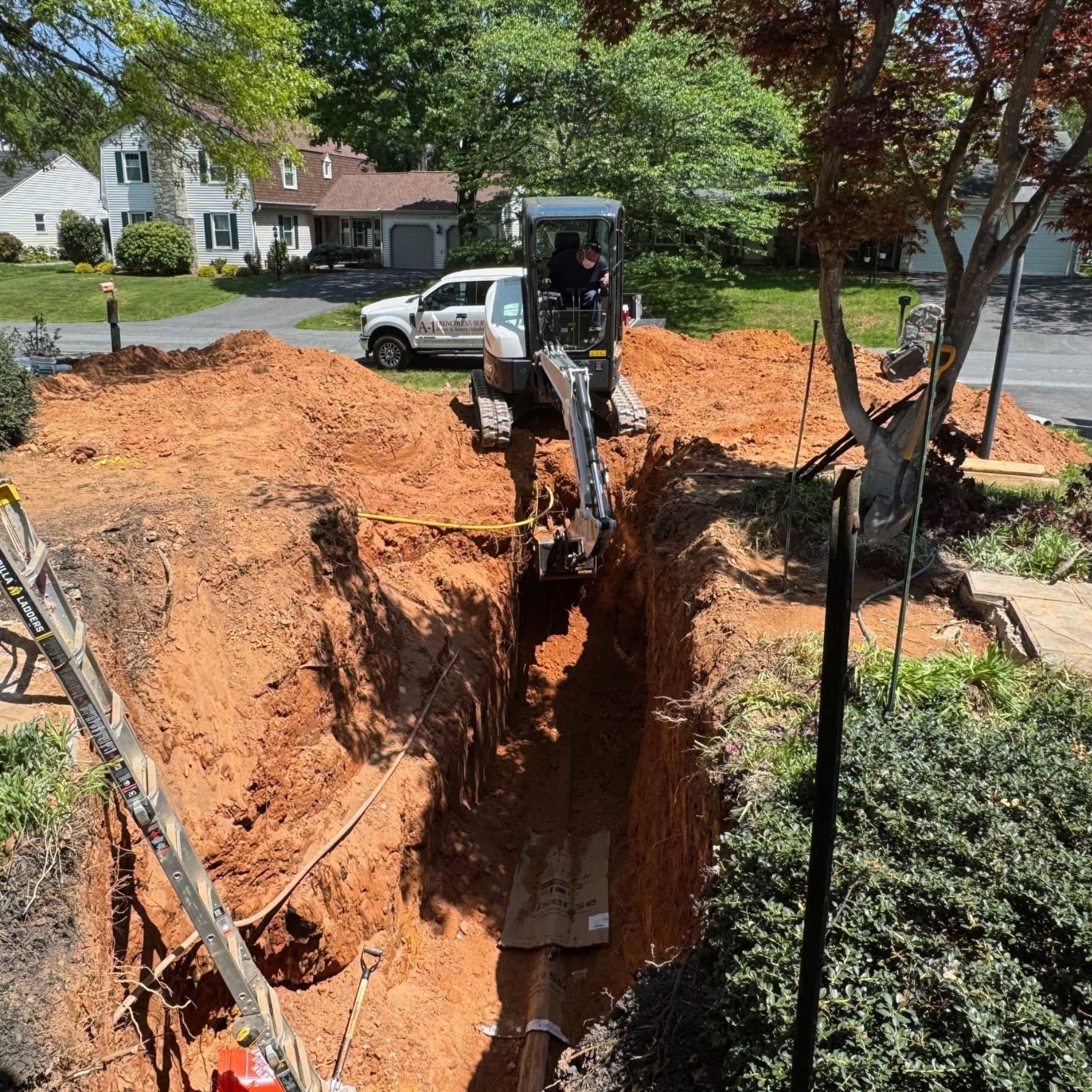
Would you hand over your life savings for a home if you knew a $20,000 repair bill was waiting just inches beneath the front lawn? Most Maryland buyers spend hours examining granite countertops while completely overlooking the home’s most expensive invisible asset. Since a sewer line inspection for home purchase isn’t part of a standard home inspection, many people miss the signs of trouble until it’s too late. It’s a common mistake, but one that’s easily avoided with the right professional guidance.
You deserve peace of mind before you sign that contract. This guide will show you how a video pipe inspection report provides the clarity you need to negotiate a fair price or avoid a massive financial burden. We’ll also explain how modern trenchless sewer repair can fix issues without destroying your new landscaping. By the end of this resource, you’ll understand the latest 2026 Maryland property trends and how to protect your investment by turning a hidden risk into your most powerful negotiation tool.
Key Takeaways
- Understand why standard home inspections miss underground issues and how a video audit reveals the true condition of the lateral line.
- Identify high-risk factors in Maryland neighborhoods that make a sewer line inspection for home purchase essential for avoiding five-figure repair bills.
- Learn the “live feed” technique to witness the pipe’s condition firsthand and gather professional evidence during the diagnostic process.
- Master negotiation strategies to secure closing credits for repairs instead of settling for a seller’s temporary or low-quality fix.
- Discover how trenchless sewer repair preserves your property’s landscaping and driveways by restoring pipes without the need for destructive excavation.
Table of Contents
- Why a Standard Home Inspection Isn’t Enough for Your Sewer Line
- Maryland Home Red Flags: When a Sewer Scope is Non-Negotiable
- The Sewer Camera Inspection Process: What to Expect On-Site
- Interpreting the Results: How to Use Your Inspection as a Negotiation Tool
- Found a Problem? How Trenchless Technology Saves Your New Maryland Home
Why a Standard Home Inspection Isn’t Enough for Your Sewer Line
Buying a home involves a mountain of paperwork and high-stakes scrutiny. Most buyers rely on a general home inspector to catch potential issues, but there is a major blind spot in the standard process. A typical home inspection usually stops at the foundation wall. Everything buried beneath your yard remains a mystery unless you specifically request a sewer line inspection for home purchase. This is not just a routine plumbing check. It is a high-definition video audit of the underground lateral line that connects your home to the municipal main.
General home inspectors follow the “Visual Limit” rule. They are trained to evaluate what they can see. They’ll check if the faucets run and the toilets flush, but they won’t send cameras into the pipes. Because sewer line failures are among the top three most expensive home repairs, 2026 buyers in Maryland are increasingly making this diagnostic a mandatory contingency. Without a clear view of the pipe’s interior, you’re essentially gambling on a system that could cost five figures to replace shortly after move-in.
To get a clear picture of what is happening underground, professionals use specialized CCTV drain cameras. These waterproof tools travel the full length of the lateral line, providing a real-time look at the structural health of the pipe. This level of detail is the only way to confirm if the system is truly reliable or a ticking financial time bomb.
The Gap Between Functional Drains and Structural Integrity
A toilet that flushes perfectly during an open house doesn’t guarantee a healthy sewer system. Pipes can be partially collapsed or choked with roots and still allow water to pass for a short time. Many buyers misdiagnose slow drains as simple clogs that a bottle of liquid cleaner can fix. In reality, these are often symptoms of a structural break or a major blockage. The moment you sign those closing papers, the liability shifts entirely to you. If that pipe fails a week after you move in, the repair bill is your responsibility alone.
What a Sewer Scope Reveals That You Can’t See
Diagnostic video tools identify specific threats that remain hidden to the naked eye. We look for “bellies,” which are sagging sections of pipe where water and debris pool, eventually causing chronic backups. For those buying in established Maryland neighborhoods, we often find cast iron pipe problems such as internal channeling or heavy scale buildup. Additionally, our local shifting clay soils frequently cause offset joints. This occurs when two sections of pipe move out of alignment, creating a ledge that catches waste and invites root intrusion.
Maryland Home Red Flags: When a Sewer Scope is Non-Negotiable
If you are touring a property in Bethesda or Kensington, the first thing you should look at isn’t the kitchen backsplash. It’s the trees. These neighborhoods are famous for their towering, mature Oaks and Maples. While they provide beautiful curb appeal, their root systems are relentlessly programmed to seek out moisture. A tiny crack in a sewer joint is enough for a microscopic root hair to enter. Within months, it can grow into a massive “root ball” that completely blocks the line. A sewer line inspection for home purchase can save you thousands by identifying these intrusions before they lead to a catastrophic backup in your new basement.
Age is another critical factor. Any Maryland home built before 1980 is a high-priority candidate for a scope. This was the era of clay tile and cast iron, materials that have reached or exceeded their original design life. Even newer homes aren’t immune. If you notice a brand-new driveway or fresh landscaping on a property that is twenty years old, be cautious. Heavy machinery used during these renovations can easily crush shallow sewer lines, leaving a problem that won’t manifest until months after you’ve moved in. Don’t fall for the “Sewer Smell” myth, either. A pipe can be 90% blocked or structurally failing without ever producing an odor inside the house. If you are concerned about the integrity of a local lateral line, a professional video pipe inspection is the only way to get a definitive answer.
Regional Soil and Landscape Risks in Montgomery County
Maryland’s heavy clay soil presents a unique challenge for underground infrastructure. This soil type is highly expansive. It swells when wet and shrinks during our dry spells, leading to significant ground shifting. This movement creates a “shearing” effect on rigid pipes, often snapping them at the joints. When you combine this shifting ground with our frequent heavy rainfall, aging and porous pipe materials become incredibly vulnerable to collapse. Buyers in neighboring areas should also be aware that a sewer scope inspection in Howard County reveals the same clay soil risks and mature tree root threats that make video diagnostics essential throughout the region.
Historical Pipe Materials Found in Damascus and Rockville
In Damascus and Rockville, we frequently encounter clay tile pipes. These are notorious for their segmented joints, which are the primary entry points for roots. We also see a significant amount of cast iron in older homes. Over decades, these pipes develop internal corrosion and scale that snags debris. For these systems, professional pipe descaling is often required to restore the interior diameter. Perhaps the most dangerous material is “Orangeburg” pipe, a tar-paper composite used in some post-war developments. This material is known to flatten and disintegrate over time, making a camera inspection essential for any buyer in these historical zones. Once you’ve closed on your new home, staying ahead of recurring clogs with a proper main drain cleaning Damascus maintenance checklist will help you avoid the same issues that plagued previous owners.
The Sewer Camera Inspection Process: What to Expect On-Site
When our technician arrives for a sewer line inspection for home purchase, the process is methodical and transparent. We begin by locating the main cleanout, which serves as the primary gateway to the underground system. This capped pipe is usually found in the basement, crawlspace, or just outside the foundation wall. The cleanout is the critical access point for all future maintenance and the only way to safely introduce diagnostic tools without dismantling plumbing fixtures.
Once we secure access, a high-resolution, waterproof camera is inserted into the lateral line. We highly recommend that buyers participate in the “Live Feed” experience. By watching the monitor alongside our expert, you get an immediate, unedited look at the pipe’s interior. You’ll see exactly what we see, whether it’s a perfectly smooth run or a section choked with roots. This real-time viewing builds confidence in the findings and ensures you have a clear understanding of the home’s infrastructure before the technician even leaves the property.
If the camera reveals a structural flaw or a blockage, we don’t leave the location to guesswork. We use specialized electronic locators that track the signal from the camera head. This allows us to map the exact depth and position of the problem relative to the surface. Knowing whether a break is under a flowerbed or beneath a paved driveway is essential for calculating accurate repair costs. Every professional video pipe inspection should culminate in a digital report, providing you with the recorded footage and a professional summary to share with your real estate agent.
Step-by-Step: From Entry to Report
- Camera Insertion: We carefully feed the flexible, high-definition camera into the sewer lateral to begin the scan.
- Full Navigation: The camera travels the entire length of the pipe until it reaches the municipal tap or the septic tank connection.
- Digital Recording: We capture clear footage with precise footage markers, which serves as your permanent record for future reference or negotiation.
Common Obstacles During the Inspection
Sometimes the inspection hits a snag before it truly begins. If a home lacks an accessible cleanout, we may need to access the system through a roof vent or by temporarily pulling a toilet. Another frequent issue is standing water. If a pipe has a “belly” or a significant clog, water pools and obscures the camera lens. When this happens, professional hydro jetting might be required to clear the line so we can perform a clear and thorough visual assessment.
Interpreting the Results: How to Use Your Inspection as a Negotiation Tool
Once the camera is out of the ground, the real work begins. You now hold a high-stakes financial audit in your hands. We categorize findings into two distinct groups: minor maintenance and structural failure. Minor issues like light debris or grease buildup usually require professional drain cleaning. However, structural failures like collapsed sections or severe bellies are different. These are the “money pits” that should make you reconsider the purchase if the seller won’t cooperate. A sewer line inspection for home purchase provides the objective data you need to make an informed choice.
We often recommend taking a cash credit at closing rather than letting a seller hire their own plumber. Sellers are naturally motivated to find the cheapest, fastest fix just to get the deal across the finish line. By taking the credit, you maintain control over the quality of the work. You can choose a modern, long-lasting solution like trenchless technology rather than a temporary patch. If you’re unsure about a general plumber’s quote, getting a second opinion from a specialized trenchless company often yields more accurate repair estimates and long-term peace of mind.
The Negotiation Framework: Fix vs Credit
A professional video pipe inspection report is your most valuable asset at the bargaining table. Use the footage markers and technician’s notes to request a specific dollar amount based on professional estimates. If the seller insists on performing the repair themselves, you must require a transferable warranty. This protects you if the fix fails six months after you move in. When sellers claim the system is “working fine,” point to the specific footage of offset joints or cracks. Visual evidence is hard to argue with and shifts the leverage back to the buyer.
Understanding the Severity of Root Intrusion
It’s vital to distinguish between hairline “feeder” roots and structural “tap” roots. Feeder roots are often a maintenance issue that can be managed with hydro jetting. Tap roots are much more serious. These indicate the pipe’s structural integrity is already compromised because the roots have found a significant opening to thrive. Don’t be fooled by a seller offering to “just snake the line.” Snaking is a temporary band-aid that clears a path but leaves the root entry point wide open. Without a permanent seal or pipe relining, those roots will return, often causing even more damage as they grow. New homeowners in the Damascus area should follow a dedicated main drain cleaning Damascus maintenance checklist to stay ahead of root intrusion and prevent recurring backups after closing.
Ready to protect your investment? Schedule your video pipe inspection today to ensure you have the facts before you close.
Found a Problem? How Trenchless Technology Saves Your New Maryland Home
If your diagnostic report reveals a break or a blockage, don’t panic. Finding an issue during a sewer line inspection for home purchase actually gives you the upper hand before you sign the final papers. In the past, a broken sewer line meant excavating the entire yard, destroying expensive landscaping, and tearing up driveways. Today, modern trenchless technology offers a “No-Dig” advantage that solves the problem from the inside out. This approach is particularly valuable for Maryland homes with mature gardens or intricate stonework that would be difficult and costly to replace.
Using trenchless sewer repair in Damascus and surrounding areas allows buyers to address structural failures without the chaos of traditional excavation. Because we don’t have to spend days digging and refilling trenches, the speed of the repair is significantly faster. This efficiency is a lifesaver when you’re working within a tight closing window. You get a permanent solution that preserves your new home’s curb appeal and protects your porches and driveways from heavy machinery. It’s a modern fix that prioritizes the preservation of your property.
The Modern Buyer’s Solution: CIPP Lining
Cured-in-Place Pipe (CIPP) lining is essentially a structural “pipe-within-a-pipe.” We insert a flexible liner saturated with epoxy resin into the existing line. Once it cures, it creates a smooth, jointless pipe that is often stronger than the original material. Research shows these modern epoxy liners have a life expectancy of 50 years, which matches or exceeds the lifespan of brand-new pipes. Because the total cost of trenchless repair is often lower than traditional digging when you factor in surface restoration, it serves as a powerful negotiation lever to secure a fair closing credit from the seller.
Why A-1 Trenchless is the Preferred Partner for MD Real Estate
We understand that real estate transactions move quickly. Our team provides rapid, same-day inspection reports so you can make informed decisions during your contingency period without delay. We specialize in both diagnostic camera work and advanced solutions like pipe bursting vs pipe lining, ensuring you get the most effective fix for your specific property needs. By coordinating directly with real estate agents, we help keep the transaction moving forward smoothly. We turn a potential deal-breaker into a manageable, long-term improvement for your new home, ensuring you move in with total confidence in your underground assets.
Move Forward with Total Confidence in Your New Home
Buying a property is a major milestone, but it shouldn’t come with hidden five-figure liabilities. By now, you understand that a standard inspection leaves the most expensive part of your plumbing unexamined. A professional sewer line inspection for home purchase bridges that gap, providing the high-definition evidence you need to negotiate fairly. Whether you’re dealing with mature roots in Bethesda or aging cast iron in Rockville, having a clear video report ensures you aren’t inheriting someone else’s maintenance nightmare.
At A-1 Trenchless, we bring over 15 years of local Maryland expertise to every diagnostic call. We use modern high-definition camera technology to give you a crystal-clear view of your potential home’s underground health. As specialists in no-dig trenchless restoration, we don’t just find problems. We provide modern, efficient solutions that preserve your property’s value and your peace of mind. Protect your investment with a professional Sewer Scope from A-1 Trenchless today. You’ve worked hard to find the perfect house. Let’s make sure the foundation and everything beneath it are ready for your future.
Frequently Asked Questions
How much does a sewer line inspection for a home purchase cost in Maryland?
Industry data for the Baltimore area shows that a professional camera inspection averages approximately $890, with typical ranges falling between $302 and $1,624. Some buyers choose to add this as a specialized service to their general home inspection for a smaller fee. However, hiring a dedicated plumbing expert ensures you receive a more detailed structural analysis and a high-definition recording that a generalist might not provide.
Does a standard home inspection include a sewer camera scope?
No, a standard home inspection does not include a sewer camera scope. General inspectors follow a visual-only protocol that focuses on reachable fixtures and basic drainage functionality. They don’t have the specialized technology required to see underground. To protect your investment, you must book a separate sewer line inspection for home purchase to evaluate the lateral line’s structural integrity before closing.
Should I get a sewer inspection for a brand-new construction home?
Yes, even new construction homes benefit from a video audit. It’s common to find construction debris, such as wood scraps or concrete, accidentally flushed into the lines during the building process. Additionally, heavy machinery used on-site can crush or misalign brand-new pipes before the house is finished. Catching these defects early ensures the builder remains responsible for the repairs while the property is still under warranty.
What are the most common sewer line problems found in Maryland homes?
Maryland properties frequently face issues like tree root intrusion and “bellies,” which are sagging sections caused by our expansive clay soil. Older homes in established neighborhoods often show signs of internal corrosion in cast iron pipes or offset joints in clay tiles. These problems often go unnoticed because they don’t always cause immediate backups, making a camera inspection the only reliable way to detect them before they fail.
How long does a sewer scope inspection take to complete?
A typical sewer scope inspection takes between 30 and 60 minutes to complete. This timeframe includes locating the main cleanout, navigating the camera through the full length of the lateral line, and recording the digital footage. If the technician encounters significant blockages or difficult access points, it may take slightly longer to ensure a thorough and accurate assessment of the pipe’s interior condition.
Can I use a sewer inspection report to lower the house price?
You can absolutely use the inspection report as a powerful negotiation tool. If the camera reveals structural damage or heavy root growth, you can request a price reduction or a closing credit to cover future repairs. Most sellers prefer to offer a credit rather than losing a deal, giving you the funds to hire your own trusted trenchless specialist after the transaction is complete.
What happens if the inspector finds tree roots in the sewer line?
If roots are found, the technician will assess their severity to determine if they are minor “feeder” roots or structural “tap” roots. Minor cases can often be cleared with professional hydro jetting. However, if the roots have caused cracks or joint displacement, a more permanent solution like trenchless pipe lining may be necessary to seal the entry points and prevent the roots from returning and causing further damage.
Who is responsible for the sewer line: the homeowner or the city?
The homeowner is generally responsible for the entire lateral line that runs from the house to the connection at the municipal main. This includes the portion buried under the sidewalk or street in many Maryland jurisdictions. The city or county only takes responsibility for the large main line itself. This makes a sewer line inspection for home purchase critical, as any underground repairs on your property are your personal financial liability.
First published . Written by the A-1 Trenchless team.