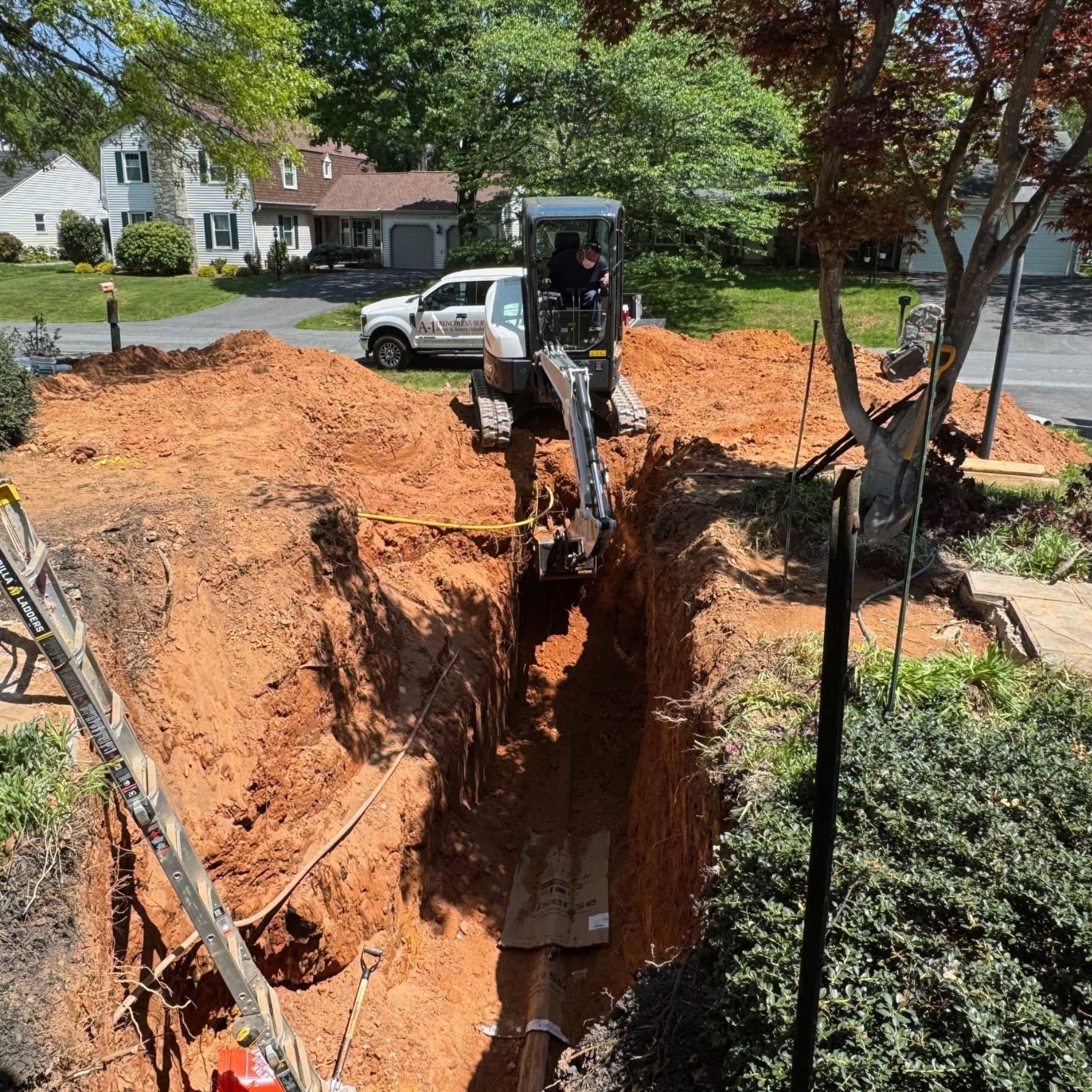
A water line can leak for days or weeks before you see a stain, soft spot, or spike in the bill. That is why electronic water leak detection matters. It helps locate hidden leaks in walls, under slabs, beneath driveways, and across yards without relying on guesswork or unnecessary excavation.
For homeowners and property managers, the biggest advantage is simple, faster answers with less disruption. When a leak is underground or behind finished surfaces, tearing into multiple areas to search for it can waste time, raise repair costs, and create avoidable damage. Electronic leak detection gives plumbing professionals a more accurate starting point so repairs can be focused where they need to be.
What electronic water leak detection actually does
Electronic water leak detection uses specialized equipment to identify the likely location of a leak by listening for sound, measuring changes in pressure, or tracing the path of a water line. Different tools may be used depending on the pipe material, depth, property layout, and whether the leak is inside or outside.
In practical terms, this process helps narrow down where water is escaping before repair work begins. Instead of treating the property like a mystery, technicians can test the system, collect data, and confirm the most likely problem area. That matters when the leak is under concrete, under landscaping, or somewhere not visible from the surface.
Not every leak sounds the same or behaves the same way. A pressurized copper line under a slab may produce a very different reading than a leaking service line running across a front yard. That is one reason experience matters. The equipment is valuable, but knowing how to interpret the results is what leads to an accurate diagnosis.
Common signs you may need electronic water leak detection
Sometimes the warning signs are obvious. More often, they are easy to dismiss until the damage becomes expensive. If your water bill jumps without a clear reason, that is worth checking. The same goes for damp areas in the yard, warm spots on flooring, low water pressure, moldy odors, or the sound of running water when no fixtures are on.
Commercial and municipal properties may notice it differently. A facility manager might see unexplained usage, recurring wet pavement, or a drop in system performance. In either case, hidden leaks tend to get worse, not better. Waiting can turn a manageable repair into structural damage, erosion, or a more extensive line replacement.
A small leak also does not always mean a small problem. A pinhole in the right place can damage flooring, drywall, foundations, or landscaped areas over time. Finding it early is often the difference between a targeted fix and a much larger project.
How electronic water leak detection works in the field
The process usually starts with the basics. A technician will ask about symptoms, review where the issue appears to be happening, and test the plumbing system. From there, they may use acoustic listening devices, pressure testing, line tracing equipment, or other diagnostic tools to isolate the leak area.
Acoustic equipment is commonly used because pressurized water escaping from a pipe creates sound and vibration. Sensitive listening tools can help detect those sounds even when the pipe is underground or beneath concrete. In the right conditions, this can be extremely effective.
Pressure testing can help confirm whether a line is losing water and whether the leak is likely on a specific section of the system. Line tracing can help map the route of hidden pipes so the technician is not searching blind. On some jobs, multiple methods are used together because one reading alone may not tell the full story.
This is also where trade-offs come in. Soil conditions, pipe depth, surrounding noise, pavement, pipe material, and active water use in the building can all affect how clearly a leak shows up. Electronic detection is a powerful diagnostic approach, but it is not magic. The best results come from combining the equipment with field experience and a clear repair plan.
Why this method is often better than guesswork
The old way of finding a hidden leak often meant opening walls, cutting floors, or digging several test holes until the leak was finally uncovered. Sometimes that is still necessary, especially when systems are heavily damaged or access is limited. But in many cases, electronic leak detection reduces how much searching has to happen first.
That can save money in more than one way. It may reduce labor, limit property disturbance, and shorten the repair timeline. For a homeowner, that can mean less damage to flooring, drywall, concrete, or landscaping. For a business, it can mean less downtime and fewer interruptions to daily operations.
It also improves decision-making. If a technician can pinpoint a leak to a specific area, it becomes easier to determine whether spot repair makes sense or whether the line condition points toward replacement. That distinction matters because the cheapest immediate fix is not always the most cost-effective long-term choice.
Electronic water leak detection for homes and commercial properties
Residential leak detection often focuses on slab leaks, water service lines, irrigation lines, and interior piping hidden behind finished surfaces. Homeowners usually want the same thing, find the issue quickly and fix it without tearing up the property more than necessary.
Commercial properties can be more complex. Larger buildings, longer pipe runs, paved service areas, and multi-zone systems can make leak location harder. That is where advanced diagnostic equipment becomes especially valuable. The goal is not just to find water loss. It is to locate it accurately enough to plan an efficient repair and keep the property functioning.
For municipal or multi-property settings, speed and documentation also matter. Decision-makers may need a clearer picture of the problem before approving excavation or replacement work. Electronic detection helps create that picture.
What happens after the leak is located
Once the leak area is identified, the next step is choosing the right repair approach. Sometimes that means a direct repair on a small accessible section of pipe. In other cases, a damaged or aging line may be better served by partial replacement or a full water line replacement.
This is where a trustworthy contractor makes a difference. Good diagnostics are only part of the job. You also need a team that can explain the findings clearly, walk you through your options, and complete the repair with as little disruption as possible.
In some situations, minimally invasive methods may be available. In others, conventional excavation is still the right answer. It depends on the pipe material, location, extent of damage, and condition of the overall line. The key is making that decision based on evidence instead of assumptions.
A-1 Trenchless Water & Sewer Repair Services LLC works with advanced diagnostic equipment because accurate leak location leads to smarter repairs. For property owners in Damascus and nearby areas, that means less guesswork, faster response, and a better chance of protecting the home, building, or site from avoidable damage.
When to call for electronic water leak detection
If you suspect a hidden leak, waiting rarely improves the situation. Water can undermine soil, weaken slabs, damage finishes, and create conditions for mold and structural issues. Even if the leak seems minor, the cost of delay can add up fast.
The best time to call is when something feels off and you cannot see a clear cause. Unexplained water usage, wet spots, pressure changes, and recurring moisture are all good reasons to have the system checked. A professional inspection can confirm whether there is an active leak and where repair efforts should begin.
The right diagnosis brings peace of mind as much as it brings technical answers. When you know where the problem is, you can stop guessing, protect the property, and move forward with a repair plan that makes sense. If hidden water loss is putting your home or building at risk, electronic water leak detection is often the fastest path to a clear answer.
First published . Written by the A-1 Trenchless team.