What if that rhythmic bubbling from your bathroom sink isn’t just a minor annoyance, but actually a “plumbing cry for help” signaling a looming disaster? If you are dealing with gurgling drains and toilet issues, it is incredibly stressful to wonder if sewage is about to back up into your bathtub. You shouldn’t have to live with the uncertainty of repair costs or the fear of a torn-up yard. We understand that your home is your sanctuary, and a mysterious sound in the pipes can feel like a ticking clock.
In this guide, you will learn exactly why your plumbing is making noise and follow our step-by-step diagnostic process to stop these sounds before they cause property damage. Whether it is an air pressure imbalance or a blockage deep in the main line, we have the answers you need. We will walk you through identifying the root cause, understanding the impact of the latest 2026 plumbing code updates, and exploring modern, non-invasive solutions like video pipe inspection and trenchless repair to restore your home’s peace and quiet without the mess of traditional excavation.
Key Takeaways
- Understand the science behind the water seal in your P-trap and how air pressure imbalances cause loud gurgling drains and toilet backups.
- Follow a five-step diagnostic process to determine if your issue is a simple fixture clog or a more serious main sewer line blockage.
- Identify the warning signs of a blocked vent stack or invasive tree roots before they lead to a complete sewer backup.
- Discover why a video pipe inspection is the most reliable way to diagnose hidden damage without invasive digging.
- Learn how modern trenchless technology and hydro jetting provide long-term fixes for noisy pipes while preserving your landscaping.
Table of Contents
- Why Your Pipes Are Talking: The Science of Gurgling Drains
- 5 Steps to Diagnose Gurgling Drains and Toilets
- Venting Issues vs Main Line Blockages
- Professional Solutions: Clearing the Gurgle for Good
- Stopping the Gurgle Permanently with Trenchless Technology
Why Your Pipes Are Talking: The Science of Gurgling Drains
Your plumbing relies on a delicate balance of water and air to function quietly. Every sink, tub, and shower in your home features a P-trap, which is a U-shaped pipe designed to hold a small amount of water. This water acts as a physical seal, preventing sewer gases from entering your living space. When you notice gurgling drains and toilet issues, it usually means that seal is being disturbed. A blockage downstream creates a vacuum as water tries to force its way past an obstruction. This vacuum then “sucks” air through the P-trap to equalize pressure, creating that distinctive bubbling or “chucking” sound as air moves through the water seal.
Distinguishing between a localized and systemic problem is your first diagnostic step. If only the kitchen sink gurgles when you run the faucet, the clog is likely within that specific branch line. However, if flushing the toilet causes the bathtub to bubble or the kitchen sink to make noise, you are dealing with a systemic issue. The toilet is often the primary trigger because it discharges a significant volume of water in a matter of seconds. This sudden surge puts the most stress on your pipes, making it the first fixture to expose hidden blockages or pressure imbalances.
The Role of Air in Your Plumbing System
Pipes don’t just carry water. They must also breathe. Your home uses a Drain-waste-vent system to regulate internal pressure and ensure smooth flow. Vent stacks, which are the pipes visible on your roof, allow air to enter the system as water flows out. Think of it like a straw filled with water. If you keep your finger over the top, the water stays put or moves very slowly. Once you release your finger, air enters and the water flows freely. When these vents are blocked by debris, snow, or bird nests, the “straw effect” takes over, leading to slow drainage and noisy pipes.
Common Triggers for Toilet and Drain Noises
Modern upgrades can sometimes clash with older infrastructure. For instance, installing a high-efficiency toilet that flushes 1.28 gallons of water into an older cast iron system with existing scale buildup can trigger air-pressure issues. You might also hear your kitchen sink “chuckle” when the washing machine drains. This happens because the high-velocity discharge from the washer’s pump overwhelms a partially restricted line. In Montgomery County, heavy rain events can also saturate local sewer lines, causing temporary pressure changes that result in a gurgling drains and toilet scenario even if your internal pipes are relatively clear.
5 Steps to Diagnose Gurgling Drains and Toilets
Diagnosing a gurgling drains and toilet issue requires a methodical approach to separate minor clogs from major sewer failures. You don’t need to be a master plumber to perform these initial checks. By following these five steps, you can pinpoint the source of the noise and determine the urgency of the repair.
- Step 1: Map the noise. Identify exactly which fixtures are making noise and what action triggers it. If the shower gurgles only when the toilet flushes, you have a pressure problem in the main waste line.
- Step 2: Check the drain speed. Observe if the water leaves the basin quickly or lingers. A noisy but fast drain usually indicates a venting problem, while a slow, noisy drain points toward a physical obstruction.
- Step 3: Inspect the roof vent. Safely check the vent stacks on your roof for visible debris. Bird nests, clusters of leaves, or even frost can block the air flow needed to equalize pressure.
- Step 4: Perform a plunge test. Use a flange plunger on the affected toilet or a cup plunger on the sink. If a few firm plunges silence the gurgle, you likely cleared a localized air pocket or a soft clog.
- Step 5: Monitor for sewage smells. If the gurgling is accompanied by a rotten egg odor, your P-trap has likely lost its water seal. This allows sewer gases to escape into your home, which is a health hazard that requires immediate attention.
Isolating the Problem Area
Determining whether the issue is in a single branch line or the main stack is vital for your repair strategy. You can use a simple bucket test by pouring five gallons of water down a specific drain all at once. If the drain handles the volume without a sound, that branch is clear. However, if the water backs up or causes a nearby fixture to bubble, the restriction is deeper in the system. Signs that the problem exists outside your home’s walls include multiple fixtures gurgling simultaneously or water rising in the lowest floor’s floor drain. For those on a private system, following standard septic system maintenance protocols is essential to prevent these systemic backups.
Safe DIY Checks Before Calling a Pro
You can safely clear a P-trap by placing a bucket beneath the sink and unscrewing the slip nuts by hand. Removing hair and soap scum here often solves localized gurgling without the need for tools. If you suspect a roof vent clog, you can carefully use a garden hose to run water down the stack from the roof to wash away debris. Never attempt this on a steep or slippery roof. Be wary of chemical drain cleaners. In older Maryland homes with cast iron pipes, these caustic chemicals often sit in the pipe and cause corrosion, making the gurgling worse by creating rough surfaces that catch more debris. If DIY efforts don’t resolve the sound, professional hydro jetting services in Damascus, MD can clear the line thoroughly without damaging your plumbing.
Venting Issues vs Main Line Blockages
Gurgling is rarely a random occurrence. It is the number one symptom of a blocked vent stack. While a clog in a single sink might cause a slow drain, a sound that resonates through multiple fixtures usually indicates a pressure problem. You can often tell the difference between a venting issue and a main line blockage by watching the “backup sequence” in your bathroom. If your bathtub begins to fill with water the moment you flush the toilet, you aren’t just dealing with a vent problem. That is a clear sign that the main sewer line is obstructed, forcing wastewater to find the lowest exit point in your home.
Local environmental factors in Maryland also play a significant role in how your pipes behave. The heavy clay soil common in Damascus and surrounding areas is known for shifting during seasonal temperature changes. This movement can cause underground pipes to settle or “belly.” A pipe belly is a sag where water pools constantly instead of flowing toward the city main. These pools trap air, which leads to persistent gurgling drains and toilet noises even when no physical clog is present. Identifying whether the sound is caused by air pressure or a physical sag is the key to choosing the right repair method. Understanding what causes a sewer line to break in Maryland’s specific soil and climate conditions can help you determine whether you are dealing with a temporary blockage or the early signs of structural pipe failure.
The Rooftop Mystery: Blocked Vent Stacks
Maryland’s wildlife and weather create unique challenges for your home’s respiratory system. Squirrels often drop acorns into the warm openings of vent stacks, and birds may even build nests there during the spring. In the winter, frost can build up around the pipe opening, sealing it completely. When air cannot enter the system from the roof, a vacuum forms every time you use a fixture. This creates a rhythmic “glug-glug” sound, often heard most clearly in the basement or lower-level utility rooms. Beyond the annoying noise, poor venting can lead to sewer gas exposure, as the vacuum can eventually pull the protective water seal right out of your P-traps.
The Underground Threat: Main Sewer Line Clogs
While vents are a common culprit for noise, tree roots are the primary cause of main line failures in Damascus yards. Large oaks and maples have root systems that seek out the moisture inside your pipes. Once they find a tiny crack, they enter and grow into thick, fibrous mats. This makes finding a blockage in your sewer line a high priority before a localized gurgle turns into a full-scale flood. Modern habits, such as using “flushable” wipes, exacerbate this because those materials don’t dissolve. Instead, they snag on roots or rough pipe bellies, quickly closing off the pipe’s diameter. For those moving into a new home, a sewer line inspection for home purchase is a vital step to ensure the underground infrastructure is sound and free of these hidden threats.
Professional Solutions: Clearing the Gurgle for Good
When DIY methods fail to silence the noise, it’s time for a professional diagnosis. A video pipe inspection is the only way to be 100% sure of what is happening underground. By sending a high-definition camera through your lines, we can see exactly where roots have entered or where scale has built up. This eliminates the guesswork that often leads to repeated, unsuccessful repairs. If you’re tired of gurgling drains and toilet backups, seeing the problem firsthand is the first step toward a permanent fix. A camera inspection can also reveal the common culprits behind pipe deterioration, helping you understand what causes sewer line breaks in Maryland homes so you can address structural vulnerabilities before they escalate.
Traditional snaking has been the industry standard for decades, but it has limitations. A plumbing snake is designed to punch a hole through a soft clog to get water moving again. It doesn’t, however, clean the pipe walls. For a more thorough restoration, many homeowners now turn to hydro jetting services in Damascus, MD. This method uses high-pressure water to scour the interior of the pipe, removing the grease, hair, and mineral deposits that restrict airflow and cause gurgling.
Hydro Jetting: The High-Pressure Reset
This process utilizes specialized nozzles that deliver water at 4000+ PSI. It doesn’t just clear a path. It resets the pipe to its original diameter. A common concern for those with vintage plumbing is is hydro jetting safe for old pipes? When performed by an expert who adjusts the pressure based on the pipe’s condition, it is a highly effective way to “scrub” the system clean. By restoring the full internal volume of the pipe, you ensure that air can move freely, preventing the pressure imbalances that cause gurgling drains and toilet noises.
Pipe Descaling for Older Maryland Homes
In older Bethesda properties, cast iron pipes often suffer from “tuberculation,” where rust and minerals create a jagged, crusty surface inside the line. These “rust-choked” pipes snag debris and reduce the effective size of the drain. Many people ask, what is pipe descaling? It is a specialized mechanical process that scrapes away these hard deposits without damaging the pipe itself. Descaling is often the missing link in stopping recurring gurgles because it smooths out the rough surfaces that trap air and waste. To restore your pipes to peak performance and eliminate noise, consider the benefits of professional hydro jetting services in Damascus, MD today.
Stopping the Gurgle Permanently with Trenchless Technology
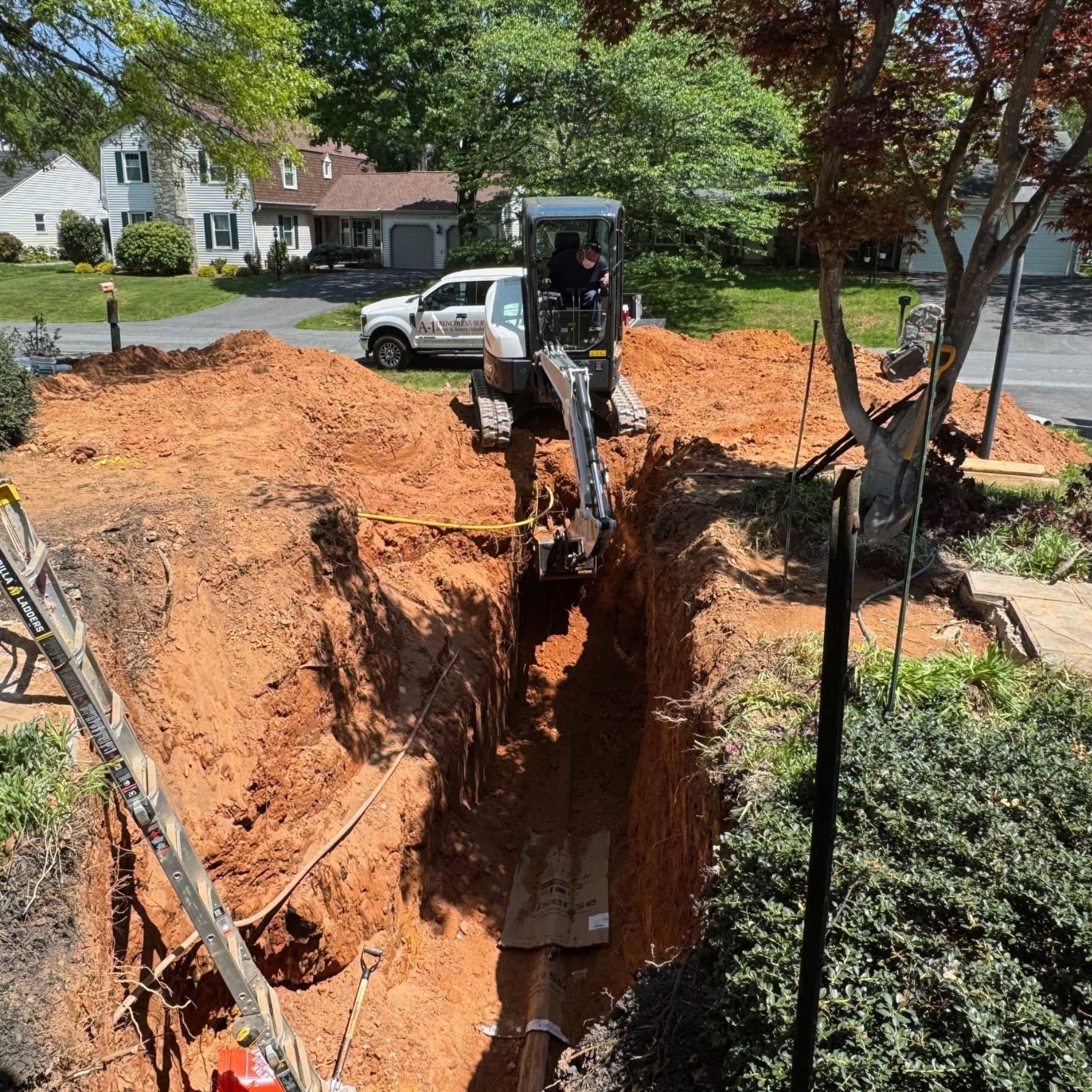
Sometimes, the persistent sound of gurgling drains and toilet backups isn’t just a sign of a simple clog. It’s a symptom of structural failure. If a video inspection reveals a collapsed or cracked sewer pipe, the traditional solution used to involve excavating your entire yard. Fortunately, modern technology offers a much better path. We utilize trenchless sewer repair in Damascus, MD to fix these deep-seated issues without the mess. By creating a smooth “pipe within a pipe,” we eliminate the gaps and cracks where air gets trapped and roots take hold. If you want to understand exactly how does trenchless sewer repair work, from the initial video inspection through the final robotic reinstatement, our complete no-dig guide walks you through every stage of the process.
Traditional digging is disruptive. It requires heavy machinery, destroys established gardens, and can leave your property looking like a construction site for weeks. Choosing a trenchless approach preserves your landscaping and hardscaping. This method is particularly valuable when the failing line runs beneath a mature oak tree or a custom patio. By avoiding the high cost of restoring your yard and driveway, you can invest directly in a long-term solution that strengthens your home’s infrastructure for decades.
No-Dig Solutions for Modern Homeowners
Efficiency is the hallmark of trenchless technology. Most pipe lining projects are completed in a single day, which means your household routine is barely interrupted. The new epoxy liner is resistant to the root intrusion that commonly plagues Maryland properties. This smooth interior also improves flow dynamics, ensuring that wastewater moves quickly without creating the air pressure imbalances that lead to noise. For many local residents, sewer line repair under driveway is a primary concern. We specialize in these complex scenarios, using small access points to renew pipes without cracking a single inch of your concrete or asphalt.
Long-Term Maintenance Checklist
Once your pipes are restored, a proactive approach prevents the gurgling drains and toilet issues from returning. Debris buildup is a gradual process, but it’s easily managed with the right habits. Stick to a simple maintenance routine to protect your investment. First, keep “flushable” wipes out of your system entirely. Despite the marketing, these wipes do not dissolve and are a leading cause of main line obstructions. Second, schedule annual main drain cleaning in Damascus to clear out soap scum and organic matter before they become problematic. Consistent care ensures your plumbing remains silent and reliable. If you suspect your pipes are struggling, contact A-1 Trenchless for a video inspection today to see exactly what is happening inside your lines.
Restore Your Home’s Peace and Quiet
Identifying the source of gurgling drains and toilet noises is the first step toward protecting your property from a messy sewage backup. You now understand that these sounds are often a “cry for help” caused by air pressure imbalances or physical obstructions like tree roots. By following a methodical diagnostic approach and choosing modern solutions like hydro jetting or pipe descaling, you can resolve the issue without unnecessary stress.
Since 2018, our team has served homeowners throughout Montgomery and Frederick Counties with expert trenchless technology and modern no-dig solutions. We focus on restoring your plumbing’s efficiency while preserving the integrity of your yard, gardens, and driveway. Stop the gurgling before it becomes a backup, Schedule your inspection with A-1 Trenchless today. You deserve a home that runs smoothly and quietly, and the right professional guidance makes that goal simple and manageable. Our commitment to excellence ensures your pipes are in capable hands.
Frequently Asked Questions
Why does my toilet gurgle when I run the shower?
This happens because your plumbing system is struggling to vent air properly. When the shower discharges water, it needs air to fill the space left behind. If your vent stack is blocked or there is a restriction in the shared waste line, the system pulls air through the toilet’s water seal. This creates the bubbling sound. It’s a clear warning that your drainage system is under stress.
Can a gurgling drain fix itself over time?
A gurgling drain won’t fix itself because clogs and structural issues are physical barriers. Debris like hair, grease, and soap scum only accumulate more over time. If the issue is caused by tree roots or a shifting pipe, the problem will inevitably lead to a total blockage. Addressing the noise early prevents a minor air pressure issue from becoming a costly home maintenance emergency.
Is a gurgling toilet a sign of a main line clog?
Yes, a gurgling toilet is one of the most common early warning signs of a main sewer line obstruction. When the main line is restricted, air and water have nowhere to go but back up through the lowest fixtures in your home. If you notice gurgling drains and toilet issues occurring simultaneously, it’s likely that a blockage is sitting deep within your underground infrastructure.
How much does it cost to fix gurgling pipes in Maryland?
Repair costs in Maryland depend entirely on the root cause identified during a diagnostic visit. A simple branch line cleaning is different from addressing a main line failure. We recommend starting with a professional video pipe inspection to get an accurate picture of the pipe’s condition. This ensures you only pay for the specific solution your home requires rather than guessing at the problem and wasting money.
Can I use Drano to stop my pipes from gurgling?
You should avoid using chemical drain cleaners because they rarely solve the underlying pressure issues that cause gurgling. These caustic liquids can get trapped in the line by a blockage, where they generate heat and corrode your pipes. This is especially true for older Maryland homes with cast iron or clay lines. Professional methods like hydro jetting are much safer and provide a more thorough result.
What happens if I ignore the gurgling sound in my drains?
Ignoring the sound usually leads to a complete sewer backup into your home. What starts as a small “chuckle” in the pipes can quickly escalate into wastewater overflowing from your toilets or tubs. This can destroy flooring and drywall, leading to expensive restoration projects. Addressing the gurgle now is the most cost-effective way to preserve your property and avoid the stress of a sudden plumbing failure.
Will a plumber need to dig up my yard to find the clog?
Modern plumbing techniques have made yard excavation largely unnecessary for finding clogs. We use high-resolution video pipe inspection cameras to locate the exact position and nature of the blockage from the inside. If the pipe is damaged, trenchless sewer repair works by creating a smooth pipe-within-a-pipe through small access points, allowing us to fix the line without disturbing your landscaping, driveway, or sidewalk. This approach keeps your landscaping, driveway, and sidewalk completely intact while we restore your system.
Is the gurgling sound dangerous to my family’s health?
The sound itself is harmless, but it indicates that sewer gases may be entering your home. When a drain gurgles, it means the water seal in the trap has been broken or bypassed. Sewer gas contains methane and hydrogen sulfide, which can cause headaches or nausea. Ensuring your gurgling drains and toilet are fixed promptly keeps your indoor air quality safe and your family healthy.
First published . Written by the A-1 Trenchless team.