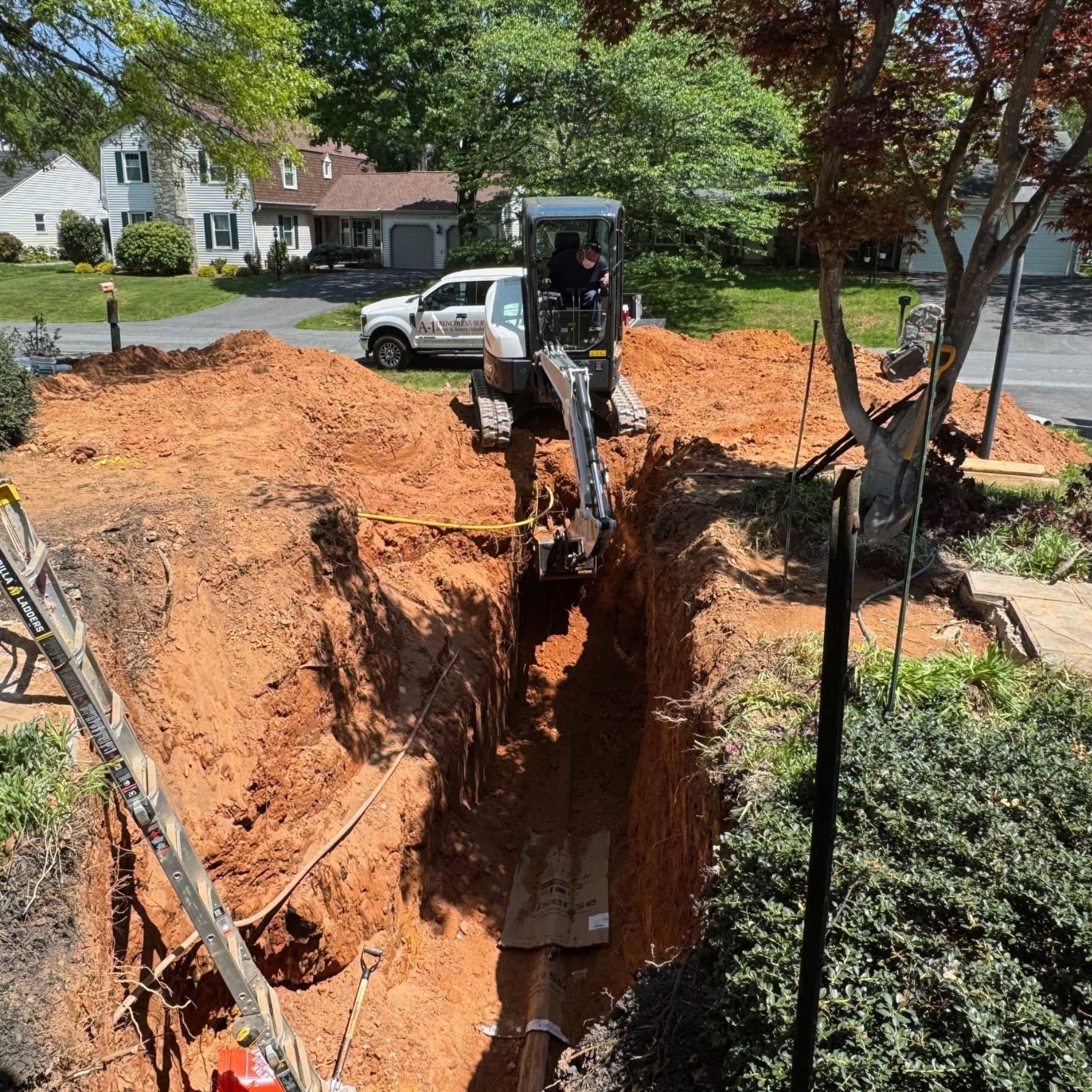
A sewer line problem does not always begin with a toilet backup or a flooded basement. Sometimes, the first warning appears outside. A patch of grass grows faster than the rest of the lawn. A low spot forms near the sewer line path. A foul smell lingers near the yard after rain. If you recently searched for “sewer line repair near me”, your property may already be showing signs of trouble below the surface.
Your sewer line carries wastewater away from the home. When that underground pipe cracks, clogs, shifts, or breaks, the yard can start showing clues before the problem becomes obvious indoors. Paying attention to those outdoor changes can help you act early, protect your property, and avoid a bigger sewer backup later.
Sewer Trouble Can Show Up Outside First
Many homeowners expect sewer line problems to appear at a drain, toilet, or tub. That can happen, but outdoor warning signs can show up first. A damaged sewer pipe may release wastewater into the soil. That added moisture can soften the ground, feed certain patches of grass, create odors, and attract pests.
The signs may build slowly. You might notice one wet patch that stays damp even during dry weather. Later, the grass in that area may grow thicker or greener. Over time, the soil may sink or feel soft underfoot. These changes can be easy to blame on rain, irrigation, or poor grading, but repeat issues deserve closer attention.
Outdoor sewer line problems matter because they often point to damage that basic drain cleaning cannot fix. A clog can slow the system, but a cracked or leaking pipe needs a proper inspection and repair plan.
Yard Signs That May Point to Sewer Line Damage
A damaged sewer line can affect the lawn, landscaping, driveway edges, walkways, and soil around the home. Some signs are subtle, while others need quick attention.
Common outdoor warning signs include:
- Soggy or wet patches in the yard when there has been little rain
- Grass that grows faster, thicker, or greener in one specific area
- Sunken soil, small dips, or soft spots near the sewer line path
- Sewer odors near the lawn, driveway, basement wall, or cleanout
- Pest activity around damp areas, including flies or rodents
- Water pooling in areas that used to drain normally
- Cracks or settling near walkways, patios, or driveway edges
These signs do not always confirm sewer line failure. Drainage issues, water line leaks, and grading problems can also create wet or sunken areas. The difference is that sewer line damage may also come with odors, recurring drain issues, or wastewater backup risks. A professional inspection helps identify the source before the problem spreads.
Why Soggy Grass and Odors Should Not Be Ignored
A wet patch in the yard may seem harmless, especially during rainy months. Sewer-related moisture is different. Wastewater can create odor, sanitation concerns, and soil damage. It can also weaken the ground around the pipe, which may lead to sinking, settling, or surface damage.
Unusually green grass can also be a warning sign. Wastewater leaking underground may act like fertilizer, causing one part of the lawn to grow faster than the rest. That bright, healthy-looking patch may actually point to a cracked or broken sewer line below.
Odors are another important clue. A sewer smell near the cleanout, basement wall, driveway, or low area of the yard should not be ignored. Bad smells often mean sewer gases or wastewater are escaping from the system.
At that point, a search for sewer line repairs should lead to a company that can inspect the line, confirm the cause, and explain the repair options clearly.
How Tree Roots Create Sewer Line Trouble
Tree roots are a common cause of sewer line damage. Roots grow toward moisture, and even a small crack or loose joint can become an entry point. Once roots get inside the pipe, they spread and catch waste, toilet paper, grease, and debris.
At first, the sewer line may still drain. You may only notice occasional slow drains or a clog that seems easy to clear. As the roots thicken, the opening inside the pipe becomes smaller. The clog returns more often, and wastewater begins moving more slowly through the system.
Roots can also create outdoor symptoms. If the pipe is cracked or blocked, the surrounding soil may become wet or unstable. A sunken patch, sewer odor, or unusually green grass near trees may be connected to root intrusion below.
Cutting roots can restore flow for a short time, but it may not solve the real problem. If the opening in the pipe remains, roots can grow back and cause the same issue again.
Why Digging Is Not Always the First Step
Seeing yard damage does not always mean the entire lawn must be excavated. A proper sewer repair process starts with diagnosis. A camera inspection can be sent through the line to show the inside of the pipe. This helps identify roots, cracks, grease buildup, offsets, collapsed sections, and other issues.
The inspection can also help locate the damaged section from above ground. That makes the repair plan more precise. In some cases, trenchless sewer repair may be possible. This can reduce digging and help protect landscaping, concrete, patios, and driveways.
Traditional excavation may still be needed if the pipe has fully collapsed, shifted badly, or cannot support a trenchless method. Still, the decision should come from the pipe condition, not guesswork. A clear inspection gives homeowners a better understanding of the damage and the best next step.
Indoor Signs That Can Come With Yard Problems
Outdoor symptoms may appear first, but sewer line damage can also affect plumbing inside the home. If yard signs are paired with drain issues, the main sewer line may need prompt attention.
Watch for these indoor warning signs:
- Toilets bubbling or gurgling after water runs elsewhere
- Water backing up into a tub, shower, or floor drain
- Multiple drains slowing down at the same time
- Sewer odors inside the basement, bathroom, or laundry area
- Clogs that return shortly after snaking or drain cleaning
- Unusual sounds from drains after flushing or running appliances
These symptoms suggest the problem may not be limited to one fixture. A main sewer line issue often affects several drains because they all rely on the same underground pipe to move wastewater away from the home.
Early Action Can Protect Your Property
Waiting too long can turn a manageable sewer issue into a major repair. A small crack can invite roots. Roots can trap debris. Debris can slow the flow. A leaking section can soften the soil. Once the pipe collapses or wastewater backs up into the home, the repair becomes more urgent and stressful.
Early inspection gives you better control. If the issue is found before major failure, there may be less invasive repair options available. If the problem turns out to be related to drainage, grading, or another underground line, that can also be handled before it damages the foundation, lawn, driveway, or landscaping.
The key is to treat repeat outdoor warning signs seriously. A wet patch after one storm may not be a sewer issue. A wet patch that keeps coming back, smells bad, or appears with slow drains should be checked.
Fix the Hidden Problem Beneath the Surface
Your yard can reveal important signs about what is happening underground. Soggy grass, sewer odors, sunken soil, unusually green patches, and recurring indoor drain issues can all point to a damaged or blocked sewer line. Acting early can help protect your home, lawn, driveway, and landscaping from larger problems.
If you found A-1 Trenchless Water & Sewer Repair Services LLC while searching for sewer line repairs near you, their team can help identify the source of the problem and recommend the right repair. They provide video inspections, sewer line repair and replacement, trenchless sewer repair and replacement, drain cleaning, hydro jetting, pipe descaling, and related services for homeowners and businesses that want clear answers before the damage spreads.
First published . Written by the A-1 Trenchless team.