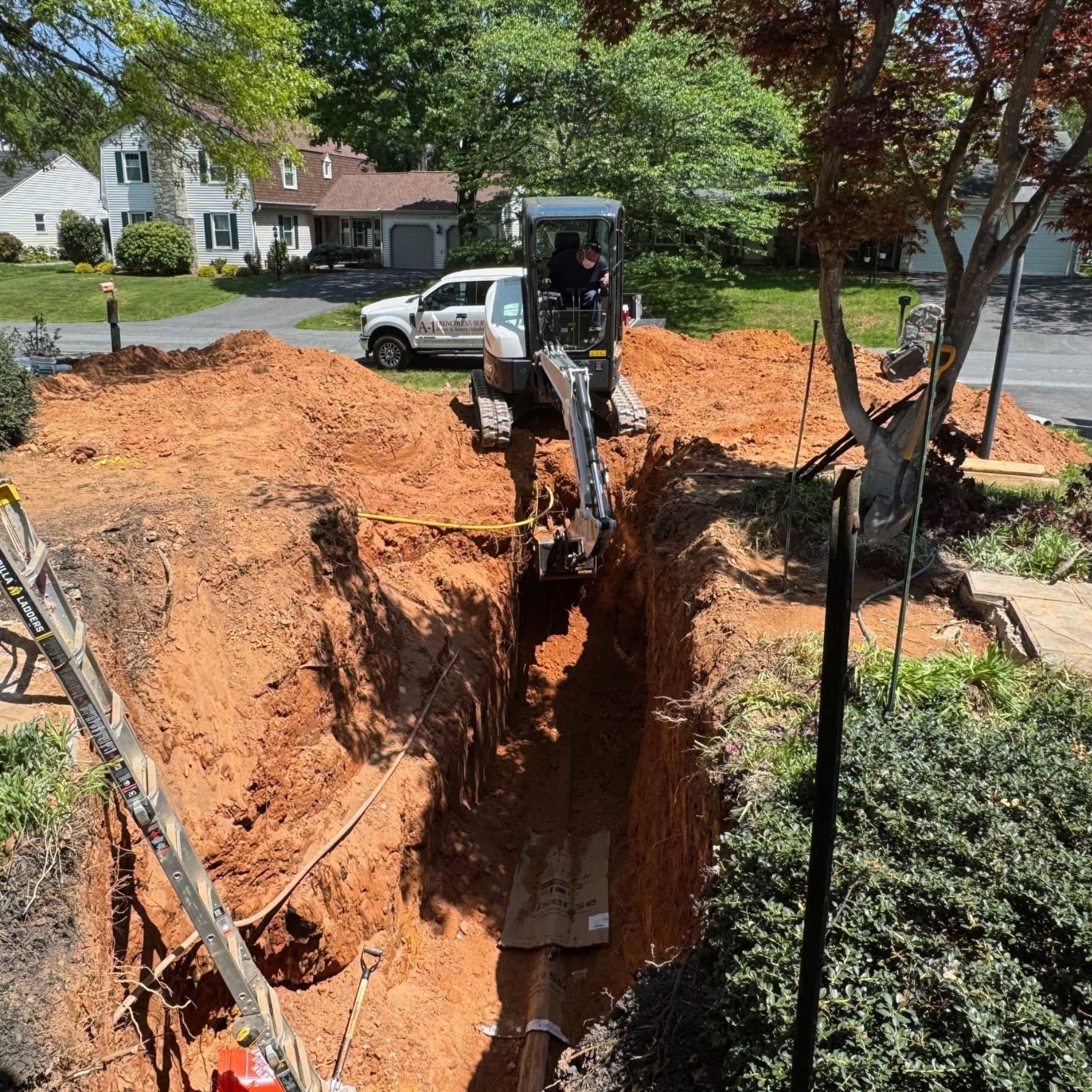
That sewage smell outside usually shows up at the worst time, when you are mowing, hosting people, or just trying to enjoy your yard. If you are asking, why does my yard smell like sewage, there is a good chance something below the surface needs attention. Sometimes it is a simple drainage issue. Other times, it points to a damaged sewer line, a dry trap, or wastewater escaping where it should not.
The main thing to know is this: sewage odors outside are not normal, and they rarely get better on their own. A persistent smell is often an early warning sign that can help you catch a bigger plumbing problem before it turns into a backup, soggy lawn, or expensive property damage.
Why does my yard smell like sewage? Common causes
In many cases, the odor comes from sewer gas or wastewater finding a path out of your plumbing or underground pipe system. The exact cause depends on where the smell is strongest, how long it has been happening, and whether you are seeing other symptoms at the same time.
A broken or cracked sewer line is one of the most common reasons. Sewer pipes can crack from age, shifting soil, corrosion, root intrusion, or heavy pressure above ground. When that happens, wastewater can seep into the surrounding soil and create a strong sewage odor in one part of the yard. If the damage gets worse, you may also notice unusually green grass, soft spots, or standing water.
A clogged sewer line can create the same kind of smell even if the pipe is not fully broken. When waste and paper build up in the line, pressure can force sewer gas back through weak points, joints, or vents. In some cases, a partial blockage causes waste to move slowly enough that odors escape before a full backup happens.
Another possible issue is a damaged cleanout cap or loose fitting near the home. A cleanout provides access to the sewer line for inspection and cleaning, but if it is cracked, missing, or not sealed properly, sewer gas can escape into the yard. This is often a simpler repair than a full sewer line replacement, but it still needs prompt attention.
Vent pipe problems can also be part of the issue. Your plumbing system relies on venting to move sewer gases safely above the roofline. If a vent is blocked or not working correctly, odors may collect in odd places around the property. This can be harder to pinpoint without testing and inspection.
If your property has a septic system, the smell may point to a full tank, drain field issue, or failing component. That is a different repair path than a municipal sewer line problem, but the warning sign is similar: wastewater odors outside mean the system is not handling waste correctly.
Signs the smell is coming from a sewer line problem
A sewage odor by itself deserves attention, but it becomes more urgent when it shows up with other symptoms. The combination of smell plus visible changes in the yard often points to an underground line issue rather than a temporary odor.
Watch for wet or sunken patches in the lawn, especially if it has not rained recently. Sewage leaks can saturate the soil and weaken the ground over time. You might also notice one area of grass growing faster and looking much greener than the surrounding lawn because wastewater acts like fertilizer.
Slow drains inside the house are another clue. If tubs, toilets, or sinks are draining poorly at the same time the yard smells bad, there may be a blockage or break in the main sewer line. Gurgling sounds from drains or toilets can also suggest trapped air and pressure problems inside the system.
Some homeowners first notice the odor near the foundation, driveway, or where the sewer line exits the home. Others smell it near a low spot in the yard. The location matters, but smell alone does not tell you exactly where the pipe has failed. That is why camera inspections are so useful. They remove guesswork and show what is happening inside the line.
When it may not be the sewer line
Not every bad smell outside means the main sewer line is broken. There are a few cases where the source is less serious, though still worth checking.
A dry floor drain trap in a basement, garage, or utility area can let sewer gas move back into or around the home, and that odor may drift outside. Organic debris in yard drains or catch basins can also smell foul, especially in hot weather. In some yards, standing water mixed with rotting leaves or mulch creates a smell that homeowners describe as sewer-like.
The trade-off is that it can be hard to tell the difference without a proper inspection. Waiting too long because the smell seems minor can allow a hidden sewer issue to get worse. If the odor is consistent, concentrated, or paired with drainage problems, it is best to treat it as a possible plumbing issue until proven otherwise.
Why fast action matters
Sewer problems tend to spread. A small crack can turn into a larger collapse. A partial blockage can become a full backup. What starts as an unpleasant smell in the yard can eventually affect toilets, showers, sinks, and the condition of the lawn itself.
There is also a health and safety side to consider. Raw sewage and sewer gas exposure are not things to ignore. Even if the leak is outside, contamination in the soil can create sanitation concerns for children, pets, and anyone spending time in the yard.
Fast action also gives you more repair options. When a problem is caught early, trenchless repair may be possible depending on the condition of the pipe. That can mean less digging, faster turnaround, and less disruption to landscaping, driveways, and outdoor living areas.
How professionals find the source
The right repair starts with the right diagnosis. That usually means more than guessing based on smell alone.
A sewer camera inspection is one of the most effective ways to identify the cause. A camera can reveal cracks, root intrusion, scale buildup, sagging sections, heavy blockages, and full collapses inside the pipe. It also helps locate the problem area more accurately, which matters if excavation or trenchless work is needed.
In some cases, hydro jetting may be recommended if the issue is caused by grease, sludge, or debris buildup rather than structural pipe failure. If roots have entered the line, cleaning may restore flow for the moment, but the long-term fix depends on how much damage the roots have already caused.
If the pipe is broken or deteriorated, repair options can range from spot repairs to full replacement. A dependable contractor will explain what the inspection shows, what can be repaired, and whether a trenchless approach makes sense for your property.
What to do if your yard smells like sewage
Start by paying attention to where the smell is strongest and whether you are seeing wet spots, lush grass, drain issues, or backups inside. Avoid digging into the area yourself unless you know exactly what utility lines are present. A damaged sewer line is not a safe or simple DIY project.
If sewage is surfacing in the yard or backing up into the home, treat it as urgent. Keep people and pets away from the affected area and call a licensed professional right away. If the odor is persistent but there is no active backup, schedule an inspection before the problem grows.
For homeowners in Damascus and the surrounding area, this is the kind of issue where fast diagnostics matter. A company like A-1 Trenchless Water & Sewer Repair Services can inspect the line, identify the source, and recommend a repair path that protects your property while solving the actual problem.
A bad smell in the yard is easy to put off for a few days. It is much harder to ignore once it turns into a sinkhole, a backup, or a torn-up lawn. If your yard smells like sewage, trust that warning sign and get it checked before the damage spreads.
First published . Written by the A-1 Trenchless team.