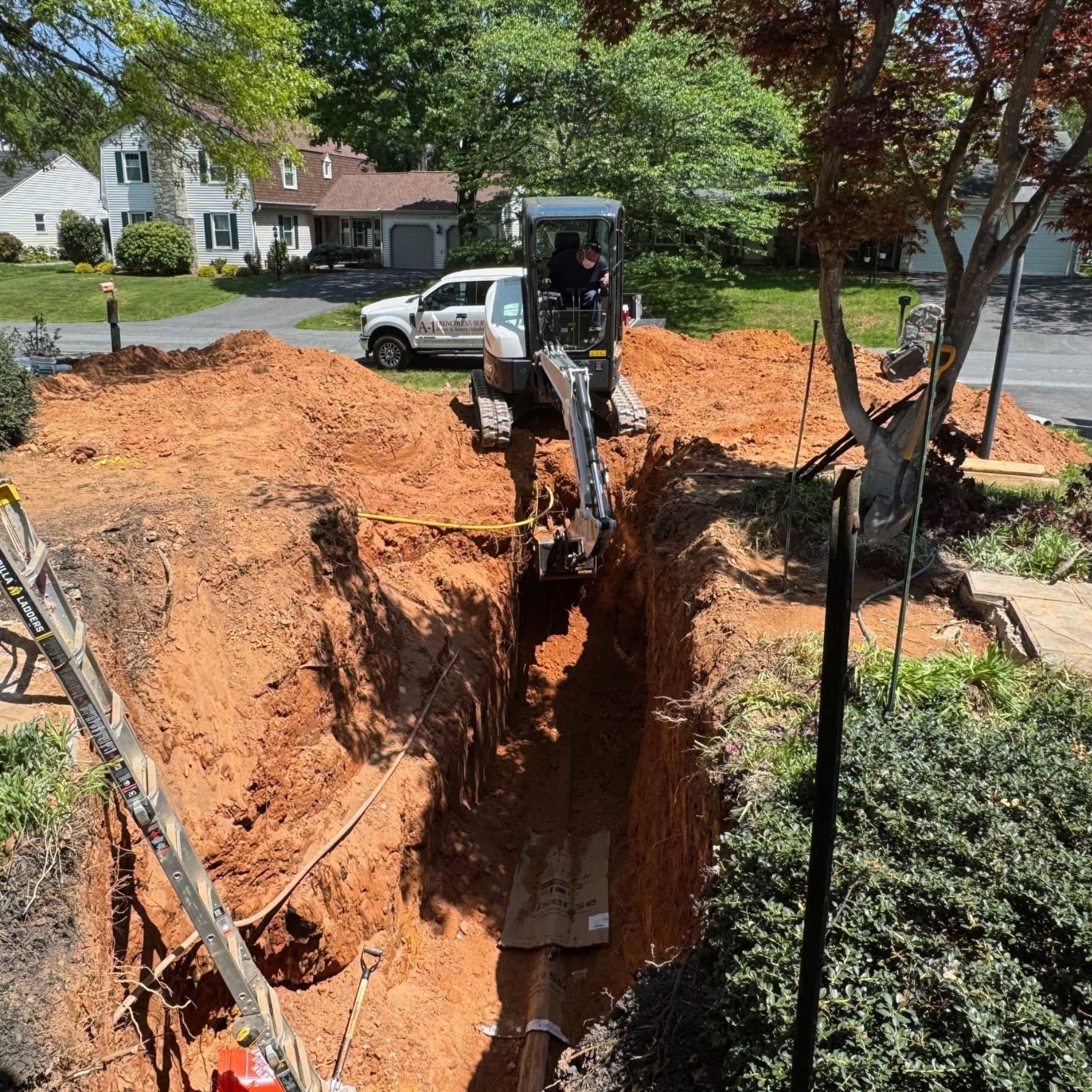
That slow drain in the basement or the backup that keeps coming back after snaking is often more than a routine clog. If you are wondering, can tree roots break sewer pipes, the short answer is yes, and in many homes, they do it gradually enough that the problem goes unnoticed until sewage starts backing up or the yard turns soggy.
Roots are one of the most common causes of sewer line trouble, especially in older neighborhoods with mature trees and aging underground pipes. The good news is that root damage is usually detectable, and in many cases, it can be repaired without tearing up the entire yard.
Can tree roots break sewer pipes or just clog them?
They can do both. In the early stage, tree roots usually find a small opening in the pipe system and grow into it because sewer lines carry moisture, oxygen, and nutrients. A tiny crack, loose joint, offset connection, or worn seal is enough to attract roots.
Once inside, the roots do not stay small. They expand, trap waste and toilet paper, and create repeated blockages. Over time, that pressure can widen existing cracks, separate pipe joints, and crush weak sections of pipe. So while roots often start as a clogging problem, they can absolutely become a pipe break problem.
This is especially true with older clay, cast iron, Orangeburg, or brittle sewer lines. Newer PVC systems are generally more resistant, but even they are not immune if a joint fails or the line shifts.
Why tree roots target sewer lines
Tree roots do not crack open healthy pipes by brute force in most cases. They usually take advantage of a weakness that is already there. That distinction matters because it changes how the problem should be fixed.
Roots are drawn to the consistent moisture around a sewer line. If a pipe has even a slight leak, condensation point, or joint gap, the surrounding soil becomes more attractive to the root system. Fine feeder roots enter first. As they thicken, they put pressure on the pipe walls and create a larger intrusion point.
That means the tree itself is not always the whole problem. The condition of the pipe matters just as much. A sound line may coexist with nearby trees for years. A worn or misaligned line may start having root issues even when the tree is several yards away.
Signs roots may be damaging your sewer pipe
Most property owners do not see the roots until a camera inspection is performed, but the warning signs are usually there. Repeated drain backups are a major clue, especially if more than one fixture is affected. Toilets that gurgle, tubs that drain slowly, and wastewater appearing in a floor drain can all point to a blockage in the main sewer line.
Outside, you may notice a patch of extra-green grass, a persistently wet area in the yard, or a foul odor near the line path. In more severe cases, the ground may settle slightly over the damaged section. If the problem keeps returning shortly after drain cleaning, root intrusion becomes much more likely.
These symptoms do not automatically mean the pipe is broken. They do mean the line needs a proper diagnosis before the issue gets worse.
Which pipes are most at risk?
Older sewer systems are usually more vulnerable than newer ones. Clay pipes often have multiple joints where roots can enter. Cast iron can corrode from the inside and create weak spots. Orangeburg pipe, used in some older systems, can deform and deteriorate with age. Even concrete lines can develop cracks or joint gaps over time.
PVC and HDPE piping tend to perform better because they have smoother interiors and tighter joints, but age, ground movement, poor installation, and heavy soil loads can still create entry points.
Location also matters. Large shade trees, fast-growing species, and properties with long sewer runs between the building and the street often face a higher risk. A line that passes near maples, willows, poplars, or similar thirsty trees deserves closer attention.
How plumbers confirm whether roots have broken the line
Guesswork is expensive when it comes to underground pipe problems. The fastest and most accurate way to confirm root intrusion is a sewer camera inspection. A camera allows a trained technician to see whether the issue is a simple blockage, a cracked pipe, a separated joint, or a collapsed section.
This step matters because the repair method depends on the condition of the pipe. If roots are present but the pipe still has structural integrity, cleaning and targeted repair may be enough. If the camera shows severe cracking, channeling, or collapse, the line may need trenchless replacement or a conventional excavation in that specific area.
At A-1 Trenchless Water & Sewer Repair Services LLC, this kind of diagnostic approach helps property owners avoid paying for the wrong fix. It also makes it easier to choose the least disruptive option that will actually last.
What happens if you ignore root intrusion?
Root problems rarely stay small. A line that only clogs every few months can turn into a full blockage, a sewage backup, or a break under the yard. Once wastewater cannot move through the line properly, pressure and waste buildup increase. That can accelerate pipe damage and create unsanitary conditions inside or outside the property.
There is also the cost factor. A root mass caught early may be manageable with cleaning, descaling, or a trenchless repair. A neglected line that collapses can require a larger replacement project, more restoration work, and more downtime for the property.
For commercial sites and facility managers, delay can also mean service interruptions, tenant complaints, and potential health concerns. Fast action is usually cheaper than repeated temporary fixes.
Repair options when tree roots break sewer pipes
The right repair depends on how far the damage has gone. If roots have entered the line but the pipe walls are still mostly intact, mechanical root cutting or hydro jetting may clear the blockage. That restores flow, but it does not always solve the reason roots got in to begin with.
If the line has cracks, separated joints, or worn sections, repair should address the structural issue. In many cases, trenchless methods are the best fit because they minimize digging and protect landscaping, driveways, and hardscapes. Pipe lining can create a new interior pipe within the old one if conditions are right. Pipe bursting may be used when the line needs full replacement with minimal surface disruption.
There are times when conventional excavation is still the right answer. If a pipe has completely collapsed, has severe misalignment, or sits in a location that prevents trenchless access, open repair may be necessary. A reliable contractor should explain that clearly rather than forcing every job into one method.
Can you prevent roots from coming back?
Prevention is possible, but it depends on the age and condition of the sewer line. Clearing roots without repairing the entry point usually means they will return. That is why recurring drain problems should not be treated as a one-time clog.
A camera inspection after cleaning helps confirm whether the line is still vulnerable. In some cases, scheduled maintenance can manage minor root activity. In others, replacing a damaged section or installing a trenchless liner is the better long-term move.
Tree removal is not always required. Sometimes the smarter solution is upgrading the pipe rather than cutting down a healthy tree. If a tree is very close to a badly damaged line, though, both the landscaping and plumbing sides of the issue may need to be considered together.
When to call for professional help
If multiple drains are slow, backups keep returning, or you suspect the main sewer line is involved, it is time to get the line inspected. Store-bought drain cleaners will not fix root intrusion. Repeated snaking may poke a hole through the blockage, but it often leaves the root mass behind and does nothing to repair the pipe.
Professional diagnosis gives you a clearer answer, a realistic repair path, and a chance to solve the problem before property damage spreads. That matters even more if you want to preserve your yard, keep repair costs under control, and avoid a sudden emergency.
Tree roots are persistent, but they are not unbeatable. The right inspection and repair plan can restore the line, protect the property, and give you confidence that the problem is actually fixed, not just temporarily cleared.
First published . Written by the A-1 Trenchless team.