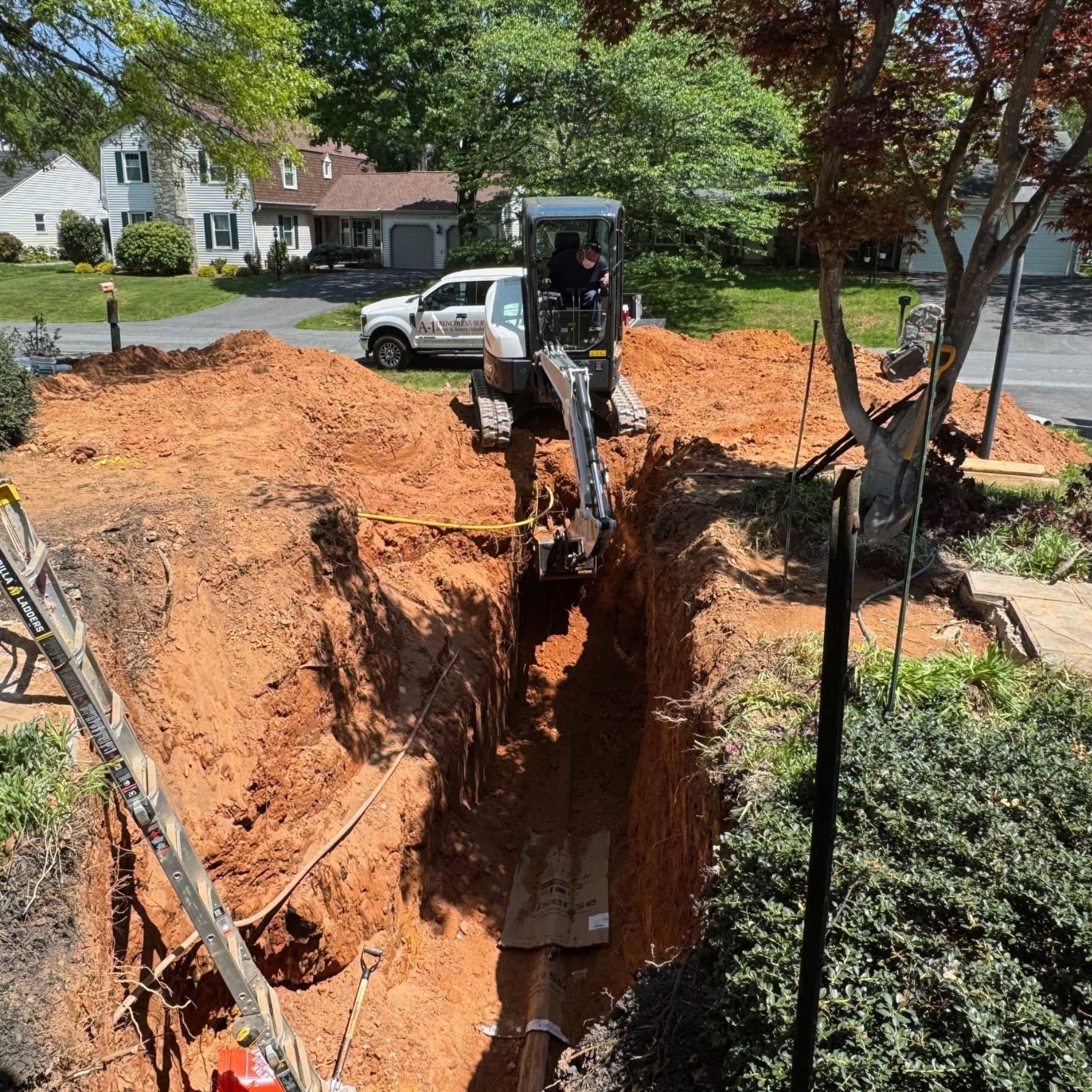
A slow drain is frustrating. A slow drain paired with sewage odors, recurring backups, or a wet spot in the yard can point to something much bigger: clay sewer pipe failure. Many older homes in Damascus and surrounding Maryland communities still have clay sewer lines underground. These pipes can last for decades, but age, shifting soil, tree roots, and repeated use eventually take their toll.
The good news is that a failing clay sewer line does not automatically mean your entire yard must be excavated. A professional camera inspection can locate the exact problem, show how much of the line is affected, and help determine whether trenchless repair, replacement, or a targeted conventional repair makes the most sense for your property.
Why Clay Sewer Pipe Failure Happens
Clay pipe was widely used for sewer systems because it resists corrosion and handles wastewater well. Unlike metal pipe, it does not rust. Its weakness is at the joints. Traditional clay sewer lines are assembled in short sections, creating multiple connection points underground. As those joints age, they can separate, crack, or allow roots and soil to enter the line.
Ground movement is another common issue. Maryland’s seasonal temperature changes, heavy rain, settling soil, and nearby construction can all place stress on an older sewer pipe. Clay is durable but rigid. When the ground shifts, it is more likely to crack than bend.
Tree roots are often part of the story. Roots naturally seek moisture and nutrients, and even a small opening at a clay-pipe joint can attract them. Once roots enter, they expand and catch toilet paper, grease, and other debris. What starts as an occasional slow drain can turn into a full sewer backup.
Some failures are caused by age and wear, while others result from poor slope, bellies in the line, or sections that have collapsed. The right repair depends on the condition of the full pipe, not just the location of the latest clog.
Warning Signs of a Failing Clay Sewer Line
A sewer problem rarely stays hidden forever. The first warning may be a toilet that gurgles when a sink or washing machine drains. You may also notice that more than one fixture is draining slowly at the same time. Because all fixtures typically connect to the main sewer line, widespread drainage issues deserve attention.
Sewage backing up into a tub, shower, floor drain, or lowest-level toilet is a more urgent sign. So are persistent sewer odors indoors or outside, unusually green or soggy patches of grass, and frequent clogs that return shortly after drain cleaning.
These symptoms do not always mean the pipe needs to be replaced. A blockage may be limited to roots or heavy scale buildup. However, repeated problems should not be treated as a routine clog. Clearing the obstruction may restore flow temporarily, but it will not close broken joints, repair cracks, or correct a collapsed section.
The Value of a Sewer Camera Inspection
A sewer camera inspection takes the guesswork out of underground plumbing problems. A trained technician sends a specialized camera through the sewer line to view the pipe from inside. This can reveal root intrusion, cracked clay sections, separated joints, standing water, offset connections, and areas where the pipe has lost its shape.
The inspection also helps identify the depth and location of the issue. That matters when comparing repair options. A small defect under an open lawn may be handled differently than a damaged line beneath a driveway, mature landscaping, patio, or finished commercial space.
For homeowners and facility managers, video inspection provides a clearer basis for decision-making. Instead of approving broad excavation because a drain is slow, you can understand what failed, where it failed, and why a specific repair is recommended.
Clay Sewer Pipe Failure Repair Options
There is no one-size-fits-all repair for clay sewer pipe failure. The best solution depends on the line’s condition, the type of damage, access to the pipe, property layout, and whether the problem is isolated or widespread.
Cleaning and root removal
If the clay pipe is structurally sound but roots or buildup are restricting flow, professional drain cleaning or hydro jetting may be appropriate. Hydro jetting uses high-pressure water to break up heavy debris and cut through root masses. It can restore drainage without digging.
This option is most useful when the camera shows that the pipe still has enough integrity to remain in service. It is not a permanent answer for major cracks, separated joints, or collapse. In those cases, roots will likely return because the opening that allowed them in remains underground.
Targeted spot repair
A spot repair replaces or repairs a limited damaged area. Conventional excavation may be the practical choice when one section has collapsed, access is straightforward, and the rest of the pipe is in good condition.
This approach can be cost-effective for a truly isolated defect. The trade-off is disruption. Digging may require removing and restoring grass, landscaping, concrete, or other surface features. A camera inspection is especially valuable here because it confirms whether a spot repair addresses the real scope of the problem.
Trenchless sewer repair or replacement
Trenchless methods can reduce excavation by accessing the sewer line through small entry points rather than opening a long trench across the property. Depending on the condition of the existing pipe, a new pipe can be installed or a new lining can be created within the old route.
For many property owners, the main advantage is preserving landscaping, driveways, walkways, and established outdoor spaces whenever possible. Trenchless work can also shorten the disruption associated with a major sewer project. It is particularly valuable when the damaged line runs beneath hardscaping or other areas that would be expensive to restore.
Trenchless repair is not automatically the right fit for every clay pipe. Severe collapse, major misalignment, or a line with poor slope may require excavation or a combined approach. An experienced sewer contractor should explain the available options clearly, including what each method can and cannot correct.
Why Waiting Can Make the Repair More Expensive
A damaged clay sewer pipe often worsens over time. Roots continue growing, cracks expand, and soil can wash into openings. As the line loses support, sections can sag or collapse. A problem that might have been addressed with cleaning, lining, or a limited repair can become a larger replacement project.
There is also the risk of property damage. A backup can affect flooring, drywall, stored belongings, and business operations. Leaking wastewater in the yard can create unsanitary conditions, while ongoing moisture may undermine nearby soil or hardscape.
Quick action does not mean rushing into the first repair recommendation. It means getting accurate information before the problem becomes an emergency. A thorough inspection helps you plan based on facts, prioritize the most urgent work, and consider financing options when a larger repair is needed.
Protecting an Older Sewer Line
You cannot prevent every underground pipe failure, but good maintenance can reduce surprises. Avoid flushing wipes, paper towels, hygiene products, and grease. These materials can catch on root intrusion or damaged joints and create a blockage much faster than normal toilet paper.
If your home has mature trees near the sewer route or a history of root-related clogs, scheduled camera inspections and professional cleaning can help identify changes early. It is also wise to have the sewer line inspected before a major landscaping project, driveway replacement, or home purchase involving an older property.
For commercial properties, regular maintenance is especially valuable. High restroom use, grease-producing operations, and large building drain systems can put more demand on the sewer connection. A preventable backup is disruptive for any business, but it can be particularly costly when it interrupts customers, tenants, or daily operations.
A-1 Trenchless Water & Sewer Repair Services LLC helps property owners diagnose sewer problems with advanced camera equipment and practical repair recommendations. Whether the issue calls for clearing, a targeted repair, or a trenchless replacement strategy, the goal is the same: restore dependable flow while avoiding unnecessary disruption to your property.
If you are seeing recurring backups, odors, or slow drains across the home, treat those signs as an opportunity to investigate early. Knowing the condition of your clay sewer line now can protect your yard, your building, and your peace of mind later.
First published . Written by the A-1 Trenchless team.