A sewer line problem usually shows up at the worst possible time, slow drains before guests arrive, a backup during business hours, or a soggy patch in the yard that was not there last week. When that happens, most property owners want the same thing: a reliable repair that does not tear up the driveway, landscaping, or daily routine. That is exactly why cipp sewer liners have become such a practical option for many residential and commercial sewer repairs.
CIPP stands for cured-in-place pipe. In simple terms, it is a trenchless method that repairs a damaged sewer line from the inside instead of replacing the entire pipe with extensive excavation. A flexible liner saturated with resin is inserted into the existing pipe, positioned in place, and then cured so it hardens into a new pipe within the old one. The result is a durable interior lining that restores flow and seals many common defects.
How cipp sewer liners work
The biggest reason property owners like this method is that it solves a serious underground problem without turning the property into a construction zone. Before any liner goes in, the sewer line has to be inspected carefully. A camera inspection shows the condition of the pipe, where the damage is located, and whether trenchless repair is a good fit.
If the line is a candidate, the pipe is cleaned first. That may involve hydro jetting, mechanical cleaning, or descaling depending on the amount of buildup, roots, or corrosion inside. Cleaning matters because the liner has to bond properly to the existing pipe. If debris or scale is left behind, the final result may not be as effective.
Once the line is prepared, the resin-saturated liner is inserted into the pipe and inflated or otherwise pressed against the interior wall. As it cures, it forms a tight-fitting new inner pipe. After curing, the line is inspected again with a camera to confirm the installation and reopen service connections if needed.
From the property owner’s point of view, the process is often faster, cleaner, and less disruptive than a full dig-and-replace project. That does not mean it is the right answer every time, but in the right situation, it can save a lot of time and property damage.
When cipp sewer liners make sense
CIPP lining is often a strong option when the existing pipe is structurally compromised but still intact enough to serve as a host pipe. Cracks, joint separation, root intrusion, minor offset joints, and corrosion are common issues that may be addressed with this method. If your sewer line is leaking, allowing roots in, or showing signs of age-related wear, a liner may restore function without major excavation.
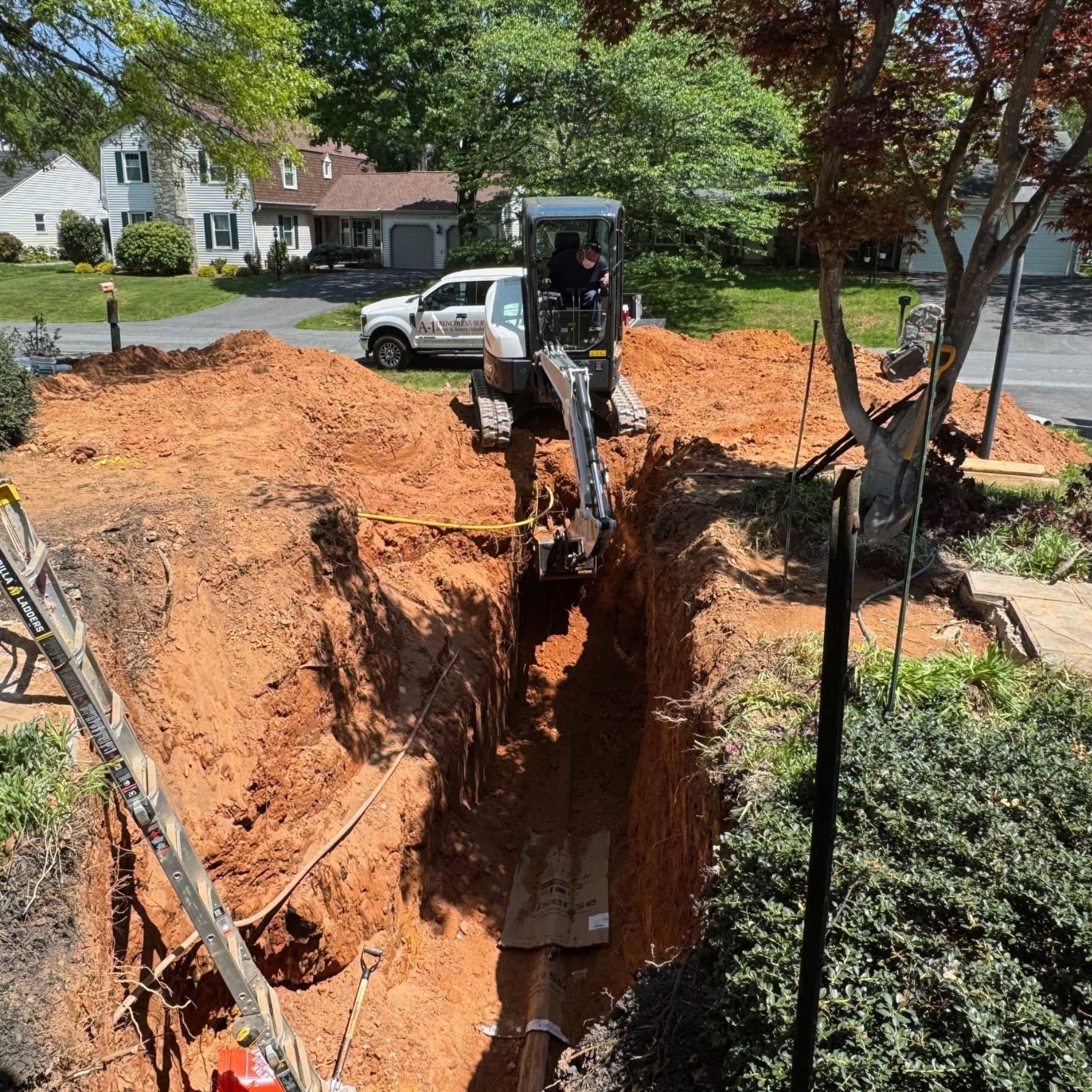
This approach is especially appealing when the damaged line runs under a driveway, patio, finished landscaping, parking lot, or building slab. Digging through those areas can add cost, delay, and restoration work that goes beyond the plumbing repair itself. In those cases, trenchless lining can protect more of the property while still delivering a long-lasting result.
Commercial and municipal properties often benefit as well because less excavation can mean less interruption to traffic flow, business operations, and site access. For homeowners, it often means less mess and a quicker return to normal.
When cipp sewer liners may not be the best choice
There is no one-size-fits-all sewer repair, and that matters. A badly collapsed pipe may not be suitable for lining. If the line has severe bellies, major misalignment, or extensive sections that have failed completely, conventional excavation or pipe bursting may be the better route.
Diameter changes and access limitations can also affect whether a liner is practical. In some cases, the pipe can be cleaned but not prepared well enough for a successful lining job. In others, the cost of lining a short section may not make as much sense as a more direct spot repair.
That is why a camera inspection is so important. It removes guesswork. A dependable contractor should explain what the camera sees, what the options are, and why one repair method is better than another for your property.
The real benefits property owners care about
For most customers, the appeal of CIPP is not the resin chemistry or the installation equipment. It is the outcome. You want the sewer fixed, the disruption kept to a minimum, and the repair to last.
One major benefit is reduced digging. Instead of trenching across the yard or breaking through concrete from end to end, trenchless lining usually uses existing access points or small entry areas. That can protect landscaping, hardscaping, and surrounding structures.
Speed is another advantage. Because there is less excavation and restoration, many jobs move faster than traditional replacement. That can be a major relief when a sewer issue is affecting bathrooms, kitchens, tenants, staff, or customers.
Durability also matters. A properly installed liner can create a smooth, jointless interior that improves flow and helps resist root intrusion and leaks. In many cases, it adds decades of service life to the existing line.
There is also the value of certainty. With camera inspections before and after installation, the process is easier to verify. You are not relying on guesswork or hoping the problem is somewhere in the trench. You are working from direct evidence.
What affects the cost of cipp sewer liners
Property owners often ask whether lining is cheaper than traditional replacement. Sometimes it is. Sometimes it is comparable. And sometimes it costs more on the front end but saves money by avoiding major restoration work.
The final price depends on several factors: the pipe diameter, the length of the repair, how much cleaning and prep work is needed, accessibility, the number of service connections, and the overall condition of the host pipe. A line with heavy scale, root intrusion, or difficult access may require more labor before lining can begin.
That is why honest pricing starts with inspection, not assumptions. A sewer line under a flower bed is one thing. A damaged line beneath a driveway, retaining wall, or commercial surface is another. The repair method should be chosen based on total value, not just the initial number on a quote.
Why inspection and prep matter so much
A good CIPP result starts long before the liner is installed. This is one area where experience makes a real difference. If the pipe is not cleaned thoroughly, if the measurements are off, or if the damage is not evaluated correctly, the repair may not perform as expected.
Professional camera inspections help confirm whether the pipe can be lined at all. Proper cleaning removes grease, roots, scale, and debris that could interfere with adhesion or reduce the finished diameter. In some cases, a contractor may recommend descaling or additional prep before moving forward.
That level of care is not just technical detail. It directly affects how well the repair holds up over time. A rushed trenchless job is still a rushed job. The right team takes time to diagnose the issue, prepare the pipe correctly, and confirm the finished result.
Choosing the right contractor for trenchless sewer repair
If you are considering cipp sewer liners, the contractor matters as much as the method. You want a company that handles sewer diagnostics, cleaning, trenchless repair, and conventional excavation when needed. That gives you a real recommendation instead of a sales pitch for only one solution.
Look for licensed and insured professionals with the equipment to inspect the line properly and explain the findings in plain language. The best contractors are clear about what lining can fix, what it cannot fix, and when another repair method would serve you better.
For property owners in and around Damascus, MD, that local experience is valuable. Soil conditions, pipe age, common root issues, and property layouts can all affect the repair plan. A responsive local team is better positioned to move quickly when sewer problems cannot wait. That is a big reason customers turn to A-1 Trenchless Water & Sewer Repair Services LLC when they need answers and dependable underground repair options.
CIPP is not the answer to every sewer problem, but it is one of the most effective trenchless tools available when the conditions are right. If your line is showing signs of damage, the smartest next step is not to guess, it is to get the pipe inspected, understand your options, and choose the repair that protects both your plumbing and your property.
First published . Written by the A-1 Trenchless team.