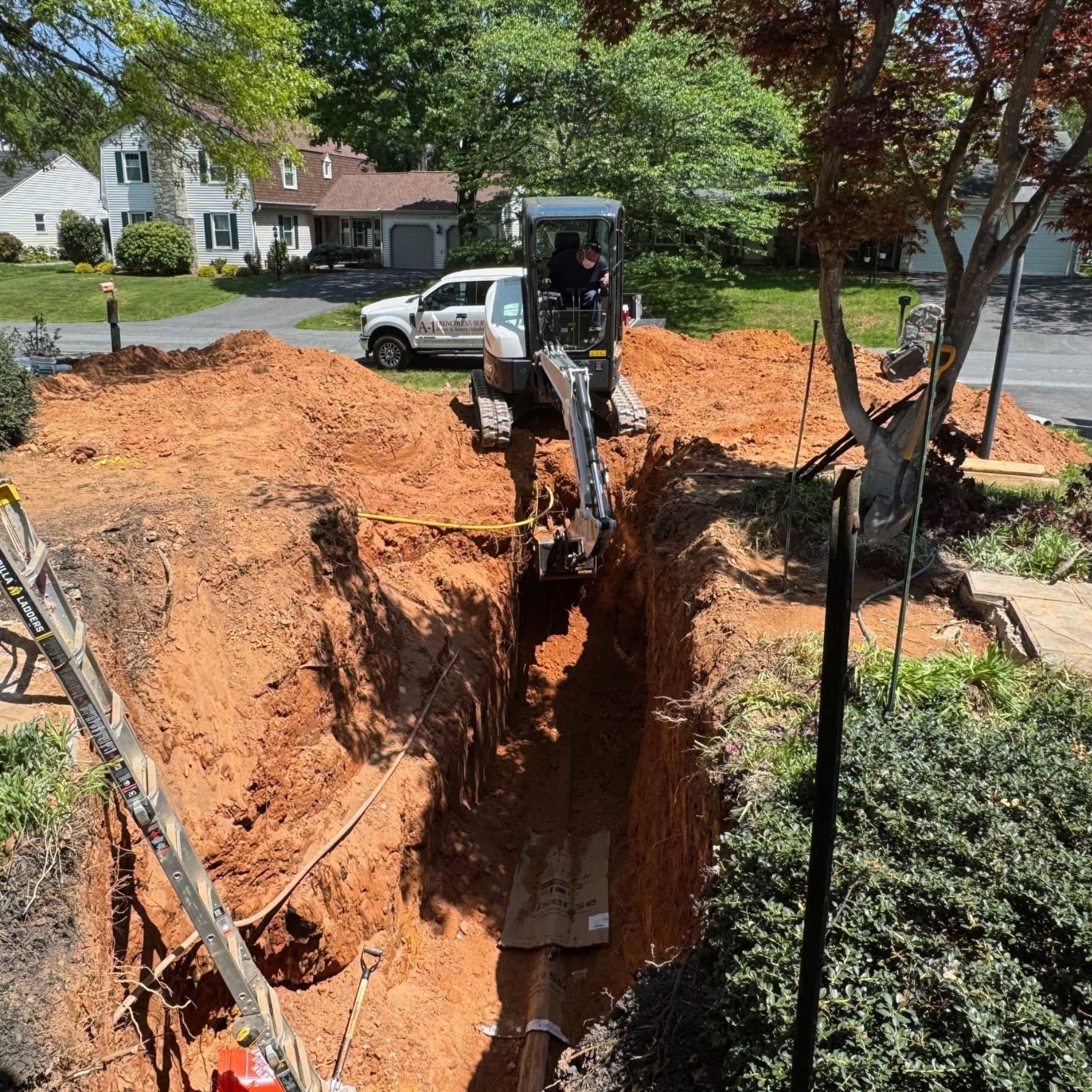
What if the beautiful oak tree in your front yard is actually the silent culprit behind your recurring sewage backups? It is a common frustration for homeowners who find themselves researching how to clear tree roots in pipes after a snake service fails to solve the problem for more than a few weeks. You likely already know that tree roots are a primary cause of sewer line blockages, accounting for over 50% of all sewer failures. If you are tired of the stress and the fear of a massive excavation bill, you are not alone. Most people assume that fixing the problem requires a backhoe and a ruined lawn, but modern technology has changed the game.
This guide will teach you the most effective methods to remove invasive growth and keep your sewer lines clear. We’ll show you how to move beyond temporary fixes and implement permanent solutions that protect your property without digging up your yard. You will learn the clear difference between DIY chemical treatments and professional methods like hydro jetting or trenchless repair. By the end of this article, you’ll know why those roots keep coming back and exactly when it’s time to put down the plunger and call in a specialist for a long-term resolution.
Key Takeaways
- Understand the biological process of hydrotropism and why older clay or cast iron pipes are particularly vulnerable to root invasion.
- Compare the effectiveness of DIY foaming root killers against professional methods to determine the best approach for how to clear tree roots in pipes.
- Learn why hydro jetting is superior to traditional snaking for scouring pipe walls and preparing them for long-term repairs.
- Discover how trenchless CIPP lining creates a permanent, smooth barrier that stops root re-entry for good without the need for a backhoe.
- Establish a preventative maintenance routine to catch potential blockages early and protect your home from sudden sewage backups.
Table of Contents
- Why Tree Roots Invade Pipes and How to Spot the Damage
- Temporary DIY Methods: Killing Roots with Chemicals
- Professional Mechanical Clearing: Hydro Jetting vs Snaking
- Permanent Fixes: Stopping Root Re-Entry for Good
- Long-Term Prevention and Maintenance for Maryland Homeowners
Why Tree Roots Invade Pipes and How to Spot the Damage
Your sewer line isn’t just a utility pipe. To a nearby tree, it’s a gourmet buffet. This biological attraction is known as hydrotropism. It is the process where roots “smell” the moisture and nutrient-rich vapors escaping from your plumbing. Even the smallest vapor leak from a loose joint acts like a beacon, drawing roots toward the source. Root invasion is a natural survival tactic for trees, but it quickly becomes a structural disaster for your home’s infrastructure.
Many older Maryland homes, particularly in established neighborhoods, still rely on clay or cast iron pipes. These materials are highly susceptible to the ground shifting over time. Once a tiny, hair-like root finds its way into a hairline crack or a separated seam, it begins to thrive. As the root consumes the wastewater, it thickens. This expansion creates immense pressure, which can eventually shatter a pipe joint or cause long longitudinal cracks. This is why simply learning how to clear tree roots in pipes is only the first step. You must also understand why they chose your pipe in the first place. Older homes in the region may also be dealing with additional underground pipe concerns, such as the need for lead service line replacement, which similarly benefits from modern trenchless methods that avoid tearing up your yard.
The Science of Root Intrusion
Trees are remarkably opportunistic. When warm wastewater flows through your line, it releases vapors that seep into the surrounding cool soil. This moisture is packed with nitrogen and phosphorus, which acts as a powerful fertilizer. In Montgomery County, aggressive species like Willows, Maples, and Elms are often the culprits. Their root systems are biologically programmed to travel long distances to find a reliable water source. Once they breach the pipe, the consistent flow of “food” causes them to grow into a dense, mat-like obstruction that catches grease and debris, leading to a total blockage.
Early Warning Signs for Homeowners
You don’t have to wait for a full-scale sewage backup to realize there’s a problem. Your plumbing system will usually provide several “silent” warnings that roots are taking hold. Identifying these early can save you from an emergency situation.
- Persistent Gurgling: If your toilets or floor drains make a bubbling or gurgling sound after you use water elsewhere in the house, it’s a sign that air is struggling to pass a root mass.
- Multiple Slow Drains: If the kitchen sink, bathtub, and laundry line are all sluggish at the same time, the clog is almost certainly in the main line.
- Lush Green Patches: A localized area of your lawn that stays vibrant and green even during a dry spell often indicates a leaking sewer pipe that is fertilizing the grass from below.
If you notice these symptoms, it’s time to investigate how to clear tree roots in pipes before the structural integrity of your line is compromised beyond simple repair.
Temporary DIY Methods: Killing Roots with Chemicals
Many homeowners turn to the hardware store as their first line of defense when discovering a backup. It makes sense. If you are looking for a quick way for how to clear tree roots in pipes, chemical herbicides seem like a low-cost solution. However, understanding the best way for how to clear tree roots in pipes requires knowing the difference between a temporary fix and a permanent one. These products typically fall into two categories: copper sulfate crystals and foaming root killers. While they can offer temporary relief, they rarely solve the underlying problem.
Copper Sulfate vs Foaming Root Killers
Copper sulfate is a common choice because it is widely available. It works by poisoning the root tips it comes into contact with, but it has a major flaw. Since these crystals are heavy, they sink to the bottom of the pipe. Most roots enter through the top or sides of a joint, meaning the chemical often washes away before it can do its job. Foaming root killers are a more modern alternative. These products contain a degreasing agent that creates a thick foam, allowing the herbicide to reach the top of the pipe where the intrusion is most severe. This method is often cited in resources like Root Growth in Pipes & Sewers as a way to manage minor growth, but it requires active water flow to be effective.
Before using any chemical treatments, keep these safety precautions in mind:
- Always wear gloves and eye protection to avoid chemical burns.
- Never mix different types of root killers, as this can create toxic gas.
- Check with your local Maryland municipality to ensure the chemical is permitted in your sewer system.
The Risks of Chemical Overuse
It’s easy to fall into a cycle of pouring chemicals down the drain every few months. However, this can be a dangerous habit for your plumbing. Many of these treatments are caustic. Over time, they can accelerate the corrosion of older cast iron pipes or weaken the seals in clay joints. You should also remember that chemicals are a “band-aid” for a structural issue. They might kill the root, but they don’t seal the hole. The tree will simply send new roots back into that same nutrient-rich environment within months.
If you have already tried multiple bottles of root killer and the water is still moving slowly, it’s time to stop. Pouring more herbicide into a standing pool of water won’t help. Instead, you need to find a blockage in your sewer line using professional tools. A quick video pipe inspection can show you exactly how much damage has occurred and whether your pipes are still structurally sound.
Professional Mechanical Clearing: Hydro Jetting vs Snaking
When you need to know how to clear tree roots in pipes effectively, the choice usually comes down to two professional methods: traditional snaking or modern hydro jetting. While both techniques involve inserting tools into your sewer line, they produce very different results. Snaking, or augering, uses a rotating steel cable with a cutting head to punch a hole through a clog. It’s a reliable way to restore flow quickly, but it has a significant drawback. A snake typically only clears a path as wide as the blade, often leaving behind root stubs that grow back almost immediately.
Hydro jetting is the superior alternative for long-term clearing. Instead of a mechanical blade, it uses high-pressure water to scour the entire interior surface of the pipe. This doesn’t just punch a hole. It restores the pipe to its original diameter. Before any mechanical clearing begins, a professional video inspection is non-negotiable. We must see the condition of the pipe to ensure it can withstand the pressure. A second inspection after the job confirms that every root stub has been removed, leaving no “velcro” for grease or debris to catch on.
Why Hydro Jetting is the Modern Standard
Hydro jetting is different because it uses water pressurized up to 4,000 PSI. This intense pressure acts like a liquid sandpaper, flushing out the thick root masses and scale that a traditional snake might miss. It is safe for most pipe materials, including modern PVC and even well-preserved cast iron. For local homeowners, our hydro jetting services in Damascus provide a detailed look at how this high-pressure technology handles our region’s specific soil and root conditions. It’s an efficient, chemical-free way to ensure your lines are truly clean.
The Role of Mechanical Root Cutters
In cases where roots have been growing for years, they can become as thick as a human wrist. When roots reach this stage, we may use specialized “warhead” nozzles or heavy-duty mechanical cutters before the final jetting. These tools use a shaving action to saw through the woodiest parts of the intrusion. However, this requires a high level of expertise. Using aggressive mechanical tools on fragile, offset joints or pipes weakened by age can cause a total collapse. This is why we prioritize a cautious, inspection-led approach to determine exactly how to clear tree roots in pipes without causing further structural damage.
Permanent Fixes: Stopping Root Re-Entry for Good
There is a fundamental difference between clearing a pipe and repairing it. As we have discussed, mechanical methods like hydro jetting are excellent for removing current obstructions, but they do not address the structural holes where roots entered. If you only focus on how to clear tree roots in pipes without sealing the breaches, the roots will return. They are biologically driven to seek out the moisture and nutrients inside your sewer line. A permanent solution requires a structural change that eliminates joints and cracks entirely.
Modern trenchless technology has shifted the paradigm from temporary maintenance to lifetime fixes. Instead of digging up your entire yard to replace a section of clay pipe, we can now create a “pipe within a pipe.” This process uses a smooth liner that effectively turns your old, segmented pipe into a single, continuous tube. Because there are no joints, there are no entry points for roots to exploit. This method is significantly more durable than traditional spot repairs, which often just move the root problem to the next available joint down the line.
The Trenchless Lining Advantage
Cured-in-Place Pipe (CIPP) lining is the gold standard for residential root prevention. We insert a flexible felt tube saturated with high-strength epoxy resin into the existing host pipe. Once in place, the liner is inflated and cured, bonding tightly to the inner walls of the old pipe. The result is a smooth, hard surface that is virtually impenetrable to even the most aggressive tree species. For a deep dive into the technical specifications and local applications, you can read our ultimate no-dig guide. This process preserves your landscaping while providing a structural seal that can last for decades.
Pipe Bursting for Severely Damaged Lines
Sometimes a pipe is too far gone for lining. If the roots have caused a total collapse or significant offset joints, pipe bursting is the preferred permanent fix. This method involves pulling a heavy-duty HDPE (High-Density Polyethylene) pipe through the old one. A specialized bursting head breaks the old pipe apart while simultaneously pulling the new, smooth line into place. This is particularly useful for sewer line repair under driveways where breaking concrete would be prohibitively expensive. HDPE is incredibly resilient and naturally resistant to root intrusion because it lacks the seams found in clay or cast iron. If your water supply line has also been compromised by root activity or age, understanding the no dig water line replacement cost can help you budget for a complete trenchless solution that protects both your sewer and water lines without destroying your landscaping.
If you are tired of the cycle of recurring backups, it is time to move beyond temporary clearing. Our team can help you determine if your system is a candidate for trenchless sewer repair to stop root re-entry for good.
Long-Term Prevention and Maintenance for Maryland Homeowners
Once you have addressed the immediate crisis of how to clear tree roots in pipes, your focus should shift to long-term preservation. In Maryland, our lush canopies are a point of pride, but they require a strategic approach to landscaping to protect your home’s infrastructure. Homeowners in Damascus and Rockville often deal with Silver Maples and Elms. These species have highly aggressive root systems that are biologically programmed to find even the smallest moisture leaks. By making informed choices today, you can avoid the stress of a future sewer emergency.
To ensure your landscaping remains beautiful without threatening your underground infrastructure, you can discover CDA TREE AND UTILITY, a specialist in full-service tree care that helps homeowners maintain a safe balance between nature and utility lines.
Landscaping Tips to Save Your Pipes
Choosing the right tree is your first line of defense. You should opt for slow-growing species with non-invasive root systems. This simple choice can prevent the need for future research on how to clear tree roots in pipes. Consider these guidelines for a sewer-safe yard:
- Select Safe Species: In Montgomery County, trees like Flowering Dogwood, Serviceberry, or Japanese Maple are excellent choices because they grow slowly and have less aggressive roots.
- Observe the Safe Distance Rule: As a general rule, plant large trees at least 15 feet away from your sewer line. Smaller shrubs should still maintain a 5 to 10-foot buffer.
- Install Root Barriers: These are vertical sheets of high-density plastic or chemical-treated geotextiles buried in the soil between the tree and the pipe. They redirect root growth downward and away from your utilities.
Scheduled Maintenance in Montgomery County
Prevention is always more cost-effective than a midnight emergency call. For homes in established neighborhoods with mature trees, we recommend a biennial video inspection. This allows us to spot hairline cracks before they become total collapses. Regular main drain cleaning is another essential step to ensure your system remains free of debris that roots can latch onto. If your home still has original cast iron pipes, which are common in older parts of the county, they are likely prone to internal scaling and corrosion. Older homes in these same neighborhoods may also be candidates for lead service line replacement, as aging underground infrastructure often affects both sewer and water supply lines simultaneously.
Professional pipe descaling is a critical maintenance task that smooths the interior of the pipe. This process removes the rough anchor points that roots and grease use to start a blockage. Finally, keep a detailed map of your underground utilities. Knowing exactly where your sewer run lies makes it much easier to diagnose issues and plan future landscaping projects. By combining smart planting habits with proactive maintenance, you’ll ensure that your permanent pipe solutions stay functional for decades.
Take Control of Your Sewer Health Today
Understanding how to clear tree roots in pipes is the first step toward protecting your home from recurring sewage backups. You now know that while DIY chemicals might provide a brief reprieve, they cannot fix the structural cracks that invite roots back. Real peace of mind comes from moving beyond temporary patches. By choosing modern methods like hydro jetting and trenchless pipe lining, you create a smooth, root-proof barrier that preserves your lawn and your plumbing for decades.
A-1 Trenchless has been providing advanced, no-dig technology to homeowners in Damascus, Bethesda, and Rockville since 2018. Our team specializes in expert hydro jetting and pipe descaling to restore your system to its original capacity without the mess of traditional excavation. Don’t wait for the next backup to occur. Schedule a professional video pipe inspection with A-1 Trenchless today to stop roots for good. We are here to help you transition from recurring maintenance to a permanent solution that keeps your home safe and your yard beautiful.
Common Questions About Root Intrusion and Pipe Repair
Can tree roots be cleared from pipes without professional help?
Minor intrusions can sometimes be managed with DIY chemical treatments, but major blockages almost always require professional equipment. Chemicals only reach hair-thin roots and can’t clear a total obstruction. If you’re dealing with a full backup, DIY efforts often fall short because they don’t address the structural breach. Professional tools are necessary to restore full flow and inspect the pipe for underlying damage, and companies like Alberto Pro Plumbing use these advanced systems to provide long-term solutions.
Will pouring salt or bleach down the drain kill tree roots in my sewer?
Rock salt can dehydrate and kill roots it touches, but bleach is generally ineffective and can damage your septic system or local water quality. Salt is a temporary fix that doesn’t provide a long-term solution. Excessive use of either can harm your pipes and the environment without solving the underlying intrusion problem. It is better to use products specifically designed for sewer systems.
How often should I treat my pipes for roots if I have large trees?
You should consider a professional video inspection every two years if you have mature trees near your sewer run. While some homeowners use foaming root killers annually, this is merely a preventative measure. A biennial checkup ensures you catch small intrusions before they lead to a total pipe collapse or an expensive emergency repair. Proactive monitoring is the best way to prevent sudden sewage backups.
Does hydro jetting actually remove all the roots permanently?
Hydro jetting removes existing roots completely, but it is not a permanent structural fix on its own. It scours the pipe walls clean, which is the most effective way for how to clear tree roots in pipes today. However, the roots will eventually return through the same cracks unless you seal the pipe. Combining jetting with trenchless lining technology is the only way to ensure a permanent result.
What is the most cost-effective way to stop roots from growing back?
Trenchless pipe lining is the most cost-effective long-term solution because it eliminates the need for recurring service calls. While the upfront investment is higher than a simple snake service, it prevents the massive expense of future landscape restoration and repeated emergency cleanings. It provides a permanent, root-proof barrier that effectively ends the cycle of intrusion and protects your property value for years.
Can tree roots grow through PVC or modern plastic pipes?
Roots rarely grow through the walls of PVC pipes, but they can enter through loose or improperly sealed joints. Modern plastic pipes are much more resistant to intrusion than older clay or cast iron materials. If you have a root issue in a PVC line, it usually points to a mechanical failure or a shift in the ground that compromised a connection point during installation.
Is it possible to clear roots without killing the tree itself?
Yes, professional mechanical clearing and trenchless repairs allow you to fix your plumbing without harming the tree. Methods like hydro jetting only remove the specific roots that have entered the pipe. Since only a small fraction of a tree’s root system enters the sewer, the tree remains healthy and undisturbed while your pipes stay clear. You don’t have to sacrifice your landscaping for functional plumbing.
How can I tell if my sewer line is broken or just clogged with roots?
A professional video pipe inspection is the only definitive way to tell the difference. While both issues cause slow drains and gurgling sounds, a break usually involves soil entering the line or a total structural collapse. Seeing the interior of the pipe allows you to determine if you simply need a thorough cleaning or a permanent trenchless repair. Accurate diagnostics save you from unnecessary and expensive digging.
First published . Written by the A-1 Trenchless team.