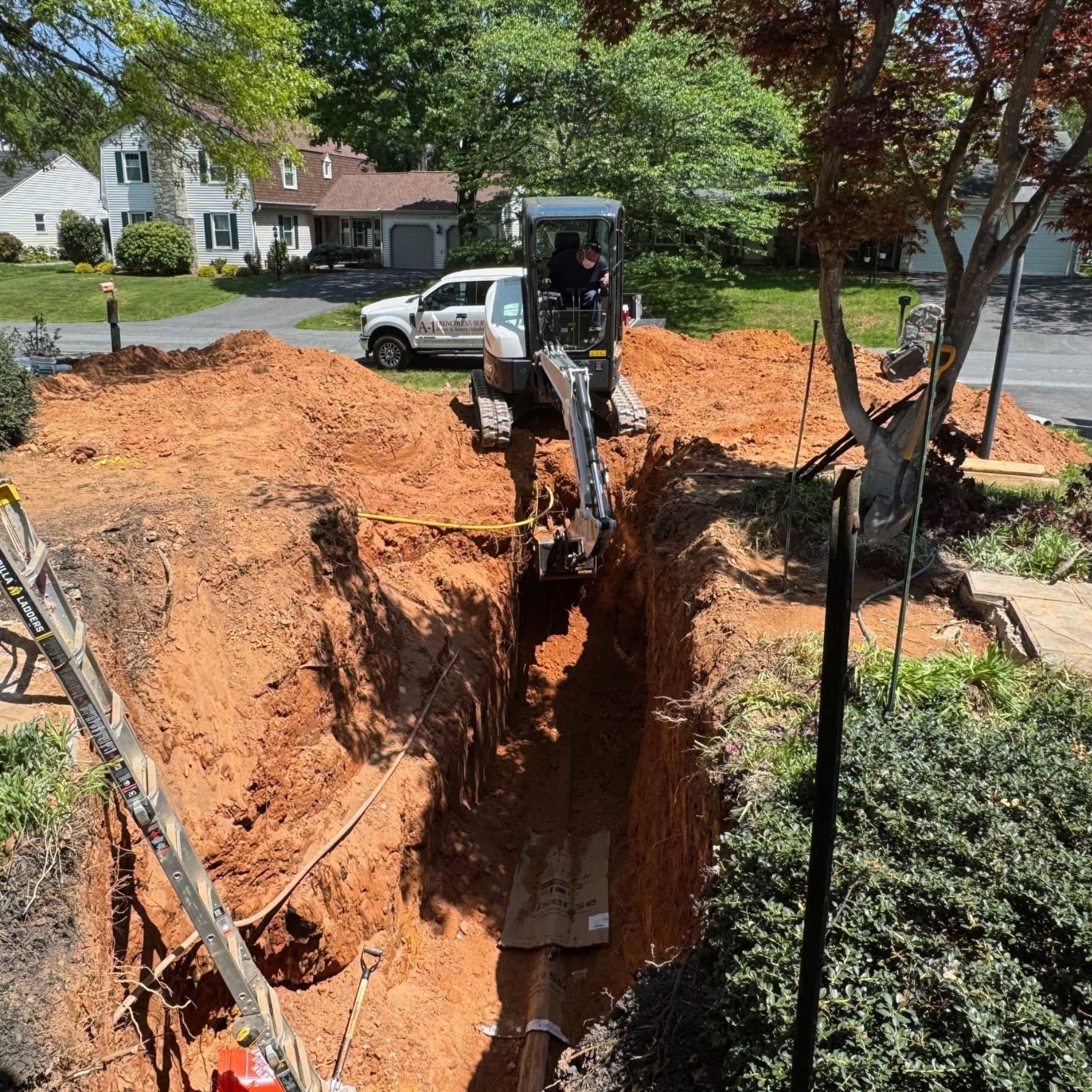
A sewer replacement is rarely something a property owner plans months in advance. It often follows repeated backups, slow drains throughout the building, foul odors, a collapsed pipe, or a camera inspection that confirms the line has reached the end of its service life. Knowing how to prepare for sewer replacement can reduce avoidable delays, protect your home or business, and help the work move forward with less disruption.
The good news is that much of the difficult work belongs to your sewer contractor. Your role is to provide clear access, make practical arrangements for water use, protect important areas of the property, and ask the right questions before work begins. A prepared property helps the crew diagnose, repair, and restore the line efficiently.
Start With a Clear Scope of Work
Before moving furniture or changing your schedule, make sure you understand what is being replaced and why. A video camera inspection should identify the condition of the existing line, the approximate location of the damage, pipe depth, and whether roots, corrosion, offset joints, bellies, or a collapse are causing the failure.
Ask whether the recommended solution is trenchless replacement, a spot repair, pipe lining, or conventional excavation. The right method depends on the pipe material, the extent of damage, the route of the sewer line, local code requirements, and access to the pipe. Trenchless methods can often preserve landscaping, driveways, and hardscaping, but they are not the best answer for every severely collapsed or improperly graded line.
You should also confirm where the sewer line connects. Some properties have a private lateral running from the home to the public sewer connection, while others may have septic components or shared lines that need additional coordination. For commercial properties, identify which restrooms, floor drains, kitchens, or tenant spaces will be affected.
Confirm Access Before Sewer Replacement Day
Sewer work requires room for technicians, equipment, and in some cases excavation machinery. Walk the property with your contractor or review the access plan in advance. The crew may need entry to a basement, utility room, crawl space, cleanout, yard, driveway, or side gate.
Clear vehicles from the driveway and move them away from the expected work area. If the sewer route crosses a garage, shed, deck, patio, or landscaped area, ask what needs to be moved and what can remain in place. Remove outdoor furniture, planters, decorations, hoses, and other items that could be damaged or slow down access.
Make sure gates are unlocked and that pets are safely contained inside the home or in another secure location. If a gate, fence section, or locked utility room is necessary for access, arrange for someone to be available when the crew arrives. Small access issues can turn into costly lost time when equipment and technicians are already on site.
For businesses and managed properties, notify maintenance staff, tenants, security personnel, and any vendors who may arrive during the work window. A clear site contact prevents confusion and keeps the project moving.
Plan for Limited Water and Drain Use
During active sewer replacement, the building may not be able to send wastewater into the sewer line. That can mean no flushing toilets, running sinks, showers, washing machines, dishwashers, or commercial fixtures for part of the day. The exact restriction depends on the repair method and where the crew is working, so get specific instructions from your contractor.
Do laundry, run the dishwasher, and take care of routine water use before the scheduled start time. Keep a supply of drinking water available, especially if your household includes young children, older adults, or anyone with medical needs. For a longer project, discuss temporary restroom arrangements before work starts rather than waiting until service is shut down.
Restaurants, offices, retail locations, and multi-unit properties should plan carefully around restroom availability. It may be possible to schedule work during lower-use hours, phase the project, or provide temporary facilities. The right approach depends on building occupancy, health requirements, and the location of the affected sewer line.
Protect the Areas Inside Your Home or Building
Most sewer line replacement work happens outside, but technicians may need to access a cleanout, basement drain, utility area, or plumbing fixture. Clear a path from the entry point to those locations. Move stored boxes, rugs, furniture, and fragile items away from the work area.
If the cleanout is in a finished basement or utility closet, create enough space for the crew to work safely without moving unnecessary belongings. Cover nearby items if dust is a concern, especially when conventional repair requires opening a floor or wall. Your contractor should explain any interior work before beginning.
Keep children and visitors away from work zones. Sewer repair equipment, open access points, hoses, and excavation areas are not safe places for foot traffic. A simple plan for pets, kids, and deliveries helps everyone stay safe and lets the technicians focus on the repair.
Mark What Is Buried in the Yard
A sewer line is only one of several utilities that may run beneath your property. Gas, electric, water, communications, irrigation, invisible pet fences, landscape lighting, and drainage systems can all affect the work plan.
Your contractor will coordinate required utility locating before excavation, but private lines and features are not always covered by standard utility markings. Tell the crew about anything you know is buried in the yard, including sprinkler heads, drainage pipes, pool lines, or an old well. If you have an irrigation map, survey, site plan, or records from previous construction, have them ready.
Do not rely on memory alone when it comes to underground utilities. If there is any uncertainty, ask before digging begins. This is especially important on older properties where repairs and additions may not have been documented.
Prepare Landscaping, Driveways, and Neighbor Communication
One major benefit of trenchless sewer replacement is reduced surface disruption. In many cases, the crew can replace a sewer line through small access points rather than excavating the full length of the pipe. Still, “minimal disruption” does not mean no preparation is needed.
Identify valuable plants, irrigation components, decorative stone, outdoor lighting, and hardscaping near the work area. Take dated photos of the yard, driveway, walkways, and affected interior areas before the project begins. Photos are useful for your own records and help everyone agree on existing conditions.
If equipment, parking, or excavation access could affect a shared driveway or property boundary, notify your neighbors early. A brief conversation can prevent frustration when trucks arrive or temporary access restrictions are needed. For homes governed by an HOA, check whether notice, approval, or work-hour restrictions apply.
Keep Records and Review the Project Plan
Sewer replacement is a significant property repair, so keep the estimate, inspection findings, project agreement, permits, and warranty information in one place. Confirm the planned start date, anticipated duration, payment schedule, restoration expectations, and who will communicate updates if conditions change underground.
Unexpected findings are possible. A camera inspection provides valuable information, but buried pipes can reveal additional root intrusion, disconnected sections, poor slope, or utility conflicts once work begins. Ask how the contractor handles change orders and what approval is required before additional work is performed.
If your homeowner’s insurance may be involved, contact your insurer before the work begins. Coverage varies widely. Some policies exclude sewer line failures unless service-line coverage or sewer backup endorsements are in place. Your contractor can provide documentation of the damage and recommended repair, but the insurer determines coverage.
Ask About Restoration and Long-Term Protection
The repair is not finished until you understand what happens after the new line is installed. Ask whether the contractor will perform a final camera inspection, test flow, restore access points, and explain any remaining landscaping or paving work. Trenchless projects typically require far less restoration, while conventional excavation may require separate repairs to sod, landscaping, concrete, or asphalt.
You should also ask what caused the original failure. A replacement line may solve the immediate problem, but recurring root growth, improper grease disposal, heavy paper products, or poorly maintained drains can still create future issues. If the line is prone to buildup, periodic camera inspections, hydro jetting, or descaling may be recommended based on the pipe material and property use.
Work With a Contractor Who Explains the Options
The most useful preparation is choosing a qualified sewer specialist who can inspect the line, explain the available methods, and give you realistic expectations before the first piece of equipment arrives. A-1 Trenchless Water & Sewer Repair Services LLC uses camera-based diagnostics and trenchless options when conditions allow, helping Damascus-area property owners address serious sewer problems with less unnecessary disruption.
A sewer replacement can feel overwhelming when backups are already affecting daily life. Clear access, a temporary water-use plan, and an upfront conversation about restoration turn a stressful repair into a manageable project, and help restore dependable flow where it matters most.
First published . Written by the A-1 Trenchless team.