A sewer cleanout is supposed to provide access to your sewer line, not release wastewater into your yard, basement, or parking area. If you are asking, “why is my sewer cleanout overflowing,” the short answer is that wastewater has hit a blockage or restriction downstream and cannot move toward the municipal sewer or septic system. The cleanout becomes the lowest available escape point.
This is an urgent plumbing problem, especially if the water is dark, foul-smelling, or contains toilet paper or waste. Stopping the overflow quickly protects your property, reduces health risks, and gives a sewer professional a clearer path to finding the real cause.
Why Is My Sewer Cleanout Overflowing?
Your building’s main sewer line carries wastewater from toilets, sinks, tubs, showers, floor drains, and appliances to the public sewer connection or septic tank. When that main line is blocked, crushed, separated, or overwhelmed, wastewater has nowhere to go. It backs up through the cleanout cap or an open cleanout fitting.
A cleanout overflow often points to a main sewer line problem rather than a small clog in one bathroom drain. If multiple fixtures are draining slowly, toilets are bubbling, or using water inside causes the cleanout to spill outside, treat it as a main-line backup.
The location of the overflow can be useful information. A cleanout near the house may overflow when the blockage is farther out in the line. If a cleanout near the street is overflowing, the restriction may be near the property connection or in a lower section of pipe. A camera inspection can confirm the exact location instead of relying on guesswork.
The Most Common Causes of a Sewer Cleanout Backup
Tree roots inside the sewer pipe
Tree roots naturally seek moisture. Even a small crack, loose joint, or aging connection can allow roots to enter the sewer line. Once inside, roots expand and catch paper, grease, and other debris until flow becomes restricted or fully blocked.
Root intrusion is common in older neighborhoods with mature landscaping, but it can affect newer properties as well. Cutting roots out can restore flow, but the long-term answer may require repairing or replacing the damaged pipe section so roots cannot return.
Grease, wipes, and drain debris
Cooking grease may look harmless when it is warm, but it cools and sticks to pipe walls. Over time, grease combines with soap residue, food particles, hair, and paper to narrow the pipe. Products labeled “flushable” can also collect in bends, root intrusions, and rough pipe interiors.
A heavy buildup may respond well to professional drain cleaning or hydro jetting. However, cleaning alone will not fix a pipe that is cracked, sagging, or badly corroded. That is why a thorough diagnosis matters after an overflow.
Broken, collapsed, or deteriorated sewer pipes
Clay, cast iron, Orangeburg, and older plastic sewer pipes can deteriorate with age. Soil movement, heavy vehicle traffic, construction activity, and freeze-thaw cycles can crack, offset, crush, or separate underground pipe sections. A collapsed section can stop wastewater almost completely.
These failures are not always visible from the surface. Your lawn may look normal while the sewer line below it has shifted or failed. Video inspection equipment lets a trained technician see the pipe interior, identify the damaged area, and recommend the most practical repair method.
A bellied sewer line
A sewer belly is a low spot caused by shifting soil or poor pipe slope. Water and solids settle in that dip instead of moving through the line. The pipe may drain slowly for months before one large flush, load of laundry, or storm event pushes it into a full backup.
Cleaning can remove accumulated debris, but it cannot correct the slope of a sagging pipe. Depending on the line’s condition and location, repair may involve replacing the affected section or using a trenchless solution when the pipe is a good candidate.
A blockage beyond your property line
Not every backup is caused by the private sewer line. A problem in the municipal main can also prevent wastewater from leaving the property. This is more likely when nearby homes are reporting similar backups, although one property can still be affected by a localized issue.
A sewer professional can inspect the private line and help determine where the problem appears to be. If the blockage is in the public main, the utility provider may be responsible for the repair. If it is on the private lateral, the property owner typically needs to arrange service.
What to Do When the Cleanout Is Overflowing
First, stop using water inside the building. Do not flush toilets, run the dishwasher, take showers, or start laundry. Every gallon sent down a drain can add to the overflow.
Keep people and pets away from the area. Sewer wastewater can contain bacteria and other contaminants, so avoid touching it or attempting to clean it without appropriate protective equipment. If wastewater has entered a basement, crawl space, or occupied area, professional cleanup may also be needed.
Do not remove a cleanout cap if it is closed and under pressure. The cap may be containing a backup that can release suddenly. Likewise, avoid pouring chemical drain cleaners into the system. These products rarely solve a main sewer obstruction and may create a safety hazard for anyone servicing the line.
Call a qualified sewer and drain professional promptly. Fast service can limit property damage and prevent the backup from reaching interior fixtures. When you call, mention whether multiple drains are affected, when the problem began, whether you have large trees near the sewer route, and whether the property is served by public sewer or septic.
How Professionals Find the Real Problem
The right repair starts with an accurate diagnosis. A technician may begin by evaluating the cleanout, testing drainage patterns, and using a sewer camera to inspect the line from the accessible opening. The camera can reveal roots, grease buildup, broken pipe, standing water, offsets, scale, or a collapsed section.
For stubborn blockages, professional-grade cable equipment or hydro jetting may clear the line and restore service. Hydro jetting uses controlled high-pressure water to remove grease, sludge, roots, and buildup from pipe walls. It is highly effective in the right pipe, but it should be used only after evaluating the line’s condition. A severely damaged or fragile pipe may need a different approach.
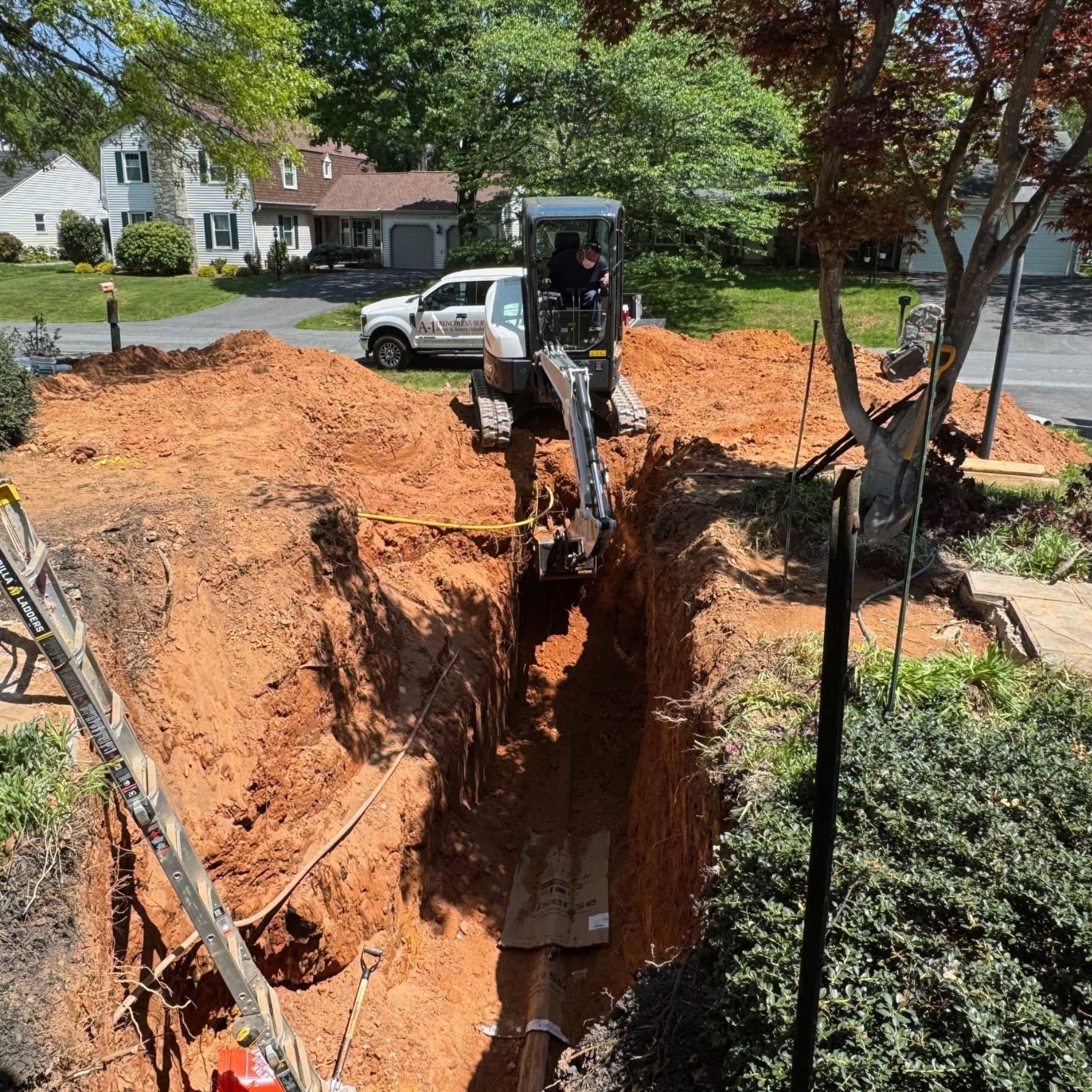
If the inspection reveals structural damage, repair options depend on pipe material, depth, access, and the location of landscaping, driveways, or utilities. Conventional excavation may be the best choice in some cases. In others, trenchless sewer repair or replacement can reduce digging, preserve more of the property, and shorten the disruption compared with opening the entire sewer route.
A-1 Trenchless Water & Sewer Repair Services uses advanced camera-based diagnostics to help property owners understand what is happening underground before recommending a repair. Clear findings make it easier to choose between cleaning, spot repair, or replacement based on the actual condition of the sewer line.
Can You Prevent Another Cleanout Overflow?
Prevention depends on what caused the first backup. If grease or debris caused the problem, change what goes down drains and schedule professional cleaning when buildup is likely. Avoid flushing wipes, paper towels, hygiene products, and other materials that do not break down quickly. Keep grease, oils, and food scraps out of kitchen drains.
If roots were found, periodic inspection and maintenance may help keep the line open while you plan a permanent repair. Repeated root removal can be a practical short-term measure, but recurring roots usually mean there is a pipe opening that still needs attention.
Older sewer lines benefit from a camera inspection before they become an emergency. This is particularly useful before purchasing a property, remodeling a bathroom, adding fixtures, or placing a heavy structure over the suspected sewer route. Early detection gives you more control over timing, cost, and repair options.
An overflowing cleanout is your sewer system’s warning that it cannot carry wastewater safely. Shut off water use, keep clear of the contaminated area, and have the line inspected quickly so the solution addresses the blockage or pipe failure instead of only the symptom.
First published . Written by the A-1 Trenchless team.