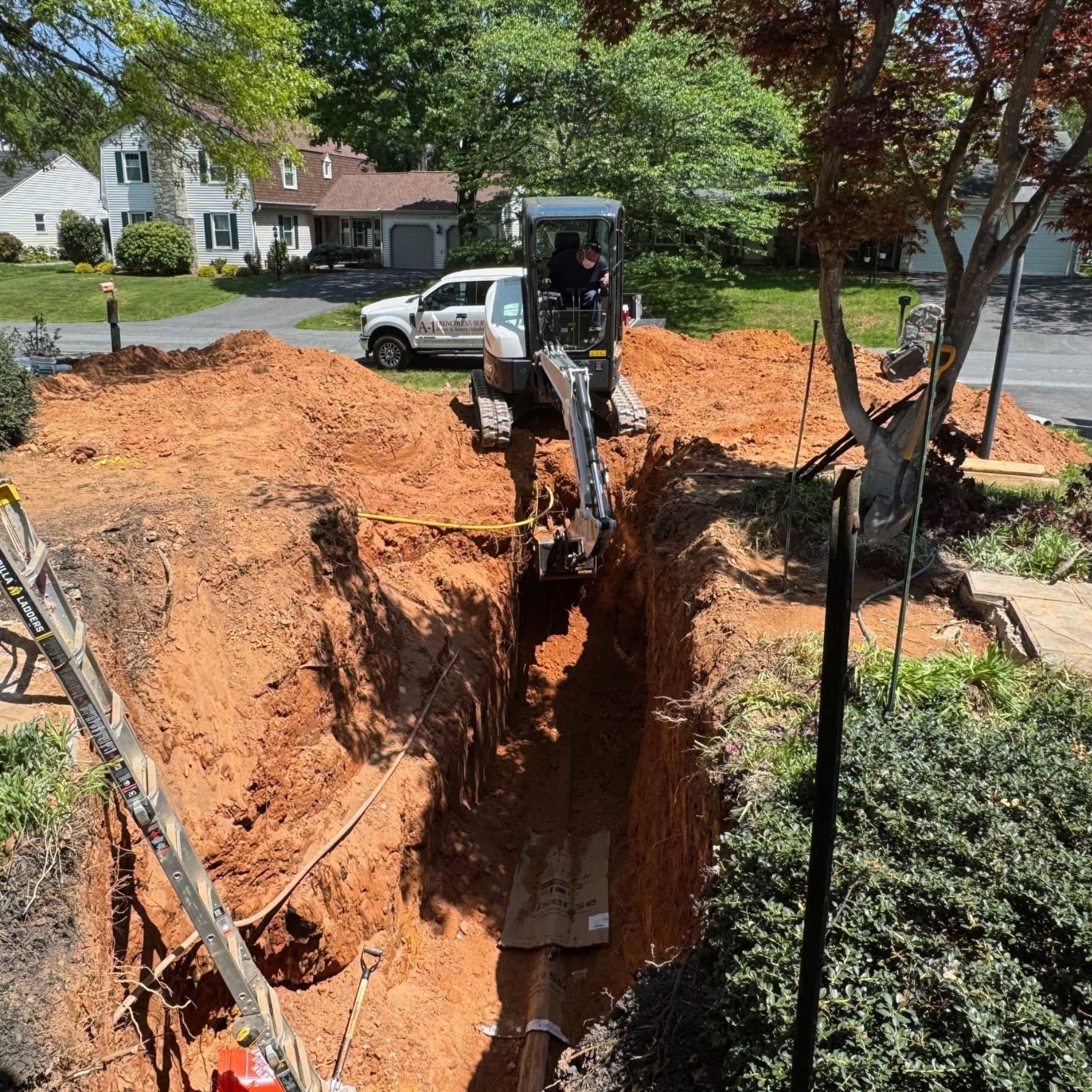
A sewer line usually does not fail all at once. It gives warnings first, a backup in the lowest drain, a patch of unusually green grass, a foul odor near the yard, or recurring clogs that keep coming back no matter how many times the line is cleared. If you are wondering when should sewer lines be replaced, the real answer depends on pipe condition, age, material, and how often the problem is interrupting your home or property.
For many property owners, the hardest part is knowing whether they are dealing with a repair issue or a replacement issue. A single isolated blockage may not mean the whole line is done. But a line that is cracked, collapsed, heavily corroded, or invaded by roots in multiple sections is often past the point where another quick fix makes financial sense.
When should sewer lines be replaced instead of repaired?
Replacement becomes the better option when the pipe has widespread damage or the same problem keeps returning after cleaning or spot repair. In those cases, paying for repeated service calls can cost more over time than fixing the full problem correctly.
One of the clearest signs is frequent backups. If toilets, tubs, or floor drains repeatedly back up and drain cleaning only provides short-term relief, the pipe may have structural damage rather than just buildup. Cracks, offset joints, bellies in the line, and heavy root intrusion can all create repeat problems that clearing alone will not solve.
Pipe age matters too. Older sewer lines made from clay, Orangeburg, cast iron, or other outdated materials are much more likely to fail as the years add up. Clay pipes can crack and allow roots in. Cast iron can corrode from the inside until the opening narrows and weakens. Orangeburg, which was used in some older systems, is especially known for deforming and deteriorating. If a camera inspection shows one of these materials in poor condition, replacement is often the safest long-term move.
The signs your sewer line may be at the end of its life
Not every sewer problem starts with sewage coming back into the home. Sometimes the first clues happen outside or build up slowly.
A soggy area in the yard can point to a leaking or broken line underground. So can a sunken patch of soil. If wastewater is escaping below grade, the ground above may stay wet, smell bad, or settle over time. In some cases, you may notice a strip of grass growing faster and greener than the surrounding lawn.
Inside the building, recurring slow drains in more than one fixture should get attention. If one sink is slow, that may be a local drain issue. If multiple fixtures are draining poorly, especially on the lowest level, the main sewer line may be restricted or damaged. Gurgling toilets, bubbling drains, and sewer odors are also common warning signs.
Another major red flag is root intrusion. Tree roots naturally seek moisture, and even a small pipe crack or loose joint can attract them. Once roots get in, they expand and trap debris, leading to repeated blockages. A line can sometimes be cleared and descaled, but if roots are returning quickly or the pipe wall is already compromised, replacement is often the better answer.
Age, material, and condition all matter
There is no single replacement age that fits every sewer line. Some lines last decades longer than expected, while others fail early because of poor installation, shifting soil, traffic loads, or aggressive root growth. That said, older materials deserve closer attention.
Cast iron sewer lines may last 50 years or more, but internal corrosion can become severe near the end of that range. Clay pipes can also last a long time, yet they are vulnerable to cracking and root intrusion. PVC generally performs well, but even newer plastic lines can develop problems if they were installed with poor slope, damaged during construction, or exposed to ground movement.
That is why a camera inspection matters so much. It shows whether the issue is a simple blockage, a localized defect, or a system-wide problem. A property owner should not have to guess. Good diagnostics make the decision clearer and help avoid paying for the wrong solution.
Cases where repair may still be the smarter choice
Replacement is not automatically the right answer every time a sewer line has trouble. If the damage is limited to a short section and the rest of the pipe is solid, a targeted repair can be the more practical and affordable option. The same goes for a line that has scale buildup or grease accumulation but no major structural failure.
Trenchless methods can also change the equation. In some situations, a damaged sewer line does not need a full open trench replacement across the whole yard. Pipe lining or pipe bursting may allow the line to be restored or replaced with far less disruption to landscaping, driveways, sidewalks, or business operations. For homeowners and facility managers, that can be a major benefit.
The key is whether the existing pipe still has enough integrity for a lasting repair. If the line has collapsed, has major offsets, or is failing in multiple areas, spot fixes are usually temporary. In that situation, the most cost-effective choice is often to replace the line once and stop dealing with the same emergency over and over.
When should sewer lines be replaced for commercial properties?
Commercial and multi-unit properties often have a lower tolerance for delay because one sewer issue can affect many occupants at once. If a facility is dealing with repeated backups, frequent drain service, foul odors, or downtime tied to a failing sewer line, replacement should be considered sooner rather than later.
The decision also depends on risk. A homeowner may be able to work around a minor issue for a short time. A restaurant, office building, school, or municipal facility may not have that flexibility. Repeated sewer disruptions can affect health, operations, and customer experience. In those settings, proactive replacement can prevent larger costs tied to closures, cleanup, and property damage.
Why waiting too long gets expensive
One of the biggest mistakes property owners make is treating sewer line failure like a problem that can always wait. Sometimes it can. Often it gets worse quietly.
A damaged sewer line can erode soil, damage pavement, kill landscaping, attract roots, and create unsanitary conditions around the property. Inside the building, backups can ruin flooring, drywall, stored items, and finished spaces. By the time the issue becomes obvious, the repair bill may be only one part of the total cost.
There is also the stress factor. Emergency service is rarely the moment anyone wants to make a major infrastructure decision. It is easier to compare options, plan the work, and protect the property when the problem is identified early through inspection instead of after a full backup.
What the replacement process should look like
A proper sewer line replacement starts with diagnosis, not guesswork. That usually means a video camera inspection to locate the problem, identify the pipe material, and assess how much of the line is affected. From there, the right method can be recommended.
If trenchless replacement is a fit, the work may be completed with minimal digging and less disruption to the yard or site. If conventional excavation is necessary, the scope should still be explained clearly, including access points, timeline, and what will happen to any affected surfaces.
A dependable contractor should also talk through trade-offs. Trenchless methods can reduce damage and speed up the job, but they are not ideal for every pipe or every site condition. Conventional replacement may be the better route when there is a collapse, poor alignment, or other conditions that require direct access. What matters most is choosing the method that solves the problem fully, not just the one that sounds easiest.
For property owners in Damascus and nearby areas, A-1 Trenchless Water & Sewer Repair Services LLC focuses on that kind of clear, practical decision-making, using camera inspections and modern repair options to recommend the right fix for the actual condition of the line.
The right time to act
If your sewer line has one isolated clog, replacement may be premature. If it has recurring backups, root intrusion, visible deterioration, or widespread damage shown by camera inspection, waiting usually adds cost and disruption. The right time to act is when the evidence shows the line is failing structurally, not just draining slowly for the moment.
A sewer line is one of those systems people rarely think about until it interrupts daily life. Once the warning signs start repeating, getting a clear inspection and an honest recommendation can save you from bigger damage, bigger cleanup, and a much harder repair decision later.
First published . Written by the A-1 Trenchless team.