A sewer backup that keeps returning after drain cleaning often points to a deeper issue: a low section in the underground pipe. Understanding your sewer line belly repair options starts with identifying whether that dip is holding water and waste, restricting flow, or causing repeated blockages. The right fix depends on the pipe’s slope, condition, depth, material, and access to the affected area.
A sewer line belly is not usually an emergency because of the dip alone. It becomes urgent when wastewater and solids collect in that low spot, creating slow drains, recurring clogs, foul odors, backups, or damage to the pipe itself. A professional camera inspection takes the guesswork out of the decision and helps determine whether cleaning, a targeted repair, or replacement is the sensible long-term answer.
What Is a Sewer Line Belly?
A belly is a section of sewer pipe that has sunk below the intended grade. Sewer lines depend on gravity, so they need a consistent downward slope to carry wastewater from the building to the public sewer connection or septic system. When the pipe settles, shifts, or was installed with an improper pitch, water can remain in the low area instead of moving through the line.
Small amounts of standing water can appear in many sewer cameras, especially when a line is actively in use. The concern is a substantial or persistent low spot where water, toilet paper, grease, and solids collect. Over time, that buildup can reduce the usable diameter of the pipe and turn a minor drainage concern into a recurring sewer problem.
Common causes include poor original installation, shifting soil, erosion, heavy vehicle traffic, nearby construction, failing pipe joints, and deterioration of older pipe materials. In the Damascus area, changing moisture conditions and aging underground infrastructure can also contribute to soil movement around a buried sewer line.
Start With a Camera Inspection and Location Check
No responsible contractor should recommend digging or replacing a sewer line based only on a slow drain. Many symptoms that resemble a belly can also come from roots, grease accumulation, a cracked pipe, offset joints, or a blockage farther down the line.
A video sewer inspection shows where water is standing and whether the pipe has other defects. The technician can evaluate the length of the affected section, locate it from above ground, and assess whether the pipe is structurally sound. For a more complete diagnosis, the team may also verify the pipe depth and use locating equipment to mark the route of the line.
This information matters because a short belly in an otherwise healthy pipe calls for a different approach than a sagging line with cracks, root intrusion, corrosion, or multiple failed connections. It also prevents property owners from paying for a temporary service when a permanent correction is needed.
Sewer Line Belly Repair Options
Drain Cleaning or Hydro Jetting for Temporary Relief
When a belly is collecting debris, professional drain cleaning or hydro jetting can restore flow and relieve an active backup. This can be a practical first step when the line is blocked, particularly if the property needs to remain operational while a repair plan is developed.
However, cleaning does not raise the pipe or correct its slope. If the belly remains, material can settle in the same place again. Hydro jetting is valuable for clearing buildup and maintaining a line, but it should not be presented as a permanent repair for a significant low spot.
Targeted Excavation and Pipe Regrading
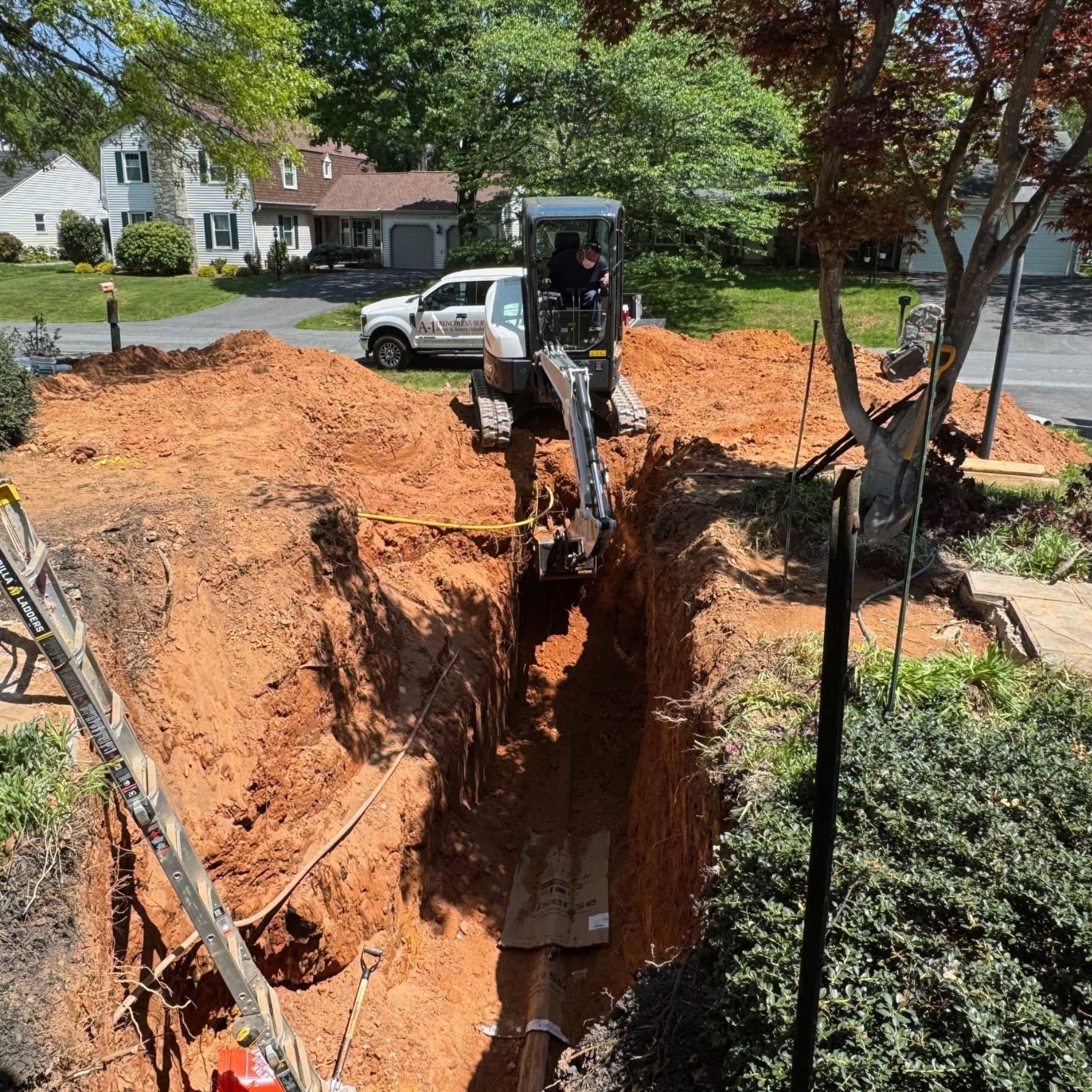
For a localized belly, targeted excavation is often the most direct and dependable repair. The affected section is exposed, removed, and replaced with properly bedded pipe at the correct grade. The repaired line is then tested to confirm that wastewater can flow as intended.
This option requires digging, but it may be limited to one manageable area rather than the full length of the sewer line. If the belly is beneath an open portion of a yard, a driveway edge, or another accessible area, spot repair can offer an excellent balance of cost and long-term performance.
Proper bedding is critical. Simply lifting or supporting a sagging pipe without addressing unstable soil can lead to another settlement issue. A quality repair restores the line’s slope while providing stable support around the replacement section.
Partial Sewer Line Replacement
A partial replacement is appropriate when the low spot covers a longer section or when the camera inspection reveals damage beyond one small area. Rather than replacing a complete line that is still functioning well in other locations, the contractor replaces the failed portion and connects it to sound pipe on both ends.
This approach can be cost-effective, but only when the remaining pipe is in good condition. If old cast iron, clay, Orangeburg, or deteriorated pipe has problems in several places, a partial repair may solve one issue while leaving the property vulnerable to another failure soon afterward.
Full Sewer Line Replacement
Full replacement is usually the strongest long-term option when a sewer line has multiple bellies, widespread deterioration, repeated root intrusion, major cracking, or a poor overall slope. It gives the installer the opportunity to rebuild the line with consistent grade and modern, durable materials.
Conventional excavation may be the best method when the line must be completely regraded from the building to the connection point. Although excavation affects more of the property, it provides direct access for correcting soil conditions, replacing damaged sections, and ensuring the new sewer line meets required slope and code standards.
For property owners dealing with frequent backups and an aging line, replacement can prevent the cycle of repeated service calls, cleanup costs, and disruption. The initial investment is larger, but the value often comes from restoring dependable drainage rather than continually managing symptoms.
Trenchless Repair: When It Helps and When It Does Not
Trenchless methods can reduce disruption when a line needs repair or replacement beneath landscaping, walkways, driveways, or other difficult areas. Pipe bursting, for example, can replace a damaged sewer line by pulling new pipe through the path of the old one with limited access points.
A trenchless replacement may help with a belly if the installation plan can establish the proper grade from one access point to another. That is not possible in every situation. If the existing route has a severe low area or the pipe elevation must be changed significantly, excavation may still be needed to correct the slope.
Cured-in-place pipe lining is another trenchless solution for some cracks, leaks, and root intrusion issues. But lining follows the shape of the existing pipe. It can seal a damaged line, yet it generally does not eliminate a true belly. In fact, lining a line with a significant sag may leave the drainage issue in place. A camera-based evaluation is essential before choosing any trenchless method.
How to Choose the Right Repair
The best repair is based on what the inspection reveals, not on a one-size-fits-all recommendation. A small, accessible belly with healthy pipe around it may only need a spot excavation and regrade. A long sag combined with old, failing pipe may justify replacement. If the line is structurally sound and the problem is minor, cleaning and monitoring may be reasonable for a period of time.
Access also affects the plan. A belly beneath a landscaped lawn is usually easier to reach than one beneath a garage slab, retaining wall, mature trees, or paved parking area. Trenchless options may reduce surface disruption in these challenging locations, but they must still deliver the correct slope to be worthwhile.
Commercial and municipal properties may need additional planning because downtime, traffic flow, building occupancy, and larger pipe sizes can affect the repair process. In those cases, clear scheduling, accurate locating, and a contractor experienced with underground utilities help keep the project moving safely.
Protect Your Property From Repeat Backups
If you have frequent clogs in the same drain branches, gurgling toilets, wastewater backing up at the lowest fixture, or a sewer line that needs regular cleaning, do not assume the issue is routine maintenance. Those signs may indicate a belly or another underground defect that deserves a camera inspection.
A-1 Trenchless Water & Sewer Repair Services LLC can inspect the line, explain the findings in clear terms, and recommend a repair approach that protects your property without unnecessary digging. The goal is not simply to get water moving today. It is to correct the cause of the problem so your home or building can keep operating with confidence.
First published . Written by the A-1 Trenchless team.