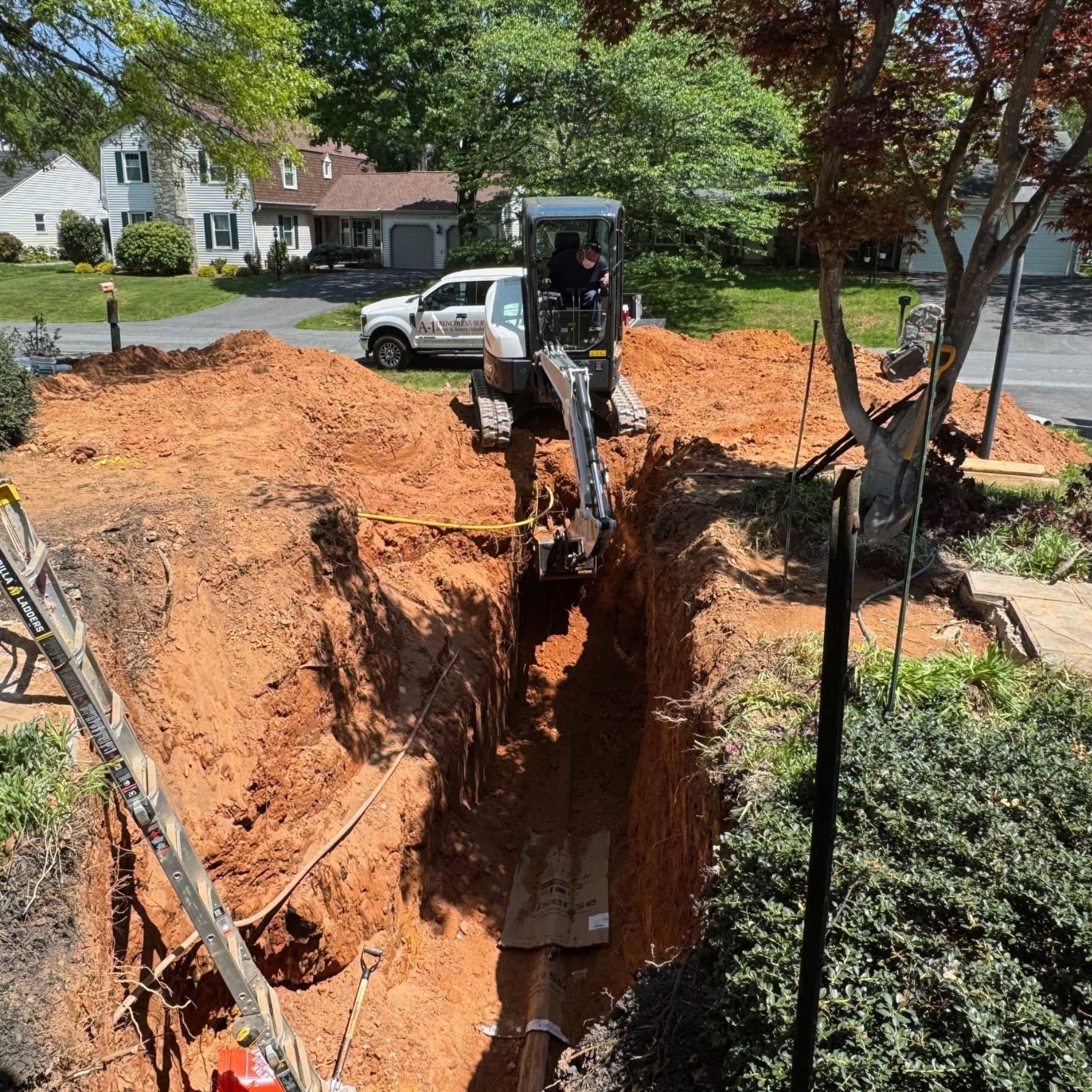
That foul, rotten-egg odor isn’t just an embarrassing nuisance for your guests. It’s a diagnostic warning that your home’s structural health is under threat. If you’re dealing with a persistent sewer gas smell in house Germantown residences, you’ve likely already tried every DIY trick in the book without success. It’s completely normal to feel anxious about the potential health risks of methane or the looming dread of a massive, yard-destroying excavation project. You want your home to be safe and smelling fresh again, but you don’t want to deal with the chaos of heavy machinery on your lawn.
We’re here to help you regain control of your home’s environment with professional clarity and local expertise. This guide will walk you through identifying the specific source of these odors, from simple dried P-traps to the aging clay pipes common in Montgomery County homes built before 1975. You’ll learn why recent local infrastructure failures highlight the need for proactive maintenance and how modern trenchless technology resolves these issues permanently. We’ll show you how “no-dig” solutions like pipe lining can restore your sewer lines with minimal disruption, ensuring your family’s safety and your property’s value remain intact.
Key Takeaways
- Learn how to distinguish between toxic sewer gas and natural gas to ensure your family’s immediate safety.
- Discover why simple issues like dried P-traps or failed toilet wax rings are often the culprit behind a persistent sewer gas smell in house Germantown properties.
- Explore how professional high-definition video inspections and smoke testing find “invisible” leaks without damaging your walls or floors.
- Understand the benefits of trenchless sewer repair methods like CIPP lining, which creates a smooth new pipe inside your existing one.
- See how Germantown’s aging infrastructure and mature trees impact your sewer laterals and what you can do to prevent a total line failure.
Table of Contents
- Identifying Sewer Gas vs Natural Gas in Your Germantown Home
- Internal Plumbing Culprits: Why Your Fixtures Smell Like Sewage
- Underground Issues: When Sewer Gas Signals Main Line Damage
- Professional Diagnostics: How Germantown Plumbers Find Invisible Leaks
- Trenchless Sewer Repair: Eliminating Odors Without Excavation
Identifying Sewer Gas vs Natural Gas in Your Germantown Home
It’s easy to feel overwhelmed when a foul odor suddenly fills your living room or bathroom. Understanding exactly what you’re smelling is the first step toward a resolution. Sewer gas is a complex mixture of toxic and non-toxic gases, including hydrogen sulfide, methane, and ammonia. These are produced by decomposing organic waste within your plumbing system. If you encounter a persistent sewer gas smell in house Germantown properties, you’re likely smelling hydrogen sulfide. This gas acts as the primary indicator of a breach in your plumbing’s airtight seal, often described as a distinct rotten-egg scent.
Distinguishing between sewer gas and natural gas is a critical safety skill for every homeowner. While sewer gas smells like rotting organic matter, natural gas has a sharper, “skunky” odor. This is because utility companies add a chemical called mercaptan to natural gas to make leaks detectable. If the smell is sulfurous and heavy, it’s likely your sewer line. If it’s more chemical and pungent, it could be a gas line. If you suspect a sewer leak, open your windows to ventilate the space immediately. However, if the smell is overpowering or you feel physically ill, evacuate the home and call a professional Germantown plumber to investigate.
Is Sewer Gas Dangerous? Understanding the Health Risks
Low levels of hydrogen sulfide (H2S) might just be a nuisance, but prolonged exposure leads to serious health issues. You might experience persistent headaches, nausea, or dizziness as the gas enters your bloodstream. Methane is another concern. It’s an asphyxiant that displaces oxygen in confined spaces like basements or crawlspaces. It also poses a significant explosive hazard if it accumulates near a pilot light or electrical spark. Perhaps the most dangerous aspect is “olfactory fatigue.” Your nose eventually stops detecting the scent after long periods of exposure, which can lead you to believe the problem has vanished when the danger is actually peaking.
When to Call for Emergency Sewer Support in Montgomery County
Identifying whether the problem is a single fixture or a systemic failure helps determine your next steps. A smell localized to one sink might just be a dry trap, but odors that drift through multiple rooms often signal a main line backup. If odors persist after flushing all P-traps, a structural breach is likely. This is the moment to stop DIY attempts and seek expert help. A-1 Trenchless Water & Sewer Repair Services LLC provides rapid diagnostics for Germantown residents, using advanced technology to pinpoint the exact location of the leak without guessing. We focus on finding the root cause quickly so your home returns to a safe, breathable state as soon as possible.
Internal Plumbing Culprits: Why Your Fixtures Smell Like Sewage
Before you worry about a total sewer line collapse, it’s best to check the common mechanical failures within your walls. Often, a sewer gas smell in house Germantown residences originates from a simple breach in your home’s internal plumbing seals. These seals are designed to keep noxious odors out of your living space while allowing waste to flow away. When a seal fails or a trap dries out, that barrier disappears. While some of these issues are easy DIY fixes, others indicate a deeper problem with your home’s venting or drainage system.
- The Dry P-Trap: Every sink, tub, and floor drain has a U-shaped pipe that holds a small amount of water. This water acts as a physical block against sewer gas. In Germantown basements or guest bathrooms, this water can evaporate over time if the fixture isn’t used.
- Bacteria in the Water Heater: If the smell only appears when you run hot water, it’s likely not the sewer at all. A reaction between sulfate-reducing bacteria and your water heater’s magnesium anode rod can create a sulfur scent that mimics sewage.
- Clogged Plumbing Vents: Your plumbing system needs to breathe. If bird nests, leaves, or debris block the vent stacks on your roof, pressure builds up. This forces sewer gas through your traps and into your rooms.
The P-Trap Solution: A 60-Second Fix
If you suspect a dry trap, the solution is usually as simple as “priming” the drain. Run the faucet for about 60 seconds to refill the U-bend and restore the vapor barrier. This is especially important for floor drains located near your HVAC system or water heater, as these are frequently forgotten during routine cleaning. For guest suites or seasonal properties, you can pour a tablespoon of mineral oil into the drain after priming it. The oil floats on top of the water, significantly slowing down the evaporation process and keeping your home odor-free for months.
Identifying a Faulty Toilet Seal
The wax ring under your toilet is a critical component that often fails silently. You might not see a water leak on the floor, but if the ring has lost its airtight seal, gas will seep out every time the atmospheric pressure changes. A rocking toilet is a major red flag that the wax ring is compromised. If you notice your toilet gurgling when you run the shower or sink, it’s a sign of poor venting that might be pushing gas past the seal. If these simple adjustments don’t clear the air, a video pipe inspection can help determine if the problem lies deeper in your pipes.
Underground Issues: When Sewer Gas Signals Main Line Damage
If you’ve already primed your P-traps and confirmed your toilet seals are tight but still notice a persistent sewer gas smell in house Germantown residences, the problem likely lies underground. These external issues are often more complex than a simple fixture failure. Small fractures or cracks in your sewer lateral allow gases to travel through the soil and into your home’s foundation. This process can happen silently for months before a full blockage or backup occurs. It’s a structural warning sign that requires a professional look beneath the surface.
Tree root intrusion remains a primary threat in our community. Germantown’s mature trees have extensive root systems that naturally seek out the moisture inside your pipes. Older clay or cast iron lines are particularly vulnerable at their joints. Once roots enter, they trap debris and create stagnant pools of waste that emit concentrated hydrogen sulfide. Similarly, sagging sewer lines, or “bellies,” create low spots where waste collects rather than flowing to the main. These stagnant areas become a constant source of foul odors that defy simple drain cleaning attempts.
Germantown Soil and Your Sewer Line
Maryland’s heavy clay soil poses a unique challenge to residential plumbing. Clay expands and contracts significantly based on moisture levels. This movement, combined with Germantown’s seasonal temperature swings, causes ground heaving that can snap rigid pipes or pull joints apart. A video pipe inspection in Damascus or Germantown is the only definitive way to confirm this underground damage. Without a visual look inside the pipe, you’re just guessing where the gas is escaping, which often leads to unnecessary and expensive digging.
The Problem with Aging Cast Iron
Homes built before 1980 in Montgomery County typically rely on cast iron sewer pipes that are now reaching the end of their functional lifespan. Over decades, these pipes suffer from internal corrosion and “channeling,” where the bottom of the pipe wears away completely. This creates a direct path for sewer gas to escape into the soil under your floor. While traditional snaking might clear a temporary clog, it doesn’t solve odor issues caused by years of scale buildup. Professional sewer pipe descaling is often required to restore flow and seal minor entry points where gas might be leaking. This modern approach cleans the pipe walls thoroughly, preparing the line for a permanent, non-invasive repair.
Professional Diagnostics: How Germantown Plumbers Find Invisible Leaks
Finding the source of a persistent sewer gas smell in house Germantown residences requires more than just a keen nose. It requires advanced diagnostic tools that can see through solid concrete and deep underground. Gone are the days of tearing up drywall or digging trenches just to find a leak. Modern technology allows us to pinpoint the exact location of structural breaches with surgical precision. This approach saves time, reduces repair costs, and prevents unnecessary damage to your home’s finished surfaces.
The Power of Video Pipe Inspections
High-definition video cameras are the foundation of modern sewer diagnostics. We feed a flexible, fiber-optic cable into your plumbing line to get a real-time view of the pipe’s interior. This allows us to identify hairline cracks, offset joints, and early-stage root intrusion that a standard drain snake would simply pass by. You should never authorize a major sewer repair without seeing the footage yourself. For those moving into the area, checking out our sewer line inspection for home purchase guide can help you understand what to look for before signing a contract.
Smoke Testing: The Gold Standard for Odor Detection
When odors are present but no water leaks are visible, smoke testing is often the most effective solution. We introduce a non-toxic, odorless “smoke” into the sewer system under low pressure. If there’s a crack in a vent stack hidden behind your drywall or a failed seal under a floorboard, the smoke will emerge from that exact spot. It’s much safer and more accurate than trying to “sniff out” a source that might be drifting through your HVAC vents. During a professional smoke test, you’ll see exactly where the plumbing envelope is compromised, allowing for a targeted fix rather than a “search and destroy” mission.
Beyond cameras and smoke, we utilize electronic pipe locating to map the exact depth and path of your sewer line. This is crucial for Germantown properties with complex landscaping or additions. By knowing exactly where the pipe sits, we can minimize disruption to your yard. We also use hydrostatic pressure testing to isolate specific sections of your plumbing. By monitoring for pressure drops, we can confirm whether a specific branch of your system is leaking even if it’s buried under a concrete slab. If you’re ready to stop the guesswork and find the source of that odor, contact us for a professional video pipe inspection today.
Trenchless Sewer Repair: Eliminating Odors Without Excavation
Once diagnostics have pinpointed the breach in your line, the focus shifts to a permanent resolution. For many, the primary source of anxiety is the thought of a backhoe tearing through a manicured lawn or a custom walkway. Trenchless technology eliminates this concern by allowing us to repair or replace your pipes from small access points. If you’re struggling with a persistent sewer gas smell in house Germantown properties, these modern “no-dig” methods provide a smooth seal that stops gas leaks instantly and permanently.
Cured-In-Place Pipe (CIPP) lining is one of the most effective solutions for odor control. This process involves inserting a flexible liner saturated with epoxy resin into the existing damaged pipe. Once the resin cures, it forms a structural, “pipe-within-a-pipe” that has no joints or seams. Because it’s a single, continuous piece, there are no gaps for roots to enter or for sewer gas to escape. For lines that are too collapsed for lining, pipe bursting offers a powerful alternative. We pull a new, high-density polyethylene (HDPE) pipe through the old one, breaking the damaged line apart while simultaneously installing a fresh, gas-tight replacement.
Is Trenchless Right for Your Sewer Gas Problem?
Choosing the right method depends on the level of structural damage found during your camera inspection. When comparing pipe bursting vs pipe lining, lining is often the go-to for sealing cracks and stopping odors, while bursting is reserved for severe structural failures. Trenchless is especially valuable for a sewer line repair under a driveway, as it saves you from the massive expense of repaving. While the upfront cost of trenchless equipment is specialized, it’s often more affordable than traditional digging when you factor in the thousands of dollars saved on restoring your landscaping, porches, or driveways.
Why Choose A-1 Trenchless Water & Sewer Repair Services LLC for Your Germantown Home
Our team understands the specific challenges of Montgomery County’s aging infrastructure and heavy clay soils. We stay current with the latest 2026 WSSC plumbing codes to ensure every repair is fully compliant and built to last. These trenchless solutions aren’t just a temporary patch. They’re rated for 50 or more years of reliable service. A-1 Trenchless Water & Sewer Repair Services LLC uses advanced diagnostics to find your sewer gas source and fix it without ruining your property. Don’t let a sewer gas smell in house Germantown residences compromise your family’s comfort or safety any longer.
Schedule your professional video pipe inspection today.
Take Control of Your Home’s Air Quality and Safety
Living with a persistent odor is stressful. However, you now have the tools to identify whether the cause is a simple internal plumbing seal or a deeper structural failure in your main line. We’ve explored how local soil conditions and aging infrastructure contribute to these breaches and why modern diagnostics are the only way to find the source without tearing up your property. You don’t have to settle for temporary fixes or the dread of a destroyed yard. A sewer gas smell in house Germantown residences is a solvable problem when you use the right technology.
Stop the smell and protect your home. Contact A-1 Trenchless Water & Sewer Repair Services LLC for a high-tech inspection today. As 5-star rated specialists in Montgomery County, we’re proud to be locally owned and operated in Damascus, MD. A-1 Trenchless Water & Sewer Repair Services LLC focuses on advanced no-dig technology that restores your pipes while preserving your landscaping and peace of mind. Your home should be a sanctuary. Let’s make it smell like one again.
Frequently Asked Questions
Is the sewer gas smell in my house an emergency?
A strong or persistent sewer gas smell in house Germantown residents encounter should be treated as a serious safety concern. While a faint odor from an unused sink might just be a dry trap, high concentrations of methane are flammable, and hydrogen sulfide is toxic. If you experience physical symptoms like headaches or nausea, you should ventilate the area and contact a professional to ensure your home’s air is safe.
How much does it cost to find the source of a sewer gas leak in Germantown?
The investment required to locate a leak depends on the specific diagnostic methods used, such as smoke testing or high-definition video inspections. Every home’s plumbing layout is different, and the complexity of the system influences the time needed for a thorough investigation. Utilizing professional diagnostics is a proactive way to avoid the much higher costs associated with unnecessary excavation or guesswork.
Can a clogged drain cause a sewer gas smell?
Yes, a clog can be the direct source of foul odors. When organic materials like hair, grease, and food particles become trapped in your pipes, they begin to decompose and release gases. Furthermore, a significant blockage can create a vacuum effect that siphons water out of your P-traps, removing the physical barrier that normally keeps sewer gas out of your home.
Why does my bathroom smell like rotten eggs only when I run the water?
This symptom often suggests a problem with your water heater or the drain’s biofilm rather than a main sewer breach. Sulfur-reducing bacteria can react with the magnesium anode rod inside your water heater to produce hydrogen sulfide gas. It’s also possible that water is disturbing bacteria living in the drain’s trap, pushing the scent up into the room as the water flows.
Will a sewer camera inspection find a gas leak?
A camera inspection is designed to find the structural openings where gas escapes, such as cracks, separated joints, or root intrusions. While the camera doesn’t visually detect the gas itself, it provides real-time confirmation of the physical defects causing the odor. This visual evidence is essential for determining if a trenchless repair is the right solution for your property.
Can I fix a sewer gas smell myself with chemicals or Drano?
Chemical drain cleaners are almost never an effective fix for sewer gas odors. If the smell is caused by a structural crack, a failed toilet seal, or a venting issue, liquid cleaners won’t address the root cause. In many cases, these harsh chemicals can actually accelerate the corrosion of older cast iron pipes, turning a minor leak into a major structural failure.
What happens if I ignore a faint sewage smell in my basement?
Ignoring the scent allows toxic gases to accumulate in your living space and suggests that an underground pipe is actively failing. A small crack that allows gas to escape will eventually widen, potentially leading to a total pipe collapse or a messy sewage backup. Addressing the odor early is the best way to prevent expensive emergency repairs and protect your family’s health.
Does homeowners insurance cover sewer gas leak repairs?
Coverage for sewer line issues depends entirely on your specific policy and whether you have added “service line” or “sewer backup” endorsements. Standard homeowners insurance typically does not cover repairs caused by wear and tear or aging infrastructure. It is a good idea to review your policy details or consult with your insurance agent to see if your underground utilities are protected.
First published . Written by the A-1 Trenchless team.