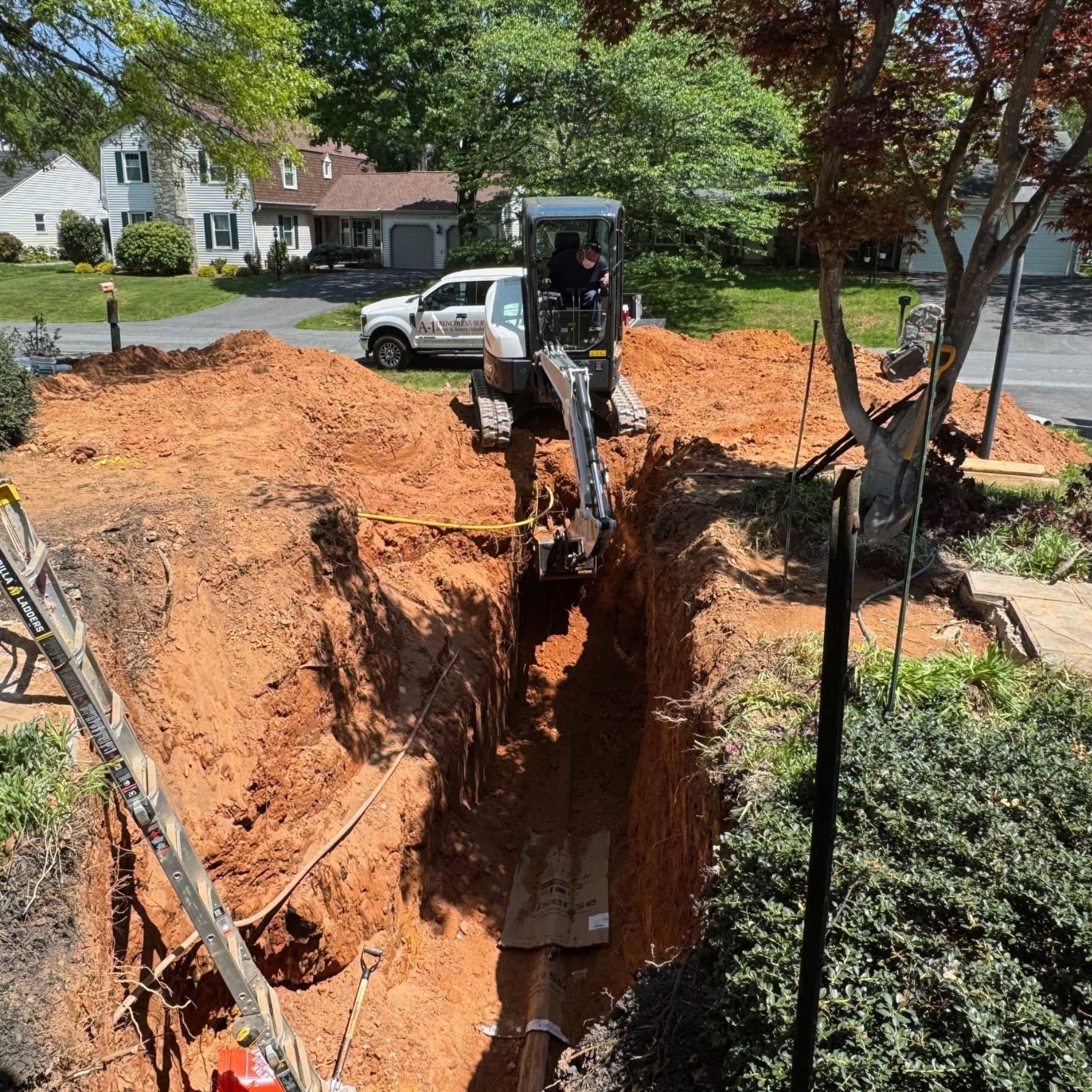
A sewer line problem rarely starts small for long. One slow drain turns into repeated backups, wet spots in the yard, or a sewer smell that keeps coming back. When that happens, the question is usually not whether something is wrong. It is whether sewer repair vs sewer replacement is the smarter move for your property, your budget, and the condition of the pipe underground.
The right answer depends on what a camera inspection finds, how much of the line is damaged, and whether the pipe still has enough life left to justify a targeted fix. Some problems can be repaired quickly with minimal disruption. Others need full replacement to stop the cycle of backups, temporary fixes, and rising costs.
How to decide between sewer repair vs sewer replacement
The biggest factor is the extent of the damage. If the issue is isolated to one section of pipe, repair is often the practical choice. That might include a crack, a small offset joint, a localized root intrusion, or a short collapsed section. In those cases, a focused repair can restore flow and avoid replacing pipe that is still in decent condition.
Replacement becomes more likely when the line has widespread deterioration. Older pipes made from clay, Orangeburg, cast iron, or other outdated materials can fail in multiple places at once. If one section is repaired today but the rest of the line is thin, brittle, or heavily corroded, the savings may not last very long.
Age matters, but age alone does not make replacement automatic. Some older lines are still serviceable. Some newer lines fail early because of poor installation, soil movement, heavy root activity, or repeated clogs that were never fully diagnosed. That is why a proper video inspection is so important. It shows whether the problem is isolated or systemic.
When sewer repair makes sense
Repair is usually the better option when the damage is limited and the rest of the sewer line is structurally sound. It can be a strong choice for homeowners and property managers who want to solve the immediate problem without taking on the cost of a full line replacement.
A repair may make sense if the pipe has one known break, a small belly in a short section, a joint separation, or roots entering at a specific point. If the line can be cleaned, inspected, and confirmed to be in otherwise workable condition, repairing only the affected area can be the most efficient solution.
This is also where trenchless methods can make a real difference. Depending on the condition of the line, trenchless spot repair or pipe lining may address the issue without digging across the yard, driveway, or landscaping. That can reduce downtime and protect the property while still delivering a durable result.
Still, repair has limits. If the line has recurring backups in different locations or multiple weak points, fixing one area may only delay the next failure. A lower upfront bill can become more expensive over time if service calls keep stacking up.
When sewer replacement is the better investment
Replacement is often the better call when the sewer line has reached the end of its service life or suffered damage that affects a large portion of the pipe. A full replacement gives you a clean start instead of treating one symptom at a time.
If the inspection shows major corrosion, repeated root intrusion throughout the line, multiple cracks, channel rot, or collapsed sections, replacement is usually the more dependable solution. The same is true when the pipe material itself is known to fail and the line has a long history of problems.
For commercial properties and facilities, replacement can also make sense sooner because recurring sewer issues disrupt operations, tenants, employees, and customers. A business dealing with repeated backups may lose far more in interruption and cleanup than it would by addressing the full line properly.
Replacement does not always mean a major excavation project. In many cases, trenchless sewer replacement can install a new line with far less surface disruption than traditional digging. That matters when the existing sewer runs under a driveway, patio, landscaping, or other hard-to-restore area.
Cost is important, but it should not be the only factor
Most people start with price, and that is understandable. Repair usually costs less upfront than full replacement. If the problem is truly limited, that lower cost can be the right move.
But sewer work should be evaluated by total value, not just the first invoice. A cheaper repair is not a bargain if it only buys a few months before the next backup. On the other hand, a full replacement may be more than you need if the pipe only has one damaged section and the rest of the line is in good shape.
This is where honest diagnosis matters. A dependable contractor should explain what the camera sees, what options are realistic, and where the trade-offs are. Sometimes the best recommendation is a repair that buys several more years. Sometimes replacement is the only option that makes financial sense once repeated service calls, cleanup costs, and property damage are considered.
Financing can also change the decision. If replacement is the better long-term fix, flexible payment options may make it easier to approve the work now instead of paying for repeated short-term repairs.
What a camera inspection can reveal
A sewer problem underground should never be guessed at. Camera inspections remove the guesswork and help determine whether repair or replacement is the right answer.
A video inspection can show root intrusion, grease buildup, cracks, pipe separation, offset joints, sagging sections, corrosion, and full or partial collapse. It can also reveal whether the issue is caused by a blockage that can be cleared or by structural damage that needs construction work.
This matters because symptoms alone are misleading. Slow drains and backups can come from a simple obstruction, but they can also point to a broken line. Wet patches in the yard may indicate a leak, but they could also reflect drainage issues unrelated to the sewer. Without seeing inside the pipe, it is easy to spend money on the wrong fix.
For older homes and buildings, inspections are especially valuable because they show not only the immediate problem but the condition of the line overall. That full picture helps property owners make a decision based on facts instead of frustration.
Trenchless options change the repair vs replacement conversation
Years ago, replacement often meant extensive digging and major disruption. That is not always the case now. Trenchless methods have changed how many sewer line problems are handled, especially when preserving the yard, driveway, or paved surfaces is a priority.
For repairs, trenchless techniques may allow a damaged section to be restored without opening a long trench. For replacement, pipe bursting can pull a new line through the old pipe path while limiting excavation to access points. Not every sewer line qualifies for trenchless work, but when it does, the advantages are significant.
Less digging often means faster project timelines, less damage to landscaping, and lower restoration costs after the pipe work is complete. For homeowners, that can reduce stress. For commercial and municipal properties, it can reduce operational disruption.
That said, trenchless is not a magic answer in every situation. Pipe condition, depth, layout, access, and local conditions all affect whether trenchless repair or replacement is the right fit. A qualified sewer specialist should assess the site and explain what is possible.
Signs you should stop waiting
If drains back up repeatedly, sewage odors keep returning, or you notice soggy areas near the sewer path, it is time to have the line inspected. The same goes for gurgling toilets, multiple slow fixtures at once, or sewage backing up into tubs and floor drains.
Waiting can turn a manageable repair into a larger replacement, especially if corrosion, roots, or a partial collapse are already restricting flow. Sewage exposure, water damage, and soil erosion can quickly raise both the health risk and the final cost.
For property owners in Damascus and nearby areas, working with a local team that handles both conventional and trenchless solutions matters. A-1 Trenchless Water & Sewer Repair Services LLC can inspect the line, explain the findings clearly, and recommend the option that fits the actual condition of the pipe, not a one-size-fits-all sales pitch.
A good sewer decision comes down to one thing: solve the real problem in a way that protects your property and does not leave you dealing with the same issue again six months from now.
First published . Written by the A-1 Trenchless team.