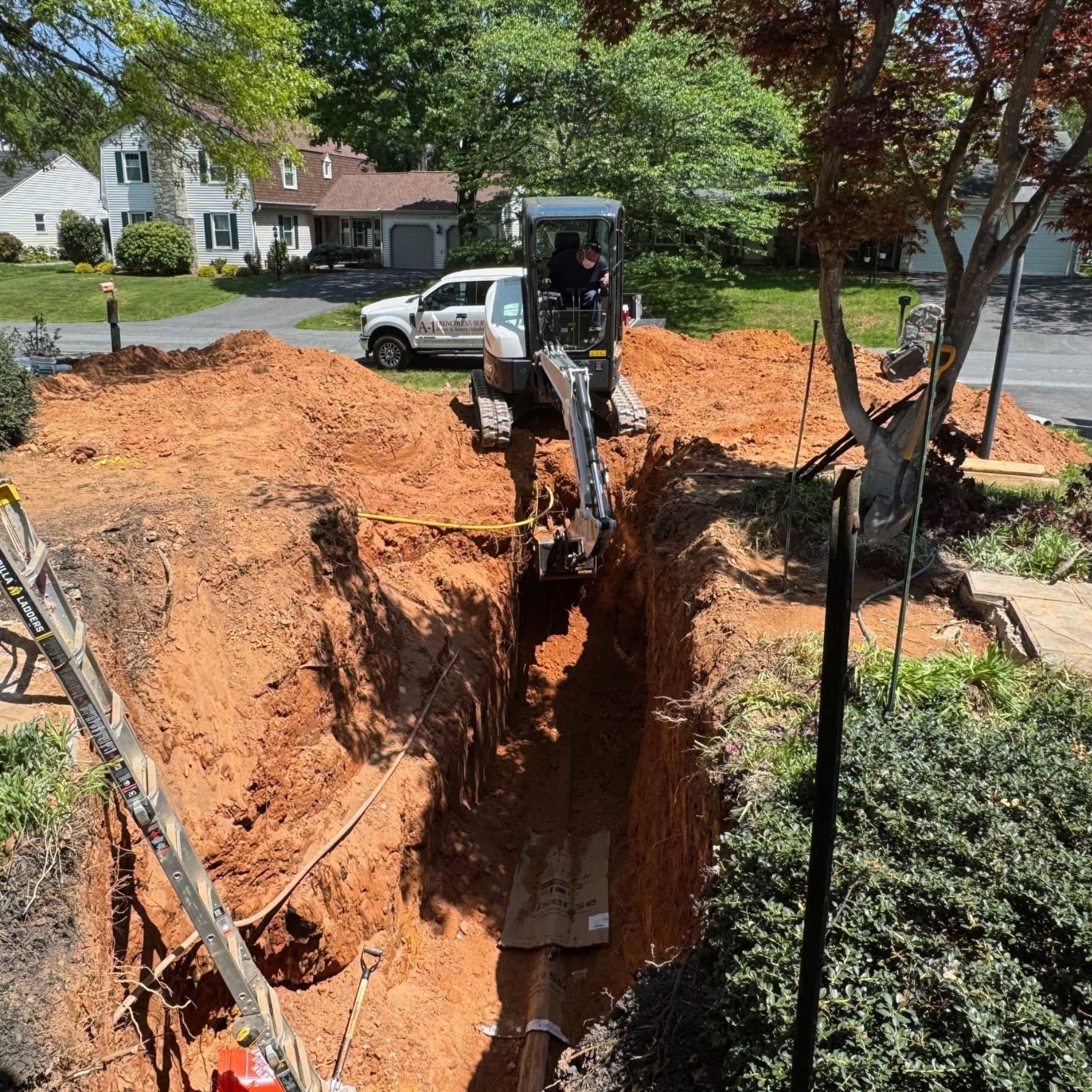
A water line problem rarely shows up at a convenient time. One day your pressure seems low, the next you are seeing wet spots in the yard, discolored water, or a spike in the water bill. This water line replacement timeline guide explains what usually happens next, how long each stage may take, and what can speed the job up or slow it down.
Why timelines vary more than most people expect
The short answer is that some water line replacements are straightforward and some are not. A small residential line with a clear access path can move quickly. A line that runs under hardscaping, mature trees, driveways, commercial lots, or a public right-of-way usually takes more planning.
The condition of the existing pipe also matters. If the line has a single break in an otherwise accessible area, a repair may be possible. If the pipe is badly corroded, undersized, repeatedly leaking, or made from outdated material, replacement is often the smarter long-term move. That decision can affect both the schedule and the cost, but it often prevents repeat digging and repeat service calls later.
Permitting and utility coordination can also shape the calendar. In some cases, the physical work takes less time than the approval process that comes before it. That is especially true when the route crosses sidewalks, roadways, or other regulated areas.
Water line replacement timeline guide: what happens first
The first step is diagnosis. Before anyone can give you a realistic timeline, the contractor has to confirm the source of the problem, identify the pipe route, and evaluate site conditions. That may involve pressure testing, leak detection, camera work in related systems, or simply tracing the line and checking access points.
For many residential properties, this evaluation can happen in a single visit. If the issue is urgent, a responsive contractor may be able to inspect the same day or within 24 hours. Once the problem is confirmed, you can usually get a recommendation on repair versus replacement and a rough idea of the schedule.
If replacement is the right call, the next phase is planning. That includes measuring the line, choosing the replacement method, identifying materials, and determining whether trenchless installation is possible. In a simple case, planning may move quickly. In a more complex case, especially at commercial or municipal properties, planning can take longer because traffic flow, occupancy needs, and utility conflicts have to be considered.
A realistic timeline from inspection to restored service
In many residential jobs, the full process can range from a couple of days to about one to two weeks. Emergency conditions may compress that timeline, while permits or site complexity can extend it.
A basic schedule often looks like this. Inspection and confirmation may take one day. Proposal approval and scheduling may take another day or two, depending on how quickly the property owner wants to move. Permits, if required, can take anywhere from a day to several business days. The actual replacement work may take one day for a simple run or several days for a larger or more difficult project. Site restoration may happen immediately after the work or in a follow-up visit, depending on weather and surface conditions.
That means a homeowner asking, “How long will this take?” is really asking two separate questions. One is how long until the job can start. The other is how long the crew will be on site. Those are not always the same.
What can delay a water line replacement
The biggest delays usually come from conditions underground that no one can fully confirm until work begins. Buried utilities, rock, unstable soil, tree roots, unexpected pipe routing, and older property modifications can all change the plan once the crew gets on site.
Weather can also play a role. Heavy rain can slow excavation, create muddy access conditions, and affect restoration work. Frozen ground can make digging harder in winter. Even when the line replacement itself stays on schedule, final grading, seeding, or pavement work may need to wait for better conditions.
Material availability is another factor, though less dramatic than it was a few years ago. Most standard materials are obtainable without major delays, but specialty sizes, commercial-grade components, or unusual site needs can still add time.
There is also the human side of scheduling. If a property owner takes several days to approve the work, review financing, or decide between repair and replacement, the start date may shift. That is understandable, especially on a major underground repair, but it can affect the calendar.
Trenchless vs traditional replacement timeline
This is where method matters. Traditional excavation is still the right choice in some situations, but it often takes longer and creates more surface disruption. If the line runs under a lawn with no major obstacles, open trench work may be relatively direct. If it crosses a driveway, landscaping, sidewalks, or other valuable surfaces, traditional digging can add labor, cleanup, and restoration time.
Trenchless replacement can often shorten the active work window because it reduces the amount of excavation needed. Instead of opening a long trench across the property, crews may be able to work from smaller access points. That often means less disruption to landscaping, hardscaping, and daily operations.
However, trenchless is not automatic. The existing line path, pipe condition, soil conditions, depth, and code requirements all influence whether trenchless is the best option. A good contractor does not force a trenchless method where it is not a fit. The goal is the most reliable solution with the least unnecessary disruption.
For property owners in Damascus and nearby areas, that balance matters. Fast service is important, but so is avoiding extra damage to a yard, driveway, or business frontage that then has to be repaired after the plumbing work is complete.
How to prepare so the project moves faster
You cannot control permit offices or buried surprises, but you can help the project stay on track. The first step is acting early. If you already know the line is aging, leaking, or causing recurring pressure issues, do not wait for a full failure.
It also helps to clear access around the work area before the crew arrives. Move vehicles, outdoor furniture, and anything blocking the route to the meter, crawl space, utility room, or exterior access points. If pets are on site, make a plan to keep them safely away from the work zone.
Be ready to make decisions quickly once the estimate is reviewed. If financing is part of the plan, handling that early can prevent scheduling gaps. And if your contractor asks about irrigation lines, private utility features, or past site work, provide as much detail as possible. Good information upfront can save time later.
What service interruption usually looks like
Most property owners are less concerned about the full calendar than the period without water. That is a fair concern. In many cases, crews can limit the water shutoff to the final connection stage rather than the entire project.
On a routine residential replacement, the actual interruption may last a few hours. On more complex jobs, it can be longer, especially if multiple tie-ins or inspections are involved. Commercial properties may need more planning to avoid major operational downtime. That is why experienced contractors often coordinate the sequence carefully so water is restored as soon as practical.
A dependable team should tell you ahead of time when the shutoff is expected, what temporary limitations to expect, and whether any follow-up testing is needed before the system returns to normal use.
Signs your timeline should start now, not later
If you are seeing repeated leaks, unexplained soggy areas, rusty or cloudy water, sudden drops in pressure, or unusual increases in your water bill, the timeline has already started whether you want it to or not. Waiting does not usually make underground water line problems simpler. It often just changes them from planned work into urgent work.
That is one reason many property owners choose to replace a failing line before a complete break. Planned replacement gives you more control over scheduling, replacement method, and budget. Emergency replacement often means making decisions under pressure while trying to protect the property from additional damage.
A-1 Trenchless Water & Sewer Repair Services LLC works with property owners who need that process handled quickly and clearly, with modern equipment and options that can reduce disruption where conditions allow.
The best timeline is the one built around your property
A true water line replacement timeline guide should do more than throw out a number of days. It should help you understand what drives the schedule at your property, what can be predicted in advance, and what needs flexibility once work begins.
If you need a replacement, the best next step is not guessing. It is getting the line evaluated by a licensed professional who can explain the condition of the pipe, the replacement options, and the most realistic timeline for getting your water service back to normal with as little disruption as possible.
When the plan is clear, the job feels a lot less overwhelming.
First published . Written by the A-1 Trenchless team.