A sudden drop in water pressure, rusty water at the tap, or a wet area in the yard can make one question feel urgent: should you repair the main water line or replace the plumbing throughout the building? The choice between water line replacement vs repipe comes down to where the problem starts, how widespread the pipe damage is, and what will provide a reliable long-term fix without unnecessary disruption.
For homeowners and property managers in Damascus, Maryland, the right answer is not always the largest project. A targeted water line replacement can restore safe, steady service when the underground supply pipe fails. A full repipe may make more sense when the building’s interior plumbing is aging, corroded, or failing in several locations. A proper inspection helps separate those two situations before you commit to a repair.
What Water Line Replacement Actually Fixes
Your water service line is the pipe that carries fresh water from the public water main or a private well connection to your home or commercial building. Much of this line is underground, running through the yard and entering the structure near the foundation. It is separate from most of the pipes that distribute water to sinks, toilets, showers, appliances, and fixtures inside.
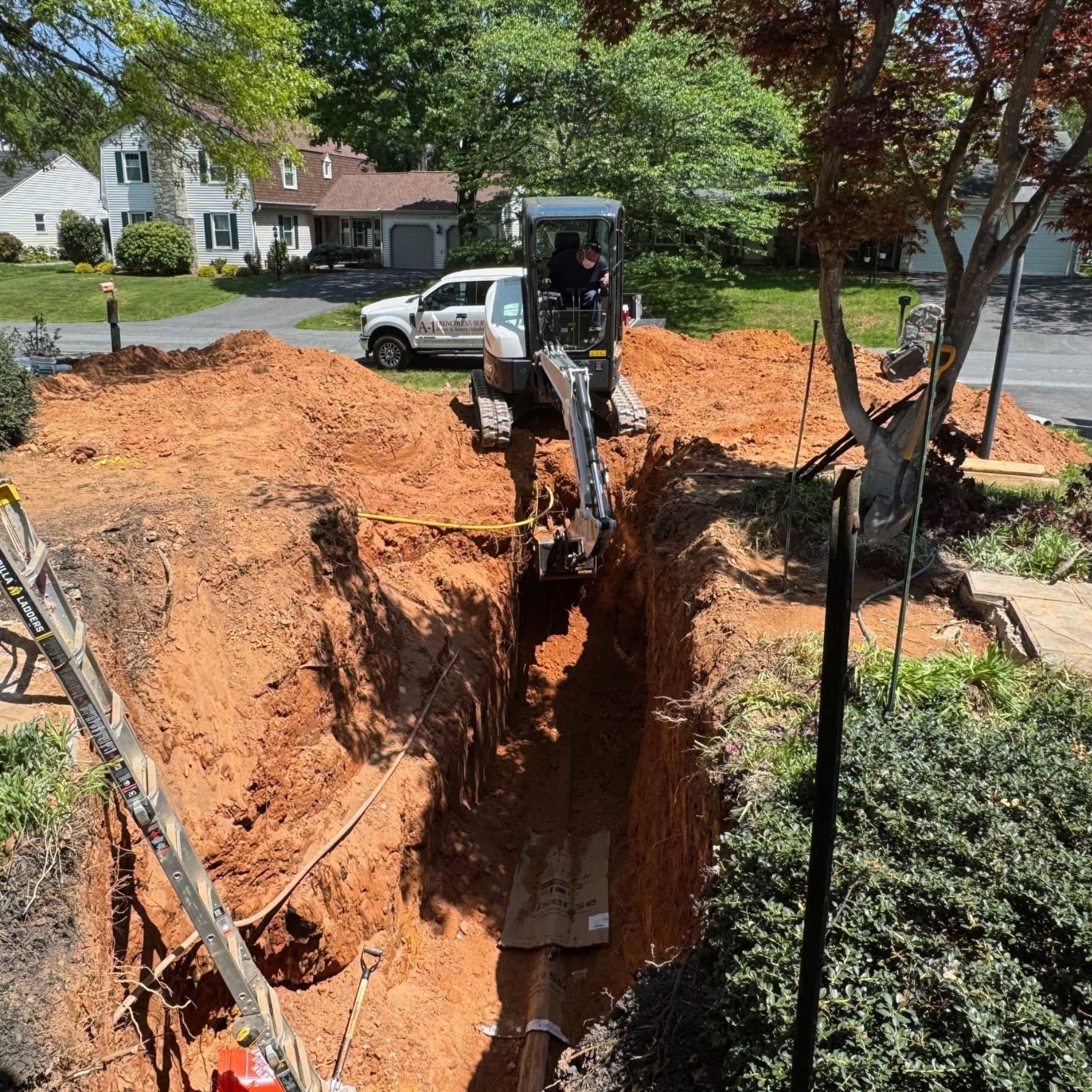
Water line replacement focuses on this supply line. It is often recommended when there is an underground leak, a break caused by shifting soil or freezing temperatures, severe corrosion, root intrusion, or a line that has become restricted over time. Common warning signs include a higher-than-normal water bill, persistently low pressure throughout the building, wet or unusually green patches in the yard, muddy soil near the service line, or water that appears at the foundation.
A replacement may involve installing a new line along the existing route or using a different path when the original location is difficult to access. Depending on the site and pipe condition, trenchless methods may reduce the amount of excavation needed. That can help preserve landscaping, hardscaping, and access areas while shortening the disruption associated with a traditional dig.
The key point is that a new water line fixes a problem between the water source and the building. It does not replace the aging branch lines hidden behind interior walls, under floors, or above ceilings.
What a Whole-House Repipe Covers
A repipe replaces the interior water distribution pipes that carry hot and cold water after it enters the building. This can include lines serving bathrooms, kitchens, laundry rooms, water heaters, hose connections, and other fixtures. The main water service line may remain in place if it is in good condition.
Repiping is generally a larger project because the work reaches multiple areas of the property. It is often the practical choice for older homes with galvanized steel pipes, deteriorated copper, repeated pinhole leaks, widespread corrosion, or persistent discolored water. Buildings with recurring leaks in different rooms are often dealing with a system-wide issue rather than one isolated pipe failure.
A repipe can also improve flow when the interior pipes have narrowed from mineral buildup or corrosion. If one shower loses pressure whenever another fixture runs, the problem could be undersized or restricted interior plumbing. However, low pressure alone is not enough to diagnose the issue. A failing service line, a malfunctioning pressure regulator, a partially closed shutoff valve, or fixture-specific buildup can create similar symptoms.
Because repiping may require access through walls or ceilings, experienced planning matters. A qualified plumbing team can identify efficient routing, protect finished areas, coordinate required permits, and explain what restoration may be needed after the plumbing work is complete.
Water Line Replacement vs Repipe: The Main Difference
The simplest distinction is location. Water line replacement addresses the pipe that brings water to the property. Repiping addresses the pipes that deliver water within the property.
That difference affects the scope, cost, timeline, and level of disruption. A water line replacement may involve outdoor work, utility coordination, and excavation or trenchless installation. A repipe usually involves work inside the structure, with access points in walls, ceilings, or floors. Neither option is automatically more expensive or more disruptive. A short, accessible service-line replacement can be straightforward, while a repipe of a large multi-bathroom building is more involved. On the other hand, a deeply buried service line beneath a driveway or mature landscaping may require careful planning and specialized equipment.
The right decision depends on evidence, not guesswork. If a pressure test or leak detection process points to water loss before the line enters the building, replacing the service line may solve the entire problem. If leaks are occurring at multiple interior pipe joints and fixtures have ongoing rust-colored water, replacing only the outside line will likely leave the underlying issue behind.
Signs You May Need a New Water Service Line
A water line replacement is worth considering when the problem appears to affect the whole building but the interior plumbing has no pattern of repeated leaks. A sudden pressure change, unexplained water use, or damp ground near the line route are especially strong signals.
Older underground piping materials can also influence the decision. Some service lines deteriorate from age, soil conditions, corrosion, or past repairs. A line that has required repeated patching may be nearing the point where replacement is more cost-effective than continuing to repair separate weak spots.
For commercial properties, a compromised water service line can interfere with daily operations, restroom access, food service, tenant comfort, and equipment needs. Quick diagnostics are valuable because an underground leak can waste significant water before it becomes visible.
Signs a Repipe May Be the Better Investment
A repipe is usually the stronger long-term choice when pipe failures occur in more than one area of the building. If you have repaired a leak in a bathroom, then another appears near the kitchen, followed by discolored water or failing pressure elsewhere, the plumbing system may be reaching the end of its useful life.
Pay attention to the age and material of the interior pipes. Galvanized lines often corrode internally, restricting flow and causing water discoloration. Older copper systems can develop pinhole leaks in certain water conditions. Previous owners may also have completed partial repairs with mismatched materials or poor connections, creating future failure points.
A repipe can be especially sensible during a major renovation. If walls are already open for a kitchen, bathroom, or basement remodel, replacing aging supply lines at the same time can reduce future access costs and help protect the finished work.
Why Professional Diagnostics Matter First
Water problems can look alike from the surface. Low pressure might come from a damaged service line, interior corrosion, a faulty pressure-reducing valve, mineral buildup, or a localized fixture issue. Water staining may point to corroded pipes, but it can also be related to a water heater or local water-quality concern.
Before recommending a major replacement, a dependable plumbing contractor should inspect the full picture. That may include checking water pressure, reviewing visible pipe materials and connections, identifying active leaks, evaluating the meter for signs of water loss, and using advanced diagnostic equipment where appropriate. For underground concerns, the goal is to locate the failure accurately and choose a repair method that protects the property whenever possible.
This step prevents two costly mistakes: replacing more pipe than necessary or making a small repair when the system is already showing broad failure. Clear findings also make it easier to compare options, plan around your budget, and decide whether financing may help move an urgent project forward.
Choosing the Repair That Protects Your Property
If the issue is limited to the underground pipe supplying the building, water line replacement is often the focused, efficient solution. If the interior plumbing is failing throughout the home or facility, a repipe can stop the cycle of leak repairs and provide a more dependable water distribution system for years ahead.
In some properties, both may be justified. For example, an older home could have a deteriorated service line and corroded galvanized pipes indoors. Addressing the problems in phases may be possible, but the priority should be the condition creating the immediate risk of water loss, property damage, or interrupted service.
A-1 Trenchless Water & Sewer Repair Services LLC helps property owners assess underground and interior plumbing concerns with practical recommendations, modern equipment, and repair options designed to limit disruption. The best next step is a professional evaluation that identifies where the failure is happening, explains the available solutions clearly, and gives you a path back to reliable water service.
First published . Written by the A-1 Trenchless team.