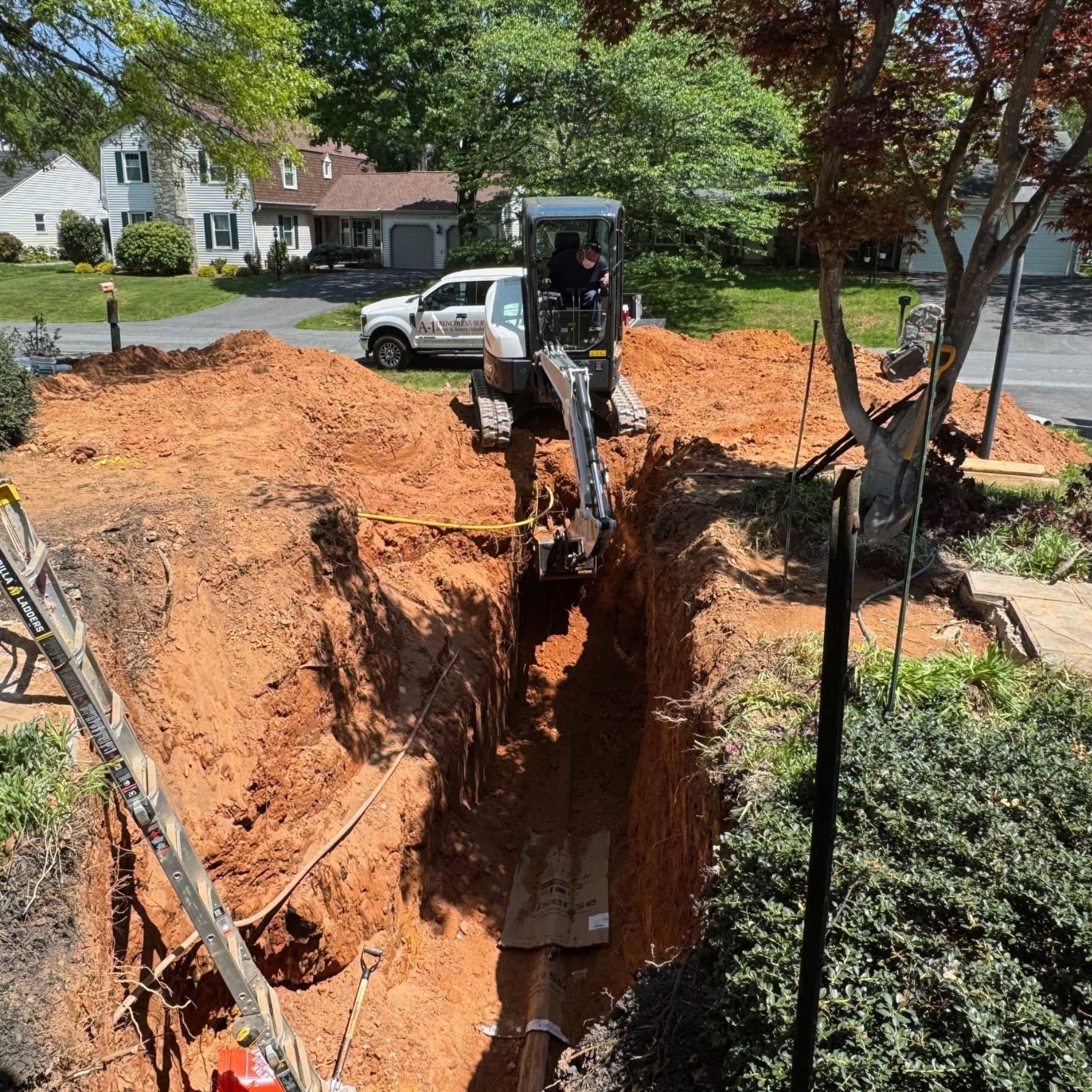
A sudden drop in water pressure usually gets your attention fast. So does a wet patch in the yard that never dries, a spike in the water bill, or rusty water showing up at the tap. In many cases, those problems point to one issue underground, the need for water service line replacement.
The water service line is the pipe that brings fresh water from the main supply into your home or building. When that line starts failing, the problem is more than an inconvenience. It can affect water quality, pressure, landscaping, driveways, and the day-to-day operation of the property. For homeowners and property managers, the real question is not just what failed, but how to fix it quickly and with as little disruption as possible.
What a water service line does
Your water service line is the private connection between the public water main and your building’s plumbing system. Because it is buried underground, most people do not think about it until something goes wrong. But this single line handles every shower, laundry cycle, dishwasher load, and faucet in the property.
When it is in good condition, you never notice it. When it is damaged, the signs can show up in different ways depending on the age of the pipe, the soil conditions, and the type of failure. A small crack may start as a pressure issue. A larger break may create visible pooling, muddy spots, or major service interruption.
Signs you may need water service line replacement
Not every water line issue means a full replacement is required, but some warning signs should not be ignored. Low water pressure across the whole property is one of the most common. If only one fixture is affected, the problem may be local plumbing. If the entire house is struggling, the service line becomes a more likely suspect.
Discolored water can also be a clue, especially in older metal lines that have begun corroding from the inside. Unexplained wet areas in the yard, a constantly running water meter, or sudden increases in monthly usage may point to a leak underground. In colder weather, recurring freeze-related problems can also signal that an aging line is vulnerable.
Some properties deal with repeated repairs on the same line. At that point, patching one section at a time stops being cost-effective. Repeated leaks often mean the pipe has reached the end of its useful life.
Why water service lines fail
Most underground water lines do not fail for one single reason. Age is a major factor, especially for galvanized steel or older materials that corrode over time. Once corrosion weakens the pipe wall, pressure changes and ground movement can turn that weakness into a leak or break.
Soil conditions matter too. Expansive soil, shifting ground, tree root pressure, and seasonal freeze-thaw cycles all put stress on buried lines. In some cases, poor installation from years ago contributes to the problem. Shallow burial depth, weak joints, and outdated materials can shorten the life of the system.
There is also the issue of scale buildup inside older pipes. Even if the line has not broken completely, years of mineral buildup can restrict flow enough to make replacement the better long-term solution.
Repair or water service line replacement?
This is where a professional inspection matters. A targeted repair may make sense if the damage is isolated, the rest of the pipe is in good shape, and the material still has reliable service life left. That can be the most practical option for a newer line with one damaged section.
But full water service line replacement is often the smarter investment when the pipe is old, corroded, undersized, or leaking in multiple areas. Replacement also makes sense when the line material is no longer dependable or when excavation for repeated repairs would end up costing more over time.
A clear diagnosis should come first. That usually includes locating the line, identifying the material, checking the extent of damage, and reviewing access conditions around landscaping, walkways, and structures. The best recommendation is based on the actual condition of the line, not guesswork.
What to expect during water service line replacement
Most property owners want to know three things right away: how long it will take, how much of the yard will be disturbed, and whether water service will be interrupted. The answer depends on the replacement method, pipe length, site layout, local requirements, and the condition of the existing line.
A standard replacement typically begins with locating utilities and confirming the path of the line. The old pipe is then exposed or bypassed, a new line is installed, and the connection to the main supply and the building is completed. Testing follows before the area is restored.
Water may need to be shut off during key parts of the process, but a well-planned job keeps that interruption as short as possible. For businesses and occupied properties, timing and coordination become especially important.
Trenchless vs traditional replacement
This is often the biggest concern for homeowners who do not want their lawn, driveway, or hardscaping torn apart. Traditional excavation is still necessary in some cases, especially when access is difficult, local conditions require open trenching, or the existing line path cannot support a trenchless approach.
That said, trenchless methods can reduce surface disruption significantly. Instead of digging a long trench across the property, trenchless replacement often uses limited access points to install the new line. That can help preserve landscaping, shorten restoration work, and speed up the overall project.
It depends on the site. If the line runs under mature landscaping, sidewalks, or other improvements, trenchless replacement may offer major advantages. If the pipe has collapsed badly or the route needs to be changed entirely, conventional excavation may still be the best and most reliable path. A dependable contractor should explain both options clearly and recommend the one that fits the property, not just the one that sounds easiest.
Cost factors homeowners should understand
There is no honest flat price for every water service line replacement because every property is different. The total cost depends on pipe length, depth, material, soil conditions, access limitations, permitting, restoration needs, and whether trenchless installation is possible.
A short, accessible line in open soil is one kind of project. A long line running beneath a driveway or near other buried utilities is another. Emergency timing can also affect cost, particularly when immediate service restoration is needed.
What matters most is value over time. A properly installed new line can eliminate recurring leak repairs, reduce the risk of property damage, improve water pressure, and restore confidence that the system will hold up. Financing options can also help property owners move forward with needed work before a minor failure turns into a larger and more expensive problem.
Why professional diagnosis matters
Underground water line problems are easy to misjudge without the right equipment and experience. What looks like a simple leak can be a deteriorated line with multiple weak points. What seems like a pressure issue inside the home can trace back to a failing service pipe outside.
That is why experienced contractors use modern diagnostic methods, accurate locating tools, and a practical understanding of both conventional and trenchless solutions. The goal is to identify the problem quickly, explain the options in plain language, and complete the work with as little disruption as possible.
For property owners in Damascus and nearby areas, working with a team like A-1 Trenchless Water & Sewer Repair Services LLC means the job can be approached with both plumbing expertise and underground utility experience. That combination matters when the repair affects not just the pipe, but also the property around it.
How to protect your new line after replacement
Once a new line is installed, a few smart habits can help extend its life. Know where the line runs before starting landscaping or fence projects. Be careful about planting large trees too close to underground utilities. Pay attention to changes in pressure, water clarity, and water bills, since early warning signs are easier and less expensive to address.
It also helps to keep records of the line material, installation date, and route. If future work is needed on the property, that information saves time and reduces the chance of accidental damage.
A failing water line creates stress fast, but the right fix does more than stop a leak. It restores dependable service, protects the property, and gives you a clear path forward without unnecessary delay.
First published . Written by the A-1 Trenchless team.