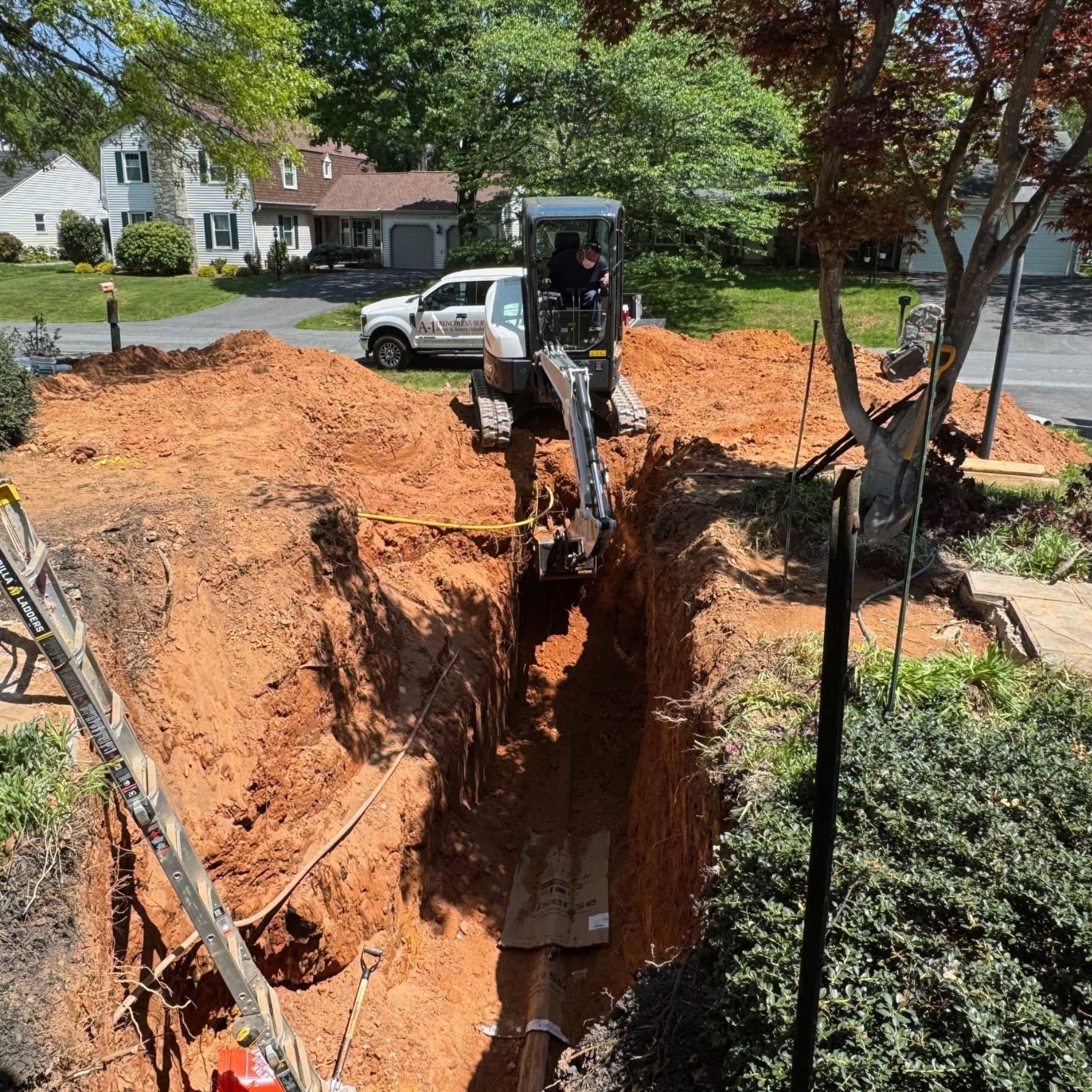
A wet yard, low water pressure, or a sudden spike in your water bill usually leads to the same question fast, who pays for water line repair? The answer depends on where the line is damaged, who owns that section of pipe, and whether the problem came from age, accident, neglect, or a larger utility issue. For homeowners and property managers, sorting that out quickly matters because delays can mean more damage, more water loss, and a more expensive repair.
Who pays for water line repair on a property?
In most cases, the property owner pays for water line repair when the damaged pipe is on private property and serves only that home or building. That includes the water service line running from the meter or utility connection point to the structure in many jurisdictions.
This is where people get caught off guard. A water line may be underground and out of sight, but that does not automatically make it the city’s responsibility. Many homeowners assume the utility covers everything up to the house. Often, that is not the case.
The dividing line is usually based on ownership. If the utility owns the main in the street and the meter, the city or water authority typically handles those parts. If the pipe beyond that point feeds your property alone, repair costs often fall on you.
The key factor is where the break happened
If the leak or break is in the municipal water main, the city or water authority usually pays for repair. If the damage is in the private service line that connects your home or commercial building to that main, the owner is usually responsible.
That sounds simple, but real jobs are not always that clean. In some neighborhoods, the meter sits near the curb. In others, it may be in a basement, utility room, or meter pit. The exact handoff point can vary by municipality, utility provider, and property type.
For that reason, the smartest first step is not guessing. It is confirming ownership and line location before work starts. A licensed underground plumbing specialist can help identify where the line runs, where the failure likely sits, and what part may belong to the utility versus the owner.
Common responsibility split
For a single-family home, the city generally maintains the public water main under the road. The homeowner is often responsible for the service line from the property side of the meter or from the tap connection to the house, depending on local rules.
For commercial properties, responsibility is similar, but the piping layout can be more complex. Large sites may have longer service lines, multiple buildings, backflow devices, or private distribution systems that are clearly owner-maintained.
When the city pays for water line repair
A city, county, or water authority usually pays when the problem is in public infrastructure. That can include a failed water main, a damaged municipal connection, or utility-owned equipment. If a break affects multiple properties or appears to be in the street, the utility is more likely to be involved.
Even then, there can be limits. If the utility restores service to the main connection point but your private line is still leaking, the remaining repair is likely your responsibility.
Municipal response times also vary. Public crews handle public systems first, but they do not usually repair privately owned lines inside a yard, driveway, or foundation area.
When the homeowner pays
Homeowners usually pay when the water line damage is on their side of the ownership boundary. That includes leaks caused by aging pipe, corrosion, shifting soil, tree root pressure, freezing, poor past installation, or accidental damage from digging.
This can become expensive because the cost is not just the pipe repair. Access matters. If the line runs under landscaping, sidewalks, driveways, or hardscaped areas, excavation and restoration can add a lot to the final bill.
That is one reason modern diagnostic tools and trenchless repair methods matter. When a contractor can pinpoint the break and reduce how much of the property gets opened up, the owner may avoid unnecessary disruption and restoration costs.
Does homeowners insurance cover water line repair?
Sometimes, but not always. Standard homeowners insurance may cover certain types of sudden and accidental damage, but it often does not cover normal wear and tear, long-term deterioration, corrosion, or neglected maintenance.
For example, if a vehicle impact or a covered event caused the damage, insurance may help. If the line failed because it was old and deteriorated over time, coverage is less likely. Some policies also cover resulting property damage inside the home but not the full cost to repair the underground line itself.
Service line coverage is where many owners find the most relevant protection. Some insurers offer it as an endorsement or optional add-on. That coverage is specifically designed for underground utility lines such as water, sewer, and sometimes power lines on private property.
The only safe approach is to read the policy and call the carrier. Do not assume you are covered, and do not assume you are not. A contractor’s estimate, camera findings, or leak detection report can also help support a claim.
What about landlords, tenants, and HOAs?
For rental homes and commercial leases, the owner usually pays for structural plumbing and underground utility repairs unless the lease says otherwise. Tenants are rarely responsible for a failed buried water service line unless they caused the damage through misuse or unauthorized work.
With HOAs, it depends on whether the line serves a single unit or a shared area and how the governing documents define common elements. In a townhome or condo setting, one section of line may belong to the association while another belongs to the unit owner. The paperwork controls that decision, not assumptions.
For apartment complexes, mixed-use sites, and retail properties, responsibility often follows ownership and maintenance obligations in the lease or operating agreement. Facility managers should verify that before approving work.
What can change who pays for water line repair?
Several factors can shift responsibility or affect who ultimately covers the cost.
If a contractor, utility crew, or third party damaged the line during excavation or construction, their insurance may be involved. If a tree from neighboring property caused damage, there may be an argument about liability, though those cases are not always straightforward. If a home warranty is in place, it may offer limited help, but many policies exclude underground service lines or cap coverage well below actual repair costs.
Local code can also matter. In some places, the owner is responsible all the way to the water main tap. In others, responsibility begins at the meter. Small wording differences make a big financial difference.
How to find out quickly without wasting time
When water line trouble shows up, speed matters. Start by calling your water provider to report the issue and ask where their responsibility ends. Then contact a licensed plumbing or underground utility repair company to diagnose the line and document the problem.
A professional inspection can answer the questions that matter most: where the leak is, how serious it is, whether the line can be repaired or should be replaced, and whether a trenchless option is possible. That clarity helps whether you are speaking with the city, your insurer, a tenant, or an HOA board.
A-1 Trenchless Water & Sewer Repair Services LLC works with property owners who need that kind of fast, practical answer. When a buried line fails, people do not need guesswork. They need a clear diagnosis, a fair recommendation, and a repair approach that protects the property as much as possible.
Repair versus replacement affects cost responsibility too
The person responsible for the line is usually responsible whether the fix is a spot repair or full replacement. The harder question is which option makes financial sense.
A small isolated break on a newer line may justify a targeted repair. But if the pipe is old, corroded, undersized, or has failed before, replacement may save money over time. That is especially true when repeated leaks, poor water pressure, or discolored water point to a bigger system problem rather than one bad section.
Trenchless replacement can be a strong option in the right conditions because it may reduce digging, shorten downtime, and preserve more of the yard or pavement. It is not right for every site, but when it works, it can lower the hidden costs that come with major excavation.
The biggest mistake property owners make
The most common mistake is waiting too long because they are unsure who should pay. While that question gets sorted out, the leak keeps running. Soil can wash out, foundations can be affected, driveways can settle, and monthly water bills can keep climbing.
The better move is to get the problem identified right away. Once the location, ownership boundary, and condition of the line are confirmed, the payment question becomes much easier to answer.
If you are facing a suspected underground leak, start with facts, not assumptions. A fast diagnosis can protect your property, your budget, and your next decision.
First published . Written by the A-1 Trenchless team.