A water line failure rarely waits for a convenient time. A pinhole leak behind a wall, low pressure at the shower, or a sudden spike in the water bill can quickly turn a small concern into property damage. When comparing copper versus PEX waterlines, the right answer depends on where the pipe will be installed, your water conditions, local code requirements, and how much disruption you are willing to accept during the work.
Both materials can provide dependable water delivery when installed correctly. Copper has a long track record in Maryland homes, while PEX has become a popular modern option because it is flexible, efficient to install, and resistant to several problems that affect older metal piping. The best choice is not always the same from one property to the next.
Copper Versus PEX Waterlines: The Main Difference
Copper is a rigid metal pipe that has been used for residential plumbing for decades. It is joined through soldered, press-fit, or other approved connections and is known for its strength and established history. In many older homes, existing copper plumbing may still perform well after many years.
PEX, short for cross-linked polyethylene, is a flexible plastic tubing used for hot and cold water distribution. It can bend around obstacles, which reduces the number of fittings needed inside walls, ceilings, and crawl spaces. PEX is commonly installed using a central manifold system or traditional branch lines that feed individual fixtures.
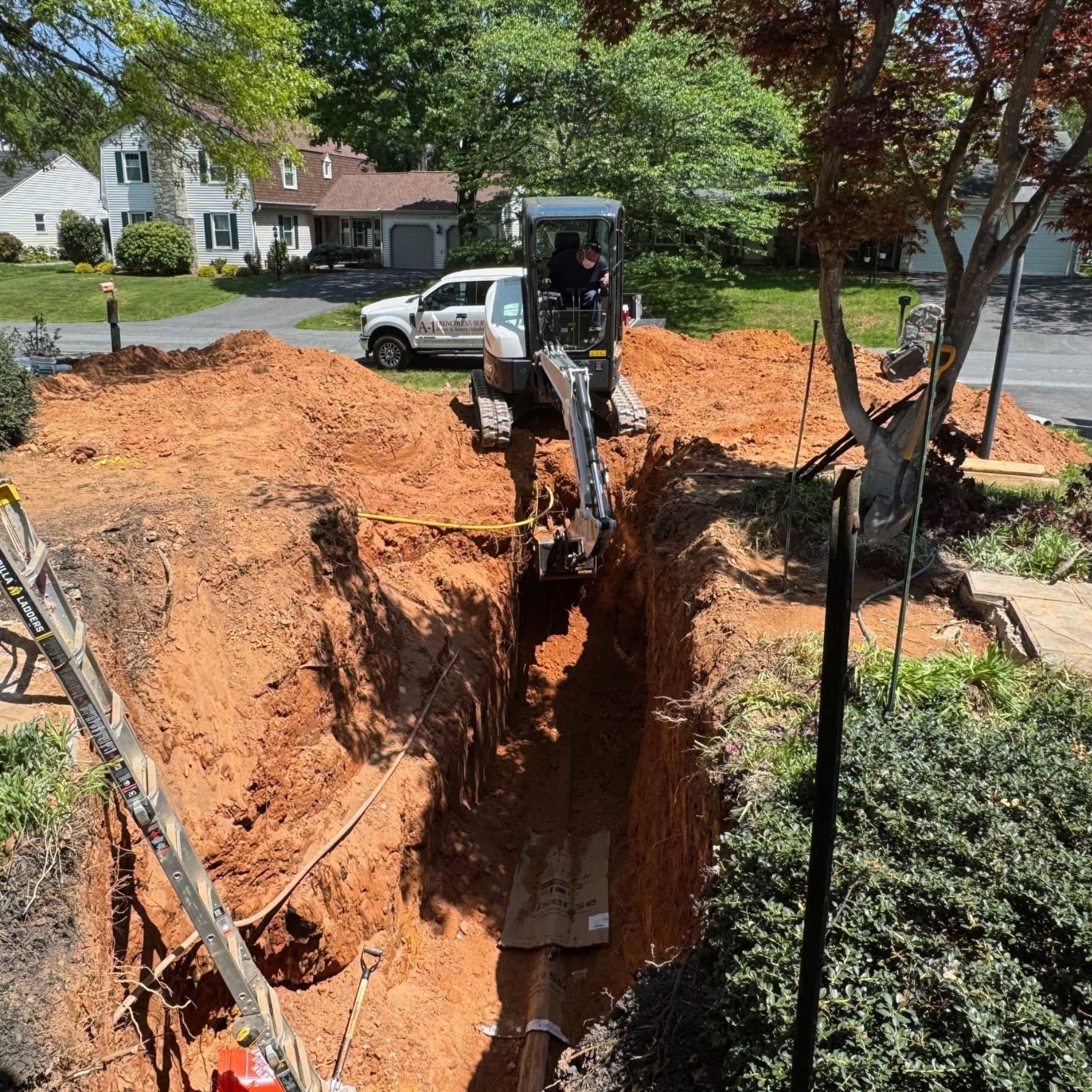
For interior water distribution, both can be excellent materials. For an underground water service line from the meter or well to the building, the decision requires a closer look. Not every type of PEX is approved for every underground application, and many service-line projects may call for a different material, such as approved polyethylene pipe, based on local requirements and the specific installation. A qualified plumber should verify the proper material before work begins.
Durability Depends on Your Water and Property
Copper earns its reputation for durability. It is not easily damaged by normal household use, does not degrade under ultraviolet light when properly exposed during construction, and can withstand high temperatures. It is also noncombustible, which may matter in certain building conditions.
However, copper is not immune to failure. Aggressive or acidic water, high chlorine levels, excessive water velocity, poor installation practices, and electrical grounding issues can contribute to corrosion or pinhole leaks. Homes with recurring pinhole leaks in copper pipes often need more than another spot repair. The underlying water chemistry, pipe age, and condition of the full system should be evaluated before deciding whether to repair or repipe.
PEX does not corrode like copper. It will not develop pinhole leaks from the same type of internal metal corrosion, and it handles mineral buildup differently because its interior surface is smooth. Its flexibility also helps it tolerate limited movement and can make it more forgiving in areas where rigid pipe would need multiple joints.
That said, PEX has limits. It should not be installed where it will receive ongoing sunlight, because ultraviolet exposure can damage the material. It also must be protected from physical damage, installed with proper supports, and kept away from high-heat sources unless the installation method is specifically approved. Rodents can damage PEX in some environments, just as they can damage other building materials.
Cost Is More Than the Price of Pipe
PEX is often less expensive to install than copper, especially during a whole-home repipe. The tubing itself may cost less, but the bigger savings often come from labor. Because PEX is flexible, an installer can route longer runs with fewer fittings and fewer wall openings. That can shorten the project and reduce restoration work in finished areas.
Copper material costs can fluctuate significantly. Its rigid design also requires more cutting, measuring, and joining. In a tight crawl space, behind finished walls, or around structural obstacles, that added labor can increase the total project price.
Still, the lowest initial price should not make the decision by itself. A property with exposed piping in a garage, a commercial mechanical room, or an area vulnerable to impact may benefit from copper’s rigid strength. A home with many concealed water lines and limited access may benefit from PEX because it can often be installed with less disruption.
A professional estimate should explain the material being proposed, the scope of access needed, the connection method, permit requirements, and any repairs to walls, ceilings, landscaping, or hardscaping that may be involved. Clear scope helps prevent surprise costs after work starts.
Installation and Repair Considerations
PEX can be a strong choice when a fast, minimally invasive installation is the goal. It can be routed through framing openings and around corners without as many elbows. Fewer hidden connections can be an advantage because every fitting is a potential future service point.
Copper is more rigid and requires precision at every turn. That does not mean it is outdated or unreliable. In the right application, a properly installed copper system can serve a property for decades. It simply takes more time and access to install or replace.
For either material, workmanship matters as much as the pipe. Poorly made fittings, incorrect sizing, unsupported runs, excessive pressure, or unprotected penetrations through framing can create problems regardless of whether the system is copper or PEX. Licensed, insured plumbing professionals should test the system, inspect connections, and make sure the installation meets applicable code.
When a leak is isolated to one accessible section, a targeted repair may be the sensible solution. When leaks are recurring, water pressure is inconsistent, or pipes are nearing the end of their service life, repiping may offer better long-term value than repeated emergency repairs.
Water Quality and Daily Performance
Many property owners ask whether copper or PEX affects the water coming from the tap. Both materials are commonly approved for potable water applications when properly selected and installed. The bigger concern is usually the existing condition of the plumbing system and the quality of the incoming water.
Copper can react with certain water conditions. If water is acidic or highly corrosive, it may gradually wear away the pipe from the inside. In some cases, this can contribute to a metallic taste, blue-green staining near fixtures, or recurring leaks. Water testing can help determine whether chemistry is contributing to pipe problems.
PEX does not introduce metal corrosion into the system, but it should be selected from approved potable-water products and installed according to manufacturer requirements. Some homeowners notice a temporary taste or odor after new plumbing work, which should be discussed with the installer if it does not clear after normal flushing.
Proper pipe sizing also affects performance. A water line that is too small can reduce flow when multiple fixtures run at once. An oversized or poorly designed system can leave water sitting too long in unused branches. Material selection should be part of a complete design, not a quick substitution without considering the property’s layout and demand.
Which Waterline Material Is Right for You?
Copper may make sense if your existing system is largely sound, you need a durable rigid pipe in an exposed location, or your project requires a material that handles elevated temperatures and visible installation conditions well. It can also be practical when matching an existing copper system for a limited repair.
PEX may be the better fit when you want to replace aging interior water lines with less demolition, reduce the number of fittings, and avoid the corrosion issues that can affect copper. It is particularly useful for repipes in homes with finished spaces, crawl spaces, and complicated routing paths.
The right recommendation should begin with an inspection, not a sales pitch. A plumber should identify where the leak or pressure issue is occurring, review the age and material of the existing lines, evaluate access, and determine whether the issue is limited to indoor plumbing or involves the underground service line. Camera-based diagnostics and careful testing can help avoid unnecessary excavation or replacement.
For homeowners and property managers in Damascus and nearby communities, A-1 Trenchless Water & Sewer Repair Services can assess water line concerns and explain practical repair or replacement options. The goal is to restore dependable water service with a solution that protects your property, budget, and long-term peace of mind.
If you are seeing repeated leaks, unexplained water use, discolored water, or reduced pressure, do not wait for a small water line issue to become a major repair. A clear evaluation now can help you choose the material and repair approach that makes sense for your building.
First published . Written by the A-1 Trenchless team.