A pinhole leak behind a wall rarely starts as a dramatic plumbing emergency. More often, it starts with lower water pressure, rusty water at the tap, or a water bill that suddenly makes no sense. That is why a practical guide to replacing old water pipes matters, not just when a line fails, but before a small problem turns into property damage, mold, or a full-service interruption.
If your home or building has aging plumbing, the goal is simple: identify whether repair is still reasonable, understand your replacement options, and choose a solution that protects the property without creating unnecessary disruption. In many cases, modern methods can make the process faster and cleaner than people expect.
When old water pipes need more than another repair
Older water lines often fail gradually before they fail completely. You may notice discolored water, recurring leaks, a drop in pressure, wet spots in the yard, or pipes that seem to need attention every few months. These issues are common in aging galvanized steel, corroded copper, and outdated service lines that have reached the end of their useful life.
The key question is not whether a leak can be patched. It is whether the pipe system is still worth patching. One isolated problem in an otherwise solid line may justify a repair. Repeated leaks, widespread corrosion, or a water service line with structural deterioration usually point toward replacement as the more cost-effective choice.
That decision also depends on risk. A pipe that is already failing in one section may be weak in several others. Spot repairs can seem less expensive at first, but if they keep adding up, they often cost more over time than replacing the line once and restoring dependable water service.
A guide to replacing old water pipes starts with inspection
Before anyone recommends replacing a water line, the first step should be confirming what is actually wrong. Guesswork leads to wasted money. A proper inspection helps determine the pipe material, the location of the problem, the extent of corrosion or damage, and whether the issue affects a branch line inside the building or the main water service line underground.
For underground lines, advanced diagnostic tools can make a big difference. Leak detection methods and targeted evaluation help narrow down the problem without turning the yard into a construction site just to find the pipe. Inside the home or commercial building, a plumbing professional may look for visible corrosion, pressure issues, and signs of hidden moisture.
This stage matters because replacement is not one-size-fits-all. A house with one failing interior section has different needs than a property with an old main line running under landscaping, sidewalks, or a driveway.
Which pipe materials make sense today?
When replacing old water pipes, the material choice affects cost, longevity, and installation approach. The right answer depends on the property, local code requirements, water conditions, and budget.
Copper remains a reliable option for many water line applications. It has a long track record and performs well when installed correctly. It can, however, cost more than some alternatives, and in certain water conditions, corrosion can still become an issue over time.
PEX is widely used for interior water piping because it is flexible, efficient to install, and generally cost-effective. It works especially well for repiping inside homes where access is limited and a faster installation helps reduce labor and wall disruption. It is not always the solution for every exterior service line application, so the use case matters.
For underground water service replacement, durable plastic piping materials are often selected because they resist corrosion and can provide a long service life. The best material for that line should be based on site conditions and local standards, not just price.
What property owners should take from this is simple: the cheapest pipe is not always the best value, and the most familiar material is not always the best fit. Good replacement planning weighs durability, installation conditions, and future maintenance.
Traditional excavation vs trenchless replacement
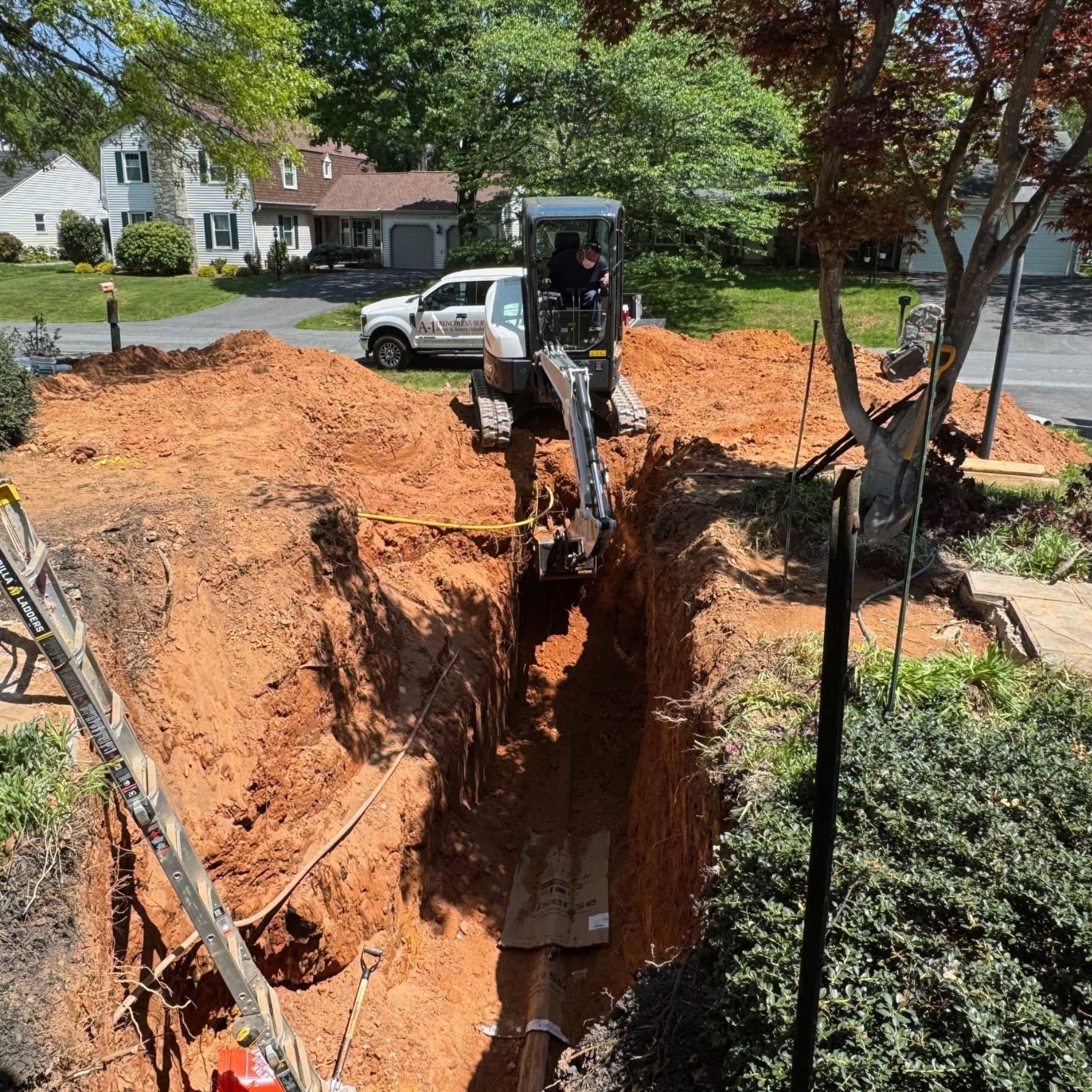
One of the biggest concerns people have about replacing old water pipes is the mess. That concern is fair. Traditional excavation can be the right method in some cases, especially when a line has collapsed, routing must change significantly, or the site conditions do not support a trenchless approach. But traditional digging often means more disruption to yards, driveways, sidewalks, or landscaped areas.
Trenchless replacement can reduce that disruption substantially when the line and site are suitable. Instead of opening a long trench across the property, the contractor works from smaller access points. That can mean faster project completion, less damage to the property, and lower restoration costs after the pipe work is done.
It is not a magic fix for every job. Some properties still require conventional excavation, and a trustworthy contractor should say so clearly. But when trenchless methods are an option, they can be a major advantage for homeowners and property managers who want the problem solved without unnecessary damage to the property.
What the replacement process usually looks like
A good guide to replacing old water pipes should remove some of the uncertainty around the process. While each job is different, most replacements follow a similar path.
First comes inspection and diagnosis. After that, the contractor identifies whether repair or replacement is the smarter move, then recommends a material and installation method. You should also receive a clear explanation of how the work will affect water service, access to the property, and any restoration that may be needed afterward.
Next comes permitting and utility coordination when required. This is especially important for water service lines that connect to municipal systems. Once approvals are in place, the old line is disconnected or bypassed, the new pipe is installed, and the system is tested for leaks, pressure, and performance.
After installation, the disturbed areas are restored based on the scope of work. With a conventional dig, that may involve more extensive surface repair. With a trenchless project, restoration is often more limited. Either way, the goal is not just to install a pipe, but to leave you with safe, dependable water service.
Cost depends on more than pipe length
Property owners often ask for a replacement cost before the line has even been located. That is understandable, but real pricing depends on several variables. Pipe length matters, but so do pipe material, soil conditions, access, depth, permitting, surface restoration, and whether the work is interior, exterior, or both.
A straight run across open ground is typically simpler than a line running under hardscape or through a congested area. Emergency timing can also affect the process. If the line has already failed, fast response becomes part of the value, because every hour of delay can mean more damage, downtime, or inconvenience.
The lowest bid is not always the lowest total cost. If a contractor relies on guesswork, lacks the right diagnostic tools, or uses a method that creates avoidable restoration work, the final expense can rise quickly. Clear scope, reliable workmanship, and the right installation method usually offer better value than a shortcut.
How to choose the right contractor for water pipe replacement
This is not a job to hand over to the first name that answers the phone. Replacing water lines requires experience, proper licensing and insurance, and the ability to diagnose the real issue before recommending a fix.
Look for a contractor who explains the condition of the line in plain language, gives you realistic options, and can handle both conventional and minimally invasive methods when appropriate. That flexibility matters. A company that only digs may recommend digging every time. A company with both trenchless capability and standard excavation experience is better positioned to match the method to the job.
It also helps to work with a local team that understands area permitting, utility coordination, and the common pipe issues seen in older properties. In Damascus and surrounding areas, A-1 Trenchless Water & Sewer Repair Services LLC approaches water line problems with that practical mindset, diagnose accurately, move quickly, and protect the property wherever possible.
When waiting is the expensive choice
Old water pipes rarely improve with time. Once corrosion, leaks, or underground failure begins, the risk usually grows. Waiting can mean more wall damage, saturated soil, foundation concerns, lost water, and repeated service calls that still leave you with an aging line.
That does not mean every older pipe must be replaced immediately. It does mean warning signs should be taken seriously, and the condition of the system should be evaluated before the next leak decides the timeline for you.
If your plumbing has become unpredictable, replacing the line may be the move that finally stops the cycle of repairs. The best time to act is often when you still have options, not when the water is already off.
First published . Written by the A-1 Trenchless team.