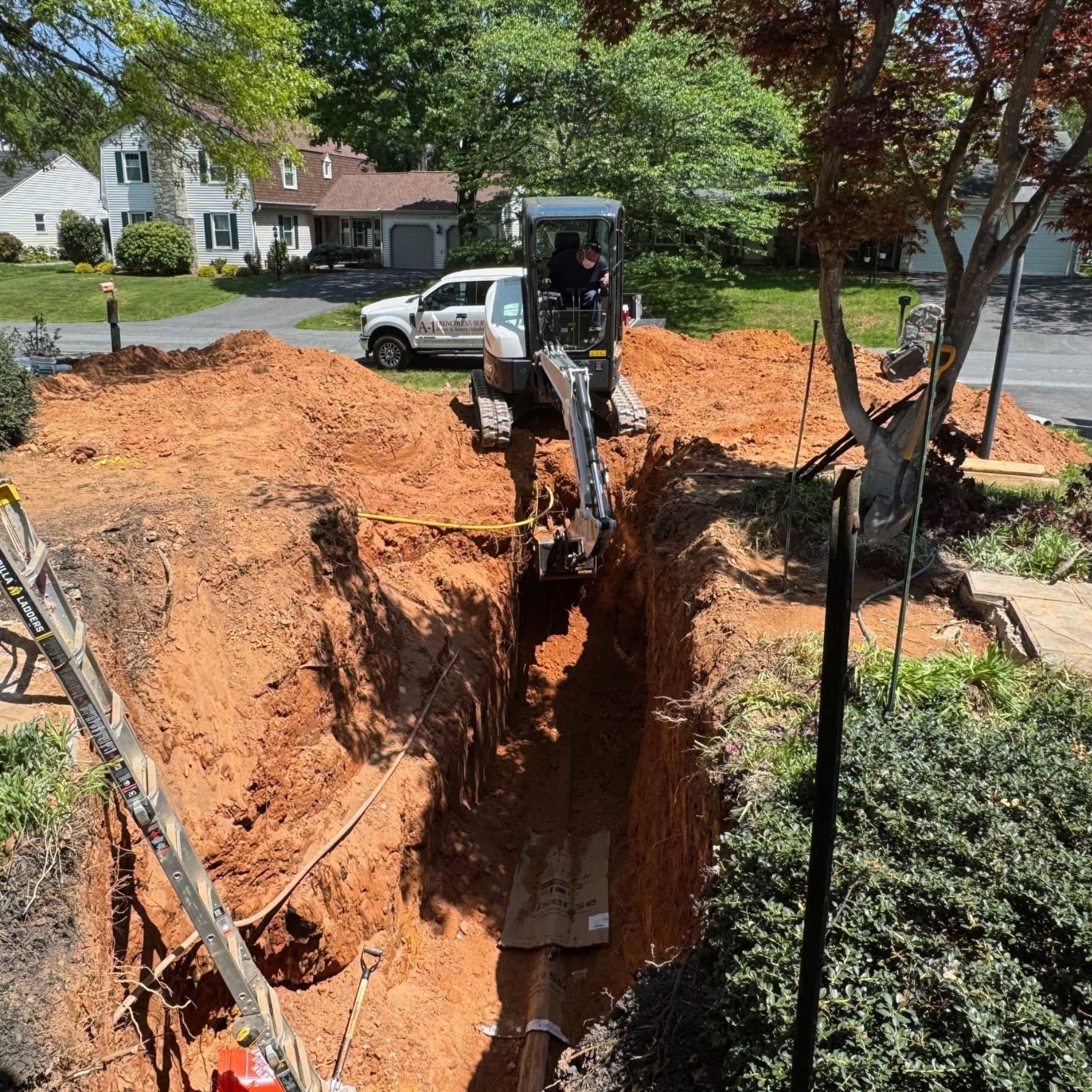
A spike in your water bill, a soft patch in the yard, or cloudy water at the tap usually does not happen by accident. This guide to underground water line problems is built for property owners who need clear answers fast, especially when a hidden leak or failing line could be wasting water and putting the building at risk.
Underground water lines are easy to forget until something goes wrong. Because the pipe is buried, the early signs can look unrelated at first. You may notice lower water pressure in the shower, a damp area near the driveway, or the sound of running water when nothing is on inside. By the time the issue becomes obvious, the damage can already be spreading below the surface.
That is why a quick, accurate diagnosis matters. The goal is not just to find the leak. It is to confirm what is failing, how far the problem extends, and what repair method makes the most sense for the property, the pipe material, and the urgency of the situation.
What underground water line problems usually look like
Most water service line issues start with a few practical warning signs. Some are subtle, and some are hard to miss. A sudden jump in monthly water usage is one of the most common clues. If your habits have not changed but the bill has, water may be escaping somewhere between the meter and the structure.
Pressure loss is another red flag. When a buried line develops a crack, corrosion hole, or partial collapse, water flow to the home or building can weaken. Sometimes the pressure drop is constant. In other cases, it comes and goes depending on demand, soil movement, or the size of the break.
You may also see pooling water, greener grass in one strip of the yard, muddy spots that do not dry out, or pavement that starts to shift. In colder weather, a damaged water line can contribute to freezing risks. In commercial or municipal settings, hidden water loss can also affect operations, drive up utility costs, and create safety concerns around paved areas.
Not every symptom points to the same repair. Low pressure can come from a leak, but it can also come from mineral buildup, a failing valve, or an older line that has narrowed over time. That is where inspection and testing become essential.
Common causes in this guide to underground water line problems
Pipe age is one of the biggest factors. Older galvanized steel lines often corrode from the inside out, restricting flow and eventually leaking. Copper can develop pinhole leaks under certain soil conditions. Plastic lines generally resist corrosion better, but they are not immune to poor installation, shifting soil, or impact damage.
Ground movement is another frequent cause. Soil expands and contracts with moisture changes, freeze-thaw cycles, and settling. Over time, that movement places stress on buried joints and weak sections of pipe. Tree roots can also create trouble. While roots are more aggressive with sewer lines, they can still disturb water lines or exploit an existing weakness in the pipe path.
Construction activity is a less predictable but very real issue. Fence posts, landscaping work, trenching, or excavation equipment can damage a line without the property owner realizing it right away. In some cases, the line was installed too shallow, lacked proper bedding, or was not protected well in the first place.
Water quality and pressure conditions matter too. High pressure can strain an already aging line. Certain soil compositions can speed up external corrosion. What fails in one yard may last much longer in another, which is why a one-size-fits-all answer rarely works.
Why fast diagnosis saves money and disruption
When an underground water line problem is left alone, the costs usually spread in more than one direction. You are not only paying for lost water. You may also be dealing with foundation moisture issues, erosion, sinkholes, damaged landscaping, pavement deterioration, or interruptions to normal use inside the property.
A proper diagnosis starts by narrowing down whether the problem is on the private service line, within the building plumbing, or connected to another underground utility condition. Pressure testing, leak detection methods, and camera-based or location equipment can help reduce guesswork. For many property owners, this is the turning point. Instead of chasing symptoms, you get a defined repair path.
That matters because excavation is not always the first or best answer. In some situations, a targeted repair is enough. In others, patching one section of an old line only delays a larger failure. The right contractor should explain the trade-off clearly: repair the isolated damage now, or replace the line to avoid repeated service calls and property disruption later.
Repair or replace? It depends on the pipe and the failure
If the issue is limited to one accessible section and the rest of the line is in solid condition, a focused repair may be the most practical solution. This can work well for accidental damage, a single joint failure, or a short section with a confirmed break.
If the line is old, corroded, or failing in multiple places, replacement is often the smarter long-term investment. Repeated leaks usually mean the pipe has reached the point where isolated fixes become less cost-effective. Property owners sometimes hesitate at replacement because of yard damage or downtime, but modern methods can reduce both when conditions allow.
Trenchless water line replacement is often the best fit when you want to limit excavation and preserve landscaping, hardscaping, or access areas. It is not right for every property, but when it is viable, it can shorten the timeline and reduce surface disruption compared to traditional full trenching. Conventional excavation still has a place, especially where depth, pipe route, soil conditions, or site obstacles make direct access necessary.
A dependable contractor will not force one method on every job. The right approach should be based on the condition of the line, the layout of the property, permit requirements, and the need for durable results.
How professionals pinpoint underground water line issues
The hardest part of underground plumbing is that the problem is hidden. That is why advanced equipment makes such a difference. Leak detection tools can help locate water loss beneath soil, concrete, or paved surfaces. Pressure testing can confirm whether the line is holding. Pipe locating equipment helps identify the route and depth of the service line before repair begins.
For commercial properties or larger sites, the diagnostic process may also involve isolating sections to determine where the failure is occurring and whether operations can continue safely during the repair window. Speed matters, but so does accuracy. Digging in the wrong spot wastes time, raises cost, and creates unnecessary disruption.
This is where working with an experienced underground specialist pays off. A trained crew can often narrow down the issue much faster than a general trial-and-error approach. For stressed property owners, that means fewer surprises and a clearer timeline from problem to repair.
When to call for help right away
Some water line problems can wait a day or two for evaluation. Others should be treated as urgent. If you have no water service, a sudden severe pressure drop, water surfacing rapidly in the yard, or signs of soil washing away near the foundation or driveway, it is time to act quickly.
The same goes for unexplained wet areas near electrical equipment, large cracks forming in pavement, or water that appears to be affecting neighboring areas. Commercial and municipal properties should move quickly when water line failures threaten access, tenant use, public safety, or operational downtime.
If you are in Damascus or nearby and need a clear answer without unnecessary digging, A-1 Trenchless Water & Sewer Repair Services LLC is built for exactly this kind of work. Fast response, experienced diagnostics, and minimally invasive repair options can make a major difference when every hour matters.
How to reduce future water line trouble
No buried water line lasts forever, but a few practical steps can lower the chance of a major surprise. Pay attention to small changes in pressure and monthly water use. If your property has an older service line, it is worth knowing the pipe material and approximate age. That context helps you make better decisions when symptoms appear.
Before fencing, grading, or major landscaping, confirm where underground utilities are located. If you have had one repair on an aging line already, ask whether the rest of the pipe is showing signs of wear. Sometimes the most affordable choice is not the cheapest immediate fix. It is the repair or replacement that stops the cycle of leaks, emergency calls, and repeated property damage.
A buried water line may be out of sight, but it should never be out of mind when warning signs start showing up. The sooner the problem is identified correctly, the sooner you can protect the property, control costs, and get dependable water service back where it belongs.
First published . Written by the A-1 Trenchless team.