A shower that suddenly feels weak, pipes that bang when a faucet closes, or a washing machine that takes forever to fill can all point to a water pressure problem. Knowing how to test water pressure gives you a clear starting point before a small plumbing concern turns into a damaged fixture, a hidden leak, or a costly water line repair.
A basic pressure test takes only a few minutes and requires one inexpensive tool. The reading can also help you explain the problem clearly if you need a licensed plumbing professional to inspect your home or commercial property.
What Water Pressure Should Be in a Home?
Most residential plumbing systems perform well when water pressure is between 40 and 60 pounds per square inch, commonly written as PSI. Pressure below 40 PSI may cause noticeably weak flow at showers, faucets, and appliances. Pressure above 80 PSI can strain pipes, supply hoses, valves, water heaters, and appliance connections.
Pressure and water flow are related, but they are not the same thing. Pressure is the force pushing water through your plumbing. Flow is the amount of water that actually reaches a fixture. A clogged aerator, mineral buildup, partly closed valve, or undersized pipe can restrict flow even when the pressure reading is normal.
That distinction matters. If every fixture in the building has weak flow, the issue may involve the main water supply, pressure regulator, or water line. If only one faucet is affected, the problem is more likely local to that fixture.
How to Test Water Pressure With a Gauge
The most reliable DIY method uses a water pressure gauge with a threaded connection. These gauges are made to attach to an outdoor hose bib, laundry faucet, or water heater drain valve. An outdoor spigot is usually the easiest choice because it is connected directly to the home’s plumbing system.
Before testing, make sure no one is using water inside or outside the property. Do not run the dishwasher, washing machine, irrigation system, shower, or faucets during the first test. Water use can lower the reading and make it harder to understand your normal static pressure.
Attach the gauge and take a static reading
Start by checking that the outdoor spigot is in good condition. If it leaks heavily or the threads are damaged, use another suitable connection point. Hand-tighten the gauge onto the spigot. You do not need to force it with pliers, which can damage the gauge or fitting.
Open the spigot fully and let the needle settle. This is your static water pressure, meaning the pressure in the system while water is not actively flowing elsewhere. Write down the number and the time of day. A reading between 40 and 60 PSI is generally a good result.
If the gauge reads above 80 PSI, take the result seriously. High pressure does not always create an obvious daily inconvenience, but it can shorten the life of plumbing components over time. It may also cause dripping relief valves, toilet fill valve problems, pinhole leaks, or repeated failures of washing machine hoses and ice maker lines.
Test pressure while water is running
Next, leave the gauge attached and ask someone to turn on a bathtub faucet, shower, or another large-demand fixture inside the home. Watch what happens to the reading. A modest drop is normal. A sharp drop may indicate a restriction, an aging water line, a failing pressure regulator, or an issue with the incoming municipal supply.
For a more realistic test, run two fixtures at once, such as a shower and a kitchen faucet. If the pressure falls dramatically or the water slows to a trickle, make a note of it. This information helps narrow down whether the problem is affecting the whole plumbing system or only specific branches.
Do not rely only on a single reading. Test at different times if you suspect the problem comes and goes. Municipal demand can be higher during certain hours, especially in neighborhoods with heavy morning or evening water use.
How to Check for Pressure Spikes
Some pressure gauges include a red indicator needle that records the highest pressure reached after the gauge is attached. This feature is useful because water pressure can rise when no one is actively using water.
To check for spikes, attach the gauge in the evening when the home is quiet. Open the spigot, then leave the gauge in place overnight or for several hours. Check it before anyone uses water in the morning. If the maximum needle shows pressure over 80 PSI, a pressure regulator or thermal expansion issue may be involved.
A water heater can contribute to pressure increases as it heats water. Many homes need a properly functioning expansion tank to absorb that normal increase in volume. The right solution depends on your plumbing layout, whether you have a closed system, and the condition of the pressure-reducing valve. This is usually a job for a trained professional rather than a trial-and-error repair.
What Low Water Pressure Can Mean
Low pressure is not always an emergency, but it should not be ignored when it is sudden, widespread, or getting worse. Start with a few basic checks. Confirm that the main shutoff valve and water meter valve are fully open. If you have a pressure regulator, look for signs of leakage, corrosion, or inconsistent pressure.
Also check whether the problem affects cold water, hot water, or both. Weak hot water only may point to a water heater shutoff valve, sediment buildup, or a problem on the hot-water side. Weak pressure on both hot and cold lines is more likely tied to the main supply, water meter, regulator, or underground water line.
Older galvanized pipes can gradually corrode from the inside, reducing the opening available for water to pass through. Mineral scale can create similar restrictions. In some cases, a leak in an underground service line reduces pressure while also increasing the water bill or creating wet areas in the yard.
Watch for these related warning signs:
- Water pressure that drops suddenly throughout the property
- Discolored water, rust particles, or debris at multiple fixtures
- A water meter that continues moving when all water is off
- Damp soil, pooling water, or unexplained soft spots near the water line route
- Repeated pipe leaks, noisy plumbing, or appliance hose failures
These symptoms do not prove one specific cause, but they are a strong reason to schedule a professional inspection.
When High Pressure Needs Fast Attention
A reading over 80 PSI should be addressed promptly, particularly if you are also seeing leaks or plumbing noise. High pressure places constant stress on every weak point in the system. A worn supply line under a sink may fail first, but the underlying pressure problem can affect far more than that one connection.
Do not try to solve high pressure by partially closing the main shutoff valve. That valve is designed to be fully open or fully closed, not used as a pressure control device. Partially closing it can restrict flow and may create additional problems without correcting the actual pressure.
A plumber can test the pressure regulator, inspect the expansion tank, evaluate water heater-related pressure changes, and determine whether the issue originates on the property or from the public water supply. For commercial buildings, the evaluation may also involve booster equipment, multiple pressure zones, and higher-demand plumbing systems.
When to Call a Water Line Professional
Call for help if your gauge shows consistently high pressure, pressure below 40 PSI across the building, major fluctuations, or a sudden change from normal performance. You should also call if low pressure appears alongside a higher water bill, damp areas outdoors, discolored water, or the sound of water moving when every fixture is off.
A professional diagnosis may include checking accessible valves and regulators, testing for leaks, inspecting the water meter, and evaluating the condition of the service line. Where an underground pipe is suspected, modern diagnostic methods can reduce guesswork and help avoid unnecessary disruption to landscaping or paved areas.
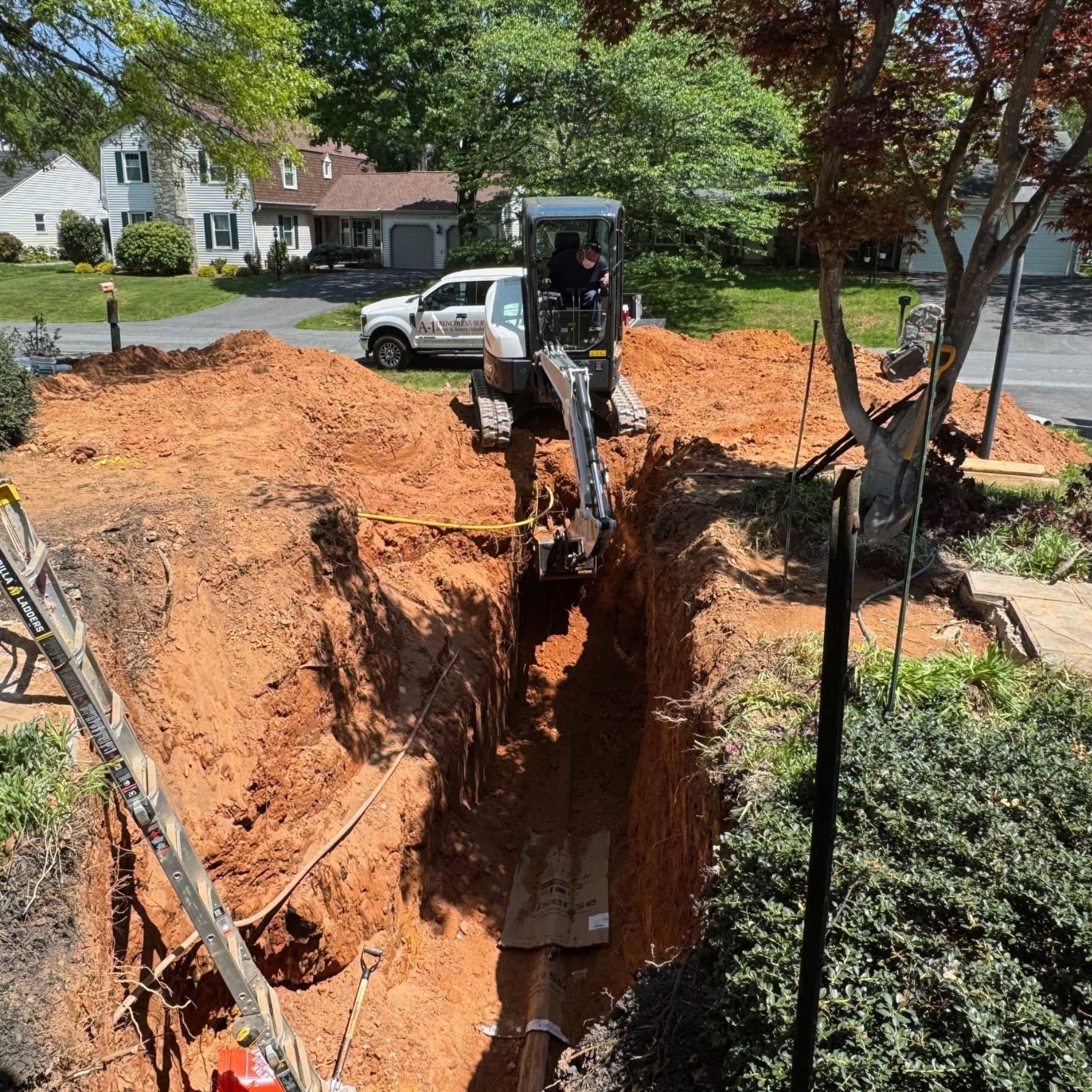
For Damascus-area property owners, A-1 Trenchless Water & Sewer Repair Services can evaluate water pressure concerns and identify whether the source is a fixture, plumbing component, or underground water line issue. A clear pressure reading is useful, but the right repair starts with finding the reason behind it.
Keep a simple record of your readings, including the date, time, static PSI, and any pressure drop while fixtures are running. That small amount of information can make the next service visit faster, more accurate, and more likely to protect your property before a hidden plumbing issue grows.
First published . Written by the A-1 Trenchless team.