A pipe can corrode for years before it fails, often out of sight behind a wall, under a slab, or buried in the yard. Knowing how to spot pipe corrosion early gives property owners a chance to address a weakening water or sewer line before it becomes a leak, backup, water damage claim, or excavation emergency.
Corrosion is not just an issue in very old buildings. Pipe material, water chemistry, soil conditions, moisture, electrical current, and previous repairs can all affect how quickly a line deteriorates. The warning signs are usually small at first, but they tend to become more frequent and more expensive when ignored.
What Pipe Corrosion Looks Like
Corrosion is the gradual breakdown of metal pipe caused by chemical reactions with water, oxygen, soil, or other materials. On visible plumbing, it may appear as rust, green staining, white mineral buildup, flaking metal, or dark pitting around joints and fittings.
The appearance depends on the pipe. Galvanized steel commonly develops rust and mineral buildup inside and outside the line. Copper may show green or blue-green staining around pinhole leaks. Cast iron sewer pipes can form scale, rust, cracks, and rough interior surfaces that catch waste and contribute to recurring clogs.
Not every stain means a pipe has failed. Condensation, hard-water deposits, and an old spill can leave marks that look concerning. The difference is whether the sign keeps returning, spreads, affects water performance, or appears alongside moisture or drainage problems.
How to Spot Pipe Corrosion Inside Your Property
The most useful clues are often found where plumbing is exposed: under sinks, around water heaters, near shutoff valves, in basements, mechanical rooms, utility closets, and crawl spaces. Take a close look at pipe connections as well as the straight sections of pipe. Joints are common failure points because moisture can collect there and fittings may be made of a different metal.
Discolored Water That Does Not Clear
Brown, reddish, yellow, or orange water can indicate rust inside an aging metal water line. If the color appears only when you first turn on a faucet after several hours, the problem may be limited to a particular branch line. If it shows up at multiple fixtures or persists after running the water, the issue may be broader.
Blue or green water stains can point to copper corrosion. A small amount of staining around a fitting may come from a past leak, but active staining, recurring moisture, or a metallic taste should be checked. Water discoloration can also come from a water heater or the municipal supply, so a professional evaluation helps identify the true source.
Low or Uneven Water Pressure
Corrosion and mineral scale can narrow the inside of a water pipe until it restricts flow. You may notice a weak shower, a slow-filling washing machine, or poor pressure at one side of the building while other fixtures seem normal.
A sudden pressure drop deserves immediate attention because it can also indicate a leak, a valve problem, or a supply-line issue. Gradual pressure loss is more consistent with internal buildup, especially in older galvanized piping. Either way, replacing fixtures without checking the pipe can leave the underlying problem unresolved.
Recurring Leaks, Damp Areas, or Water Stains
Pinhole leaks are a common result of corrosion in copper pipes. They may start as occasional moisture on a pipe or a tiny crusty spot near a fitting. Over time, that small leak can soak insulation, stain ceilings, damage cabinetry, or create conditions for mold growth.
Watch for damp drywall, peeling paint, soft flooring, musty odors, unexplained puddles, or a water meter that continues moving after all water fixtures are turned off. These signs do not identify corrosion by themselves, but they indicate that water is escaping where it should not.
Visible Rust, Flaking, and Mineral Crust
When exposed metal is rusting, bubbling, flaking, or developing rough deposits, do not treat it as a cosmetic issue. Surface corrosion may be caused by humidity or a small external leak, but it can also mean the pipe wall is thinning.
Pay special attention to pipes near a water heater, laundry area, or exterior wall, where temperature changes and moisture can speed up deterioration. A valve that is heavily rusted or difficult to operate may fail when it is needed most during an emergency.
Warning Signs of Corrosion in Sewer and Drain Lines
Sewer pipe corrosion is different because the problem is usually hidden and affects drainage rather than water quality. Older cast iron pipe is especially vulnerable to internal scale, channeling, cracks, and deterioration at joints. As the pipe interior becomes rougher, paper, grease, and waste can snag more easily.
Frequent drain clogs are one of the most common clues. A single clogged sink may be a local blockage. But repeated clogs in multiple fixtures, slow drains throughout the property, gurgling toilets, sewer odors, or backups in tubs and floor drains can point to a damaged main sewer line.
Outdoor warning signs matter, too. A wet or unusually green patch of lawn, sewage odor near the yard, settlement around a buried line, or recurring backups after drain cleaning may signal an underground pipe problem. Tree roots can worsen a corroded sewer line by entering through weakened joints and cracks.
Why Pipe Corrosion Happens
There is no single cause of corrosion. The pipe material and its environment determine the risk. Older galvanized steel often corrodes from the inside out as minerals accumulate. Copper can develop pinholes due to water chemistry, excessive water velocity, poor grounding, or certain installation conditions. Cast iron sewer lines deteriorate from age, moisture, waste gases, soil conditions, and constant use.
Corrosion may also accelerate when dissimilar metals are directly connected without proper protection. This creates an electrical reaction called galvanic corrosion. Stray electrical current, poor bonding, and frequent condensation can contribute as well.
That is why a visible rusty area does not always tell the whole story. A pipe may look acceptable outside while its interior has narrowed significantly, or it may have severe exterior damage in a damp crawl space while still flowing normally. Diagnosis should match the type of line and the symptoms you are seeing.
When a Camera Inspection Is the Best Next Step
For underground sewer and drain lines, a video camera inspection is often the fastest way to confirm whether corrosion, scale, root intrusion, cracking, or a blockage is causing the issue. A camera travels through the pipe and provides a clear view of its interior condition without digging up the yard simply to investigate.
This is particularly helpful before buying a property, planning a renovation, or approving a major repair. It separates a routine cleaning need from a pipe that has reached the point where repair or replacement should be considered.
For water lines, technicians may use pressure testing, leak detection, visual inspection, and an assessment of pipe material and age. The right approach depends on whether the concern is low pressure, water discoloration, an active leak, or a suspected buried line failure.
Repair, Descaling, or Replacement: It Depends on the Pipe
Early scale buildup in a structurally sound cast iron line may respond well to professional pipe descaling and hydro jetting. This can improve flow by removing accumulated rust scale and debris. It does not restore pipe material that has already cracked, collapsed, or severely deteriorated, so the pipe’s condition should be verified first.
Localized corrosion may sometimes be repaired by replacing a damaged section. When corrosion is widespread, repeated patch repairs can become a costly cycle. A replacement may offer better long-term value, particularly if the line is old, undersized, heavily scaled, or failing in multiple locations.
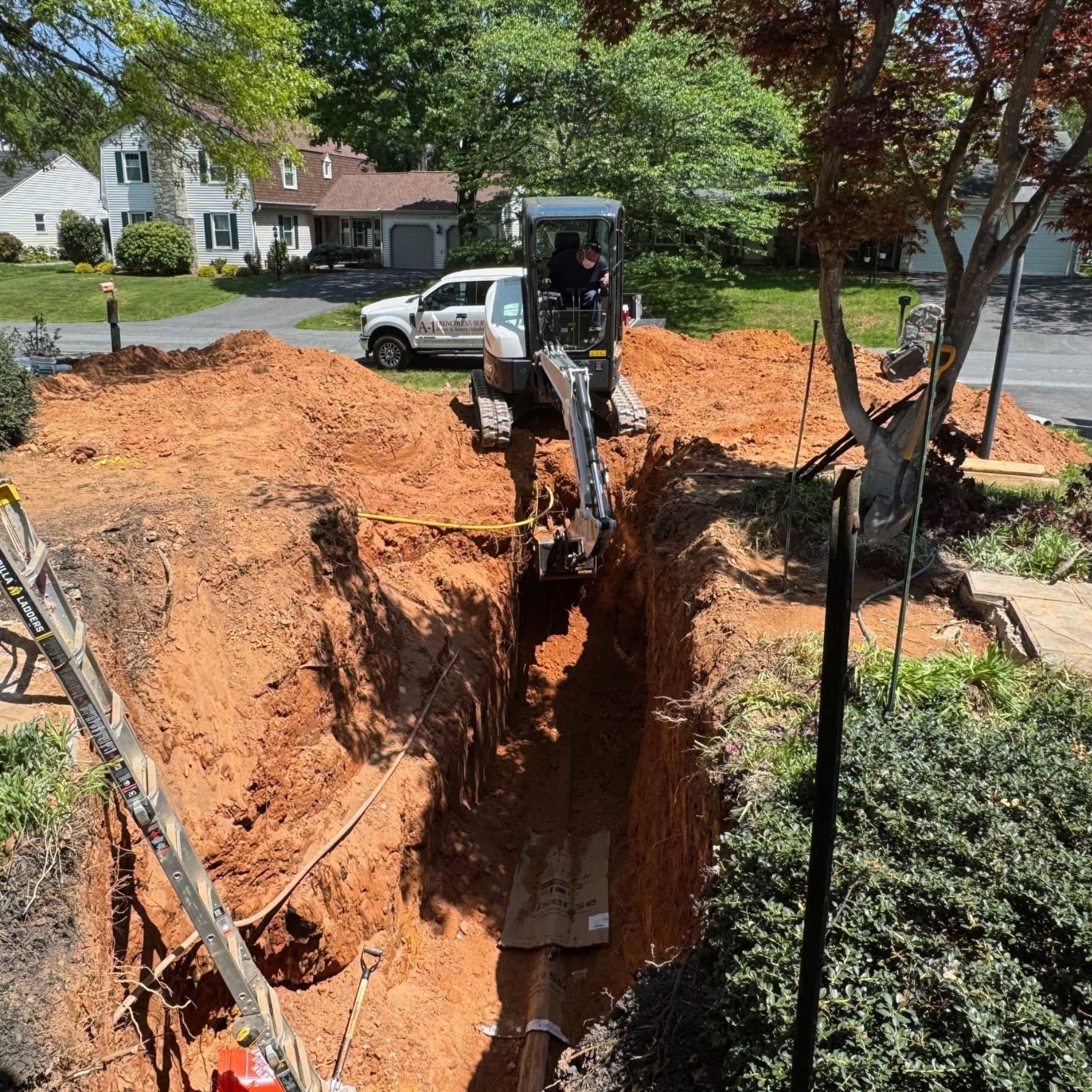
For buried sewer lines, trenchless repair or replacement can be a practical option when conditions allow. These methods can reduce disruption to landscaping, driveways, and hardscaping compared with full open-trench excavation. However, severe collapse, improper slope, or certain access limitations may require conventional excavation. A dependable contractor should explain the findings, the available options, and why one method fits the situation better than another.
Do Not Wait for a Major Failure
Call for professional help promptly if you have discolored water at several fixtures, a suspected hidden leak, recurring sewer backups, sewage odors, a rapidly rising water bill, or visible corrosion with active moisture. Shut off the water supply if a pipe is actively leaking and it is safe to do so. Avoid using chemical drain cleaners for recurring sewer problems, since they can damage some pipes and will not correct corrosion or structural defects.
A-1 Trenchless Water & Sewer Repair Services can inspect aging water, drain, and sewer lines with advanced diagnostic equipment and recommend a repair approach that protects your property whenever possible. Catching corrosion early does not always mean immediate replacement, but it does give you time to make a clear, informed decision before a small warning becomes a disruptive emergency.
First published . Written by the A-1 Trenchless team.