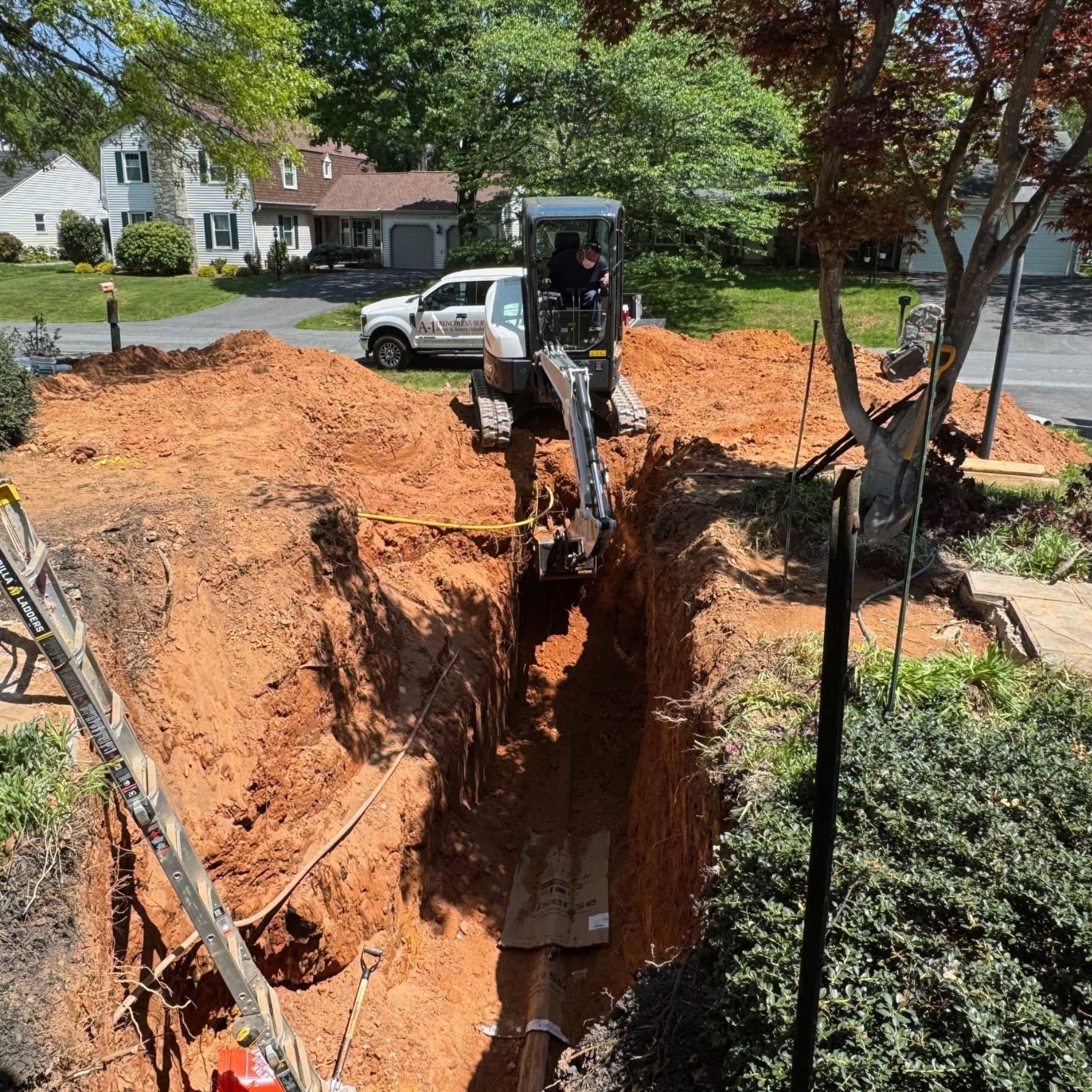
A slow drain in an older home rarely stays just a slow drain. What starts as gurgling at the kitchen sink or a tub that drains a little too slowly can turn into recurring backups, foul odors, and a sewer line that never seems fully clear. That is often where pipe descaling for cast iron becomes the right conversation. In many older properties, the issue is not a simple clog. It is years of rust, scale, and hardened buildup narrowing the inside of the pipe.
Cast iron sewer and drain lines were built to last, but they do not stay smooth forever. Over time, the interior walls corrode and develop rough, flaky scale. Waste, grease, soap residue, and debris catch on that rough surface and make the problem worse. The result is restricted flow, repeated stoppages, and a drain system that keeps demanding attention.
What pipe descaling for cast iron actually does
Pipe descaling is the process of removing heavy corrosion, mineral deposits, and hardened debris from the inside of cast iron drain or sewer lines. The goal is to restore as much internal diameter as possible and improve flow without replacing the pipe right away.
This is not the same as basic drain cleaning. A standard cabling service may poke a hole through a blockage and get water moving again, but it often leaves the rough scale attached to the pipe walls. With cast iron, that remaining buildup is usually the bigger problem. Descaling is more thorough because it targets the layer that keeps trapping new debris.
For many property owners, that difference matters. If the line keeps clogging every few months, clearing one soft blockage at a time is usually a temporary fix. Removing the scale gives the system a better chance of staying open longer.
Why cast iron pipes develop scale so aggressively
Cast iron is strong, but age changes it. Moisture, waste, oxygen, and chemical exposure gradually break down the inner surface. Instead of a relatively smooth interior, the pipe becomes jagged and uneven. In some cases, it looks almost like thick rust flakes or rock-like deposits have taken over the opening.
That roughness creates a chain reaction. Toilet paper snags more easily. Grease cools and sticks faster. Soap residue builds up in layers. Small solids that should pass through can settle and catch. By the time a homeowner notices frequent backups, the inside of the pipe may already be significantly narrowed.
This is especially common in older homes and commercial buildings with original drain lines. Age alone does not always mean failure, but it does mean the line needs a closer look before anyone recommends the right solution.
Signs you may need pipe descaling for cast iron
The biggest clue is repetition. If you keep dealing with slow drains or recurring backups in the same areas, the line may have internal scaling rather than an isolated clog. Some customers also notice sewage odors, bubbling toilets, or water backing up in a lower-level shower or floor drain.
A camera inspection is what confirms it. Instead of guessing, a trained technician can inspect the line and see whether the problem is rust scale, grease buildup, cracks, offsets, root intrusion, or a combination of issues. That matters because descaling is effective in the right pipe, but not every cast iron line is a good candidate.
When descaling is the right choice
Descaling works best when the pipe is structurally serviceable but heavily obstructed by internal buildup. If the cast iron still has enough integrity, removing the scale can improve performance, reduce future clogs, and prepare the line for additional solutions if needed.
In some cases, descaling is used as a standalone service to restore flow. In others, it is part of a larger plan. For example, if a line is being evaluated for trenchless rehabilitation, it often needs to be cleaned and descaled first so the pipe condition can be properly assessed and the interior surface prepared.
This is where experience matters. An aggressive cleaning approach in a badly deteriorated pipe can create more problems if the line is already fragile. The right contractor will not treat every cast iron pipe the same way. They will inspect it, explain what the camera shows, and recommend the option that fits the actual condition of the system.
When descaling may not be enough
There are times when pipe descaling for cast iron is not the best long-term answer. If the line is cracked, collapsed, leaking at multiple joints, or heavily channeling at the bottom, cleaning alone will not solve the real problem. You might get temporary relief, but the structural failure remains.
That is why a clear diagnosis comes first. A pipe can be clogged and damaged at the same time. If severe corrosion has eaten through the pipe wall, replacement or trenchless repair may make more financial sense than repeated cleaning visits. The goal is not to sell more work than needed. The goal is to fix the issue in a way that lasts.
How the descaling process usually works
The process starts with a video inspection to identify the cause, location, and severity of the restriction. Once the technician confirms that descaling is appropriate, specialized equipment is used to break away and remove the hardened buildup inside the cast iron line.
Depending on the pipe condition and layout, the cleaning may involve mechanical descaling tools, hydro jetting, or a combination of methods. Mechanical tools can scrape and loosen heavy corrosion from the pipe walls. Hydro jetting can then flush the debris out of the system with high-pressure water. In the right situation, that combination clears the line far more effectively than basic snaking.
After cleaning, another camera inspection is often performed. This step is important because it shows how much buildup was removed and whether any deeper structural issues were hidden under the scale. Sometimes the cleaned pipe looks sound enough to keep in service. Sometimes the inspection reveals cracks or deterioration that were not fully visible before.
Benefits of descaling older cast iron lines
The immediate benefit is better flow. Water, waste, and paper move through the pipe more freely when they are not dragging across thick corrosion and debris. That alone can reduce backups and improve everyday performance.
The second benefit is clarity. A scaled pipe hides its true condition. Once cleaned, it becomes much easier to determine whether the line can keep performing with maintenance or whether it is time to plan for repair or replacement. For property owners trying to make smart decisions, that visibility matters.
There is also a cost and disruption advantage in the right scenario. If descaling restores the line and delays a larger project, that can be a practical win. If it prepares the system for trenchless rehabilitation, it may help avoid more invasive excavation. It depends on the pipe, but either way, a targeted approach is usually better than guessing.
What property owners should expect
No reputable contractor should promise that every cast iron drain can be made like new. Older pipes vary widely in condition, and the right recommendation depends on what the camera shows. Some lines respond very well to descaling and continue performing reliably. Others are simply too far gone.
What you should expect is an honest evaluation, clear communication, and a plan based on evidence instead of assumptions. That includes explaining whether descaling is likely to provide meaningful improvement, how long the benefit may last, and whether additional repair should be considered.
For homeowners and facility managers, that straightforward approach saves time and money. It also helps avoid the frustration of treating the same symptom over and over while the real issue keeps growing underground.
Choosing the right contractor for cast iron pipe work
Cast iron systems need more than a quick clog-clearing visit. They need a contractor who understands older drain infrastructure, uses camera inspections to verify conditions, and has more than one solution available. If a company can only snake the line or only sell replacement, you may not get the most practical answer.
A provider with drain cleaning, hydro jetting, descaling, video inspection, and trenchless repair capabilities can match the service to the problem. That is especially valuable when a line falls into the middle ground, not perfect, not collapsed, but in need of careful, informed work. A-1 Trenchless Water & Sewer Repair Services LLC helps property owners in and around Damascus make those decisions with real diagnostic information and minimally disruptive options when possible.
If your cast iron drains are slow, backing up, or causing the same problem again and again, waiting usually gives buildup more time to harden and damage more time to spread. A proper inspection can tell you whether descaling is the smart next step or whether it is time for a more permanent repair, and that kind of clarity is worth getting before the next backup makes the decision for you.
First published . Written by the A-1 Trenchless team.