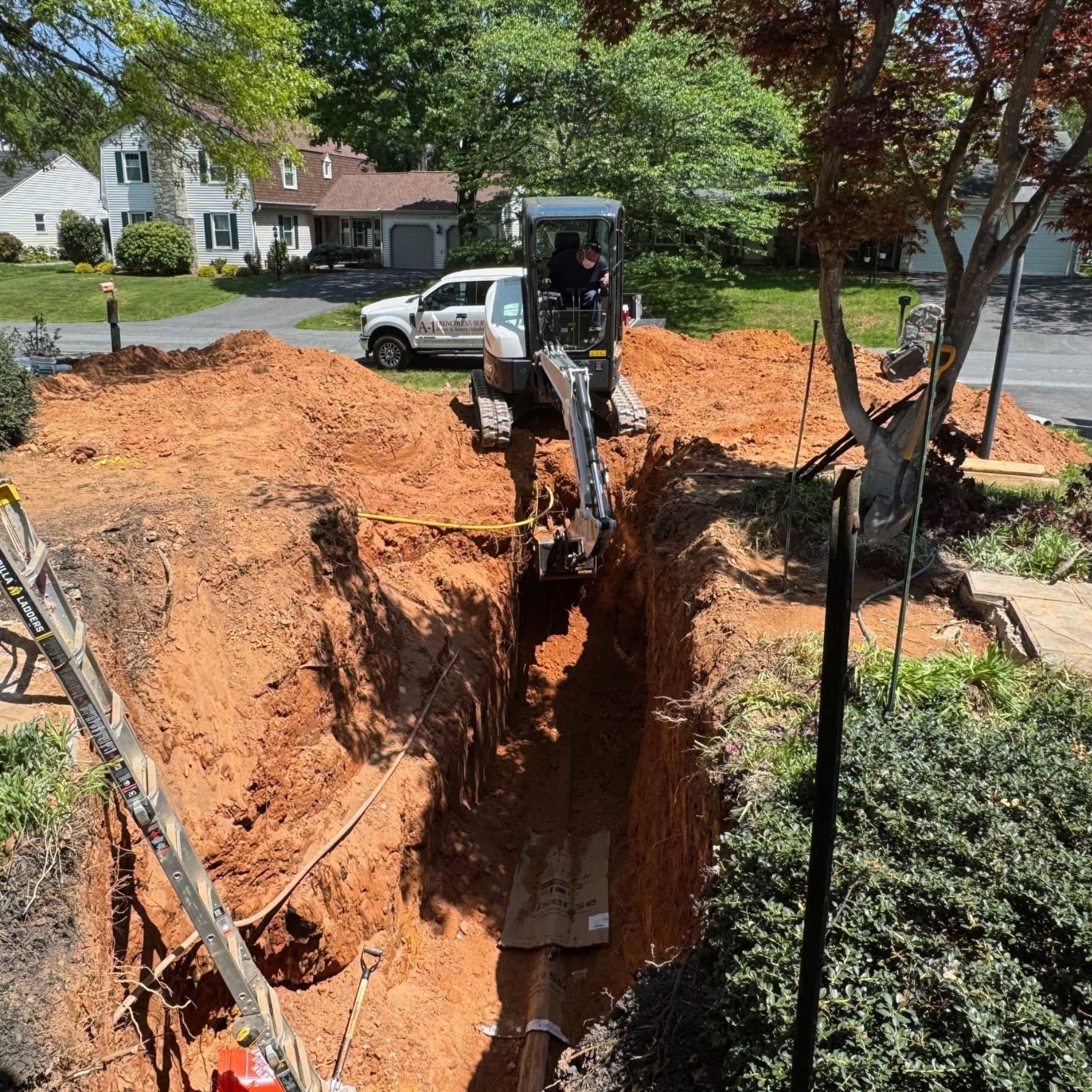
What if your recurring sewer clogs aren’t actually caused by what’s going down your drains, but by the pipes themselves? Over 60% of municipal sewer systems in North America are now more than 30 years old, and many Maryland residential lines are in a similar state of decay. You’ve likely reached the point of total frustration with temporary fixes that simply don’t last. Understanding the nuances of pipe descaling vs hydro jetting is the first step toward protecting your property and avoiding an expensive, full pipe replacement.
It’s stressful to wonder if your next shower will end in a messy backup, especially when you’ve already paid for multiple snaking attempts that failed to solve the problem. You’ll soon discover the critical differences between these two restoration methods so you can choose the most effective path for your plumbing. We’ll explain why hydro jetting clears what is in the pipe while descaling removes what has become part of the pipe, ensuring you have the right information to restore your home’s sewer flow for the long term.
Key Takeaways
- Differentiate between soft clogs and calcified hard scale to identify the actual root cause of your recurring drain issues.
- Compare the technical mechanics of pipe descaling vs hydro jetting to understand which specialized tool is best suited for your specific pipe material.
- Learn how to recognize the signs of restricted flow, such as the “Gurgle Test,” before a minor obstruction becomes a major sewage backup.
- Understand why a high-definition video pipe inspection is a non-negotiable first step to ensure the structural integrity of aging cast iron lines.
- Discover how modern restoration methods can provide a long-term solution for your sewer lines without the need for invasive yard excavation.
Table of Contents
- Understanding Sewer Obstructions: Soft Clogs vs Hard Scale
- The Mechanics of Restoration: How Each Technology Works
- Pipe Descaling vs Hydro Jetting: A Side-by-Side Comparison
- The Maryland Homeowner’s Guide: When to Call the Pros
- The Diagnostic Solution: Why Video Inspection is Non-Negotiable
Understanding Sewer Obstructions: Soft Clogs vs Hard Scale
Homeowners in Bethesda and Rockville often face a recurring nightmare: a drain that clears for a week only to back up again. This cycle happens because most people treat every blockage as a simple clog. In reality, your sewer line issues fall into two distinct categories: soft clogs and hard scale. Distinguishing between them is essential when weighing pipe descaling vs hydro jetting for a permanent fix.
Soft clogs consist of accumulated grease, hair, food particles, and household debris. These materials create a thick, sludge-like barrier that slows down water flow. Hard scale, conversely, is a structural issue. It’s the calcified mineral deposits and rust buildup that fuse to the interior walls of your pipes over decades. While a standard plumber’s snake can punch a small hole through a soft clog, it rarely touches hard scale. This is why your drains remain slow even after a professional snaking. The pipe’s diameter is still constricted by years of mineral growth.
The Anatomy of a Clog
In modern PVC pipes, blockages usually stem from organic buildup. Grease from the kitchen and soap scum from the bathroom act like glue, trapping everything that passes through. Tree roots also play a major role in Maryland properties. They seek out moisture in sewer lines, creating a fibrous nest that catches debris. For these specific obstructions, Plumbing hydro jetting is the gold standard. It uses high-pressure water to scrub the pipe walls clean, flushing away the sludge and cutting through invasive roots without damaging the plastic.
The Reality of Cast Iron Scaling
If your home was built before the mid-1970s, you likely have cast iron pipes. These lines are prone to a process called tuberculation. Over time, the iron reacts with water and oxygen to create jagged rust mounds on the pipe’s interior. These flakes act like sandpaper, catching toilet paper and solids. This isn’t just a debris pile you can wash away. Hard scale requires a mechanical solution rather than a purely hydraulic one. This is where the debate of pipe descaling vs hydro jetting becomes critical. Descaling uses specialized tools to physically scrape the metal back to its original smooth state, restoring the full diameter of the line and preventing future snags.
The Mechanics of Restoration: How Each Technology Works
Choosing between pipe descaling vs hydro jetting requires a look under the hood at the equipment involved. While both methods restore flow, they use entirely different physical principles to achieve results. Hydro jetting relies on kinetic energy from high-velocity water, while descaling uses mechanical friction to grind away obstructions. Using the wrong tool for the job doesn’t just waste time. It can lead to incomplete cleaning or accidental pipe damage.
Professional equipment differs significantly from consumer-grade pressure washers found at big-box stores. Real restoration tools allow technicians to fine-tune the balance between pressure and water volume. This precision is vital. Too much pressure can shatter a fragile, aging pipe, while too little won’t clear a stubborn blockage. Our experts use these advanced systems to provide a surgical level of cleaning that protects your home’s infrastructure.
Hydro Jetting: The Power of Water
Hydro jetting is essentially a deep-clean for your plumbing system. It uses a specialized pump to deliver water at pressures reaching up to 4,000 PSI. The nozzle at the end of the hose is the secret to its success. It features a forward-facing jet to blast through immediate blockages and several rear-facing jets that propel the hose forward. These rear jets provide 360-degree scouring of the pipe walls. This high-pressure wash is incredibly effective at emulsifying grease and flushing out thick sludge. For residents dealing with heavy kitchen buildup or root intrusion, hydro jetting services Damascus MD provide a “like-new” finish for modern PVC lines. The same high-pressure technology is also the backbone of professional commercial kitchen drain cleaning, where heavy grease accumulation demands the most powerful clearing methods available.
Pipe Descaling: The Mechanical Advantage
When dealing with hardened mineral deposits, water alone often isn’t enough. Pipe descaling utilizes a high-speed rotating flexible shaft housed inside a protective casing. At the business end of this shaft, we attach specialized carbide-tipped chains or abrasive heads. As the shaft spins, centrifugal force causes the chains to expand until they perfectly match the diameter of the pipe. These chains scrape away the tuberculation and rust flakes that have fused to the metal over decades. This mechanical action is the only way to truly understand what is pipe descaling and why it remains the preferred method for restoring aging cast iron. If you’re unsure which method your system needs, a professional video pipe inspection can reveal the exact nature of the buildup.
Pipe Descaling vs Hydro Jetting: A Side-by-Side Comparison
Deciding between pipe descaling vs hydro jetting often comes down to the specific symptoms your plumbing exhibits. While hydro jetting is a high-speed solution for clearing debris, descaling is a restoration process for the pipe material itself. Understanding how these two methods stack up side-by-side helps you make an informed decision for your Maryland home’s long-term health. Each service has a distinct safety profile and effectiveness level depending on what is actually blocking your flow.
Hydro jetting is exceptionally effective for grease, sludge, and tree roots. It’s the faster of the two services, typically completed within a few hours for a standard residential line. However, if your issues involve decades of rust and mineral buildup, water alone won’t restore the pipe’s interior smoothness. Descaling takes more time because it involves physically grinding away calcified layers. The result is a vastly improved inner diameter that prevents solids from snagging on jagged surfaces, which is something a simple high-pressure wash cannot always achieve.
Application Table: Choosing by Symptom
Think about your specific drain problems. If you’re dealing with kitchen grease or heavy sludge causing slow drains, hydro jetting is the primary choice. It’s also an excellent preventative maintenance tool to keep modern lines clear and flowing. When we follow NASSCO pipe cleaning standards, we ensure the pressure is optimized for the specific debris type without over-pressurizing the system. Conversely, if you have a cast iron main line that backs up every time you flush toilet paper, descaling is likely the only option left before you have to consider a full pipe replacement. It’s the difference between washing a surface and resurfacing it.
Material Compatibility: PVC vs Cast Iron
Material compatibility is the final piece of the puzzle. PVC pipes are naturally smooth and durable, making them the perfect candidate for high-pressure water streams. Cast iron, however, requires a specialized mechanical touch to remove tuberculation without compromising the thin walls of an aging pipe. You might wonder, is hydro jetting safe for old pipes? The answer depends entirely on the current state of the metal. While pipe descaling vs hydro jetting is a common debate, we use video inspections to identify wall thickness and crack locations first. This ensures we choose the method that restores flow while protecting the structural integrity of your home’s infrastructure.
The Maryland Homeowner’s Guide: When to Call the Pros
Living in established Maryland communities like Damascus or Gaithersburg means enjoying historic charm, but it also means managing aging infrastructure. Many homes in these areas still rely on their original cast iron sewer lines. Recognizing the early warning signs of failure can save you from a catastrophic backup. When evaluating pipe descaling vs hydro jetting, you first need to determine if your issues are structural or just a temporary blockage.
One of the most reliable indicators of restricted flow is the “Gurgle Test.” If you hear a bubbling or glugging sound from your toilet when the washing machine drains or the shower is running, you have air pockets trapped in the line. This happens because the pipe’s internal diameter has been constricted by scale or sludge, leaving no room for air to pass. Ignoring these sounds often leads to complete pipe occlusion. This is a state where the line becomes so narrow that even liquids cannot pass through, eventually causing structural failure or a messy basement flood.
Warning Signs of Structural Scaling
- Simultaneous Slow Drains: If every sink and tub in the house is draining slowly, the problem is in the main line, not a single P-trap.
- The Snaking Catch-22: You call a plumber to snake the line, and it works for a month before clogging again. The snake is simply punching a small hole through the debris while leaving the thick wall of scale intact.
- Persistent Foul Odors: Sewer gas escaping into the home often indicates that waste is getting caught on jagged rust flakes and decomposing inside the pipe.
Local Environmental Factors
Montgomery County’s local water conditions play a significant role in how quickly your pipes deteriorate. The specific mineral content in our groundwater can accelerate the calcification process in metal pipes. Additionally, some older districts still contain “Orangeburg” or clay pipes that are highly susceptible to root intrusion and internal collapses. Because these materials react differently to pressure and mechanical cleaning, a regular main drain cleaning Damascus checkup is vital for maintaining property value.
Choosing between pipe descaling vs hydro jetting requires a professional who understands these local soil and water variables. If you suspect your pipes are narrowing or you’ve experienced recurring backups, it’s time to schedule a Video Pipe Inspection to see exactly what’s happening underground before a minor issue becomes a major replacement project. Homeowners in Bethesda dealing with aging water supply lines alongside sewer issues may also want to explore trenchless water line replacement Bethesda options to address both systems without sacrificing their landscaping.
The Diagnostic Solution: Why Video Inspection is Non-Negotiable
Attempting to solve a drainage mystery without eyes inside the pipe is a gamble that rarely pays off. Guessing whether you need pipe descaling vs hydro jetting is a recipe for disaster. If we apply 4,000 PSI of water to a pipe with an undetected structural crack, we risk a total collapse. Conversely, using mechanical descaling chains on a pipe where the bottom has already rusted away will only worsen the damage. At A-1 Trenchless, we believe every restoration project must begin with a high-definition video pipe inspection.
Our fiber-optic cameras provide a real-time view of your sewer line’s interior. This technology allows us to identify the precise thickness of the pipe walls and the exact location of any fractures or offsets. We don’t just look for clogs. We assess the structural integrity of the entire system. This diagnostic precision ensures we choose the most effective method to restore your flow without putting your home’s infrastructure at risk.
The “Before and After” Verification
You should always insist on seeing the video footage of your clean pipes. A reputable service provider will show you the “before” footage to explain the problem and the “after” footage to prove the results. This verification step ensures that the scale has been fully removed and the pipe diameter is restored. It’s also the best way to find a blockage in your sewer line that might be hiding further down the line, beyond the reach of standard cleaning tools. Seeing the smooth, restored walls of your pipes provides a level of reassurance that no “clear” drain test can match.
Moving Toward a Permanent Fix
Sometimes, cleaning is just the first step in a longer journey of home preservation. If the inspection reveals that your pipes are too thin to survive another decade of use, we use descaling to prepare the surface for a professional epoxy liner. This “pipe-within-a-pipe” technology creates a new, smooth interior without the need for invasive digging in your yard. If your system requires more than just a temporary cleaning, we can provide a detailed consult for trenchless sewer repair Damascus MD. This modern approach ensures your Maryland home remains protected from sewage backups for decades to come, turning a stressful maintenance emergency into a permanent, hassle-free solution.
Restore Your Home’s Sewer Flow for the Long Term
Choosing the right restoration method shouldn’t be a guessing game. You now understand that while hydro jetting is the best choice for flushing out heavy grease and debris, pipe descaling is the only way to resurface aging cast iron lines. By identifying the root cause of your slow drains through high-definition diagnostics, you can avoid the high cost of a full pipe replacement and protect your landscaping from unnecessary excavation.
A-1 Trenchless has been serving Damascus and Montgomery County since 2018. We are specialists in advanced no-dig sewer restoration and use modern high-definition camera diagnostics to ensure every job is done correctly. When you weigh the benefits of pipe descaling vs hydro jetting, the most important factor is having a clear view of what’s happening underground. Schedule your professional video pipe inspection with A-1 Trenchless today. We are ready to help you regain peace of mind and keep your home’s plumbing running smoothly for years to come.
Frequently Asked Questions
Will hydro jetting damage my old cast iron pipes?
Hydro jetting is safe for most pipes, but it can cause damage if the cast iron is severely corroded or has existing structural cracks. This is why a video inspection is the most important step before starting any high pressure work. By identifying weak spots first, we can adjust the pressure levels to protect your home’s infrastructure while still clearing the blockage effectively.
How often should I have my sewer lines descaled?
Unlike standard drain cleaning, pipe descaling is usually a one time restoration process rather than a recurring maintenance task. Once the hard mineral scale is removed and the pipe’s interior is smooth, you won’t need to repeat the process for many years. Most homeowners switch to preventative hydro jetting every two to three years to keep the lines clear of grease and organic debris.
Can I perform pipe descaling myself with rented equipment?
No, you should not attempt to descale your own sewer lines with rental tools. Professional descaling requires specialized high speed flexible shafts and carbide tipped chains that can easily destroy a pipe if used incorrectly. Without a professional grade camera to monitor the progress in real time, it’s impossible to see if you are removing scale or actually drilling through the pipe wall itself.
What is the price difference between hydro jetting and descaling?
When comparing pipe descaling vs hydro jetting, descaling is generally the more specialized and labor intensive service. While hydro jetting uses water pressure to clear debris, descaling involves mechanical grinding that takes more time and requires specific abrasive tools. You should consult with a local expert to see which method provides the best long term value for your specific pipe material and condition.
How long does a typical hydro jetting or descaling service take?
A standard hydro jetting service for a residential main line usually takes between one and three hours to complete. Pipe descaling is a more methodical process that can take several hours or even a full day depending on the severity of the tuberculation. The total time depends on the length of the pipe and the hardness of the mineral buildup our technicians encounter during the process.
Is hydro jetting effective against heavy tree root intrusions?
Yes, hydro jetting is one of the most effective ways to clear heavy tree root intrusions without digging up your yard. The high pressure water streams act like a surgical saw, cutting through the fibrous roots and flushing the pieces out of the system. However, if the roots have already caused the pipe to crack or shift, you may need to consider a trenchless repair after the cleaning is finished.
Does pipe descaling remove the actual metal from my pipes?
No, the descaling process is designed to remove only the rust flakes and mineral deposits that have attached themselves to the pipe walls. The specialized chains spin at high speeds to knock off the tuberculation without grinding away the healthy metal underneath. This restoration process actually helps preserve the pipe by stopping the jagged rust from catching more debris and causing future clogs.
What happens if a video inspection reveals a collapsed pipe instead of scale?
If our high definition camera identifies a collapsed or severely broken pipe, neither jetting nor descaling will solve the problem. In these cases, we move from cleaning to restoration options like trenchless sewer repair. This allows us to install a new structural liner inside your existing pipe without the need for invasive excavation through your basement floor or well maintained landscaping.
First published . Written by the A-1 Trenchless team.