Did you know that 24% of restaurant leaders estimate losing between $1,001 and $5,000 for every single hour of disruption caused by unplanned maintenance? It’s a staggering figure that highlights just how quickly a plumbing emergency can eat into your bottom line. We understand the stress of managing a busy line while worrying that a sudden backup or a foul odor in the dining room might lead to a health department violation. You need a drainage system that works as hard as your staff does, without the constant fear of a costly weekend service call.
This 2026 guide will show you how to protect your business through professional commercial kitchen drain cleaning and high-pressure hydro jetting. We’ll explain how modern techniques like video pipe inspection and pipe descaling can prevent the grease buildup that leads to expensive fines in Baltimore or Anne Arundel County. You’ll learn how to build a maintenance schedule that ensures long-term reliability and keeps your kitchen in full compliance with local FOG regulations so you can focus on your guests instead of your pipes.
Key Takeaways
- Understand how fats and oils transform into solid “fatbergs” that lead to sudden kitchen backups and potential health violations.
- Learn why high-pressure hydro jetting is the gold standard for commercial kitchen drain cleaning, removing stubborn buildup that standard snaking leaves behind.
- Discover the hidden risks of using caustic chemicals and how professional mechanical cleaning protects your long-term plumbing health.
- Establish a proactive maintenance schedule to stay compliant with Maryland’s local FOG regulations and avoid the high costs of unplanned closures.
- Explore how “no-dig” trenchless technology can repair broken lines under your kitchen floor without the mess or disruption of traditional excavation.
Table of Contents
- Why Commercial Kitchen Drains Fail: The Science of FOG and Scale
- Hydro Jetting: The Gold Standard for Commercial Drain Cleaning
- Professional Restoration vs DIY Chemical Maintenance
- Creating a Preventative Maintenance Schedule for 2026
- The A-1 Trenchless Water & Sewer Repair Services LLC Advantage for Maryland Food Service
Why Commercial Kitchen Drains Fail: The Science of FOG and Scale
Commercial kitchens operate at a volume that would quickly overwhelm any residential plumbing system. The primary culprits behind most backups are Fats, Oils, and Grease, commonly known as FOG. When these substances enter your drainage system, they don’t simply wash away. Instead, they undergo a chemical process called saponification. This happens when grease reacts with alkaline cleaning agents in your wastewater, transforming into rock-hard solids often referred to as “fatbergs.” These obstructions act like concrete inside your lines, making professional commercial kitchen drain cleaning a necessity rather than an option.
The stress on your pipes is compounded by high-temperature commercial dishwashers. While these machines are essential for sanitation, the scalding water liquefies grease and carries it further down the plumbing run. As the water eventually cools, the grease solidifies and attaches to the pipe walls, creating a ticking time bomb for your operations. When food solids like rice, coffee grounds, or fibrous vegetables get caught in this sticky trap, a total blockage becomes inevitable.
The Impact of Fats, Oils, and Grease (FOG)
FOG doesn’t just sit in the bottom of the pipe. It adheres to the entire circumference as it cools. While your Grease trap is designed to catch the bulk of these materials, it isn’t a 100% solution. Small amounts of FOG always bypass the trap, especially during peak hours when flow rates are high. In Montgomery County, managing this discharge isn’t just about plumbing health. It’s a legal requirement. WSSC regulations mandate strict permit fees and maintenance standards for food service establishments to prevent FOG from reaching the public sewer main. Ignoring these standards can lead to heavy fines and mandatory closures.
Mineral Buildup and Cast Iron Deterioration
Many older commercial properties in Bethesda and Damascus still rely on original cast iron piping. Over decades, these pipes develop internal “scale,” which is a jagged buildup of minerals and oxidized metal. This scale creates a “velcro” effect, snagging every bit of grease and debris that passes through. This is why standard snaking often fails in a commercial setting. The snake might poke a small hole through a clog, but the rough scale remains, ready to catch more grease immediately. To restore the pipe’s full diameter, we often recommend specialized services to remove this crust. You can learn more about this process in our guide on what is pipe descaling. Combining descaling with regular commercial kitchen drain cleaning ensures your system can handle the high-volume demands of a modern kitchen.
Hydro Jetting: The Gold Standard for Commercial Drain Cleaning
Removing the saponified grease and “fatbergs” discussed earlier requires more than a simple rinse. Hydro jetting is the definitive solution for high-volume environments. This process uses water pressurized up to 4,000 PSI to mechanically scour the interior of your pipes. It doesn’t just push a blockage further down the line. It pulverizes it. For facilities that rely on heavy-duty commercial kitchen drain cleaning, this method provides a level of restoration that traditional tools simply cannot match. The high-pressure stream is powerful enough to strip away years of accumulated grease and mineral scale, returning the pipe to its original flow capacity.
Efficiency in a commercial setting depends on reaching every inch of the system. Specialized nozzles make this possible. Some heads feature forward-firing jets to penetrate solid obstructions, while others focus on 360-degree flushing to clean the pipe walls. This is particularly vital for long-run lines and floor drains that are prone to collecting a mixture of food solids and congealed oils. Because the water maintains its force over long distances, it ensures that debris is moved all the way to the main sewer line rather than settling in a downstream elbow. If you’re seeing persistent slow drainage, a quick video pipe inspection can reveal exactly how much capacity you’ve lost to buildup.
Hydro Jetting vs Traditional Snaking
Traditional snaking is often a temporary fix for a permanent problem. A drain snake essentially punches a small hole through a soft clog to restore flow. While this might get you through a busy shift, it leaves the bulk of the grease attached to the pipe walls. In a kitchen, that remaining residue acts like a magnet for new debris. You’ll likely face another backup within weeks. Hydro jetting provides a “total clear” by removing the source of the adhesion. This thorough approach is supported by research into the science of FOG buildup, which demonstrates why standard mechanical clearing often fails to address the chemical bonding of grease. For a deeper look at the equipment we use, our guide to hydro jetting services in Damascus, MD offers a full technical breakdown.
Safety and Pipe Integrity
Many business owners in older Maryland properties ask, is hydro jetting safe for old pipes? The answer is yes, provided the technician is experienced. We never start a high-pressure job without a pre-jetting video inspection. This allows us to check for structural cracks, root intrusion, or severe corrosion that might make a pipe vulnerable. Our technicians then calibrate the pressure specifically for your pipe material, whether it’s modern PVC or aging cast iron. This precision ensures we clear the blockage without compromising the integrity of your infrastructure.
Professional Restoration vs DIY Chemical Maintenance
When a floor drain starts bubbling during a lunch rush, it’s tempting to reach for a bottle of “industrial strength” liquid. But for effective commercial kitchen drain cleaning, chemicals are rarely the answer. Most store-bought openers rely on caustic reactions that generate intense heat. While this heat might melt a small amount of grease, it can also warp PVC pipes or cause them to pull away from joints. In older Maryland properties, these acids can eat through thin cast iron walls or destroy the delicate seals in your traps. You’re often trading a minor clog for a major structural leak.
Beyond the physical damage, there’s the environmental cost. Pouring gallons of acid into the Maryland sewer system is increasingly scrutinized by local utilities and can contribute to the degradation of public infrastructure. These chemicals don’t offer a permanent solution. They simply create a temporary, narrow passage through a clog. Professional restoration, by contrast, uses mechanical force to return the pipe to its original state. It’s the difference between poking a hole in a problem and removing the problem entirely.
The Problem with Caustic Drain Cleaners
Caustic cleaners present a significant safety risk to your kitchen staff. If a drain is completely blocked, the chemical simply sits on top of the standing water, creating a toxic pool that can splash back and cause severe burns. Because these liquids are heavier than water, they often sink to the bottom of a trap without ever reaching the actual blockage. This results in a pipe full of corrosive liquid that a professional technician must then safely drain before they can even begin a real repair. It’s a dangerous and unnecessary complication that adds time to your downtime.
Enzymatic Cleaners: Maintenance, Not a Cure
Bio-enzymatic cleaners are a growing trend in 2026 because they are eco-friendly and non-toxic. These products use bacteria to digest organic matter slowly over time. However, they are not designed for active backups. If your line is already restricted by heavy grease accumulation, enzymes won’t work fast enough to prevent a kitchen closure. We view these products as an excellent follow-up to a professional commercial kitchen drain cleaning session. Once a hydro jet has cleared the line, regular enzyme treatments can help keep surfaces smooth and slow down the return of FOG. They are a great maintenance tool, but they won’t save you from an emergency.
Creating a Preventative Maintenance Schedule for 2026
Waiting for a backup to occur is the most expensive way to manage a facility. Industry reports suggest that preventative maintenance can save businesses up to 18% annually compared to reactive repairs. When you factor in the labor costs of emergency calls and potential food waste, the ROI of a proactive commercial kitchen drain cleaning plan becomes clear. A single avoided “Friday night” shutdown can pay for an entire year of scheduled service. For high-volume kitchens operating around the clock, we recommend quarterly hydro jetting. Medium-volume establishments typically find success with a bi-annual schedule, while smaller cafes may only require an annual deep clean.
Every maintenance plan should begin with a video pipe inspection. This allows us to see the actual rate of FOG accumulation and identify if “fatbergs” are forming in specific elbows or long horizontal runs. By documenting the condition of your lines every six months, you can adjust your cleaning frequency based on real-world data rather than guesswork. This methodical approach ensures you aren’t over-servicing clear lines or under-servicing high-risk areas.
Warning Signs Your Kitchen is Near a Backup
Your plumbing system usually provides subtle hints before a total failure occurs. Slow-draining floor sinks or gurgling sounds from the prep station are the most common early indicators. If you notice gurgling drains and toilet symptoms spreading to multiple fixtures, this can signal a blockage deep in the main line that requires immediate professional attention. You might also notice persistent “sour” odors that don’t go away after a standard floor scrubbing. These smells often signal that organic matter is trapped in the line, which can lead to fruit fly infestations. These pests breed in the moist, nutrient-rich environment of a dirty drain. To help your staff stay ahead of these issues, you can implement a daily main drain cleaning Damascus checklist to ensure floor grates and traps are clear of debris.
Budgeting for Professional Drain Cleaning
Transitioning from a reactive “emergency repair” budget to a “preventative maintenance” budget is a strategic move for any manager. In Maryland, documented maintenance is also a matter of compliance. For example, Anne Arundel County requires establishments to maintain records of grease interceptor and line maintenance for three years. Having a professional commercial kitchen drain cleaning partner like A-1 Trenchless Water & Sewer Repair Services LLC allows you to provide health inspectors with the digital proof they need. We provide scheduled maintenance for businesses throughout Rockville, Germantown, and the surrounding areas. If you’re ready to stop reacting to emergencies and start protecting your profits, schedule your professional drain maintenance today.
The A-1 Trenchless Water & Sewer Repair Services LLC Advantage for Maryland Food Service
Managing a commercial kitchen in Bethesda or Damascus means dealing with infrastructure that often predates modern food service demands. A-1 Trenchless Water & Sewer Repair Services LLC provides specialized commercial kitchen drain cleaning that respects your timeline and your property. We don’t just clear clogs. We provide a high-tech window into your plumbing using advanced video pipe inspection. This technology allows us to provide visual proof that your lines are completely restored, giving you confidence during health inspections and peace of mind during your busiest shifts. Our goal is to make complex maintenance feel simple and manageable for every manager we serve.
Efficiency is the cornerstone of our service. We know that every hour your kitchen is down represents a significant loss in revenue. Our technicians utilize modern equipment to ensure the job is done right the first time, without the need for repeat visits. By combining deep industry expertise with a neighborly, dependable approach, we’ve become a trusted partner for food service establishments throughout Montgomery County. We focus on preserving your property while ensuring your drainage system can handle the high-volume output of a professional line.
Trenchless Solutions for Broken Kitchen Lines
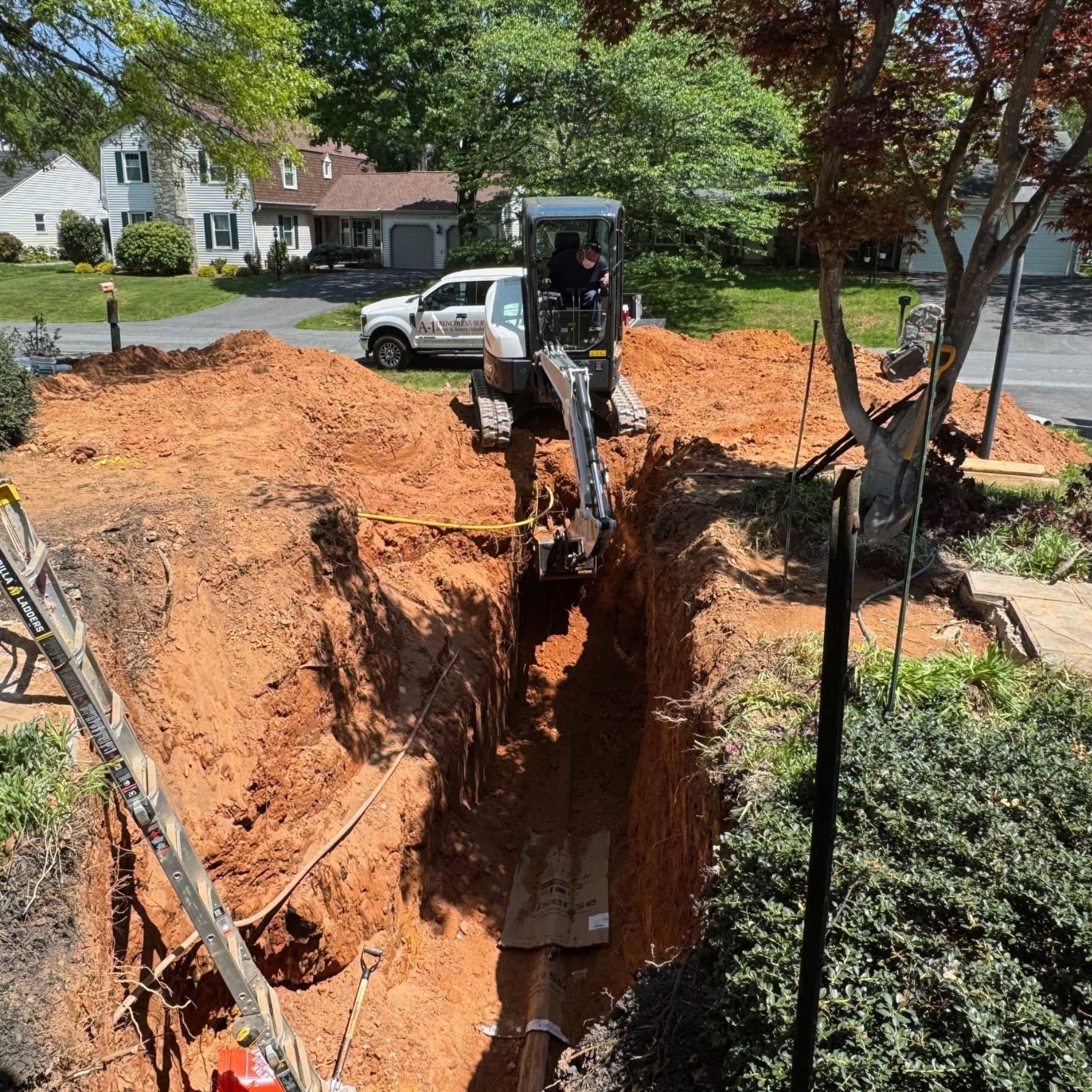
Sometimes the issue goes deeper than a simple grease buildup. If our inspection reveals a structural crack or a collapsed line under your kitchen floor, you don’t have to worry about jackhammers and days of closure. We utilize trenchless sewer repair to fix pipes directly beneath your heavy equipment or tile flooring. By using specialized pipe lining techniques, we create a “pipe within a pipe” that is often more durable than the original. Our experience with sewer line repair under driveway surfaces demonstrates our ability to handle complex, no-dig repairs without breaking concrete. This same no-dig philosophy applies to water line infrastructure as well. Property owners in the area can learn how trenchless water line replacement in Bethesda makes it possible to restore critical supply lines without excavating landscaping or flooring. This approach saves you from the massive restoration costs and extended downtime associated with traditional excavation.
Reliable Local Support in Montgomery County
Our team understands the specific pressures of the Maryland food service industry. We’re deeply familiar with WSSC FOG standards and local plumbing codes that affect businesses in Gaithersburg, Clarksburg, and Kensington. This local expertise ensures your commercial kitchen drain cleaning is performed correctly the first time, keeping you in full compliance with wastewater discharge permits. We prioritize efficiency to minimize disruption to your prep and service hours. If you’re concerned about the health of your drainage system or need a documented maintenance plan, contact A-1 Trenchless Water & Sewer Repair Services LLC today for a professional commercial drain assessment.
Secure Your Kitchen’s Future with Proactive Maintenance
Maintaining a high-performance kitchen requires moving beyond quick fixes and reactive repairs. We have explored how the science of FOG buildup leads to the formation of “fatbergs” that threaten your operations and your bottom line. By prioritizing professional commercial kitchen drain cleaning and high-pressure hydro jetting, you are investing in the long-term reliability of your facility. These modern methods do not just clear clogs. They restore your pipes to their full capacity while providing the documentation you need for local health department compliance.
Since 2018, A-1 Trenchless Water & Sewer Repair Services LLC has served as the modern local expert for Montgomery County businesses. We combine deep industry knowledge with specialized tools like video pipe inspection and no-dig trenchless technology to ensure your kitchen stays running smoothly. As high-pressure hydro jetting experts, we focus on providing a thorough clean that prevents the stress of emergency shutdowns. Do not wait for a backup to disrupt your service or damage your reputation. Take control of your infrastructure today.
Schedule Your Commercial Kitchen Drain Inspection with A-1 Trenchless Water & Sewer Repair Services LLC Today. We look forward to helping your business thrive with a drainage system you can trust.
Frequently Asked Questions
How often should a commercial kitchen have its drains hydro jetted?
High-volume kitchens should schedule hydro jetting every three months to prevent heavy grease accumulation. Medium-volume establishments usually find success with a bi-annual schedule, while smaller cafes may only need an annual deep clean. This preventative approach is the most effective way to manage your commercial kitchen drain cleaning needs. Regular maintenance ensures that small clogs never turn into total system failures during your busiest shifts.
Will hydro jetting damage my restaurant’s older cast iron pipes?
Professional hydro jetting is safe for older cast iron pipes when preceded by a thorough video pipe inspection. Our technicians identify structural weaknesses or severe corrosion before starting the process. We then calibrate the water pressure specifically for the material and age of your plumbing. This precision allows us to scour away mineral scale and grease without compromising the integrity of your vintage infrastructure.
What is the difference between a grease trap and a grease interceptor?
The primary difference lies in the size and location of the unit. A grease trap is a small device typically installed under a sink or inside the kitchen to handle low flow rates. A grease interceptor is a much larger tank, usually located outdoors and underground, designed to manage high volumes of wastewater. Both require regular maintenance to prevent grease from entering the public sewer lines.
Can I use a standard plumbing snake for a commercial kitchen clog?
A standard plumbing snake is generally insufficient for a commercial kitchen environment. While a snake can punch a hole through a soft clog to restore temporary flow, it cannot remove the sticky grease lining the pipe walls. The remaining residue will quickly trap new food solids, leading to another backup within days. Only professional commercial kitchen drain cleaning methods like hydro jetting provide a total clear.
Are chemical drain cleaners safe for commercial-grade PVC plumbing?
No, chemical cleaners are not recommended for commercial-grade PVC plumbing. The exothermic reaction that dissolves clogs generates intense heat, which can soften PVC walls or cause joints to expand and leak. Over time, these caustic liquids also contribute to the degradation of seals and gaskets. Mechanical cleaning is a much safer and more effective way to restore your pipes without risking structural damage.
How much downtime should I expect during a professional hydro jetting service?
Most professional hydro jetting services are completed within one to three hours, depending on the complexity of your system. We understand that kitchen downtime is expensive, so we work efficiently to minimize disruption. Many businesses schedule this maintenance during off-peak hours or before the morning prep shift begins. This ensures your lines are clear and ready for high-volume service without affecting your guests.
What should I do if my floor drains are backing up during a shift?
You should immediately stop using water in the affected area to prevent further flooding. Clear any visible debris from the floor grate and check if the grease trap is full. If the backup persists, avoid using chemical openers as they create a toxic pool of standing water. Contact a professional for an inspection to locate the blockage and clear it safely with mechanical tools.
Does Montgomery County require proof of regular drain maintenance for restaurants?
Yes, Montgomery County and WSSC require food service establishments to maintain accurate records of their FOG management activities. This includes documentation of grease trap pumping and line maintenance. Inspections can occur at any time, and failing to provide proof of regular service can result in significant fines. Keeping a digital log of your professional cleaning helps ensure you remain in full compliance with local regulations.
First published . Written by the A-1 Trenchless team.