A drain backup during the lunch rush, a restroom closure in an office building, or wastewater pooling near a loading area can quickly become more than a plumbing problem. It can interrupt operations, create sanitation concerns, and leave customers with the wrong impression. Commercial drain maintenance gives business owners and facility managers a practical way to prevent those disruptions before they become expensive emergencies.
For commercial properties in Damascus and surrounding Maryland communities, drain systems often handle far more than a typical residential line. Grease, food waste, soap residue, paper products, sediment, and heavy daily water use can gradually restrict flow. A professional maintenance plan identifies those issues early and keeps the system working reliably when your business needs it most.
Why Commercial Drain Maintenance Is Worth Planning For
Many drain failures develop slowly. A kitchen floor drain may start emptying a little more slowly, a restroom sink may gurgle occasionally, or an odor may appear near a utility room. These warnings are easy to overlook when a property is busy and the drains are still technically working.
The trouble is that partial blockages do not stay partial forever. Grease hardens inside restaurant and cafeteria lines. Scale and mineral deposits narrow older pipes. Tree roots can enter underground sewer lines through small openings, while wipes and other non-flushable materials collect at bends or damaged sections. Once flow is restricted enough, wastewater looks for the easiest place to come back up.
A scheduled service program costs less than many emergency calls because it gives a technician time to inspect, clean, and recommend repairs before a backup damages flooring, inventory, equipment, or finished spaces. It also helps managers plan work around operating hours rather than reacting to a shutdown at the worst possible moment.
Maintenance frequency depends on the building and how its drains are used. A high-volume restaurant may need service every few months, while a small professional office may only need an annual inspection and cleaning. The right schedule is based on the property’s usage, pipe condition, drain history, and the consequences of a failure.
What a Professional Drain Service Visit Should Include
Effective maintenance is more than pouring a chemical product into a drain or clearing one visible clog. Harsh store-bought chemicals can damage certain pipes, create hazardous conditions for staff, and fail to remove buildup farther down the line. Commercial systems need a clear diagnosis and a method that addresses the actual cause.
Video Inspections Find Problems Without Guesswork
A camera inspection allows trained professionals to look inside drain and sewer lines. It can reveal grease accumulation, root intrusion, offset joints, cracked pipe, corrosion, standing water, or recurring obstruction points. This matters because the correct solution for a grease-lined kitchen drain is different from the solution for a deteriorating underground sewer pipe.
Camera-based diagnostics also create a useful baseline for property managers. Rather than relying on assumptions, they can understand the line’s current condition and prioritize repairs based on what is actually found. For multi-tenant buildings and older commercial properties, that clarity can make maintenance budgeting much more manageable.
Drain Cleaning Removes Everyday Buildup
Mechanical drain cleaning can clear localized obstructions and restore flow in many lines. It is often appropriate for hair, soap buildup, paper products, and common drain blockages. When performed by an experienced technician, the equipment is selected to match the pipe size and condition instead of forcing an aggressive approach that could worsen existing damage.
Cleaning is especially helpful when slow drains are caught early. Waiting until multiple fixtures are backing up can turn a straightforward service call into an urgent sanitation issue.
Hydro Jetting Cleans the Full Pipe Wall
For grease-heavy lines, commercial kitchens, main drain lines, and systems with substantial buildup, hydro jetting can be a more thorough option. This process uses controlled high-pressure water to break apart and flush away debris along the inside of the pipe.
Hydro jetting is not automatically right for every line. Older, fragile, or damaged pipes should be inspected first so the technician can confirm the system can safely handle the service. When the pipe condition supports it, hydro jetting can provide a deeper clean than simply punching a small opening through a blockage.
Descaling Helps Older Metal Pipes Flow Better
Some older commercial buildings have cast iron drain lines with internal scale buildup. Over time, corrosion and mineral deposits can create a rough interior surface that catches debris and restricts water flow. Pipe descaling removes that buildup to improve drainage and help extend the usable life of the line when replacement is not yet necessary.
A camera inspection is essential here as well. If a pipe is severely deteriorated, cleaning alone may not be the long-term answer. A reliable contractor should explain whether maintenance, targeted repair, or replacement is the most sensible investment.
Warning Signs Your Property Needs Service Now
A maintenance plan is designed to prevent emergencies, but a few signs should not wait for the next scheduled visit. Repeated clogs in the same area, slow floor drains, bubbling or gurgling fixtures, sewage odors, water around cleanouts, and backups from more than one fixture can all point to a developing main line issue.
Pay close attention to patterns. If a restroom drain only acts up during peak occupancy, or a kitchen line slows down after a busy weekend, the system may be nearing its capacity because of internal buildup. Temporary fixes may restore flow for a day or two without resolving the restriction farther down the pipe.
If wastewater is backing up, protect employees and customers by limiting access to the affected area and calling a qualified plumbing professional promptly. Wastewater exposure creates health concerns, and continued use of connected fixtures can make the overflow worse.
Building a Maintenance Schedule That Fits Your Operation
The best commercial maintenance plans are practical. They account for business hours, customer traffic, occupancy, and the systems that are most critical to daily operations. A restaurant, medical office, retail center, school, warehouse, and apartment community all place different demands on their drain lines.
Start with the property’s history. Note where clogs have occurred, which fixtures drain slowly, when previous backups happened, and whether any construction or landscaping changes affected underground lines. This information helps a drain professional focus inspection and cleaning efforts where they will provide the most value.
For properties with grease-producing operations, grease trap maintenance and drain cleaning should work together. A neglected grease trap can allow fats, oils, and grease to move downstream, where they cool and cling to pipe walls. Training staff on proper disposal also matters. Grease, food scraps, wipes, hygiene products, and mop water with heavy debris should not be treated as harmless drain material.
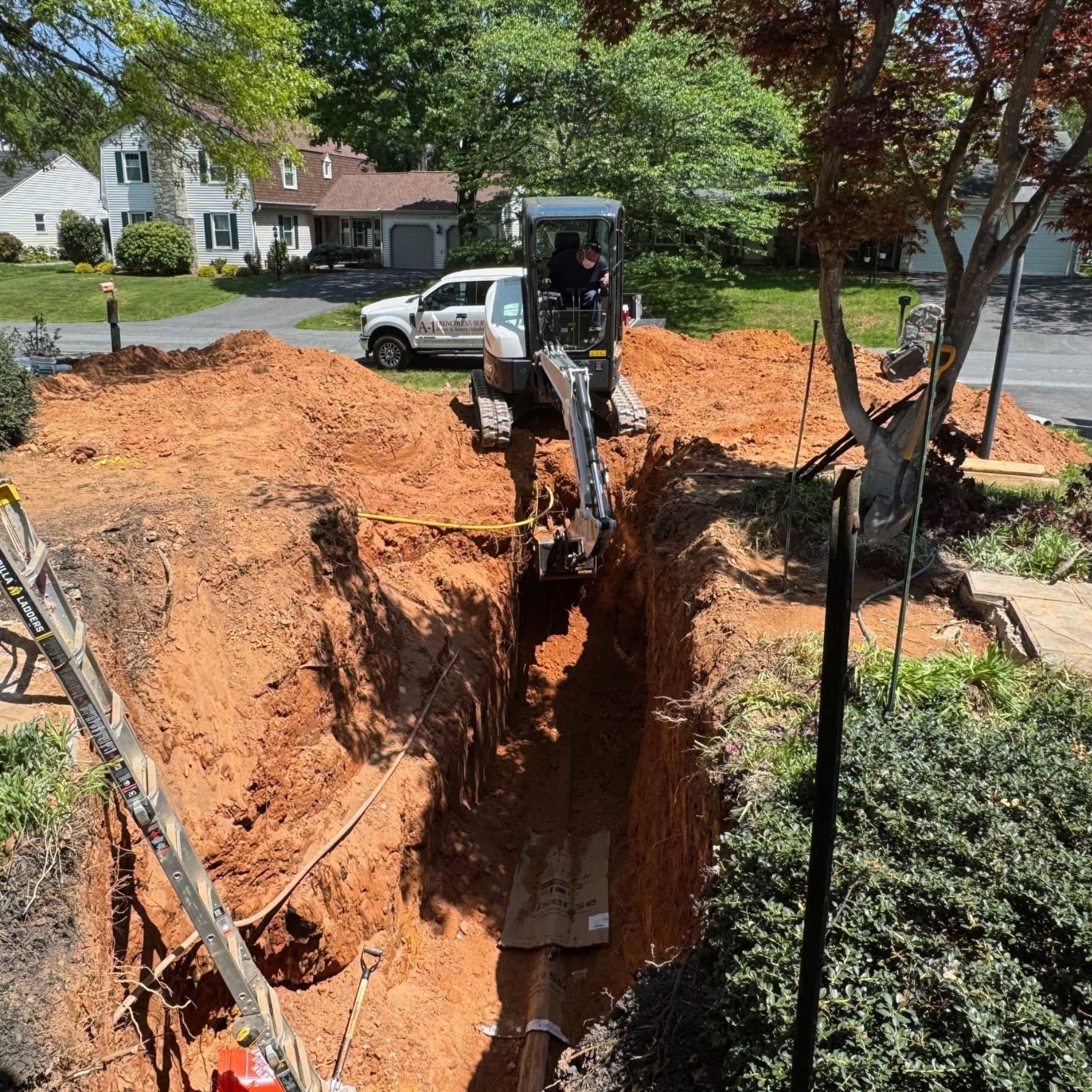
It is also smart to schedule service during lower-traffic hours when possible. Some maintenance work can be completed with minimal interruption, especially when the contractor arrives prepared with the right equipment and a clear scope. If inspection reveals a damaged underground pipe, trenchless repair options may reduce excavation, preserve surrounding pavement or landscaping, and shorten the disruption compared with conventional digging in appropriate situations.
Maintenance Protects More Than Your Pipes
Reliable drains support customer confidence, employee safety, and tenant satisfaction. They help keep restrooms open, kitchens operational, service areas clean, and common spaces free from unpleasant odors. For managers responsible for multiple locations or older buildings, documented inspections and maintenance can also provide a clearer record of system condition over time.
A-1 Trenchless Water & Sewer Repair Services LLC uses advanced inspection and drain service equipment to help commercial property owners identify the right solution without unnecessary guesswork. Whether the need is routine cleaning, hydro jetting, descaling, video inspection, or a repair plan for a damaged line, the goal is the same: restore dependable flow while protecting the property and its operations.
The most useful time to address a drain problem is when it is still a warning sign, not a shutdown. A consistent maintenance schedule gives your property a better chance to stay clean, open, and ready for business.
First published . Written by the A-1 Trenchless team.