A drain that keeps slowing down after you clear it once is usually not a random plumbing annoyance. In many older homes and buildings, that pattern is one of the earliest cast iron pipe scaling symptoms, and it often points to a pipe that is narrowing from the inside out.
Cast iron sewer and drain lines were built to last, but they do not stay smooth forever. Over time, moisture, waste, and normal corrosion can create rough scale along the interior pipe wall. That buildup catches debris, reduces flow, and turns a working drain system into a recurring problem. For property owners, the real issue is not just the clog you can see. It is the pipe condition causing it.
What cast iron pipe scaling symptoms usually look like
Scaling does not always announce itself with a major backup on day one. More often, it starts with changes that seem minor at first. A sink drains a little slower than it used to. A tub holds water longer. A floor drain smells bad even when the room is clean. These are common cast iron pipe scaling symptoms because the inside of the pipe is becoming rough, uneven, and restricted.
One of the clearest warning signs is recurring clogs in the same line. If a drain gets snaked, improves briefly, and then slows down again, the blockage may not be the main problem. Scale can leave so little open space inside the pipe that normal waste, grease, soap residue, and paper catch more easily. In that case, a basic cleaning may restore flow for a short time without solving the narrowing pipe.
You may also notice multiple fixtures acting up at the same time. When one sink is slow, the issue could be local. When a toilet, tub, and sink on the same branch all start draining poorly, the restriction may be deeper in the cast iron system. Gurgling sounds are another clue. Air struggles to move properly through a partially blocked drain line, so fixtures may bubble or make noise when water passes through.
Bad odors are also worth taking seriously. Scale itself is not just a hard coating. It creates rough pockets where waste can hang up and decay. That trapped material can produce sewer-like smells, especially in lower-use drains or basement areas. If the odor keeps returning after surface cleaning, the problem may be inside the line rather than in the room.
Why scaling in cast iron pipes gets worse over time
Cast iron ages differently than newer pipe materials. Instead of staying relatively smooth inside, it can corrode and form a thick, crusty buildup. That buildup reduces diameter and creates a surface that grabs onto passing debris. Once that process begins, the pipe usually does not improve on its own.
This is where many property owners lose time and money. They treat each clog as a separate event. The kitchen drain is slow, then the basement line backs up, then the toilet starts bubbling. Each issue may seem isolated, but scaling often connects them. If the pipe interior is deteriorating, clogs become easier to form and harder to clear completely.
It also depends on the age and use of the system. An older home with decades of use may have heavy internal scale even if there is no visible exterior damage. Commercial properties can see the same problem faster when drain lines handle higher volume or grease-heavy waste. In both cases, the symptoms usually become more frequent before they become urgent.
Signs the problem may be more than a routine clog
A routine clog usually has a clear cause and a limited effect. One fixture drains poorly, and once it is cleared, the problem stays gone. Scaling behaves differently. It tends to create repeat problems, wider drain performance issues, and gradual decline.
If water backs up in one fixture when another is used, that is a sign the line may be restricted enough to force water to seek another path. For example, running a washing machine may cause a nearby floor drain to overflow, or flushing a toilet may affect a tub. Those symptoms suggest the system is not moving wastewater efficiently.
Frequent drain cleaning calls are another signal. If you have had the same line serviced more than once within a relatively short period, it is worth asking whether pipe scale is contributing to the issue. The answer often comes from a camera inspection, not guesswork. Looking inside the line shows whether the pipe has heavy scaling, channeling, cracks, or sections that are close to failure.
There is also a difference between scale and full structural damage, and that matters. Some cast iron lines can be descaled and restored to better flow. Others are too deteriorated and may need repair or replacement. The only safe way to tell is to inspect the line and evaluate how much wall thickness and integrity remain.
How plumbers confirm cast iron pipe scaling symptoms
The best diagnosis usually starts with a sewer camera inspection. A camera allows a trained technician to see whether the pipe has rust scale, grease accumulation, offset joints, cracks, root intrusion, or collapsed sections. That distinction matters because the right fix depends on the real condition underground.
If the camera shows heavy internal buildup but the pipe still has usable structure, pipe descaling may be the next step. Mechanical descaling or hydro jetting can remove corrosion buildup and restore internal diameter. In the right situation, that improves flow dramatically and can reduce recurring clogs. But this is not a one-size-fits-all decision. Extremely fragile or failing cast iron may not be a good candidate for aggressive cleaning.
That is why professional evaluation matters. A dependable contractor does not just clear the symptom and leave you guessing. They identify whether the line can be cleaned, whether trenchless repair is a better option, or whether a more conventional replacement is the safer long-term move.
When to act on cast iron pipe scaling symptoms
You do not need to wait for sewage on the floor to take this seriously. In fact, the best time to act is when the warning signs are still manageable. Slow drains, repeat clogs, foul odors, gurgling fixtures, and backups affecting multiple drains all justify a closer look.
Acting early can protect more than the pipe itself. Drain and sewer problems can disrupt bathrooms, kitchens, tenants, business operations, and everyday routines. The longer scale buildup restricts flow, the greater the chance that wastewater will back up where you do not want it.
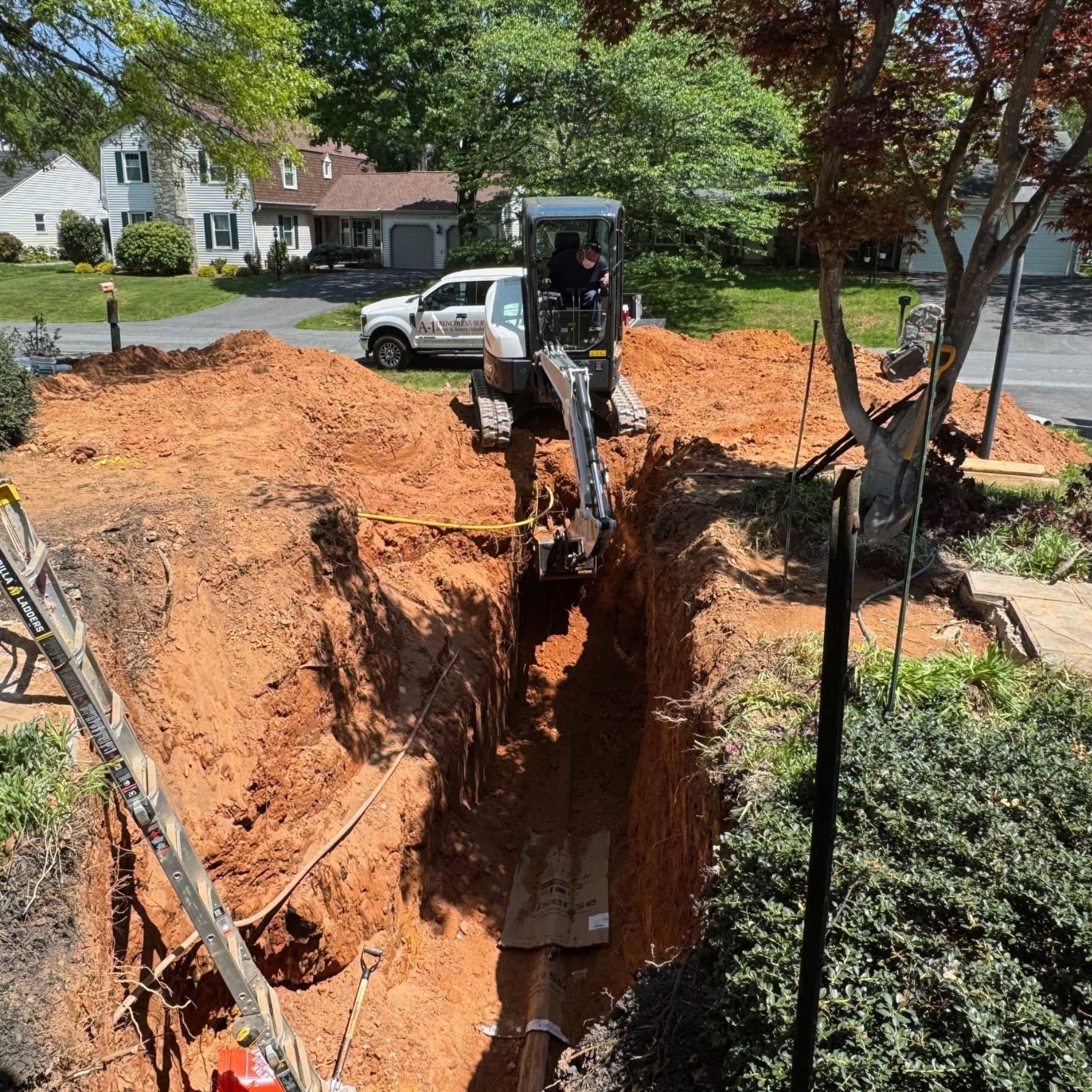
Early action can also expand your repair options. If a line is caught while it is still structurally serviceable, cleaning and maintenance may buy meaningful time. If damage is more advanced, trenchless repair or targeted replacement may still prevent a larger excavation and a more disruptive project. Waiting usually narrows those options rather than improving them.
What property owners in older homes should keep in mind
Older homes in the Damascus area and surrounding communities often have original or aging drain infrastructure. That does not automatically mean the system is failing, but it does mean recurring drain issues should not be brushed off as normal. Age changes the probability. A home with cast iron piping deserves a more careful look when symptoms start repeating.
The same goes for commercial and multi-unit properties. One slow drain can quickly become a tenant complaint, a sanitation concern, or an operational issue. A camera inspection and a clear plan can save time, reduce disruption, and help avoid emergency conditions that are always harder to schedule around.
At A-1 Trenchless Water & Sewer Repair Services LLC, this is why we focus on diagnostics first. Advanced inspection equipment, practical recommendations, and minimally invasive repair options give property owners a clearer path forward instead of another temporary fix.
If your drains have changed their behavior and the same problems keep coming back, trust that pattern. Cast iron pipe scaling symptoms are often the system’s early warning that flow is being restricted and the pipe needs real attention before a slow drain turns into a much bigger repair.
First published . Written by the A-1 Trenchless team.