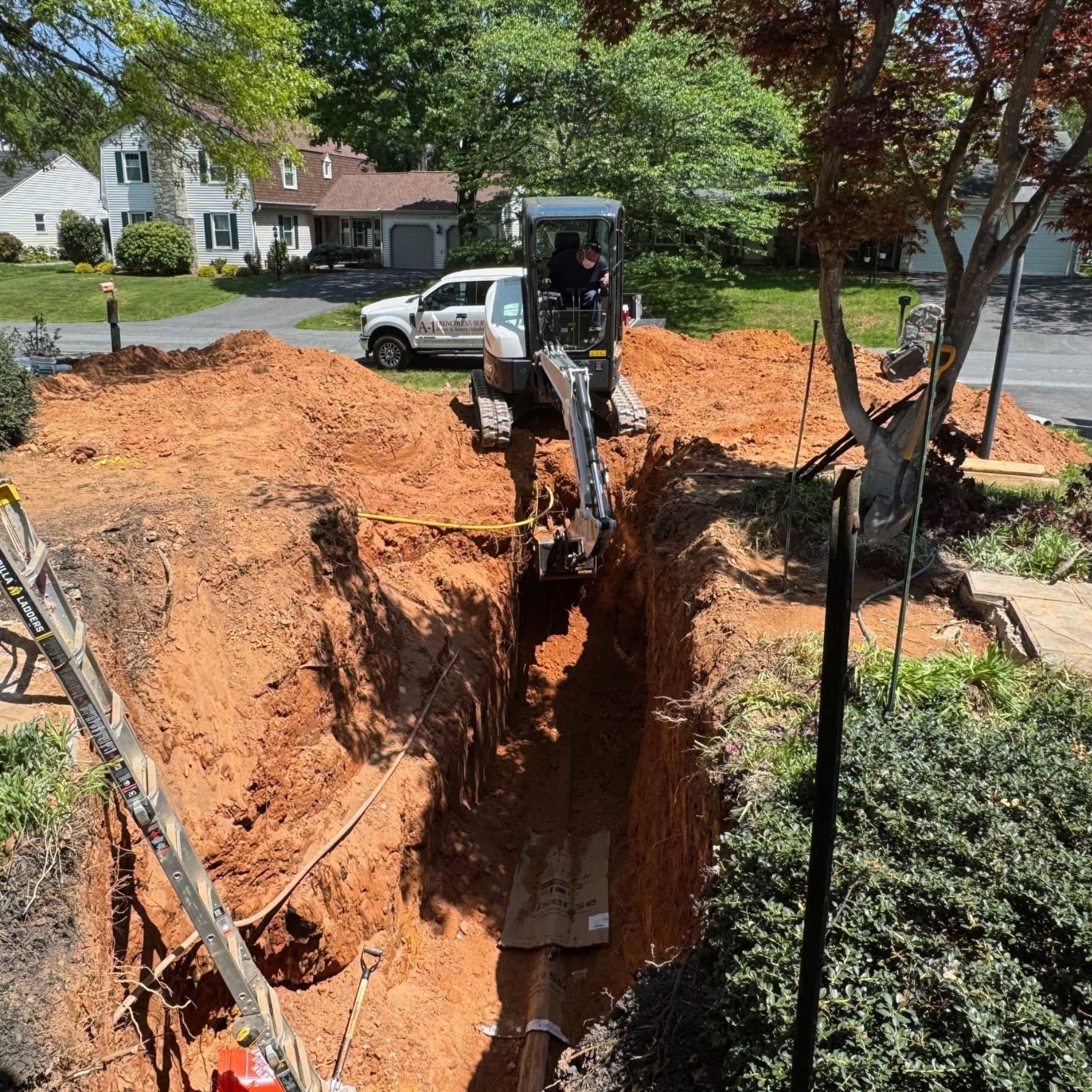
A water bill that climbs without explanation, a damp strip of grass that never dries, or recurring rusty water can point to a problem far below the surface. This guide to underground pipe corrosion helps Damascus-area property owners understand what is happening, what warning signs deserve fast attention, and how a professional inspection can prevent a small pipe defect from becoming a major water or sewer line failure.
Underground pipes are out of sight, but they should not be out of mind. Corrosion can weaken a line gradually for years before it creates a leak, restriction, sewer backup, or sudden break. The right response is not to guess or dig up the entire yard. It is to identify the pipe material, pinpoint the damaged section, and choose a repair method that protects both the property and the budget.
What Underground Pipe Corrosion Actually Does
Corrosion is the deterioration of metal pipe caused by its environment. Moisture, oxygen, soil chemistry, electrical currents, and the water moving through the line can all contribute. As metal breaks down, pipe walls become thinner and rougher. Small pits can form, eventually becoming pinhole leaks or larger openings.
On water lines, corrosion often restricts flow before the pipe leaks. Mineral buildup and rust reduce the inside diameter of the pipe, so showers lose pressure, fixtures receive less water, and appliances may take longer to fill. In severe cases, corroded pipe material can affect water color or leave reddish-brown stains in sinks and tubs.
On sewer and drain lines, the issue may look different. Older cast-iron pipe can corrode from the inside as wastewater gases and moisture attack its walls. Scale, rust flakes, and rough surfaces catch debris, leading to repeated clogs. If the pipe has deteriorated enough, it may crack, develop holes, or allow roots and soil to enter.
Why Pipes Corrode Underground
There is rarely one simple cause. A pipe that performs well in one neighborhood may deteriorate faster in another because local conditions are different. That is why a camera inspection and proper diagnosis matter before deciding on repair or replacement.
Soil Conditions and Moisture
Certain soils hold moisture longer or contain salts, sulfates, and other compounds that accelerate corrosion. Constantly wet soil around a pipe can be especially hard on older metal lines. Poor drainage, a nearby water leak, or changing groundwater conditions can keep the exterior of the line exposed to moisture for extended periods.
Pipe Material and Age
Galvanized steel, cast iron, and some older copper lines are more likely to develop age-related corrosion. Galvanized water pipes, common in older properties, can rust internally as their protective zinc coating wears away. Cast-iron sewer lines may become scaled, pitted, and thin after decades of use.
Age alone does not tell the entire story. A well-installed pipe in favorable soil may last longer than expected, while another pipe of the same age may fail early. Still, properties with original underground metal piping deserve closer attention when changes in pressure, drainage, or water quality begin to appear.
Stray Electrical Current
Electrical currents in the ground can accelerate metal deterioration. This is sometimes called electrolysis. It can be associated with grounding issues, nearby utilities, or improper connections between dissimilar metals. Because the cause is not visible from the surface, repeated pinhole leaks or unusually rapid deterioration should be evaluated by qualified professionals rather than treated as isolated plumbing events.
Internal Water Chemistry and Use
The water inside a supply pipe also affects its condition. Mineral-heavy water can leave deposits that narrow the line. Water chemistry, temperature, and how often the line is used can influence the rate of internal corrosion. For drain and sewer pipes, grease, debris, harsh chemical drain cleaners, and wastewater exposure can worsen existing roughness and scale.
Warning Signs That Call for an Inspection
Underground corrosion does not always create an obvious emergency at first. Catching the signs early can limit water damage, landscape disruption, and repair costs. Homeowners and facility managers should pay attention to changes that persist or return after a temporary fix.
Common signs include:
- Unexplained increases in water usage or monthly water bills
- Low or uneven water pressure at multiple fixtures
- Rust-colored, cloudy, or metallic-tasting water
- Wet spots, unusually green grass, soft soil, or pooling water outdoors
- Recurring drain clogs, sewer odors, slow drains, or backups
- Cracks in pavement, settling soil, or persistent moisture near utility routes
A single slow drain may be a local blockage, and discolored water after nearby utility work may be temporary. However, several symptoms together, especially in an older home or building, justify a professional evaluation. Repeatedly clearing a clog or patching a leak without addressing pipe condition can lead to more disruption later.
How Professionals Find Corrosion Without Unnecessary Digging
The goal of a proper diagnosis is to locate the problem accurately before recommending work. Advanced inspection tools make that possible with far less guesswork than traditional dig-and-search methods.
For sewer and drain lines, a video camera inspection can show scaling, corrosion, cracks, offsets, root intrusion, and standing water inside the pipe. The technician can determine whether a restriction is a cleanable buildup, a localized defect, or evidence that the pipe is failing along a larger section.
For suspected underground water line leaks, technicians may use pressure testing, leak-detection methods, and utility-location equipment to narrow down the affected area. The pipe material, age, routing, and symptoms all help shape the recommendation. In some cases, a targeted excavation is the most practical approach. In others, trenchless repair or replacement can preserve more of the lawn, driveway, sidewalk, or landscaping.
Repair or Replace? The Answer Depends on Pipe Condition
A repair can make sense when corrosion is limited to one accessible section and the rest of the pipe remains structurally sound. A localized leak, damaged fitting, or isolated break may be corrected without replacing the entire run.
Replacement becomes the better long-term value when corrosion is widespread, the pipe has multiple weak areas, or repeated repairs are becoming routine. Replacing a failing water or sewer line can restore dependable service and reduce the risk of another emergency in a few months. It also gives property owners the opportunity to move away from outdated materials that are more vulnerable to rust and scale.
Trenchless methods may be available depending on the line, access, and type of damage. Pipe bursting can replace certain underground lines by pulling a new pipe through the path of the old one. Pipe lining may be an option for some sewer pipes with damage that is appropriate for rehabilitation rather than full excavation. Neither method is automatically the right answer. A crushed pipe, severe offset, poor access, or unsuitable pipe layout may require conventional excavation for a durable repair.
For cast-iron drain pipes that are still structurally viable, professional descaling can remove internal rust and buildup to improve flow and allow a clearer inspection of the pipe walls. Descaling is not a cure for a pipe that is already perforated or collapsing, but it can be a valuable maintenance step when used at the right time.
How to Reduce Future Corrosion Risk
No property owner can control every underground condition, but practical maintenance can reduce surprises. Avoid pouring grease, harsh chemicals, or materials that do not belong in drains. Schedule drain cleaning before recurring buildup becomes a backup, and address small leaks promptly so surrounding soil does not remain saturated.
If your home has older galvanized, cast-iron, or copper piping, keep records of repairs, inspections, and pipe locations. Those details help identify whether problems are isolated or part of a larger pattern. For commercial properties, routine camera inspections can be especially useful because a sewer interruption can affect tenants, employees, customers, and daily operations.
When an inspection finds corrosion, ask clear questions: Is the damage localized or widespread? Is the pipe still structurally sound? What repair options protect the property with the least disruption? What is the expected life of each option? Straight answers allow you to compare immediate cost with long-term reliability.
A-1 Trenchless Water & Sewer Repair Services can inspect underground water, sewer, and drain lines with modern diagnostic equipment and explain the practical options for your property. Acting before a corroded line becomes a full failure gives you more control over the schedule, the repair approach, and the condition of your home or business.
First published . Written by the A-1 Trenchless team.