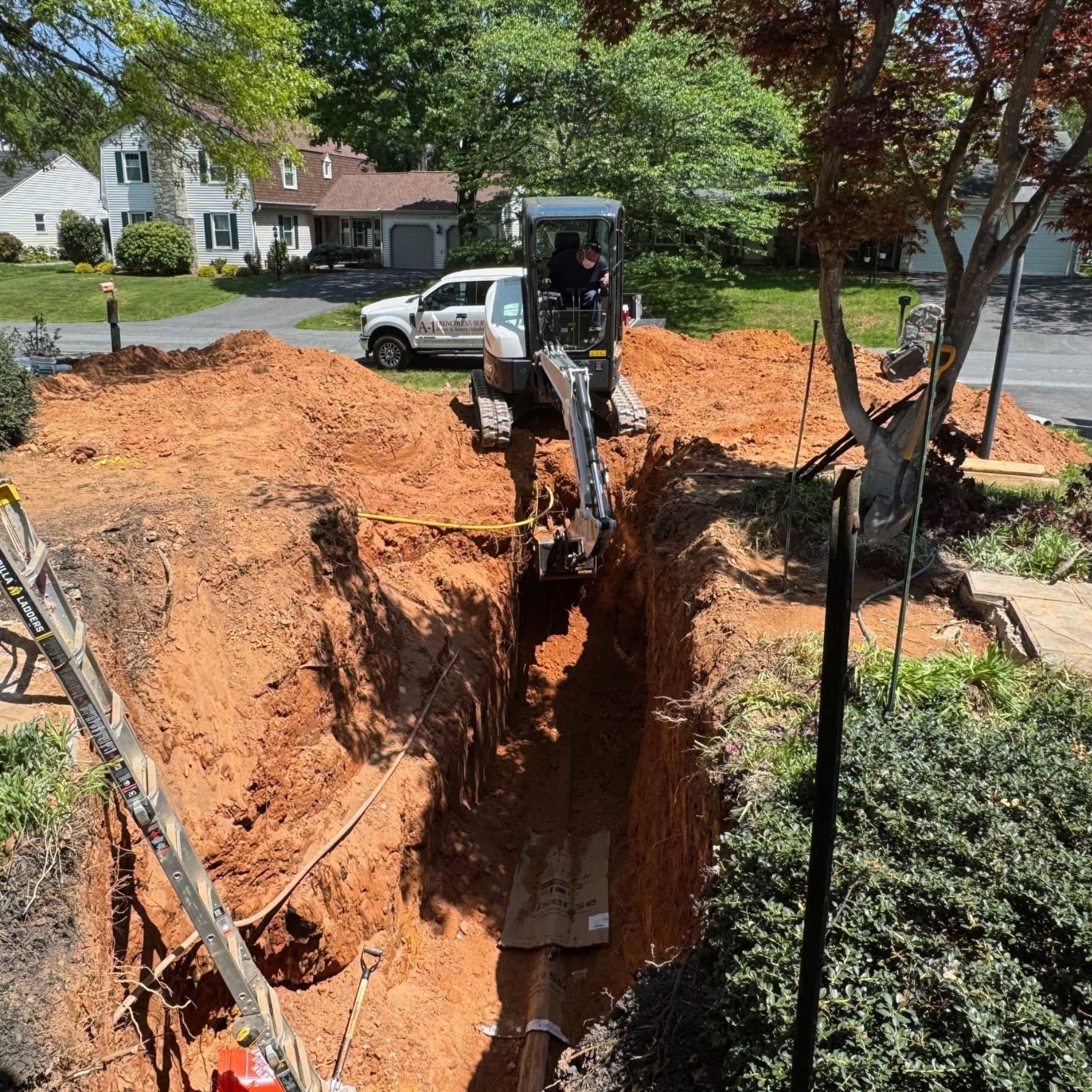
A backed-up floor drain in a commercial building rarely stays a small problem for long. In this commercial drain blockage case study, the issue started with slow drainage in a service area and turned into standing water, odors, and a growing risk of shutdown if the line was not cleared quickly.
For facility managers and property owners, this is the real pressure point. The plumbing problem matters, but the business interruption matters just as much. When drains fail in a restaurant, retail center, office building, warehouse, or mixed-use property, every hour of delay can affect staff, customers, sanitation, and revenue.
The commercial drain blockage case study setup
The property was a small commercial building with multiple tenants and a shared drain line serving restrooms and a rear utility area. Staff had reported recurring slow drains for several weeks. A general snaking attempt provided temporary relief, but the backup returned within days. By the time a plumbing specialist was called in, one floor drain was holding water and another was gurgling when nearby fixtures were used.
That pattern told an important story. This was probably not a simple local clog sitting just below one drain. The symptoms suggested a deeper restriction in the branch line or main building drain, where wastewater from several fixtures was competing for limited space.
In commercial settings, that difference matters. A basic clog near one sink can often be cleared quickly. A heavy buildup or obstruction farther down the line may need a more complete diagnostic process and a stronger cleaning method to prevent repeat problems.
What made this blockage different
A lot of commercial drain problems build slowly. Grease, soap residue, paper products, sediment, scale, and debris collect over time. In older lines, corrosion and rough pipe walls can make buildup happen faster. In higher-use buildings, even a partly narrowed pipe can become a major operational issue because the system never gets much downtime.
In this case, the building had two factors working against it. First, the drain line handled frequent daily use from multiple occupants. Second, earlier spot-cleaning had addressed the symptom, not the full condition of the pipe. That is common when a line is snaked just enough to reopen flow without removing the material coating the pipe walls.
The result is a short-term fix that feels successful at first, then fails again as debris catches on the remaining buildup. For a commercial property, that cycle gets expensive fast.
The first step was not guessing
The response began with a visual inspection of the affected drains and cleanout access, followed by camera inspection of the drain line. This is where many commercial jobs are won or lost. If the contractor starts clearing without understanding pipe condition, the property owner may get movement in the line but not a dependable result.
The camera showed a heavy layer of grease and sludge buildup along a significant section of the pipe, with a near-complete blockage at one low point. There was no immediate evidence of a collapsed line, which was good news. However, the pipe walls also showed early scaling and attached residue that would likely cause future clogs if not cleaned thoroughly.
That changed the plan. A cable machine alone might punch a path through the blockage, but it would not fully scour the pipe. For this situation, hydro jetting was the better fit.
How the blockage was cleared with minimal disruption
Commercial properties need more than a technical fix. They need a repair strategy that respects operating hours, tenant access, and sanitation requirements. The work here was scheduled to reduce disruption to building activity, and the drain line was isolated as much as possible during service.
Hydro jetting was used to break apart the blockage and wash the buildup from the interior pipe walls. This method uses high-pressure water to clean the line more completely than standard snaking in many cases. It is especially effective when grease, sludge, and soft debris are the main issue.
There are trade-offs, and this is where experience matters. Hydro jetting is powerful, but it is not automatically the right answer for every pipe. If a line is severely damaged, brittle, or partially collapsed, jetting may need to be delayed until the pipe condition is confirmed. That is why camera work comes first.
In this case, the line condition supported jetting, and the cleaning was successful. Once the blockage was removed, the camera was run again to verify that flow had been restored and to check whether any structural defects had been hidden behind the debris.
What the post-cleaning inspection revealed
After cleaning, the line was open and draining properly, but the camera still showed moderate scale along several sections. The immediate emergency was over, yet the inspection also made it clear that the building would benefit from preventive maintenance and possibly pipe descaling in the future.
That is an important point for commercial clients. Restoring flow and solving the larger reliability issue are not always the same thing. Sometimes the best decision is to clear the emergency now and plan the next step before another backup happens.
Results from this commercial drain blockage case study
The most immediate result was restored drainage across the affected fixtures. Floor drains cleared, wastewater moved normally, and the odor problem dropped off once standing water and trapped waste were removed. Just as important, the property avoided a longer interruption that could have affected tenants and daily operations.
The second result was clarity. The camera inspection did not just help solve the current backup. It gave the property owner a documented view of what was happening inside the line, which made the repair recommendation easier to understand and approve.
That matters in commercial plumbing because decision-makers are often balancing budget, timing, liability, and tenant expectations all at once. A clear diagnosis helps remove guesswork and prevent spending money on the wrong fix.
The third result was a better long-term plan. Instead of waiting for the next emergency, the owner had a practical path forward: monitor the line, schedule maintenance based on usage, and address scaling before it turned into another high-priority service call.
Why commercial drain backups keep coming back
Recurring commercial clogs usually point to one of three issues. The line is being cleaned incompletely, the pipe condition is encouraging buildup, or the system is undersized or stressed by the way the building uses it. Sometimes it is a combination.
This is why a one-size-fits-all drain cleaning approach often falls short. A retail restroom line may behave very differently from a restaurant kitchen line. An older office building with scaled cast iron piping may need a different plan than a newer property with PVC drains but poor maintenance habits.
For facility managers, the practical lesson is simple. If a blockage returns after a recent service, do not assume it was bad luck. Repeated slow drains, odors, bubbling, or backups usually mean the underlying cause is still in the system.
When emergency service is enough, and when it is not
Sometimes a commercial backup is truly isolated. A foreign object, a local paper blockage, or a single fixture issue may be resolved with straightforward cleaning. If the line is in good shape and the symptoms stop, further work may not be necessary right away.
But if the building has a history of repeat clogs, multiple fixtures are affected, or camera footage shows scaling, grease accumulation, root intrusion, or damage, the smarter move is to treat the event as a warning. Delaying the next step can lead to more cleanup costs, more downtime, and a bigger repair later.
That is where a company like A-1 Trenchless Water & Sewer Repair Services LLC brings real value. Fast diagnostics, drain cleaning, hydro jetting, camera inspection, and minimally invasive repair options give commercial property owners a way to solve the immediate problem without losing sight of the bigger picture.
What this case study means for property owners
The lesson from this commercial drain blockage case study is not just that the line was cleared. It is that the right sequence made the difference. Inspection came before assumptions. Cleaning matched the actual condition of the pipe. Verification happened after the work. And the owner left with both restored service and a realistic maintenance outlook.
That approach protects more than plumbing. It protects operations, tenant confidence, and the property itself. Commercial drain problems do not usually announce themselves at a convenient time, but they are easier to control when the response is quick, informed, and focused on lasting results.
If your building has recurring slow drains, foul odors, or backups that keep returning after basic cleaning, treat that pattern as useful information. The sooner the line is properly inspected and cleaned, the better your chances of avoiding a mess that disrupts the entire property.
First published . Written by the A-1 Trenchless team.