If your home has older plumbing and the drains have started gurgling, backing up, or leaving rusty stains around fixtures, this cast iron drain replacement guide is the place to start. Cast iron was built to last, but it does not last forever. Once corrosion takes hold inside the pipe, problems tend to show up in clusters, slower drains, recurring clogs, bad odors, and eventually leaks or sewer backups.
For many property owners, the hard part is not realizing there is a problem. It is figuring out whether the pipe can be cleaned, repaired, or whether replacement is the smarter investment. That decision matters because drain work affects your budget, your schedule, and in some cases your floors, yard, or business operations.
Why cast iron drains fail
Cast iron drain lines were common in older homes and commercial buildings because they were strong, quiet, and dependable for decades. The issue is age and chemistry. Over time, wastewater, soap, grease, and normal moisture exposure wear down the interior wall of the pipe. What starts as surface scaling can turn into rough buildup that catches debris. As that buildup grows, the drain diameter shrinks and blockages become more frequent.
Corrosion can also weaken the pipe wall itself. When that happens, you may see cracks, pinhole leaks, joint separation, or sections that begin to sag. In buried lines, the surrounding soil can shift as leaks develop, which can make the problem worse. Inside a slab or crawl space, hidden deterioration may go unnoticed until there is water damage, foul smell, or a backup that disrupts the entire property.
This is why a simple clog is not always simple in an older cast iron system. Clearing the line may restore flow for the moment, but it will not reverse the metal loss inside the pipe.
Signs you may need replacement instead of another cleaning
One slow drain by itself does not always mean the main cast iron line is failing. A local blockage near a sink or tub can often be resolved with standard drain cleaning. The bigger concern is a pattern of issues that keeps coming back.
If multiple drains are sluggish, backups happen repeatedly, or sewage odors show up around floors, walls, or outside cleanouts, the problem may be deeper in the system. Rust-colored water around drain openings, bubbling in toilets, or water stains near lower-level plumbing are also common warning signs. In commercial settings, recurring interruptions in restrooms or floor drains usually point to a line condition that needs more than routine maintenance.
A sewer camera inspection is often the turning point. It shows whether the pipe is simply obstructed or whether the interior is heavily scaled, cracked, offset, or collapsing. That visual proof helps remove guesswork and makes it easier to choose the right fix.
Cast iron drain replacement guide: repair or full replacement?
The right answer depends on the condition of the pipe, the location of the damage, and how much useful life remains in the system. If the cast iron line has isolated trouble spots but the surrounding pipe is still structurally sound, a targeted repair may be enough. That is sometimes the case when one section has cracked, a joint has failed, or roots have entered at a specific location.
If the camera inspection shows widespread corrosion, heavy scale throughout the line, recurring channel rot in the bottom of the pipe, or multiple compromised sections, full replacement is usually the better value. It costs more upfront than another cleaning, but it avoids the cycle of repeated service calls, water damage, and emergency disruptions.
There is also a middle ground. Some cast iron systems benefit from descaling first, especially when the pipe wall is still strong enough to remain in service or qualify for a trenchless lining approach. Descaling removes interior buildup so the line can be evaluated more accurately. In some cases, it improves flow enough to buy time. In other cases, it confirms that replacement should happen soon.
What replacement options are available
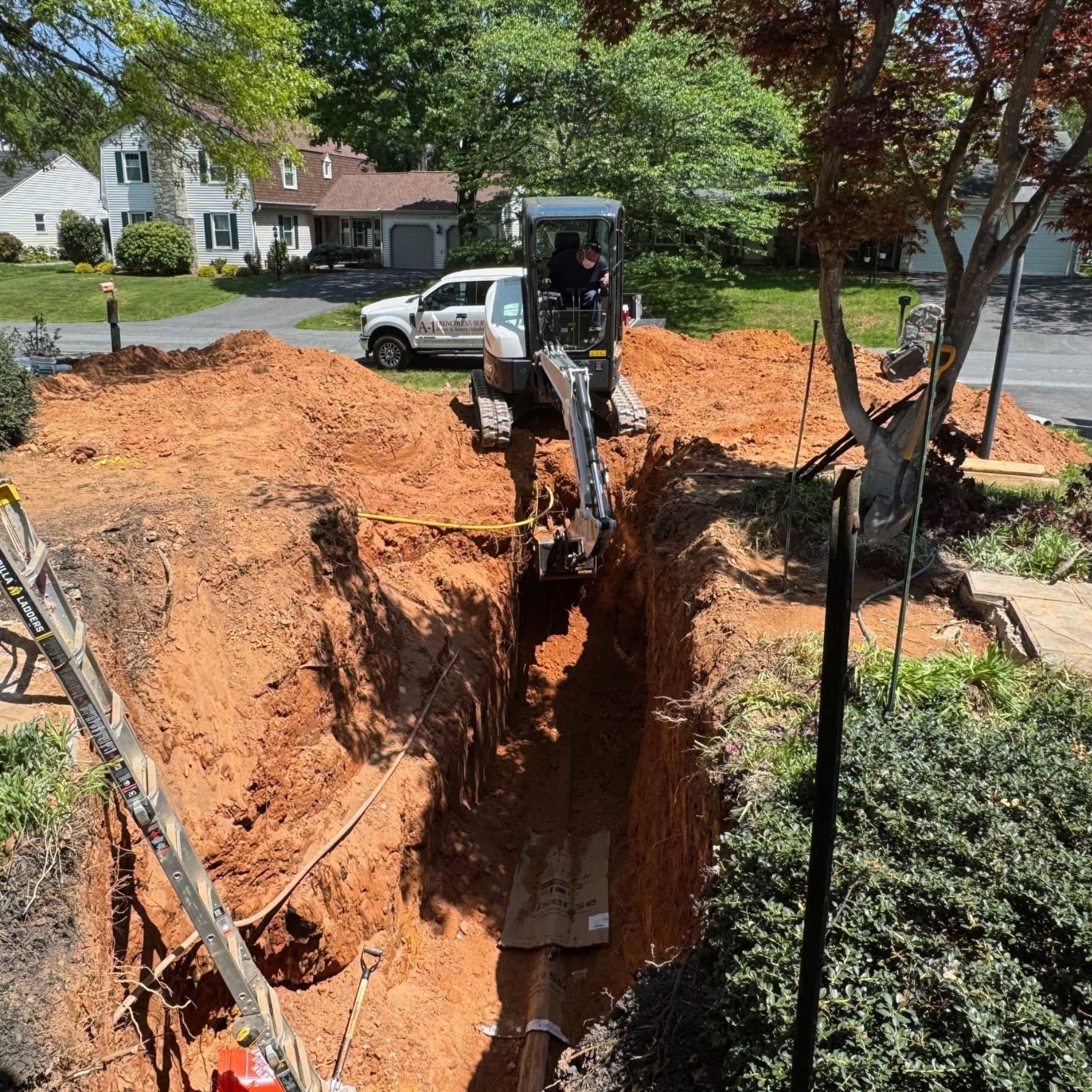
Traditional excavation is still a valid method in many situations. If a pipe has fully collapsed, if sections are badly misaligned, or if access conditions make trenchless work impractical, digging may be necessary. The benefit is direct access to the damaged line and the ability to replace it fully with new material. The downside is disruption. Depending on where the pipe runs, that can mean cutting concrete, trenching through landscaping, or interrupting parking and access.
Trenchless options can reduce that disruption significantly when the line condition and layout allow for them. Pipe lining may work when the existing host pipe still has enough shape and integrity to support a cured-in-place liner. Pipe bursting may be an option when the old line needs to be broken apart and replaced along the same path. These methods are not right for every drain problem, but when they fit, they can shorten timelines and help preserve lawns, driveways, and other surfaces.
For homeowners and facility managers, the practical takeaway is simple: replacement does not always mean your whole property gets torn up. Modern diagnostics and trenchless methods have changed that conversation.
What affects project cost
The price of cast iron drain replacement varies widely because no two systems fail the same way. Length is a major factor. Replacing a short branch line under a bathroom is very different from replacing a main sewer lateral running across a yard or under a slab. Accessibility also matters. Pipes under concrete, inside walls, or beneath finished areas typically require more labor than exposed lines in a basement or crawl space.
The method used will influence cost as well. Conventional excavation may be less expensive in a very open area but more expensive when restoration is extensive. Trenchless work can reduce surface damage and restoration time, though the equipment and setup are specialized. The final number may also include camera inspection, descaling, permits, cleanout installation, and surface restoration.
The cheapest proposal is not always the most affordable result. A low bid that skips diagnostics or only addresses part of the failing line can leave you paying again sooner than expected. A clear scope of work matters more than a vague estimate.
What to expect during the replacement process
A professional job starts with inspection, not assumptions. The line should be assessed with a sewer camera and, when needed, located precisely so the repair plan matches the actual problem. That step protects you from unnecessary digging and helps determine whether trenchless, spot repair, or full replacement makes sense.
Once the scope is confirmed, the crew will discuss access, timing, and how the work will affect normal plumbing use. In some homes, water service inside the property can continue with only short interruptions. In other cases, certain fixtures may need to stay out of service during active work. For commercial sites, coordinating around business hours or operational needs is often part of the plan.
After replacement, the line should be tested and inspected again to confirm proper flow and connection quality. Good contractors also explain what was found, what was replaced, and whether any remaining sections should be monitored in the future.
How to choose the right contractor for cast iron drain replacement
This is not a job to hand off to guesswork. You want a licensed and insured plumbing and sewer specialist with experience in underground diagnostics, not just basic drain clearing. Ask how they determine whether a pipe can be repaired or needs replacement. Ask whether they offer trenchless options when appropriate. Ask what kind of post-repair verification they provide.
Clear communication matters just as much as equipment. A dependable contractor should be able to explain the issue in plain language, outline the trade-offs, and provide a realistic picture of timeline, disruption, and cost. If financing is important for moving quickly on a major repair, that should be part of the conversation too.
In Damascus and surrounding areas, companies such as A-1 Trenchless Water & Sewer Repair Services LLC are often called when property owners want that combination of fast response, modern inspection tools, and solutions that protect the property as much as possible.
When waiting makes the repair harder
Cast iron drain problems rarely improve on their own. A line that is heavily corroded may keep working just well enough to delay action, but every backup, leak, or hidden seep puts more stress on the property. Floors, drywall, foundations, and landscaping can all become part of the repair cost if the pipe is left to fail completely.
If you are seeing repeat drain issues in an older property, the best next step is not another temporary fix. It is getting the line properly inspected so you know whether cleaning, descaling, repair, or replacement will actually solve the problem. Acting early usually gives you more options, less disruption, and a better chance of fixing the issue on your schedule instead of during an emergency.
A drain line should not be something you have to think about every week. The right repair plan gives you your routine back.
First published . Written by the A-1 Trenchless team.