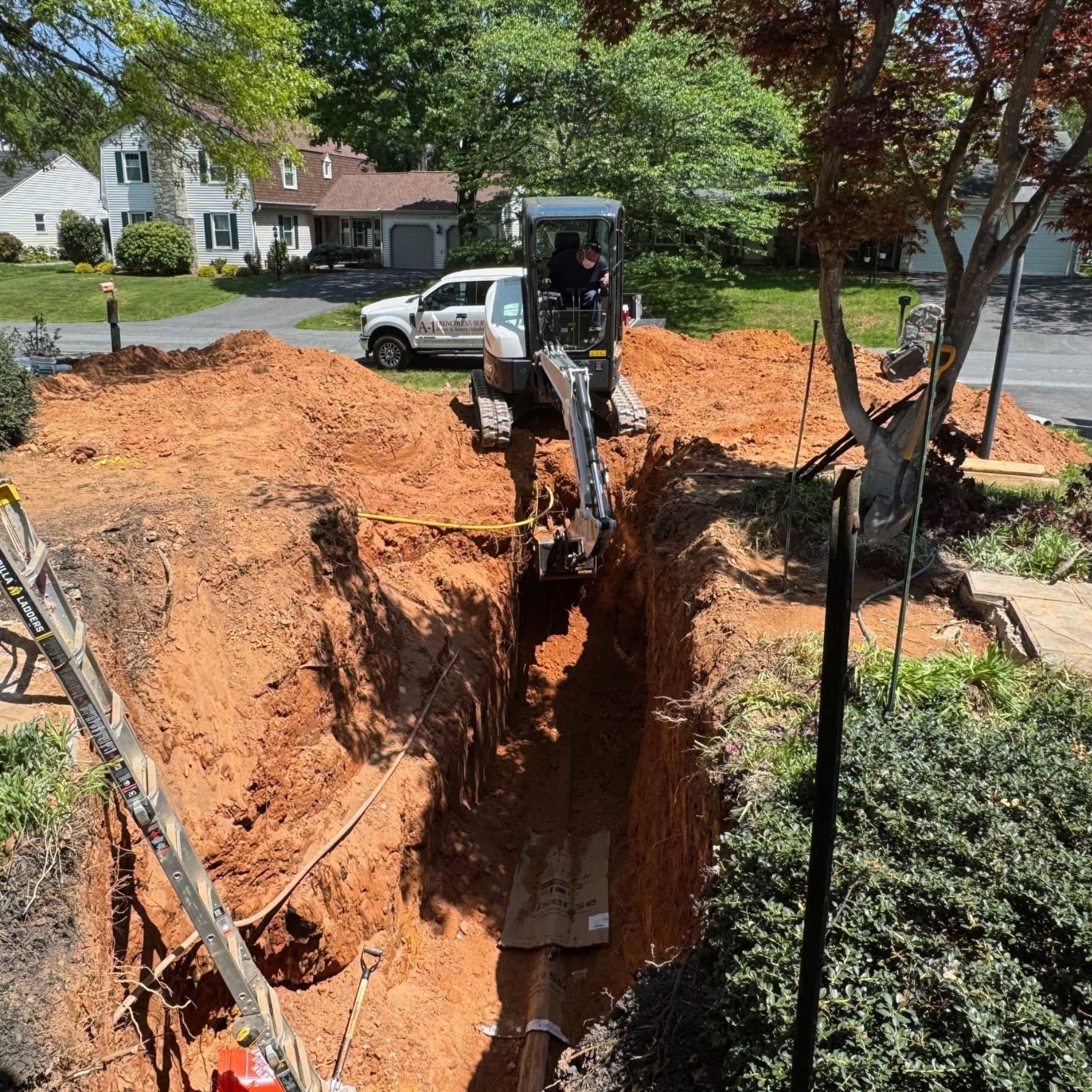
What if the source of your recurring drainage issues isn’t just a simple clog, but a biological clock ticking beneath your home? For many homeowners, dealing with persistent cast iron pipe problems feels like a losing battle against gravity and time. You have likely spent hundreds on temporary snaking or chemical cleaners, only to have the same backup return a month later. It’s frustrating to live with the constant anxiety that the next flush might result in a messy sewage backup, especially when you’re worried about a contractor digging a massive trench through your prize-winning landscaping.
I’m here to tell you that a failing sewer line doesn’t have to mean a destroyed yard or a budget-breaking excavation. You deserve a permanent fix that respects your property. This guide will show you exactly how to identify the early warning signs of pipe degradation and why traditional methods aren’t your only option in 2026. We will explore modern restoration techniques that allow us to repair your lines from the inside out. You’ll learn the difference between simple cleaning and permanent restoration, giving you the confidence to choose a solution that protects both your home and your peace of mind.
Key Takeaways
- Understand why Montgomery County homes built in the mid-20th century are currently reaching a critical failure point for their original plumbing.
- Learn to identify specific cast iron pipe problems, such as internal corrosion and channeling, that lead to recurring backups and structural failure.
- Discover how professional video pipe inspections provide a clear view of your sewer line’s health without any initial digging or property damage.
- Explore modern no-dig restoration techniques like pipe descaling and CIPP lining that repair your sewer lines from the inside out.
- Compare the long-term benefits of trenchless restoration against traditional replacement to protect your landscaping and your maintenance budget.
Table of Contents
- The Legacy of Cast Iron Plumbing in Maryland Homes
- 5 Most Common Cast Iron Pipe Problems Explained
- Red Flags: How to Spot Failing Pipes Before a Disaster
- Evaluating Your Options: Restoration vs Replacement
- Modern No-Dig Solutions for Cast Iron Restoration
The Legacy of Cast Iron Plumbing in Maryland Homes
In Montgomery County, the homes we cherish often hide a degrading secret beneath their foundations. For several decades, builders relied on cast iron as the primary material for sewer and drain lines. It was the gold standard for a reason. However, as we move through 2026, many of these systems are reaching a critical expiration date. Understanding the cast iron pipe problems facing local homeowners starts with looking at why these pipes were installed and what is finally causing them to fail after decades of service.
Why Cast Iron Was Originally Chosen
Builders in areas like Damascus and Bethesda preferred cast iron because it offered unmatched structural strength. It could withstand the heavy soil loads of Maryland’s clay-heavy earth without crushing or deforming. Beyond its physical toughness, it was prized for its natural fire resistance and its ability to dampen the sound of rushing water. This led to its reputation as “the quiet pipe,” a luxury that modern plastic alternatives often struggle to replicate. The history of cast iron plumbing shows it was a massive leap forward from older clay or wood systems. It provided a sense of permanence that homeowners and inspectors valued for generations.
The 2026 Turning Point for Mid-Century Plumbing
Most cast iron systems follow a predictable lifecycle that is now coming to an end for many residents. Industry experts generally view the 50-year mark as the standard benchmark for when cast iron pipe longevity begins to decline significantly. For the thousands of homes built in Maryland between the 1950s and 1970s, that clock has officially run out. We are currently seeing a surge in failures because these pipes have reached the end of their 50-to-75-year functional window. They aren’t failing because of a single accident, but because they have simply lived their full lives.
Local environmental factors accelerate this decay. Maryland’s high humidity and consistent soil moisture create a corrosive environment that attacks the metal from the outside. While the exterior battles damp earth, the interior faces a chemical transition. Decades of using harsh, acidic household cleaners have slowly eroded the iron from the inside out. This internal erosion leads to common cast iron pipe problems such as thinning walls and jagged rust deposits. For many local residents, the conversation has shifted from “if” the pipes will fail to exactly “when” they will require a professional video pipe inspection to assess the damage. Proactive monitoring is the only way to avoid a sudden, messy failure in a mid-century home.
5 Most Common Cast Iron Pipe Problems Explained
While the historical context explains why these pipes exist, the physical reality of cast iron pipe problems is often hidden from view until a major backup occurs. These issues typically fall into five specific categories that represent the natural degradation of the metal over time. Understanding these mechanisms helps you move from temporary fixes to permanent solutions.
Internal Scaling and Tuberculation
Tuberculation is a chemical process where iron oxidizes and creates jagged, barnacle-like mounds on the pipe’s interior. These rust scales don’t just reduce the diameter of the pipe. They act like Velcro for toilet paper and debris. Traditional drain snaking often fails here because the metal cable simply bounces off the hard rust or gets snagged on the jagged edges, providing only a temporary path for water. Professional pipe descaling is the modern solution for this. It uses specialized rotating tools to grind away this tuberculation and restore the pipe’s original flow capacity without damaging the remaining structure. This is especially critical for homes with mineral-rich water, which can accelerate the buildup of these restrictive deposits.
In Montgomery County, our clay-rich soil presents a unique challenge that many national guides overlook. This dense earth holds moisture against the pipe exterior for long periods, leading to external pitting and weakening. This environmental stress often leads to bell failures at the pipe joints. These old bell-and-spigot joints were sealed with oakum and lead, which eventually decay and leave gaps. Thirsty tree roots sense the moisture escaping from these joints and force their way inside, creating massive blockages that are nearly impossible to clear with standard drain cleaning methods.
Structural Failures: Channeling and Cracking
Channeling is perhaps the most deceptive of all cast iron pipe problems. Over decades, the constant flow of water along the bottom of the pipe wears away the metal, much like a river carves a canyon. Eventually, the floor of the pipe disappears entirely, leaving the water to flow directly onto the soil beneath your home. This leads to soil erosion and eventually structural cracks. According to cast iron pipeline failure statistics, earth movement and internal degradation are the leading causes of system collapse. When these pipes crack, they can cause foundation settling or even sinkholes in your yard. If you notice a sudden dip in your lawn or persistent odors, a video pipe inspection can reveal exactly which of these issues is affecting your home’s health.
Red Flags: How to Spot Failing Pipes Before a Disaster
Catching cast iron pipe problems before they escalate into a basement flood is the difference between a controlled repair and an emergency disaster. Most sewer lines don’t fail overnight. They send out subtle distress signals that homeowners often dismiss as minor quirks of an older house. If you know what to look for, you can intervene while restoration is still a viable, cost-effective option. Ignoring these signs usually leads to a much larger bill and significant property damage.
Olfactory and Visual Warning Signs
A persistent “rotten egg” smell is one of the most reliable indicators of a breach. This odor is methane gas escaping through cracks or eroded sections of the pipe. While Plumbing codes for cast iron pipes are designed to ensure sewer gases are vented safely through your roof, structural damage allows these fumes to seep into your bathrooms or basement instead. If you smell sewage, the system’s airtight seal is compromised.
Beyond the smell, look for physical changes in your home’s structure. Mold and mildew growth on walls near your vertical stack pipes often indicate a hairline fracture or a leaking joint. These damp patches provide the perfect environment for spores to thrive. In cases where structural damage becomes severe, you may need to visit TSIAC International to learn about professional demolition and abatement services for older properties. Additionally, you should watch for unexpected pest infestations. Cracks in old iron lines act like a highway for cockroaches and rodents, giving them a direct path from the municipal sewer into your living space. If your pest control efforts aren’t working, the problem might be subterranean.
Functional Symptoms and Backups
Do your drains make a distinct gurgling sound after you flush the toilet or run the dishwasher? This isn’t just “the house talking.” It’s the sound of air struggling to bypass internal scaling or root blockages. When scaling narrows the pipe, it creates a vacuum effect that pulls air through your P-traps, resulting in that signature noise. This is a precursor to a “whole house” backup, where multiple fixtures fail to drain simultaneously because the main line is obstructed. In such emergencies, or when planning vital upgrades like a new water heater, Miami 305 Plumbing provides the reliable expertise needed to keep a home’s plumbing in top condition.
Your yard can also reveal hidden cast iron pipe problems. In neighborhoods across Damascus and Bethesda, keep an eye out for “lush spots.” These are patches of grass that appear significantly greener or taller than the rest of your lawn. While they might look healthy, they’re actually being over-fertilized by leaking sewage. In severe cases of channeling, you might even notice small sinkholes or indentations where the earth has washed away into the broken pipe. If you see these signs, a professional video pipe inspection is the only way to confirm the extent of the damage before the soil settles further.
Evaluating Your Options: Restoration vs Replacement
When you’re faced with aging plumbing, the biggest question is whether you can save what you have or if you need to start over. Deciding between restoration and full replacement isn’t a matter of guesswork. It requires a clear, visual understanding of the internal structure. A video pipe inspection is the most critical tool in this process. It allows us to pinpoint exactly where cast iron pipe problems are occurring and determine if the metal still has enough structural integrity to support modern restoration techniques.
The choice often comes down to a cost-benefit analysis that extends beyond the plumbing bill. Traditional excavation requires digging a trench through your property, which can destroy mature landscaping, expensive patios, or paved driveways. Restoration aims to avoid this destruction. However, a pipe is considered “un-savable” if it has completely collapsed or if the channeling has removed so much of the pipe floor that there’s nothing left for a liner to bond to. In those rare cases, full replacement via pipe bursting or excavation becomes the only responsible path forward.
When Pipe Descaling is the Right Move
For many local homes, the first step toward a permanent fix is pipe descaling. This process involves using specialized rotating chains to safely scour away decades of rust and tuberculation. It’s a precise method that restores the pipe’s original internal diameter without thinning the already fragile walls. Descaling is essential because it prepares the surface for long-term trenchless lining. By removing the jagged mineral deposits, we ensure that a new epoxy liner can create a smooth, smooth “pipe within a pipe” that will last for decades.
The Limits of Traditional Maintenance
Many homeowners try to manage cast iron pipe problems with over-the-counter solutions, but these often do more harm than good. Chemical drain cleaners are essentially poison for aging iron. These caustic liquids can sit in the bottom of a slow-moving drain and eat away at the metal, significantly accelerating the “rotted bottom” effect of channeling. Similarly, mechanical augers or “snakes” can be a trap for older systems. A heavy metal cable spinning at high speeds can easily punch a hole through a soft, corroded section of the pipe. If you find yourself needing to snake your drains every few months, it’s time to stop maintaining a failing system and start looking into a permanent restoration.
Before you commit to a disruptive digging project, schedule a video pipe inspection to see if your sewer line is a candidate for our specialized no-dig restoration methods.
Modern No-Dig Solutions for Cast Iron Restoration
Finding out your home has significant cast iron pipe problems can feel overwhelming, but modern technology has changed the landscape of home maintenance. You no longer have to choose between a failing sewer line and a destroyed front yard. Today, trenchless sewer repair allows us to rehabilitate your plumbing from the inside, essentially resetting the clock on your home’s infrastructure without the need for heavy machinery on your lawn. This approach turns a week-long excavation project into a precise, surgical restoration.
The primary method for saving these older lines is Cured-In-Place Pipe (CIPP) lining. This technique involves inserting a flexible, epoxy-saturated tube into the existing cast iron. Once it’s in place, the liner is inflated and cured, creating a smooth, structural “pipe within a pipe.” This new inner shell is resistant to the corrosion and root intrusion that plague original iron. In cases where the original pipe is too structurally compromised for lining, we utilize pipe bursting. This method pulls a new HDPE pipe through the old one, breaking the brittle cast iron apart as it goes. Both options offer the driveway and slab advantage, which is vital for Maryland homeowners. We can fix pipes running under concrete porches, expensive pavers, or mature oak trees without ever breaking the surface.
The Trenchless Process Step-by-Step
Our methodical approach ensures that every restoration is built to last. We follow a strict three-step protocol to address your cast iron pipe problems effectively:
- Step 1: High-Definition Inspection. We begin with a specialized camera to map every crack, clog, and channeled section of your line.
- Step 2: Mechanical Prep. Using advanced descaling tools, we grind away rust and debris to ensure the interior surface is clean and ready for bonding.
- Step 3: Lining and Curing. We insert the epoxy liner and allow it to harden, forming a smooth, durable new pipe that restores full flow capacity.
Why A-1 Trenchless is the Local Expert
At A-1 Trenchless, our philosophy is “Preservation First.” We believe in saving your home’s original infrastructure whenever possible, rather than jumping straight to destructive digging. We serve the Damascus and Bethesda communities with the latest diagnostic tools and a commitment to transparent, hassle-free service. Our team understands the specific challenges of Maryland’s soil and the unique architecture of our local mid-century homes. We provide the expertise needed to handle complex restorations with professional confidence.
Don’t wait for a total system failure to address your aging plumbing. Schedule your video pipe inspection with A-1 Trenchless today and let our experts provide a clear, modern path forward for your home.
Protect Your Maryland Home with Modern Restoration
Managing a mid-century home comes with unique challenges, but a failing sewer line doesn’t have to be a source of constant stress. You’ve learned that while your original plumbing was built for strength, it’s now reaching a critical age where internal corrosion and structural thinning are inevitable. Identifying these cast iron pipe problems early allows you to choose restoration over destruction. By opting for advanced no-dig techniques, you can preserve your landscaping and driveways while securing a sewer system that will last for another generation.
As a locally owned and operated team in Damascus, MD, A-1 Trenchless specializes in no-dig pipe restoration that prioritizes your property’s integrity. We use advanced video diagnostic technology to give you a transparent look at your pipes, ensuring you have the facts before making any decisions. Don’t wait for a backup. Get a professional video pipe inspection from A-1 Trenchless today. You have the power to stop the cycle of temporary fixes and invest in a permanent, modern solution that keeps your home running smoothly and your yard intact.
Frequently Asked Questions
How long do cast iron sewer pipes actually last?
Cast iron sewer pipes typically last between 50 and 75 years. While some systems may hold on longer, most Maryland homes built in the mid-20th century are now reaching the end of this functional window. Factors like soil acidity and the frequency of chemical cleaner use can shorten this lifespan significantly. Regular monitoring becomes essential once a pipe passes the 50-year industry benchmark to prevent sudden structural failure.
Is it possible to repair a single section of cast iron pipe?
Yes, we can repair specific sections of a line using point repairs or sectional lining. This approach is ideal when a video inspection reveals that most of the pipe is healthy but one area has a crack or root intrusion. It allows us to reinforce the weak spot without the expense of a full system overhaul. This targeted strategy is a core part of our preservation first philosophy for local homeowners.
Will hydro jetting damage my old cast iron pipes?
Hydro jetting is generally safe for cast iron if the pipe’s walls still have sufficient thickness. We always perform a video inspection before starting to ensure there isn’t significant channeling or thinning that could lead to a breach. When used correctly, high-pressure water effectively clears heavy grease and debris that standard snaking leaves behind. It’s an excellent maintenance tool for restoring flow in older systems before they fail completely.
How do I know if my cast iron pipe has channeled at the bottom?
You can identify channeling through a professional video inspection, which reveals if the bottom of the pipe has eroded away. On the surface, you might notice small sinkholes in your yard or persistent dampness in your basement floor. Because water begins to flow directly into the soil rather than through the pipe, it can lead to foundation settling. This is one of the most serious cast iron pipe problems because it compromises your home’s structural stability.
Can tree roots be permanently removed from cast iron lines?
Tree roots can be permanently blocked by installing a smooth CIPP liner after the initial cleaning. While hydro jetting or snaking removes the immediate obstruction, the roots will eventually grow back through the same joints if they aren’t sealed. The epoxy liner creates a structural barrier that roots cannot penetrate. This eliminates the need for annual root cutting and provides a long-term solution for your sewer line without destroying your landscaping.
Does homeowners insurance cover cast iron pipe replacement?
Most standard homeowners insurance policies don’t cover the replacement of pipes due to age or gradual wear and tear. They typically only cover the resultant damage, such as cleaning up a basement after a backup occurs. However, some providers offer specific service line endorsements or have caps on water damage claims. It’s important to review your policy details or check with your agent about coverage for aging infrastructure before an emergency happens.
What is the most common cause of cast iron pipe failure in Maryland?
The most common cause of failure in Maryland is the combination of internal tuberculation and external moisture from our clay-rich soil. This dual-sided corrosion weakens the metal until it becomes brittle or develops holes. The local humidity keeps the ground damp, which accelerates external pitting. When combined with decades of acidic household waste, the iron eventually reaches a point where it can no longer support the weight of the earth above it.
Is pipe descaling loud or disruptive to my home?
Pipe descaling is far less disruptive than traditional excavation, though it does involve some mechanical noise. You’ll hear the sound of rotating chains inside your pipes while the work is being performed, but there’s no need to dig up your floors or move out of your home. The process is efficient and focused. It allows us to restore your sewer line’s diameter and prepare it for lining with minimal impact on your daily routine.
First published . Written by the A-1 Trenchless team.