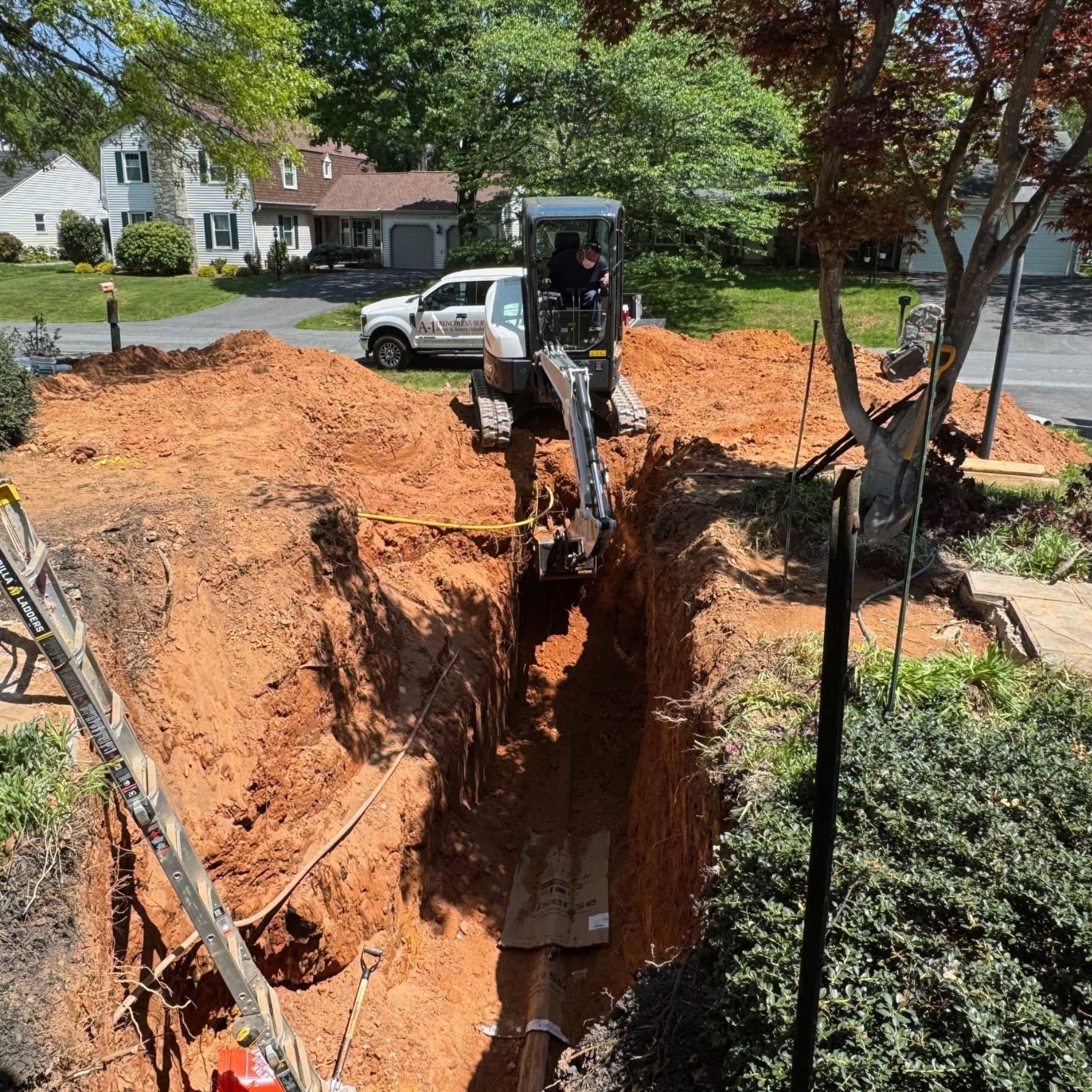
A yard drain is easy to overlook until a heavy Maryland rain leaves water pooled near your foundation, across a walkway, or in the lowest part of your lawn. Effective yard drain blockage solutions start with identifying what is stopping the flow, not simply pushing water farther down the line. Leaves at the grate may be the visible problem, but compacted soil, root intrusion, a collapsed pipe, or an improper slope can be the real reason water keeps returning.
Why a Blocked Yard Drain Needs Prompt Attention
A properly working yard drain directs surface water away from places where it can cause damage. When it cannot do that job, water can soften soil around the foundation, flood landscaping, damage hardscapes, and create slippery areas around entrances. On commercial properties, standing water can also create access and liability concerns for employees, tenants, and visitors.
The longer water sits, the more likely it is to find a path into a basement, crawl space, garage, or lower-level doorway. It can also put pressure on buried drainage piping that is already weakened by age, shifting soil, or tree roots. What begins as a slow-draining catch basin can become a larger underground drainage repair.
Common Causes of Yard Drain Blockages
The most obvious cause is debris. Grass clippings, mulch, leaves, twigs, and trash collect at the drain grate and wash into the basin during storms. If this material is cleared early, the repair may be simple. However, material that travels deeper into the pipe can pack tightly into bends or low spots.
Soil and sediment are another frequent issue. Rainwater carries loose dirt into open grates, especially where landscaping slopes toward the drain. Over time, sediment settles inside the catch basin or pipe and reduces its usable diameter. A drain may appear open at the surface while the line below is nearly full of mud.
Roots are a more serious concern. Tree and shrub roots seek moisture and can enter small cracks, failed joints, or aging pipe connections. Once inside, they expand and catch debris, gradually restricting water flow. Repeated clogs in the same drain are often a sign that roots or pipe damage need professional attention.
In older properties, the drain pipe itself may be cracked, offset, crushed, or separated. Soil movement, vehicle traffic, freezing conditions, and aging materials can all affect buried lines. If the pipe has lost its proper slope, water and sediment settle instead of moving toward the discharge point.
Yard Drain Blockage Solutions Based on the Problem
The right repair depends on the condition of the drain, the depth of the blockage, and whether the pipe is structurally sound. Clearing the grate is a good first step, but it is not always a complete solution.
Surface Debris and Catch Basin Cleaning
If water backs up around a drain after leaves or lawn debris build up, remove the grate and clean out visible material from the basin. Wear gloves and avoid pushing debris farther into the outlet pipe. A garden hose can help rinse loose residue, but stop if the water rises or drains very slowly. That usually means the restriction is deeper in the system.
Regular catch basin cleaning is one of the most affordable ways to prevent larger drain problems. Properties with mature trees, heavy mulch beds, or frequent runoff may need more attention during the fall and spring.
Drain Snaking for Localized Clogs
A professional drain cable machine can break through many localized obstructions, including packed debris and some root growth. This approach can restore flow quickly when the pipe is otherwise in good shape. It is often appropriate when a blockage is close to the drain inlet or when inspection confirms a limited clog.
Snaking has limits. It may create a temporary opening through heavy roots or hardened sediment without fully cleaning the pipe walls. If the line clogs again soon afterward, more thorough cleaning or repair may be needed.
Hydro Jetting for Sediment, Sludge, and Roots
Hydro jetting uses controlled high-pressure water to clear accumulated debris from the inside of a drain line. For yard drains affected by mud, silt, organic buildup, or root masses, it can clean more completely than a cable alone. The goal is not just to create a small path for water, but to restore the pipe’s flow capacity.
A trained technician should evaluate the line before hydro jetting, especially on older or damaged piping. High-pressure cleaning is highly effective when used correctly, but a severely cracked or collapsed line may require a repair plan rather than aggressive cleaning.
Camera Inspection When the Cause Is Not Clear
A video camera inspection removes guesswork. A technician can feed a specialized camera through the drain line to locate a blockage, identify roots, check for standing water, and inspect the pipe for cracks, offsets, or collapse. The footage also helps determine whether the problem is inside the pipe or at the outlet where the drainage system discharges.
This is particularly valuable when a drain has been cleared before but continues to back up. Instead of paying for repeated cleaning with no lasting result, property owners can make decisions based on the actual condition of the underground line.
When Cleaning Is Not Enough
If a yard drain drains slowly after professional cleaning, the pipe may have a structural problem. A crushed section, separated joint, belly in the line, or damaged outlet can trap debris again and again. In these cases, cleaning may provide short-term relief but will not correct the underlying issue.
Conventional excavation can be the right choice when a damaged section is accessible and limited in length. However, digging can disturb lawns, mature landscaping, patios, sidewalks, and driveways. Where conditions allow, trenchless repair or replacement options may restore the line with far less surface disruption.
Trenchless methods are not appropriate for every drainage system. The pipe layout, material, damage type, and access points all matter. A camera inspection and on-site evaluation are the best way to compare repair options and understand the likely cost, timeline, and impact on your property.
Signs You Should Call a Drain Professional
A homeowner can safely remove leaves from a grate, but repeated drainage problems deserve a closer look. Contact a qualified drain professional if water pools after ordinary rain, the drain gurgles or drains slowly, or water returns through the grate after it initially goes down.
You should also schedule an inspection if you see sinkholes or soft ground near a drain line, notice soil washing away around the foundation, or have a drain that has needed frequent snaking. These signs can point to a damaged underground pipe that cannot be solved from the surface.
For commercial sites and multi-unit properties, proactive service is often the better choice. A blocked area drain near a loading zone, parking area, entrance, or utility space can affect daily operations long before it becomes a visible flood. Planned inspections and cleaning help facility managers address problems on their schedule rather than during a storm.
Preventing Future Yard Drain Problems
Prevention is mostly about keeping debris and sediment out of the system before they move into the pipe. Check drain grates after storms, clear leaves before they mat down, and keep mulch and soil from washing toward drainage inlets. If downspouts connect to underground drains, make sure their outlets are secure and not dumping soil into the line.
Be careful with landscape changes. Adding a patio, raising a garden bed, changing grading, or installing new plantings can redirect runoff toward a drain that was not designed for the additional water. In some cases, the drain is clear but simply undersized for the amount of runoff it now receives.
A-1 Trenchless Water & Sewer Repair Services LLC uses camera-based diagnostics, drain cleaning, hydro jetting, and repair options to help Damascus-area property owners find the source of drainage trouble and protect their property with the least disruption possible.
If a yard drain only struggles during the heaviest storms, do not assume that is normal. A timely inspection can reveal whether simple maintenance will restore flow or whether an underground issue needs to be corrected before the next hard rain reaches your home or building.
First published . Written by the A-1 Trenchless team.