A basement drain usually stays out of sight until it starts doing the exact opposite of its job. If water is pooling around a floor drain, sewage is coming back up, or a bad odor is creeping through the basement, understanding basement drain backup causes can help you act fast before the cleanup gets bigger and more expensive.
Some backups are caused by a simple obstruction near the drain opening. Others point to a deeper sewer line problem under the yard, the slab, or the street connection. The key is not guessing. A backup is a warning sign, and the cause determines whether you need routine drain cleaning or a more serious sewer repair.
The most common basement drain backup causes
In many homes and commercial buildings, the basement drain is the lowest point in the drainage system. That means when wastewater cannot move out the way it should, gravity sends it to the basement first. The drain is not causing the problem. It is where the problem shows up.
1. A main sewer line clog
This is one of the most serious basement drain backup causes. When the main sewer line becomes blocked by grease, wipes, sludge, or accumulated debris, wastewater from sinks, toilets, showers, and appliances has nowhere to go. Instead of flowing toward the municipal sewer or septic system, it backs up into the lowest available drain.
A main line clog usually does not stay limited to one fixture. You may notice slow drains on multiple levels, gurgling sounds from toilets, or water rising in the basement when an upstairs fixture is used. If that pattern is happening, the issue is probably beyond a single drain opening.
2. Tree root intrusion in the sewer line
Roots naturally seek moisture, and even a small crack in an underground pipe can attract them. Once roots enter the sewer line, they expand, trap debris, and gradually restrict flow. Over time, what started as a minor intrusion can turn into a full blockage.
This problem is common in older neighborhoods with mature trees and aging clay or cast-iron piping. The challenge is that root issues often build slowly. You might get occasional backups at first, then more frequent ones after heavy use or rain. A camera inspection is usually the fastest way to confirm whether roots are part of the problem.
3. Heavy rain overwhelming the system
Not every backup starts inside the home. During strong storms, municipal sewer systems can become overloaded, especially in areas with older infrastructure or partial stormwater inflow into the sanitary line. When that happens, wastewater may reverse direction and push back toward homes.
If your basement drain backup happens during or right after heavy rain, this is a likely cause. It can be especially frustrating because the drain line inside the property may be clear, but the outside system is under too much pressure. In these situations, a backwater valve or drainage improvements may help, but the right fix depends on how the property is connected and where the overload is happening.
4. A damaged or collapsed sewer pipe
A broken sewer line changes everything about how wastewater moves. Cracks, offsets, bellies, corrosion, or a partial collapse can catch waste and paper until a blockage forms. In more severe cases, the line may not carry flow reliably at all.
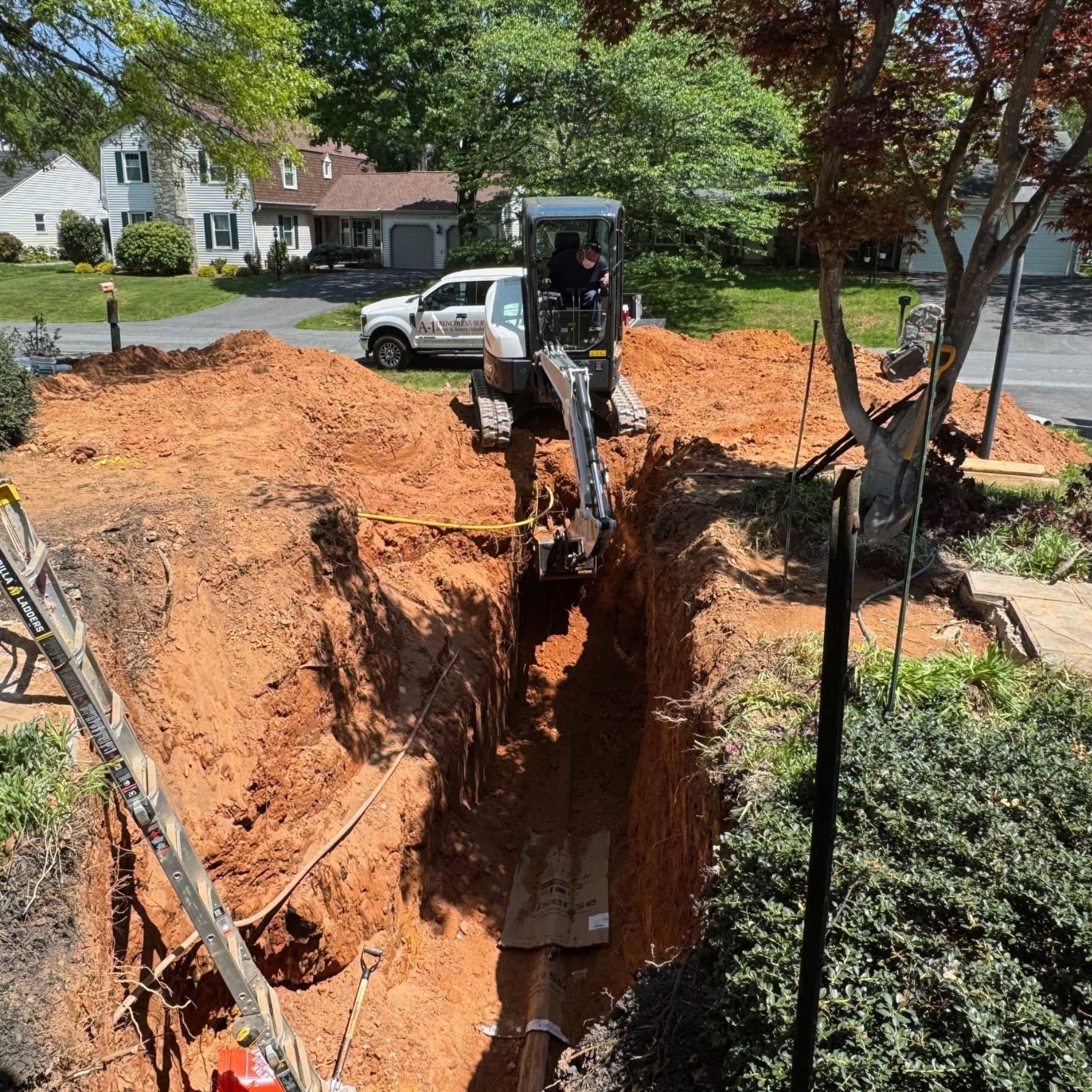
This is one of the basement drain backup causes that usually needs more than drain cleaning. If the pipe itself is failing, the obstruction will likely come back until the damaged section is repaired or replaced. The good news is that modern diagnostics and trenchless repair methods can often reduce digging and shorten the repair process.
Older pipes can create recurring backup problems
Age matters in drain and sewer systems. Cast iron can corrode and develop rough internal surfaces that snag waste. Clay pipe can crack and shift. Orangeburg pipe, found in some older systems, can deform and break down over time. Even if a line is still technically open, years of deterioration can reduce its diameter enough to cause repeated backups.
5. Corrosion, scale, and buildup inside the pipe
A pipe does not have to be fully blocked to cause trouble. Interior scale, rust, soap residue, and grease buildup can narrow the passage and slow the line down. Then one heavy usage day, one flush too many, or one surge of laundry discharge pushes the system past its limit.
This is why some properties experience backups that seem random. The line may drain slowly most of the time, then fail when demand increases. Professional descaling or hydro jetting may restore flow if the pipe is structurally sound. If it is not, cleaning alone becomes a short-term fix.
6. Improper items being flushed or washed down
Many emergency calls start with everyday habits. “Flushable” wipes, paper towels, hygiene products, grease, food waste, and construction debris can all contribute to a blockage. Even when one item gets through, repeated use creates buildup that narrows the line over time.
In buildings with multiple occupants, this cause becomes more likely because plumbing use is harder to control. The basement drain may be where the backup appears, but the source could be anything entering the system elsewhere in the property. If the line clears and then backs up again, it is worth considering whether usage habits are feeding the problem.
When basement drain backup causes point to a bigger system issue
A single basement drain backup can be messy. Repeated backups usually mean something more is going on underground. That is where proper diagnosis matters.
7. A problem with the backwater valve, trap, or drain setup
Some basements have protective devices designed to keep sewage from flowing backward into the home. If a backwater valve is stuck, damaged, installed incorrectly, or clogged with debris, it may not protect the system the way it should. In other cases, the issue is tied to the floor drain trap, poor slope, or an older drain configuration that does not handle modern use well.
These problems are easy to miss without the right equipment because they are not always visible from the drain opening. A video inspection can show whether flow is being interrupted by a valve issue, a sag in the line, or a blockage farther downstream.
Signs the backup is not just a minor clog
Some drain issues can wait a day or two. A basement backup usually should not. If you are seeing water or sewage come up through the floor drain, if more than one fixture is draining slowly, or if flushing a toilet affects the basement drain, treat that as a main line warning.
Persistent sewer odor is another sign that the problem may be deeper than surface debris. So is backup that returns after plunging, snaking, or using store-bought chemicals. Chemical drain cleaners can sometimes make matters worse, especially in older or weakened pipes. They may not clear the actual obstruction, and they can add unnecessary risk if a professional needs to work on the line later.
How the cause is usually identified
The fastest way to stop guessing is with a professional inspection. A camera inspection shows what is inside the line and where the trouble starts. That distinction matters because the right solution for roots is different from the right solution for corrosion, and both are different from storm-related sewer overload.
Once the cause is confirmed, the repair can be targeted. That may mean drain cleaning, hydro jetting, descaling, root removal, spot repair, or full sewer line replacement. In some cases, trenchless repair is the best path because it restores the line with less disruption to driveways, landscaping, and hardscaping. For property owners trying to move quickly and avoid unnecessary excavation, that can make a major difference.
What you can do right away
If a backup is active, stop using water in the building as much as possible. Running sinks, flushing toilets, or doing laundry can force more water into a line that is already struggling. Keep people and pets away from contaminated water, and avoid trying to push the problem deeper with repeated DIY efforts.
If the backup happened after rain, make note of the timing. If it happened when another fixture was used, note that too. Those details help narrow down the likely cause and speed up diagnosis when a plumber arrives.
For homeowners and property managers in the Damascus area, this is the kind of issue that benefits from a fast response and the right equipment from the start. A-1 Trenchless Water & Sewer Repair Services LLC handles basement drain and sewer problems with camera inspections, cleaning, repair, and trenchless options when the line itself is failing.
A basement drain backup is never convenient, but it is rarely random. The sooner the real cause is identified, the easier it is to protect the property, control repair costs, and get the system working the way it should again.
First published . Written by the A-1 Trenchless team.