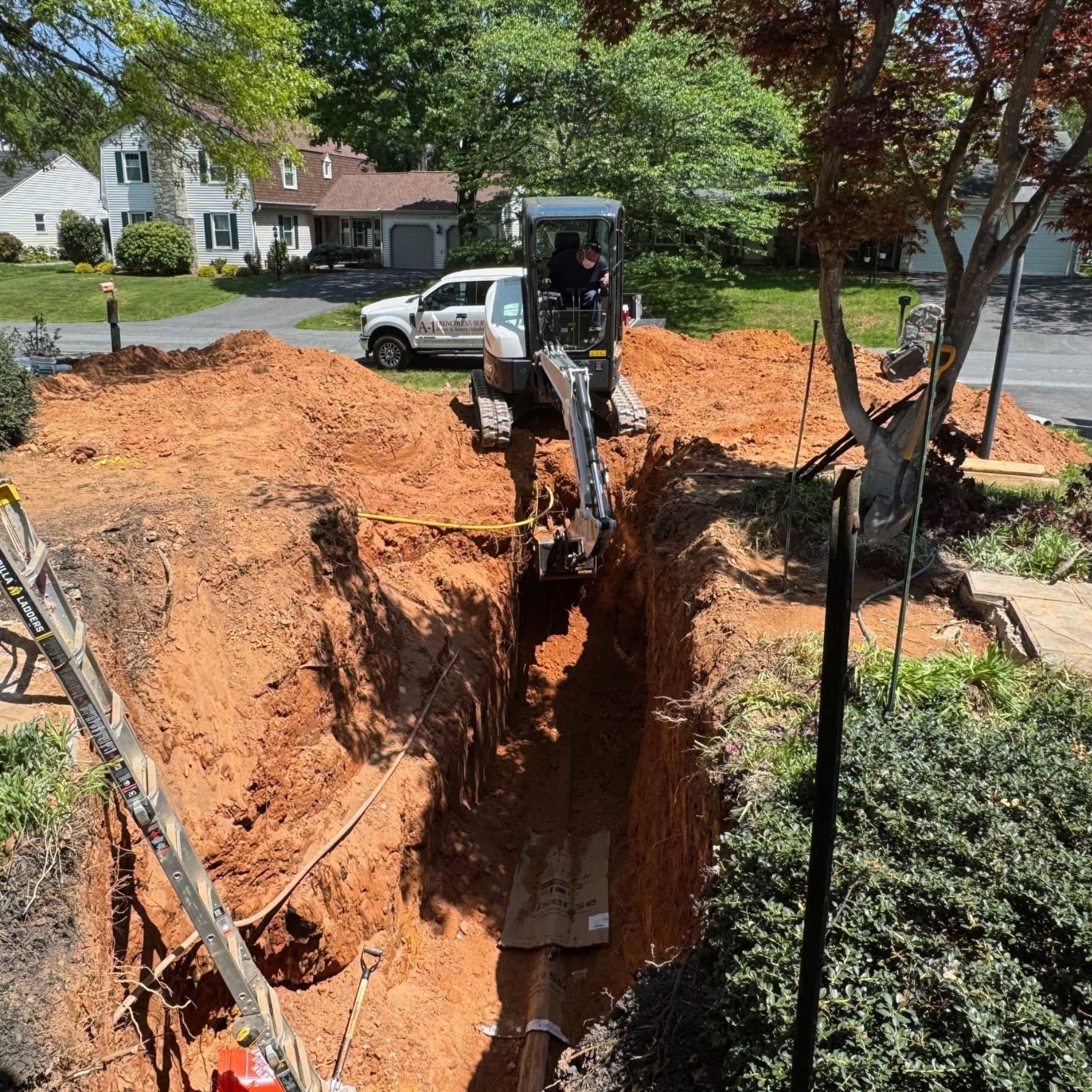
A water line can fail quietly for weeks before it turns into a major repair. That is why knowing the most common underground water leak signs matters. The sooner you catch the warning signs, the better your chances of limiting water loss, avoiding property damage, and fixing the problem before it affects the rest of your plumbing system.
Unlike a burst pipe under a sink, an underground leak is easy to miss. The pipe is hidden below soil, concrete, driveways, or landscaping, so the clues usually show up around your property and on your water bill. Some signs are obvious. Others look minor at first, but they tend to get worse if the line is left alone.
Why underground water leaks are easy to overlook
Most property owners expect a leak to show itself indoors with dripping water, stained drywall, or a puddle under a fixture. An underground water line does not work that way. When the leak is outside or beneath a slab, the water may spread into the ground, move along the pipe trench, or surface in a completely different area.
That can make the source hard to pinpoint without proper leak detection equipment. It also means the problem can keep wasting water day and night, even if your sinks, toilets, and appliances seem to be working normally.
9 underground water leak signs you should not ignore
1. Your water bill suddenly jumps
One of the earliest underground water leak signs is a water bill that rises without a clear reason. If your household habits have not changed, but your usage is climbing, hidden water loss is a strong possibility.
This is especially true when the increase is steady over two or three billing cycles. A small underground leak may not cause dramatic damage right away, but it can send hundreds or even thousands of gallons into the soil over time.
2. Wet spots in the yard that do not make sense
A patch of lawn that stays soggy after the rest of the yard dries out is a classic warning sign. You may notice muddy ground, standing water, or a section of grass that feels spongy when you walk across it.
It depends on the location of the broken line. In some cases, the water pools near the leak. In others, it travels and shows up several feet away. That is one reason guessing the exact source can be unreliable.
3. Areas of grass look greener or grow faster
Water leaking below the surface can act like constant irrigation. If one part of your lawn looks much greener, thicker, or faster-growing than the surrounding area, that extra moisture may be feeding it.
Homeowners sometimes assume this is good soil or better sun exposure. Sometimes it is. But when one section suddenly changes appearance without another explanation, an underground line should be considered.
4. You hear running water when nothing is on
If all faucets and fixtures are off but you still hear water moving, that sound should get your attention. Depending on the leak size and pipe location, you might hear a faint rushing or hissing noise near a wall, in a basement, or close to where the water line enters the building.
This sign is easy to dismiss if the sound is subtle. Still, when it happens repeatedly, it is worth having the system checked. Water should not be running continuously when the property is at rest.
5. Water pressure drops without an obvious cause
A damaged underground water line can reduce the amount of water reaching your fixtures. If showers feel weaker, faucets run less forcefully, or pressure drops throughout the property, a leak may be taking water before it gets where it needs to go.
Pressure problems can have other causes, including valve issues, mineral buildup, or municipal supply changes. That is why this sign matters most when it shows up along with high water usage, wet ground, or unexplained sounds.
6. Cracks begin forming in pavement or hardscaping
Leaking water can soften soil beneath driveways, sidewalks, patios, and other paved surfaces. Over time, that erosion can create settlement, cracking, or uneven spots.
Not every crack means a water line problem. Concrete and asphalt can shift with age, weather, and ground movement. But if cracking appears together with soggy soil or pooling water, the pipe underneath needs attention.
7. Warm spots on the floor
If the underground leak involves a hot water line under a slab, you may feel an unexpected warm area on your floor. Some owners notice this while walking barefoot. Others realize one room floor always feels slightly warmer than the rest.
This is one of the more specific underground water leak signs, and it should not be ignored. A slab leak can lead to flooring damage, moisture issues, and structural concerns if it continues unchecked.
8. Mold, mildew, or musty smells appear indoors
An underground leak does not always stay outside. If water migrates under the slab or near the foundation, moisture can build up inside the property. Over time, that can lead to musty odors, mold growth, or damp conditions that seem to have no clear source.
This is where fast diagnosis matters. Indoor moisture problems can turn into a bigger restoration issue if the plumbing source is not fixed promptly.
9. Your water meter moves when no water is being used
A simple meter check can reveal a lot. Turn off all faucets, irrigation, appliances, and anything else that uses water. Then look at the meter. If it continues moving, water is likely flowing somewhere in the system.
This does not tell you exactly where the leak is, but it does help confirm that water is being lost when it should not be. For many property owners, this is the sign that turns suspicion into action.
What causes underground water line leaks
Underground water lines fail for different reasons, and the cause affects the repair approach. Older pipes may corrode or weaken over time. Soil movement can stress joints and connections. Freezing temperatures, high water pressure, poor installation, and tree root intrusion can also play a role.
Sometimes the issue is a single puncture or split. In other cases, the pipe is deteriorating along a larger section, which means a spot repair may not be the best long-term answer. That is why a proper inspection matters. The goal is not just to stop the immediate leak, but to fix the real problem in a way that makes sense for the condition of the line.
When to call for professional leak detection
If you are seeing one of these signs, monitoring the problem for a few days may seem reasonable. If you are seeing two or more at the same time, waiting usually costs more than it saves.
A professional inspection can help confirm whether the issue is in the main water line, under the slab, or somewhere else on the property. Advanced diagnostic methods reduce guesswork, which matters when the pipe is hidden underground and unnecessary digging can damage landscaping, pavement, or other utilities.
For homeowners and facility managers, speed matters for another reason. A leak does not stay still financially. Every day can add water waste, soil erosion, surface damage, and repair complexity.
Why repair options depend on the pipe and location
Not every underground leak requires the same solution. Some can be repaired at a targeted section if the rest of the line is in good shape. Others call for replacement because the pipe material, age, or overall condition makes repeat failures likely.
This is also where minimally invasive methods can make a real difference. Depending on the layout and type of damage, trenchless repair or replacement options may reduce digging and help preserve lawns, driveways, and surrounding property. In Damascus and nearby areas, A-1 Trenchless Water & Sewer Repair Services LLC works with advanced diagnostic tools and practical repair options so property owners can move quickly with less disruption.
Do not wait for a small leak to become a large excavation
The most expensive underground leaks are often the ones that started with a minor clue someone hoped would go away. A damp spot in the yard, a higher bill, or a slight pressure drop may not feel urgent on day one. But underground pipe problems usually move in one direction.
If something about your water usage or property looks off, trust that instinct and get it checked. Catching underground water leak signs early gives you more repair options, less damage to deal with, and a much better chance of protecting your home or building before the problem spreads.
First published . Written by the A-1 Trenchless team.