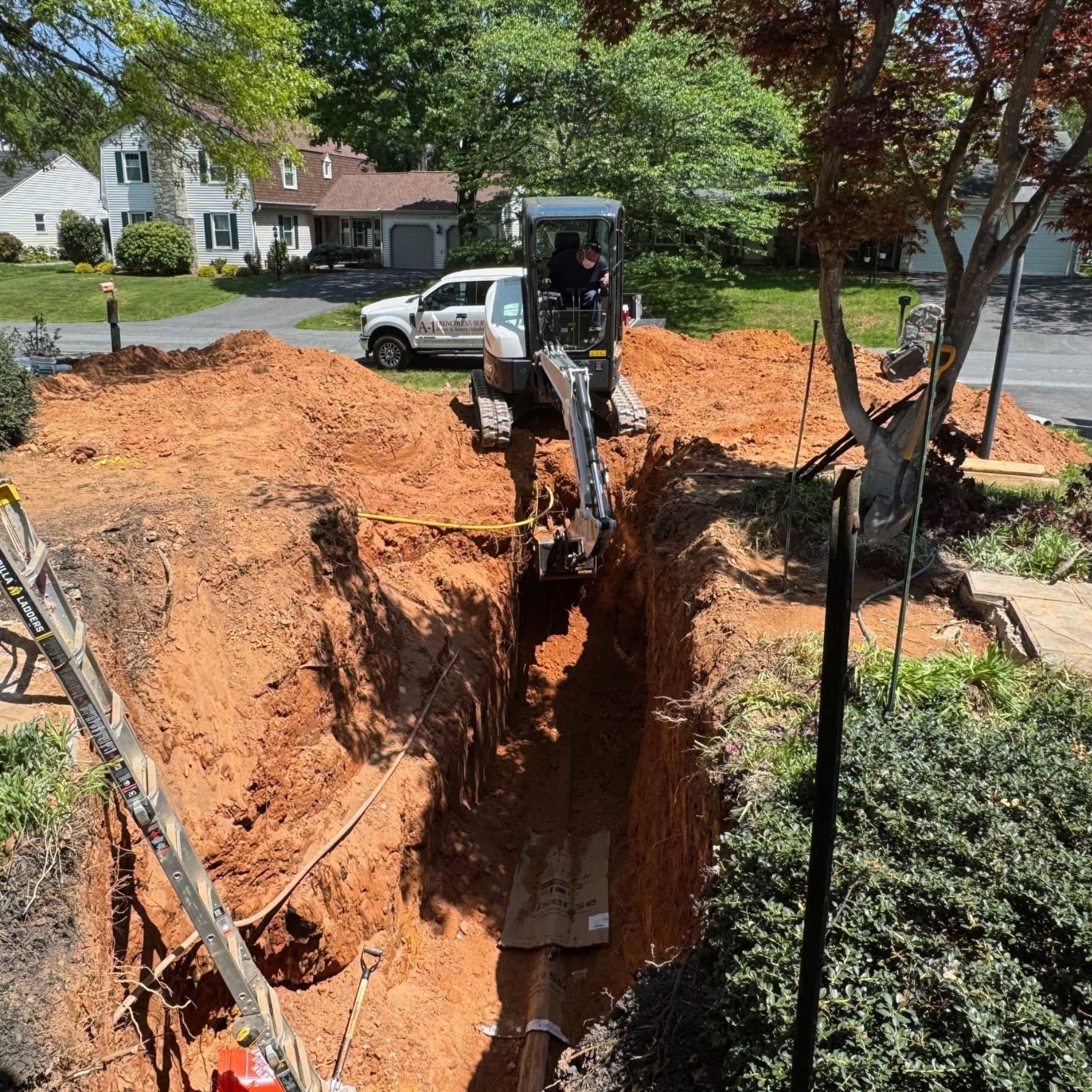
A sewer problem usually looks small at first. Maybe one drain keeps gurgling, the basement floor drain smells bad, or wastewater backs up after a heavy load of laundry. Then the camera inspection shows the real issue underground. A good sewer repair before and after example makes that difference clear, not just what was broken, but how the right repair method restores flow, protects the property, and prevents the same problem from coming back.
For most homeowners and property managers, the hardest part is that the pipe is out of sight. You cannot judge the condition of a sewer line by looking at the yard. That is why before-and-after comparisons matter. They turn a stressful, expensive problem into something visible and understandable.
A real-world sewer repair before and after example
Picture a typical residential property with recurring backups in a lower-level bathroom and slow drainage throughout the home. The owner had already tried drain cleaning more than once. Each cleaning helped for a short time, but the problem kept returning. That pattern usually points to more than a simple clog.
A video camera inspection found multiple issues in the main sewer line. There was root intrusion at one joint, scale buildup reducing the inside diameter of the pipe, and a cracked section that was allowing debris to catch and collect. The line still had some flow, but it was restricted and unreliable.
Before repair, the inside of the pipe looked rough, narrowed, and damaged. Wastewater had to move through an uneven path with several points where toilet paper and solids could snag. This is where customers often start to understand why their problem keeps coming back. The issue is not just a blockage. It is a failing pipe.
After repair, the pipe interior looked continuous, smooth, and open. Flow capacity improved because the restrictions were removed and the damaged area was restored. Just as important, the weak spots that allowed roots and buildup to return were addressed instead of temporarily worked around.
That is the value of a true before-and-after example. The change is not cosmetic. It is functional.
What “before” usually means in sewer repair
The before condition can vary, but most serious sewer calls fall into a few patterns. Some lines are blocked by grease, wipes, or heavy sludge. Others are structurally compromised by cracks, corrosion, offsets, bellies, or root intrusion. Older homes may have cast iron with scaling or clay pipe with separated joints. Commercial properties often deal with heavier use, making recurring stoppages even more disruptive.
From the customer side, the before picture usually includes symptoms like slow drains, frequent clogs, sewage odors, soggy areas in the yard, or backups during peak water use. Those symptoms do not always tell you which repair is needed. A clogged line might need cleaning. A broken line might need trenchless repair or replacement. In some cases, both are necessary because the pipe must be cleaned first before it can be properly repaired.
This is where advanced diagnostics make a real difference. A camera inspection shows whether the problem is isolated or spread across the line, and whether the pipe can be restored with a trenchless option or needs excavation. Good contractors do not guess. They verify.
What changes after a proper repair
When people ask what the after result should look like, they are really asking two questions. Will the plumbing work normally again, and will the repair last?
A proper after result means drains clear faster, backups stop, and wastewater moves through the line without hitting damaged sections or rough internal surfaces. If the repair method was trenchless, there is often another visible difference above ground as well. Landscaping, hardscaping, and daily property use may be far less disrupted than with a full open trench.
That said, the best outcome depends on the condition of the line. If a sewer has a localized break, spot repair may be enough. If the pipe is deteriorated over a longer run, trenchless lining or replacement may be the better value. If the grade is wrong or the pipe has collapsed, conventional excavation may still be necessary. There is no one-size-fits-all answer, and any contractor promising that there is should raise concerns.
Why trenchless repair stands out in before-and-after results
A strong sewer repair before and after example often highlights trenchless work because the difference can be dramatic. Before repair, the homeowner may be dealing with repeated sewer problems and the fear that the entire yard, driveway, or landscaping will be torn up. After trenchless repair, the line is restored with much less disturbance to the property surface.
That matters for practical reasons. Less digging can mean a faster project timeline, lower restoration costs, and less interruption to the home or building. For busy families, commercial sites, and managed properties, that can be just as important as the pipe repair itself.
Trenchless methods are not automatically the right fit for every job. The existing line has to meet certain conditions depending on the method used. Access points matter. The amount of collapse matters. Pipe material and size matter. But when the situation fits, trenchless repair can solve a serious underground problem without turning the whole property into a construction zone.
The most useful parts of a before-and-after comparison
A before-and-after example should show more than a clean pipe image. It should explain what changed and why it matters.
First, it should identify the original cause of failure. Was it roots, corrosion, cracking, shifting, or heavy buildup? Without that context, the after image does not mean much.
Second, it should show whether the repair restored the pipe structurally, hydraulically, or both. A line may be open after cleaning, but if cracks and separations remain, the improvement may only be temporary.
Third, it should account for the property impact. Customers want to know if the lawn was preserved, if access was limited, how long the work took, and whether the repair solved the repeat problem.
That is how professionals build trust. They do not just say the job was completed. They show the problem, the fix, and the result.
What property owners should ask before approving repair
If you are looking at your own sewer issue and want a result that truly looks different after the work is done, ask clear questions upfront. Ask to see the camera findings. Ask what is causing the problem and whether cleaning alone will hold. Ask whether trenchless repair is an option, and if not, why not.
You should also ask what the repair will mean for the property. Will there be excavation? How much access is needed? What happens to landscaping, concrete, or paved surfaces? The right contractor should be able to explain the trade-offs in plain language.
Price matters, but the cheapest approach is not always the most affordable over time. A temporary clearing may cost less today and lead to another emergency later. A more complete repair may carry a higher upfront cost but save money by reducing repeated service calls, cleanup, and property damage.
When a before-and-after example points to replacement instead of repair
Sometimes the biggest lesson from a before-and-after case is that repair was not enough. If a line has widespread collapse, major misalignment, or severe age-related deterioration, replacement may be the more dependable choice.
That can be hard for customers to hear, especially when they are hoping for a quick fix. But honesty matters in underground utility work. If the pipe is failing in multiple places, patching one section may only delay the next problem. A dependable contractor should tell you when a line can be restored and when replacement is the smarter long-term decision.
For homeowners and facility managers, this is where experience counts. The goal is not selling the biggest job. The goal is matching the solution to the real condition of the pipe.
What a good outcome really looks like
The best after result is not just a better inspection image. It is a property that works the way it should. Toilets flush normally. Drains move water without hesitation. Odors are gone. The risk of backups drops. The owner stops wondering whether the next shower or washing machine cycle will trigger another mess.
That kind of result starts with accurate diagnosis, the right repair method, and workmanship that holds up under real use. For property owners in and around Damascus, MD, that is exactly why companies like A-1 Trenchless focus on camera-based diagnostics, minimally invasive options when possible, and repairs that solve the actual issue instead of masking it.
If you are weighing a sewer decision, ask to see the before, understand the repair, and make sure the after means more than a temporary improvement. The right repair should give you confidence every time water goes down the drain.
First published . Written by the A-1 Trenchless team.