You’re standing in the bathroom watching the water swirl lazily around the drain, only to hear a strange gurgling sound coming from the kitchen sink across the hall. When you realize you have multiple slow drains in house Clarksburg, the initial annoyance quickly turns into a sinking feeling of dread. It’s a common scenario for local homeowners, and it usually means the problem is much deeper than a simple hair clog in one pipe.
We understand the stress that comes with fearing a raw sewage backup or imagining your carefully manicured lawn being torn up by heavy machinery. It’s exhausting to keep reaching for the plunger when the results never last. You deserve a clear answer about what’s happening beneath your floors without the threat of a massive excavation project hanging over your head. You shouldn’t have to sacrifice your property’s curb appeal just to get your plumbing back in order.
This article will help you identify the “trunk line” issues causing your drainage failure and introduce you to modern, trenchless technology that fixes the problem from the inside out. You’ll discover how professional video inspections find the exact cause of the blockage and how no-dig repairs can restore your high-speed drainage while keeping your landscaping perfectly intact.
Key Takeaways
- Learn to distinguish between a simple sink clog and a systemic main line failure that affects your entire home.
- Understand how local factors like mature tree roots and grease buildup contribute to serious blockages in Montgomery County sewer systems.
- Discover how professional video inspections provide a clear diagnosis, allowing you to see the exact state of your pipes before choosing a repair.
- Find out how to address multiple slow drains in house Clarksburg using high-pressure hydro jetting or modern pipe descaling methods.
- Explore trenchless repair options that restore your drainage system’s integrity without the need for destructive yard excavation.
Table of Contents
- Identifying the Symptom: Why All Your Drains Are Slowing Down
- The Root Causes: Why Main Sewer Lines Fail in Montgomery County
- Professional Diagnostics: Eliminating Guesswork with Video Inspections
- Advanced Clearing Methods: Hydro Jetting and Pipe Descaling
- Trenchless Solutions: Fixing Sewer Lines Without the Dig
Identifying the Symptom: Why All Your Drains Are Slowing Down
When you notice multiple slow drains in house Clarksburg, it’s easy to assume you just have a few coincidental clogs. However, plumbing systems don’t usually fail in multiple places at once without a central cause. A single slow sink is a localized nuisance. Three or four slow drains across different rooms indicate a systemic failure in your main sewer line. Understanding the difference between these two scenarios is the first step toward a permanent fix. You don’t need to panic, but you do need to recognize that your home’s drainage infrastructure is sending you a clear distress signal.
The “Trunk vs Branch” Rule
Think of your home’s plumbing like a tree. Your sinks, tubs, and showers are the “branches.” These smaller pipes carry water to the “trunk,” which is your main sewer line. This entire network is part of your home’s drain-waste-vent system, which relies on gravity and air pressure to move waste out of your house. If a branch line is blocked, only that specific fixture will drain slowly. If the trunk line is obstructed, every branch connected to it will struggle to empty. This is why multiple slow fixtures always point toward a trunk line obstruction rather than several independent clogs.
A standard plunger is designed to create a localized pressure wave to dislodge a clog within a few feet of the drain. It’s an effective tool for a branch line, but it’s physically impossible for a plunger to clear a blockage located fifty feet away in your main sewer line. Relying on DIY methods for a whole-house issue often leads to wasted time and increased frustration while the underlying problem worsens. You’re essentially trying to fix a highway pileup by clearing a single exit ramp.
Common Signs in Clarksburg Homes
In many Clarksburg neighborhoods, especially those with mature landscaping or older cast iron pipes, systemic drainage issues manifest in predictable ways. Look for these specific warning signs:
- The Gurgling Toilet: If your toilet bubbles or gurgles when you run the bathroom sink or the washing machine, air is being trapped in the line by a significant blockage.
- Basement Backups: Water appearing in the basement floor drain or the lowest shower in the house is a primary indicator that the main line can’t handle the volume of waste.
- Simultaneous Odors: Foul sewage smells emanating from multiple drains at once suggest that sewer gases are being pushed back into the home because they can’t escape through the main line.
Ignoring these symptoms won’t make them go away. A slow-draining main line is often the final warning before a total raw sewage backup occurs. Beyond the immediate health hazard, a blocked line can cause pipes to leak at the joints under the pressure of standing water. This leads to hidden structural water damage and mold growth that can be far more expensive to remediate than the initial pipe repair. Addressing the issue early preserves your home’s integrity and prevents an emergency situation.
The Root Causes: Why Main Sewer Lines Fail in Montgomery County
When you deal with multiple slow drains in house Clarksburg, the cause is rarely a single event. Instead, it is usually a slow accumulation of environmental factors and aging materials. In Montgomery County, our specific landscape presents unique challenges to underground infrastructure. From the heavy clay soil that characterizes much of Maryland to the beautiful, mature oaks and maples that line our streets, your sewer line is under constant pressure from the outside and the inside.
One of the primary causes of sewer line failures involves the buildup of fats, oils, and grease, often referred to as “fatbergs.” These substances enter the line as liquids but solidify as they cool. Over time, they create a thick, waxy coating that narrows the pipe’s diameter. This restriction is a major reason why every fixture in your home starts to feel sluggish at the same time. It isn’t just about what you flush. It’s about the chemistry of what happens inside the pipe over decades of use.
Additionally, Maryland’s soil is prone to shifting. When the ground moves due to moisture changes or seasonal freezes, sections of your pipe can become misaligned. These offsets create “lips” that catch debris, or “bellies” where water pools. These structural defects are common in older Clarksburg neighborhoods and cannot be fixed with chemicals or plungers. If you are worried about the state of your underground lines, a professional video pipe inspection can provide the clarity you need.
Tree Root Intrusion
Tree roots are naturally drawn to the warmth and moisture inside a sewer pipe. They can enter through microscopic cracks or loose joints that are common in older clay or concrete lines. Once inside, they feast on the nutrients and expand rapidly. While many homeowners try to clear these with a mechanical snake, that’s only a temporary fix. Snaking cuts the roots back like a haircut, which actually encourages them to grow back thicker and faster. This cycle of growth eventually shatters the pipe from the inside, leading to a complete collapse.
Mineral Scale and Corrosion
For homes built with cast iron, corrosion is the silent enemy. These pipes rust from the inside out, creating a rough, jagged surface known as tuberculation. This scale acts like velcro, snagging every bit of toilet paper or hair that passes by. If you have older pipes, understanding what is pipe descaling is vital. This process removes the scale and restores the pipe’s original flow capacity without needing to dig up your yard. It’s a modern solution that addresses the “rusting from the inside out” phenomenon before the pipe wall becomes too thin to save.
Professional Diagnostics: Eliminating Guesswork with Video Inspections
When you are dealing with multiple slow drains in house Clarksburg, the last thing you want is a repair strategy based on a guess. In the past, plumbers often had to dig “exploratory” trenches just to find the source of a backup. Modern technology has replaced that destructive approach with high-definition video pipe inspection. By using a specialized, waterproof camera attached to a flexible fiber-optic cable, we can travel through your entire sewer lateral to see exactly what is causing the slowdown. This process provides a definitive diagnosis without disturbing a single blade of grass in your yard.
This level of precision is essential because the right solution depends entirely on the type of obstruction. A massive root ball requires a different approach than a collapsed section of pipe or a heavy accumulation of mineral scale. The camera doesn’t just show us the “what,” it also shows us the “where.” Our equipment includes signal transmitters that allow us to pinpoint the exact location and depth of the issue from above ground. This accuracy ensures that if a repair is needed, it is targeted and efficient, saving you from the high costs of unnecessary excavation.
What a Sewer Camera Reveals
A professional scope provides a real-time look at the structural integrity of your plumbing. We look for specific red flags such as “bellies,” which are low spots where the pipe has sagged and collected standing water. We also identify offset joints where pipes have shifted due to Maryland’s clay soil, or jagged cracks that allow roots to enter. If you are curious about the technical steps involved, you can read more about how to find a blockage in your sewer line. Most importantly, the camera tells us if your pipe is a good candidate for trenchless restoration, which requires the host pipe to be structurally capable of holding a new liner.
The Value of a Pre-Repair Scope
Transparency is a cornerstone of professional service. We don’t just tell you there’s a problem. We show it to you. Homeowners receive a recorded video of the inspection, providing visual evidence of the pipe’s condition. This data allows for highly accurate project quoting because we know the exact scope of work required before we ever begin. Once the service is complete, whether it involves hydro jetting or a trenchless repair, we use the camera again to verify the line is completely clear and restored to high-speed flow. This “before and after” verification gives you total peace of mind that the job was done correctly.
Advanced Clearing Methods: Hydro Jetting and Pipe Descaling
When multiple slow drains in house Clarksburg persist despite your best efforts, it’s time to move beyond the hardware store solutions. Standard mechanical snaking has been the default for decades, but it has a significant limitation. A snake typically only pokes a small hole through a blockage to get water moving again. It doesn’t actually clean the pipe. To truly restore your home’s drainage to its original high-speed capacity, we utilize advanced methods that scrub the internal walls of your plumbing, removing the debris that causes recurring clogs.
These professional clearing methods are designed to be thorough and long-lasting. By removing the “velcro” surface created by grease and scale, we make it much harder for new debris to snag and build up. This proactive approach saves you money over time by extending the life of your existing pipes and reducing the frequency of service calls. If you’re struggling with systemic backups, you can schedule professional drain cleaning to resolve the issue once and for all.
The Power of Hydro Jetting
Hydro jetting is the industrial-strength answer to heavy clogs and persistent root intrusion. This process uses a specialized nozzle to blast water through your sewer line at 4,000+ PSI. While a snake might leave behind grease and small roots, the high-pressure stream from a hydro jetter scours the entire circumference of the pipe. It effectively emulsifies grease and pulverizes root masses, flushing them out of your system entirely.
Many homeowners worry about the intensity of this process. It’s a valid concern, which is why we always perform a camera inspection first to ensure your plumbing can handle the pressure. You can learn more about whether is hydro jetting safe for old pipes in our detailed guide. For those in the surrounding area, our hydro jetting services in Damascus offer the same level of local reliability and expert care.
Restoring Cast Iron with Descaling
If your Clarksburg home features older cast iron pipes, hydro jetting alone might not be enough to fix the “trunk line” sluggishness. Over the years, cast iron develops jagged rust deposits known as scale. Pipe descaling is a specialized mechanical process that uses rotating chain knockers to gently but effectively scrape this scale away. This restores the pipe’s internal diameter and smooths out the surface so waste flows freely again.
Descaling is also a critical preparation step for trenchless restoration. By returning the host pipe to its original shape and smoothness, we ensure that a new liner will bond perfectly to the interior. This “pipe within a pipe” solution is only possible when the descaling process has been handled with precision. It’s the difference between a temporary fix and a permanent restoration of your home’s infrastructure.
Trenchless Solutions: Fixing Sewer Lines Without the Dig
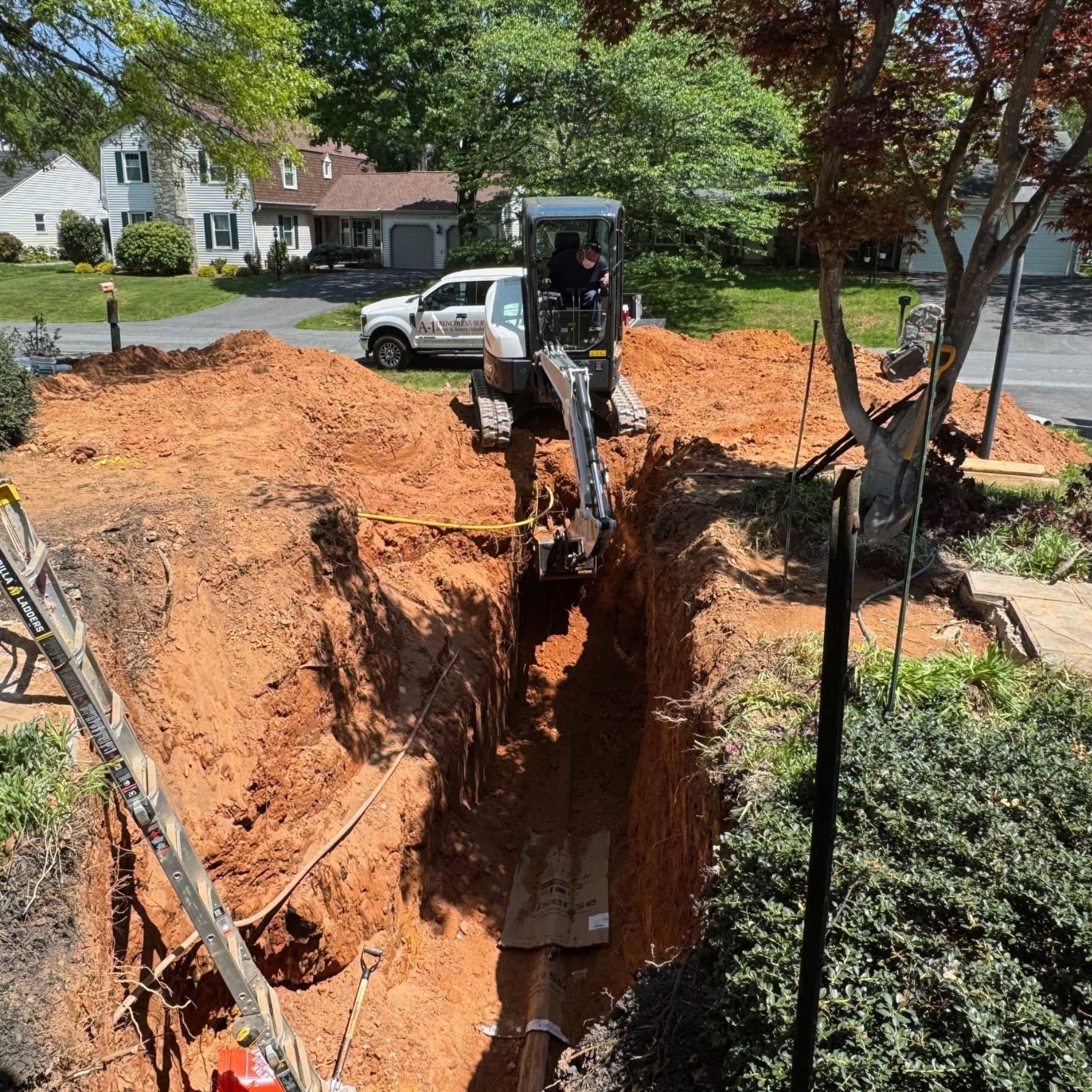
If you have been living with multiple slow drains in house Clarksburg, the fear of a backhoe tearing up your front yard is likely what has kept you from scheduling a repair. In the past, fixing a main sewer line meant excavating a massive trench that destroyed landscaping, sidewalks, and driveways. Today, trenchless technology has become the modern standard for pipe replacement. These “no-dig” methods allow us to restore your home’s infrastructure from the inside out, using small access points instead of a long, destructive trench.
The primary advantage for Clarksburg homeowners is the total preservation of your property’s curb appeal. Whether your sewer line runs beneath a mature oak tree, a custom paver walkway, or a paved driveway, trenchless methods keep those features intact. By avoiding the need for heavy machinery and massive dirt piles, we eliminate the high cost of restoring your landscaping once the plumbing work is finished. It is a cleaner, faster, and more efficient way to handle systemic drainage failure.
Cured-in-Place Pipe (CIPP) Lining
Cured-in-Place Pipe (CIPP) lining is one of the most effective ways to resolve whole-house drainage issues. This process involves inserting a flexible, epoxy-saturated liner into your existing sewer pipe. Once the liner is in place, it is inflated and allowed to cure, hardening into a smooth, jointless “pipe within a pipe.” This new interior wall is completely root-proof and structurally independent of the old pipe. This method is particularly useful for sewer line repair under driveway sections, as it restores the line without cracking a single inch of concrete.
For pipes that are severely collapsed or too damaged for lining, we utilize pipe bursting. This technique involves pulling a high-density polyethylene (HDPE) pipe through the old line. As the new pipe is pulled through, a specialized bursting head breaks the old, damaged pipe apart and pushes the fragments into the surrounding soil. Both methods provide a brand-new sewer lateral with minimal surface disruption.
The Long-Term Benefits of Trenchless
Choosing a trenchless solution offers several practical advantages beyond just saving your lawn:
- Durability: The epoxy liners and HDPE pipes used in trenchless repairs are resistant to corrosion and root intrusion, often boasting a lifespan of 50 years or more.
- Speed: While traditional excavation can take a week or longer, most trenchless projects are completed in a single day, minimizing the time your water needs to be shut off.
- Cost-effectiveness: While the technology itself is advanced, you save thousands of dollars by avoiding the expensive process of rebuilding porches, repaving driveways, or replanting mature gardens.
Next Steps for Your Clarksburg Home
If your drains are gurgling and slow, do not wait for a total backup to occur. Avoid using chemical drain cleaners, as these harsh acids can actually accelerate the corrosion of older cast iron pipes and rarely reach the main line where the real problem exists. Instead, reach out for a professional diagnostic evaluation. You can contact A-1 Trenchless today for a comprehensive video inspection and a no-dig evaluation to see which trenchless solution is right for your property.
Restore Your Home’s Drainage Without the Disruptive Dig
Living with multiple slow drains in house Clarksburg doesn’t have to lead to a yard-destroying excavation project. You’ve learned that systemic sluggishness is a clear sign of a main line obstruction, but modern technology has changed how we address these failures. By utilizing expert video pipe diagnostics, we pinpoint the exact cause of your sewer trouble without any exploratory digging. Whether your pipes need high-pressure hydro jetting or a permanent trenchless restoration, there’s a solution that preserves your property’s value and your peace of mind.
We’ve specialized in no-dig trenchless solutions since 2018, serving Clarksburg and the wider Montgomery County area with dependable, professional care. You don’t have to settle for temporary fixes or the anxiety of a ruined lawn. Our team provides the modern expertise required to restore your high-speed drainage quickly and efficiently.
Schedule Your No-Dig Sewer Inspection with A-1 Trenchless Today.
Taking action now prevents a messy backup and ensures your home’s infrastructure remains reliable for decades to come. We’re here to provide a smooth, hassle-free experience that gets your life back to normal and your pipes flowing at full speed again.
Frequently Asked Questions
Is multiple slow drains a plumbing emergency?
Yes, finding multiple slow drains in house Clarksburg is a high-priority situation that often precedes a total sewage backup. This symptom indicates that your main sewer lateral is heavily obstructed. If you don’t address it quickly, raw sewage can back up into your basement or lowest floor showers, creating a significant health hazard and causing expensive water damage to your home’s structure.
Can I use a chemical drain cleaner if all my drains are slow?
You should avoid using chemical drain cleaners for whole-house drainage issues. These products are designed for minor, localized clogs near a sink or tub and are rarely effective against main line blockages. The harsh acids can sit in your pipes and generate heat, which often warps PVC or accelerates the corrosion of older cast iron systems without actually clearing the obstruction.
How much does it cost to clear a main sewer line in Clarksburg?
The cost to clear a main sewer line varies depending on the method required and the severity of the blockage. High-pressure hydro jetting typically involves different equipment and labor than standard mechanical snaking. Other factors include the depth of your line and the ease of access to your cleanout. A professional video inspection is the best way to receive an accurate quote based on your pipe’s actual condition.
What is a sewer cleanout and where can I find mine?
A sewer cleanout is a dedicated access point that allows professionals to inspect and clean your main sewer lateral. In most Clarksburg neighborhoods, you’ll find the cleanout in your yard near the foundation or inside the basement. It’s typically a white or black pipe with a threaded cap, though older homes may have a cast iron or brass plug located in the floor.
Will hydro jetting damage my older pipes?
Hydro jetting is safe for older pipes as long as they are structurally sound. We always perform a video pipe inspection before starting the service to identify any collapses or severe thinning of the pipe walls. If the pipe is intact, the high-pressure water stream removes mineral scale and roots much more gently than the physical scraping of a traditional metal snake.
How long does a trenchless sewer repair take to complete?
Most trenchless sewer repairs are completed in a single business day. Because these “no-dig” methods don’t require extensive excavation or the use of heavy machinery, the setup and installation are very efficient. You can typically expect your water service to be restored by the end of the day, which is a significant improvement over the week-long disruptions associated with traditional digging.
Why does my toilet bubble when I run the shower?
Your toilet bubbles because air is being trapped in the plumbing system by a blockage in the main sewer line. When the large volume of water from your shower enters the pipe, it pushes air ahead of it. If that air cannot pass the obstruction in the main line, it vents back through the nearest opening, which is usually your toilet’s trap.
Can tree roots be permanently removed from a sewer line?
Tree roots can be permanently excluded from your sewer line through trenchless pipe lining. While mechanical snaking or hydro jetting clears existing roots, they’ll eventually grow back through the same cracks. Pipe lining creates a smooth, jointless barrier inside your old pipe, which prevents microscopic root feelers from ever entering the system again.
First published . Written by the A-1 Trenchless team.