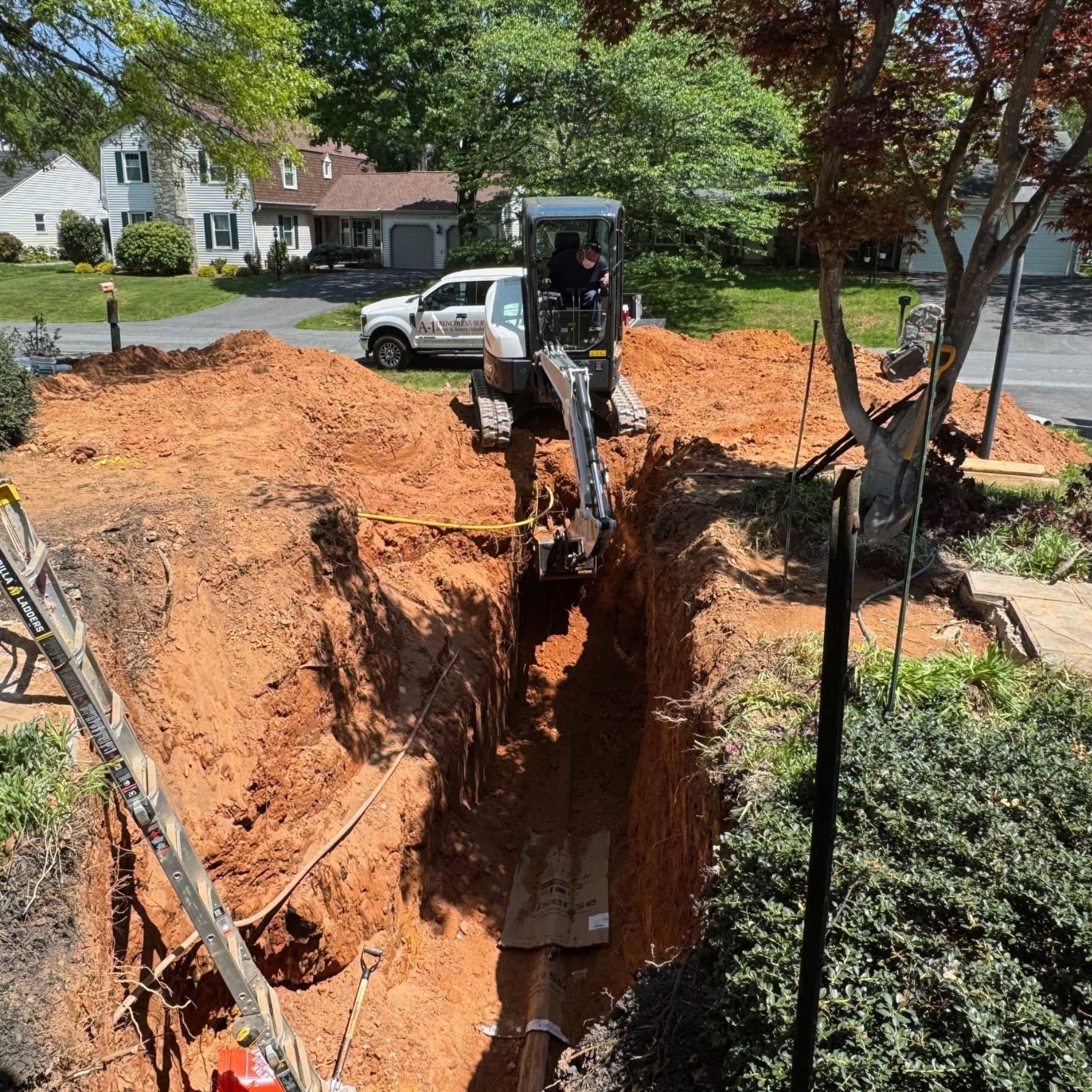
When more than one drain in your home starts acting up at the same time, that usually points to a bigger problem than a simple clog. One of the clearest signs your main sewer line is clogged is when toilets, tubs, and sinks begin backing up together, especially on the lowest level of the property. That is when fast action matters, because a sewer line issue rarely fixes itself and usually gets worse with every flush, shower, or load of laundry.
Why a main sewer line clog is different
A clogged sink trap or shower drain is frustrating, but it is usually isolated to one fixture. Your main sewer line is different. It carries wastewater from the entire building out to the municipal sewer or septic connection. When that line is blocked, every drain in the property can be affected.
That is why main line problems tend to show up in patterns. You may notice one symptom at first, then another a few hours later. A toilet bubbles after someone runs the washing machine. A basement shower fills with dirty water after an upstairs bath drains. Those combinations matter because they tell you the blockage is farther down the system, not just in one bathroom or kitchen line.
7 signs your main sewer line is clogged
1. Multiple drains are slow at the same time
If one sink is draining slowly, the clog may be close to that fixture. If the kitchen sink, bathtub, and toilet all seem sluggish, the problem is more likely in the main sewer line. The same is true when slow drainage shows up across different floors or in parts of the building that do not share the same branch line.
This is one of the earliest warning signs. At this stage, wastewater may still be squeezing past the blockage, but not efficiently. That partial restriction can quickly turn into a full backup.
2. Water backs up in the lowest drain
Gravity makes the lowest fixtures in a home the first place sewage and wastewater will reappear. In many homes, that means a basement floor drain, basement shower, or first-floor tub. If water shows up there after you run another fixture elsewhere, do not ignore it.
A backup at the lowest point is a strong indicator that wastewater cannot move freely through the main line. This is especially concerning if the water looks dirty or carries debris.
3. Toilets bubble, gurgle, or rise unexpectedly
A toilet that gurgles when the sink drains or when the washing machine empties is often reacting to pressure changes in the drain system. When a main sewer line starts to clog, air gets trapped and pushed back through nearby fixtures.
Sometimes the bowl water will rise higher than normal after flushing, then slowly settle. Other times you will hear bubbling without even using that toilet. Those are not random plumbing quirks. They often mean the system is struggling to vent and drain properly.
4. Running one fixture affects another
This is one of the more telling signs your main sewer line is clogged. For example, you flush a toilet and water backs up into the tub. You start the washing machine and hear gurgling at a nearby sink. You run the shower and the toilet reacts.
Fixtures should not interfere with each other like that under normal conditions. When they do, it usually means wastewater is meeting resistance downstream and finding the nearest available path back into the home.
5. Sewage odors are coming from drains or outside
Your drain system is designed to carry wastewater away while keeping sewer gases contained. If you notice a strong sewage smell inside the home or near the yard where the sewer line runs, a clog or damaged line may be preventing proper flow.
Odors alone do not always confirm a main line blockage. A dry floor drain trap or isolated vent issue can also create smells. But if the odor appears along with slow drains, gurgling, or backups, the main sewer line should be inspected promptly.
6. The problem gets worse when you use a lot of water
A partial main line clog often becomes obvious during high-use moments. Maybe everything seems mostly fine until someone does laundry, runs the dishwasher, or takes a long shower. Then the toilet gurgles, the tub drains slowly, or water appears where it should not.
That happens because the line can no longer handle normal volume. It may pass small amounts of water, but once demand increases, the restriction shows itself quickly.
7. There are wet spots or unusually green patches in the yard
Not every main sewer problem stays inside the building. If the blockage is tied to a damaged or collapsing pipe, wastewater may leak underground. You might notice soggy areas in the lawn, sections of grass that are greener than the surrounding yard, or a persistent foul smell outside.
This can be harder to spot during rainy weather, so context matters. A wet patch directly over the path of the sewer line, especially with odor or indoor backup issues, deserves professional attention.
What usually causes a main sewer line clog
Main line clogs can develop for different reasons, and the cause affects the best repair approach. In older neighborhoods, tree roots are a common issue because roots naturally seek moisture and can enter small pipe joints or cracks. Once inside, they trap paper and waste until flow slows down or stops.
Grease buildup, flushable wipes, paper products, and debris can also create blockages over time. In some properties, the real problem is structural. A sewer line may be cracked, offset, corroded, or partially collapsed. That is why guessing is expensive. Clearing a line without knowing its condition can solve the symptom for a short time but miss the actual problem.
What to do if you notice these signs
If you suspect a main sewer line clog, the safest move is to stop using water as much as possible. Continued flushing, showering, or laundry can push more wastewater back into the property. If a backup has already started, avoid trying multiple drains to see what works. That usually adds volume to the problem.
It is also wise to be careful with store-bought drain cleaners. They are rarely effective against a main sewer line blockage, and they can create hazards for anyone opening the line later. For a larger system problem, proper diagnosis matters more than a temporary chemical attempt.
The next step is a professional inspection. A video camera inspection can show whether the issue is grease, roots, a sag, heavy scale, or pipe damage. From there, the solution can be matched to the actual condition of the line. In some cases, drain cleaning or hydro jetting is enough. In others, the pipe may need descaling, spot repair, or replacement.
Why fast diagnosis saves money
With sewer line issues, waiting tends to make everything more disruptive. A partial clog can turn into a full backup. Wastewater can damage flooring, drywall, stored items, and finished basement areas. For commercial properties, even a short shutdown can create operational headaches and sanitation concerns.
Fast diagnosis also helps avoid unnecessary digging. With modern equipment, a trained crew can identify where the blockage is, what caused it, and whether trenchless repair is a good fit. That means less guesswork, less damage to your property, and a clearer plan for getting flow restored.
For property owners in Damascus and nearby areas, A-1 Trenchless Water & Sewer Repair Services LLC focuses on exactly these kinds of problems with camera inspections, drain cleaning, hydro jetting, and repair options that can reduce disruption when time matters.
When it is an emergency
A main sewer line clog should be treated as urgent if sewage is backing up into the home, if multiple fixtures are unusable, or if wastewater exposure creates a health concern. The same is true for commercial buildings, rental properties, and any setting where restrooms or drain systems are critical to normal use.
If you are unsure whether it is a simple clog or a main line issue, the pattern is usually the clue. One drain acting up may be local. Several fixtures reacting together usually means the problem is bigger.
The good news is that sewer problems are very fixable when they are identified early and handled with the right equipment. If your drains are sending a message, it is worth listening before a slow warning turns into a messy cleanup.
First published . Written by the A-1 Trenchless team.