The smell usually hits first. Then you notice a floor drain overflowing, a toilet gurgling, or dark water pooling where it should never be. If you are searching for how to handle sewage backup safely, the most important thing to know is this: treat it as a health hazard from the start.
Sewage backup is more than a messy plumbing problem. It can expose your home or building to bacteria, viruses, contaminated solids, and hidden moisture damage behind walls or under flooring. Acting quickly matters, but doing the wrong thing can make cleanup more dangerous and property damage more expensive.
How to handle sewage backup safely in the first few minutes
Your first priority is protecting people, not saving belongings. Keep children, pets, tenants, and employees out of the affected area right away. If sewage is near electrical outlets, appliances, or your breaker panel, do not step into standing water to investigate. If it is safe to do so from a dry area, shut off power to the affected section. If not, wait for a qualified professional.
Next, stop using water throughout the property. Do not flush toilets, run sinks, start laundry, or use dishwashers. In many backups, any added water has nowhere to go and will push more sewage into the lowest drains and fixtures.
If you can do it without direct contact, turn off the HVAC system serving that area. Air movement can spread odors, moisture, and airborne contaminants to other rooms. Open windows only if weather allows and if doing so will not spread contamination into occupied areas.
Then document what you see. Take photos and videos before cleanup begins. This can help with insurance claims and gives your plumber a clearer picture of what happened.
What not to do during a sewage backup
A lot of property damage gets worse because people try to handle a serious backup like a normal clog. That usually backfires.
Do not use chemical drain cleaners. They rarely solve a main sewer blockage, and they add harsh chemicals to an already hazardous situation. They can also create safety issues for anyone who later opens the line or handles standing wastewater.
Do not use a standard household vacuum, even a shop vacuum, unless it is specifically rated and used for contaminated water by trained personnel. Sewage contains pathogens, and improper cleanup tools can spread contamination instead of removing it.
Do not try to snake the line blindly if multiple fixtures are backing up or if sewage is coming up from a basement drain. A backup like that often points to a deeper sewer line issue such as grease buildup, roots, a collapsed pipe section, or a blockage in the main line. In those cases, accurate diagnosis matters more than guesswork.
Why sewage backup happens
Understanding the cause helps you know whether this is a one-time event or a sign of a failing sewer line. In homes and commercial buildings, backups often happen when wastewater cannot move freely through the drain or sewer system.
Sometimes the issue is a heavy blockage from wipes, grease, paper products, or debris. Other times it is a structural problem underground, such as root intrusion, offset joints, corrosion, cracked pipe walls, or a sag in the line that holds waste and solids. Older systems can also back up because the pipe interior has narrowed from scale or long-term buildup.
This is where proper inspection becomes important. A camera inspection can confirm whether the problem is a straightforward blockage or a damaged sewer line that needs repair, descaling, hydro jetting, or replacement. Without that step, it is easy to clear part of the line and still leave the real problem in place.
Protecting yourself if you must enter the area
Sometimes you need to move essential items, shut off a valve, or limit damage before help arrives. If you must enter the affected area, wear waterproof boots and disposable gloves at a minimum. Eye protection and a face covering are also smart precautions, especially if there is splashing or confined space exposure.
Avoid direct skin contact with sewage or with wet materials that absorbed it. That includes carpet, cardboard, insulation, upholstered furniture, and stored boxes. Wash thoroughly with soap and hot water after leaving the area, and bag contaminated clothing separately until it can be cleaned properly.
If anyone in the building has a compromised immune system, respiratory condition, or open wounds, they should stay well away from the affected space. For those occupants, even limited exposure can be a bigger risk.
Cleanup depends on how far the contamination spread
There is a big difference between a small overflow contained to a hard floor and a backup that soaked drywall, carpet, or finished basement materials. The larger and dirtier the event, the less practical do-it-yourself cleanup becomes.
For minor surface contamination, you may be able to remove solid waste carefully, bag disposable items, and disinfect nonporous surfaces after the source of the backup has been addressed. But porous materials are another story. Carpet padding, insulation, ceiling tiles, paper-faced drywall, and many upholstered items usually need to be removed if they were contacted by sewage.
The reason is simple: sewage does not just stain materials. It penetrates them. Even after the surface looks clean, contamination and moisture can remain trapped inside, leading to ongoing odors, bacteria, and mold growth.
It also depends on how long the area stayed wet. The longer wastewater sits, the more likely it is that flooring, trim, subfloor, and wall cavities will need more extensive drying and restoration.
When to call a professional right away
If sewage is coming from more than one drain, backing up into the basement, affecting a commercial property, or returning after you thought it was cleared, call a sewer professional immediately. These are common signs that the issue is in the main line, not a single fixture.
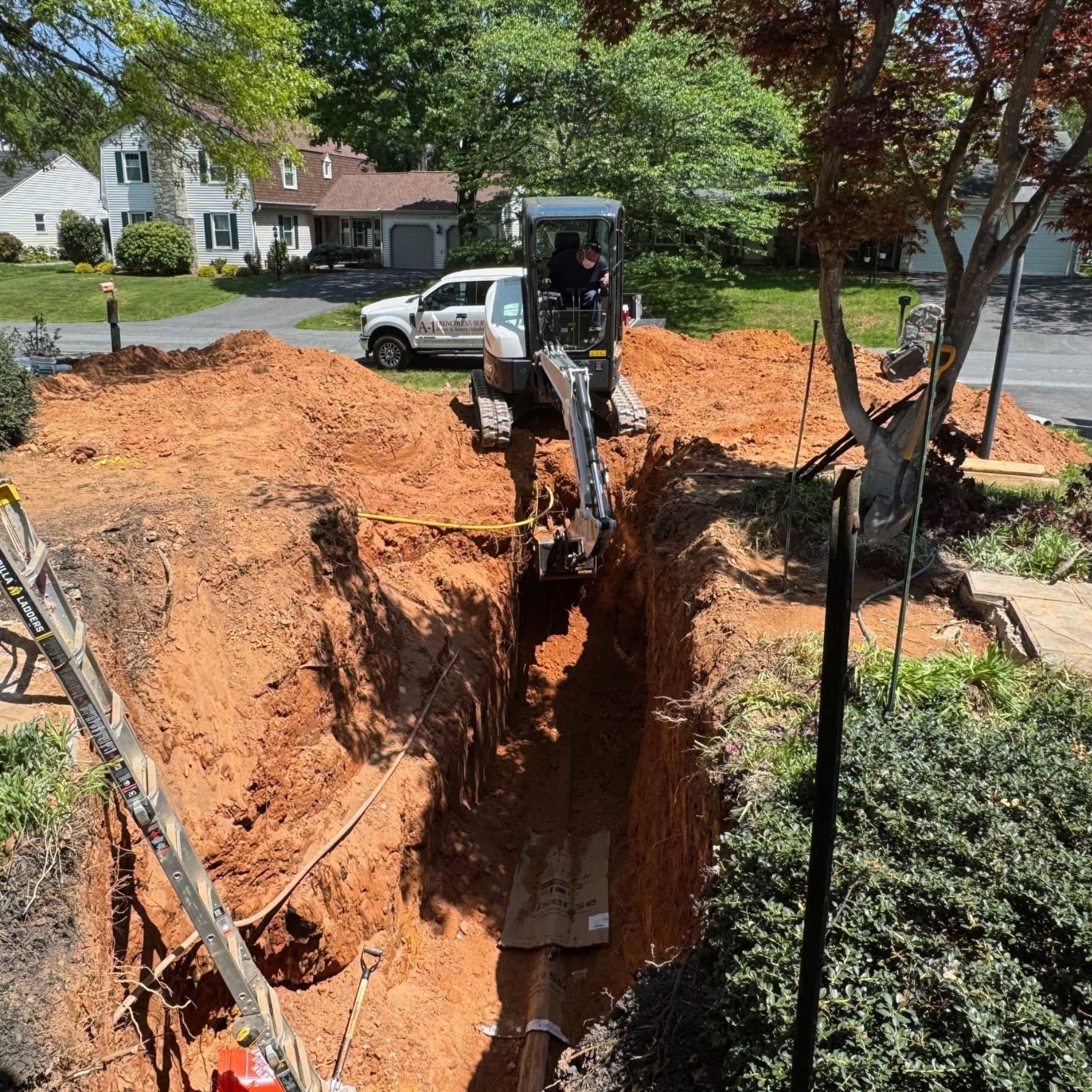
A licensed and insured contractor can identify the cause with the right equipment instead of guessing. That might include camera inspection to locate the blockage, hydro jetting to clear heavy buildup, or trenchless and conventional repair options if the line is broken or deteriorated.
For property owners, speed matters here. The longer sewage stays inside the structure, the more expensive the cleanup and restoration typically become. Fast response can limit contamination, protect finished spaces, and reduce the chance of repeat backups.
In Damascus and surrounding areas, companies like A-1 Trenchless Water & Sewer Repair Services LLC are built for exactly this kind of problem, urgent sewer issues that need a clear diagnosis, fast action, and repairs that protect the property without unnecessary disruption.
How professionals determine the right fix
Not every sewage backup means full sewer replacement. Sometimes a line just needs thorough cleaning. Sometimes roots have entered at a single joint and can be cleared, then repaired. In other cases, an aging or collapsed line will keep causing backups until it is replaced.
That is why good contractors start with evidence. Video inspection shows what is happening inside the pipe. Hydro jetting can remove grease, sludge, and debris buildup when the pipe is structurally sound. Pipe descaling may help restore flow in older cast iron lines with heavy interior corrosion. If damage is more serious, trenchless repair or replacement may solve the problem with less digging than traditional excavation.
The right option depends on pipe material, age, depth, access, and the extent of the damage. A reliable contractor should explain those trade-offs clearly so you can make a decision based on long-term value, not just short-term relief.
Preventing the next backup
Once the immediate problem is handled, prevention becomes the next priority. Many backups are not random. They build over time from habits or hidden line conditions.
Avoid flushing wipes, paper towels, feminine products, and grease. Schedule drain and sewer inspections if your property is older, has large trees near the sewer route, or has a history of slow drains and recurring clogs. If a camera inspection has already shown root intrusion, scaling, or sagging sections, it is usually better to address those issues before the next storm or holiday weekend puts the system under pressure.
Commercial properties and multifamily buildings may benefit from a proactive cleaning schedule because usage is heavier and backup risks can affect more occupants at once. For homeowners, even a single inspection after a first backup can prevent repeated emergency calls.
After the emergency, take the warning seriously
A sewage backup is stressful, disruptive, and unpleasant, but it also gives you useful information. It tells you the drain or sewer system is no longer moving waste the way it should. Whether the cause is a blockage, roots, corrosion, or pipe failure, quick action and the right diagnosis are what keep one ugly incident from turning into a bigger repair and restoration project.
If something smells off, drains are gurgling, or wastewater is rising where it should be draining away, trust what you are seeing and act fast. The safest move is the one that protects your health first and gets the right help on site before the damage spreads.
First published . Written by the A-1 Trenchless team.